

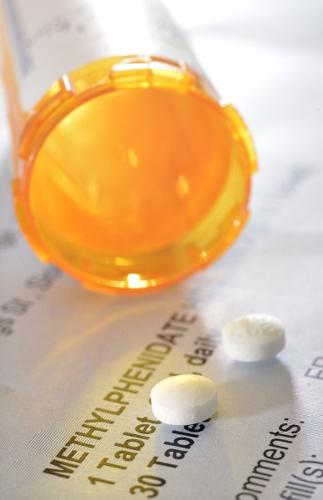
Popping a few Adderall or Ritalin once in a while to help study for an exam might seem harmless, but medical professionals say the stimulants commonly used to treat attention deficit hyperactivity disorder (ADHD) could lead to addiction.
Steven Joyce, a physician with Mercy Medical Center Internal Medicine & Pediatrics, said college students and adults seeking treatment for ADHD should be "strongly scrutinized" because they are likely abusing these medications for their stimulant effects.
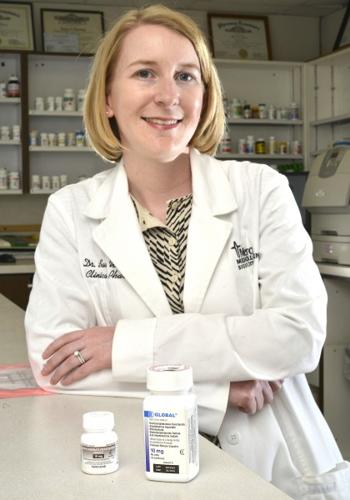
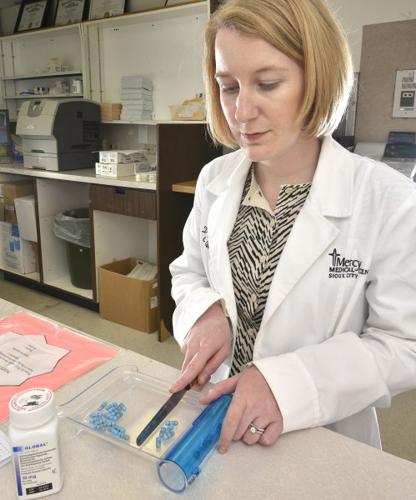
Nick Eckert, joint Mercy/Siouxland Medical Education Foundation pharmacy resident, has heard the medications referred to as "academic steroids" that keep students awake and alert for hours on end.
"They see their friends using it and they're up studying and getting good grades and then it kind of trickles down to everybody else," he said.
People are also reading…
Joyce explained that for individuals to be diagnosed with ADHD, they have to have exhibited symptoms of inattention, forgetfulness, hyperactivity and impulsivity before age 6.
"The safety of these medications is not well-established," he said. "Rarely will I keep adults on ADHD meds."
Long-term use of Ritalin, Adderall and other stimulants has been linked to stroke, heart attack, increased blood pressure and heart rate and sudden death in patients with heart problems or heart defects.
ADHD proves puzzling
According to data released by the U.S. Centers for Disease Control and Prevention in March, 6.4 million children ages 4-17 have been diagnosed with ADHD at some point in their lives.
ADHD is a complicated condition, according to Joyce. He said doctors don't know what causes it or why stimulants effectively calm down those who suffer from it.
"Nobody understands how and why it works, but it does," he said.
Adderall and Ritalin, however, produce the opposite effects in individuals who don't have ADHD.
"If I took it, I would feel more amped up, more excited and stimulated," Eckert said.
And so in lies the value of these medications on the street. Joyce recalled encountering a mother "doctor shopping" for ADHD medications for her child, which she intended to sell for profit. He terminated the patient's care.
According to a University of Michigan study, in 2012, 14.8 percent of high school seniors reported using illicit drugs and pharmaceuticals. Of them, 7.6 percent said they abused Adderall, while 2.6 percent admitted that they used Ritalin.
Since 1993, Sioux City Community Schools spokeswoman Alison Benson said the district has had a strict policy regarding the administration of all student medications. Both a parent and physician have to sign a written form that states the dosage and time the medication should be given to the students.
"It's kept in the office in a locked area," she said. "Only a designated office person can distribute it to the student."
Swallowing a single tablet of Ritalin to help study for an exam, Eckert said, wouldn't ultimately lead to addiction or cause paranoia, psychosis and seizures, but prolonged use could.
Addicts would like be those who use it in an abnormal fashion, he said. "If they crushed it up and snorted it or they dissolved it in some water and then shot it directly into their veins."