


If you make a purchase after clicking on links within this article, Lee Enterprises may earn affiliate commissions. The news and editorial departments had no role in the creation or display of this content.
If you’ve ever bought “pure Himalayan shilajit” online, stirred a tiny chunk into warm water, and wondered why you felt absolutely nothing, you’re not alone. Some of what’s sold as shilajit is either unstandardized mystery tar or trace mineral sludge with zero verified actives. It might smell earthy. It might come in a cute tin. But if it’s not standardized for fulvic acid and DBPs, it may not do much.
The real stuff? It’s adaptogenic, androgenic, and bioactive. It may modulate energy metabolism, support testosterone, and improve mitochondrial efficiency. The difference might come down to standardization, dosage, and delivery format – not gold foil branding or vague “ancient remedy” storytelling.
People are also reading…
Here are brands that may actually deliver shilajit that works in 2025, based on third-party testing, real-world results, and clinical formulation standards.
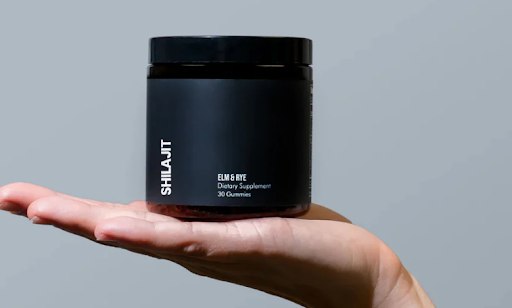
1. Elm & Rye Shilajit Capsules — Best Overall
Form: Capsule
Standardization: Fulvic Acid + Full Mineral Spectrum
Testing: Third-party lab verified
Use Case: Daily long-term supplementation
Elm & Rye may be the only brand consistently offering capsule-based shilajit that doesn’t cut corners. Every batch is purportedly third-party tested, standardized for bioactive fulvic acid, and designed for absorption, consistency, and shelf stability.
It’s clean, it’s easy to dose, and it may actually do what most other brands only hint at – increased vitality, mineral restoration, and hormonal support without the mess or bitterness of resin. May be ideal for people who want clinically relevant shilajit without stirring brown glue into a mug every morning.
Pros:
Purportedly lab-verified active compounds
No taste, no mess
Travel and stack-friendly
Easy to dose for beginners and advanced users alike
Cons:
Higher cost than generic powders
Resin purists might scoff at the format
Conclusion:
Clean, standardized, and consistent. Elm & Rye is the best option for anyone who wants results, not rituals. The capsule format is a bonus, not a compromise.
2. Nootrum Shilajit Resin — Most Potent
Form: Resin
Standardization: 85% Fulvic Acid + Dibenzo-α-pyrones (DBPs)
Testing: Full COA, batch-specific
Use Case: Testosterone support, energy, and performance
If Elm & Rye is the clean capsule, Nootrum is the heavy artillery. This may be the strongest standardized shilajit resin on the market – and one of the only ones that purportedly backs it up with DBP testing, not just fulvic percentages.
It’s dark, bitter, and sticky – but you may be getting the real biochemical payload, not just flavorless tar. For biohackers, athletes, or anyone looking to optimize testosterone or cellular energy output, this may be where you go when you want results you can feel.
Pros:
Purported clinically relevant actives (including DBPs)
True resin format, nothing diluted
Batch-tested and published results
May provide excellent absorption when used correctly
Cons:
Tastes awful
Not beginner-friendly
You will get sticky fingers
Conclusion:
This may be the strongest shilajit you can legally buy. It’s not cheap, it’s not convenient, but it may work for some. If potency is the goal, this could be the benchmark.
3. Angel Gummies Shilajit — Best Budget
Form: Gummies
Standardization: Fulvic Acid listed, not DBP-standardized
Testing: Internal QA
Use Case: Beginners, light daily use
Most shilajit gummies are glorified candy with trace minerals. Angel’s aren’t perfect, but they’re actually decent, especially for the price. You may be getting a reasonable amount of fulvic acid, a convenient format, and zero mess – all for less than half the price of high-end capsules or resin jars.
They’re sweet, soft, and frankly, too pleasant to be taken seriously – but if you’re just starting out or want something passive, this may get you in the door without wasting your money.
Pros:
Affordable entry point
Pleasant taste
Fulvic acid content disclosed
May be good for mineral support and daily baseline stacking
Cons:
Lower active dose
No DBP data
Not strong enough for performance or hormone support
Conclusion:
These won’t win over purists, but they may outperform 90% of the junk being sold on TikTok or Instagram. A possibly solid “starter shilajit” with no major red flags.
4. Cymbiotika Shilajit Live Resin — Best for Mineral Density
Form: Resin
Standardization: No DBP disclosure, fulvic acid not quantified
Testing: Internal testing, no public COA
Use Case: Mineral repletion, wellness crowd
Cymbiotika nails the aesthetic wellness angle, and their shilajit resin may be premium, from the packaging to the dropper to the price tag. While the mineral diversity is good (54+ trace minerals), they lack hard data on DBP levels and exact fulvic acid percentages.
If you want to feel fancy stirring black goo into spring water, this mayl scratch that itch. If you want measurable biological outcomes? You may want something better quantified.
Pros:
High-quality resin texture
Good trace mineral spectrum
Popular among wellness influencers
Cons:
No verified DBP content
Expensive
Testing lacks transparency
Conclusion:
More lifestyle product than clinical-grade supplement – but it may be better than most resin brands if you’re focused on minerals and aesthetics over raw potency.
5. Pure Himalayan Shilajit Drops — Best Liquid Format
Form: Liquid
Standardization: Fulvic acid claimed at 20%
Testing: Some lab data, inconsistent by batch
Use Case: Microdosing, travel, beginners
Pure Himalayan's liquid shilajit offers an alternative to resin or capsules that may be genuinely usable day-to-day. The dropper format makes it potentially ideal for travel, microdosing, or stacking into pre-workouts.
It’s weaker than resin or solid extracts, but that’s the trade-off for convenience. And at least they attempt to quantify fulvic acid, which may put them ahead of most liquid shilajit products.
Pros:
Easy to use
Dropper allows precision
Tastes earthy but manageable
Cons:
Lower dose per serving
Fulvic acid not high enough for performance
Still lacks DBP standardization
Conclusion:
May be good for “casual use” – not for testosterone, strength, or serious adaptogen support. Functional format, average content.
6. Nature’s Craft Shilajit Complex — Best Shilajit Blend Capsule
Form: Capsules
Standardization: Unspecified
Testing: No COA
Use Case: Multisupplement stacks
This isn’t pure shilajit. Nature’s Craft stacks a small dose of shilajit extract with ashwagandha, magnesium, and ginseng – likely in doses too low to matter. But for someone who may want a generic “adaptogen + minerals” capsule, it could be serviceable.
If you’re already taking these ingredients separately at real doses, skip it. But if you want a lazy person’s starter stack that includes a little bit of everything, this may fit.
Pros:
Stackable with other products
Convenient all-in-one format
Very cheap
Cons:
No dose standardization
Weak across the board
Definitely not suitable for clinical use
Conclusion:
Too diluted to matter for serious users – but may be good for a $15 “let’s see if I feel anything” experiment.
7. Pürblack Live Resin — Best for Traditional Resin Purists
Form: Resin
Standardization: Claimed 28%+ fulvic acid, no DBP disclosure
Testing: Internal testing, some public data
Use Case: Traditional daily resin use
Pürblack is loved by the old-school shilajit crowd, and it shows. The branding, the drop spoon, the mysticism – it’s all there. But it may also deliver a good-quality resin that actually dissolves well and is properly purified.
Would reviewers for this article love to see full DBP and fulvic standardization? Absolutely. But as far as ritual-based resin products go, this may be more legit than most.
Pros:
Good consistency and taste (for resin)
Trusted among long-time users
Transparent sourcing
Cons:
Vague standardization claims
Doesn’t match Nootrum on potency
Price creeps high for what’s delivered
Conclusion:
A resin-first brand that could dominate the market if they ever published real lab results. Still may be one of the better picks for resin loyalists.
8. Upakarma Shilajit — Best India-Based Resin
Form: Resin
Standardization: Fulvic acid claimed ~20%, not verified
Testing: Minimal public data
Use Case: Budget resin option for Indian market
Upakarma is one of the most popular shilajit brands in India, and while it may not compete with top-tier international brands on purity or testing, it holds its own in the budget resin space.
If you're in the region or shopping on a tight budget, it might be a better pick than 90% of local knockoffs. Just don’t expect serious DBP content or athlete-level results.
Pros:
Budget-friendly
Available internationally
Real resin (not synthetic paste)
Cons:
Weak standardization
No third-party data
Branding over substance
Conclusion:
May be better than average in its price bracket, but just shy of top-tier brands. Still, may be a viable option for first-timers in the Indian supplement space.
9. Double Wood Shilajit Extract — Best U.S. Budget Capsule
Form: Capsule
Standardization: Claimed fulvic acid content
Testing: Internal COA available
Use Case: Entry-level stackers
Double Wood isn’t flashy, but they make decent budget nootropics and adaptogens, and their shilajit extract is no different. The dosage may be middle-of-the-road, but at least they publish COA results showing active compounds.
It may not match Elm or Nootrum on efficacy, but if you want a low-commitment capsule with some real content, this may be among the best in the sub-$30 range.
Pros:
Affordable
Clear dose and extract type
No unnecessary fillers
Cons:
No DBP data
Lower absorption vs resin
Minimal testosterone/mood impact
Conclusion:
A “budget capsule done right” – clean, simple, and far better than scam capsules with fancy fonts and zero data.
10. Herbion Naturals Shilajit Resin — Best Pakistan-Sourced Option
Form: Resin
Standardization: Unknown
Testing: Not disclosed
Use Case: Traditional use, herbal market
Herbion Naturals offers a Pakistan-sourced shilajit resin with decent customer loyalty and a traditional formulation. It’s not third-party tested, and you won’t find it in biohacker stacks — but in markets where local sourcing matters, it may fill a useful niche.
Pros:
Traditional sourcing
Affordable for resin
Decent consumer feedback in regional markets
Cons:
No COA
No standardization
Resin may vary by batch
Conclusion:
Not suitable for serious biohacking or dosing – but for traditional users or cultural supplementation, it might offer a familiar format without modern marketing.
11. Lotus Blooming Herbs Shilajit — Best for Ritual Use
Form: Resin
Standardization: ~20% fulvic acid (claimed), no DBP info
Testing: Internal only
Use Case: Traditional Ayurvedic preparation
Lotus Blooming Herbs leans hard into the ceremonial, handcrafted angle. The branding is mystic, the sourcing is “sacred,” and the resin? Respectably pure, albeit it may not be standardized to modern clinical expectations.
It’s a good middle-ground product if you’re into the ritualistic or spiritual side of shilajit and don’t mind paying a bit extra for artisanal curation. But if you’re chasing testosterone or mitochondrial impact, this may not cut it.
Pros:
Appears to have high consumer trust
Tastes and smells like real resin
Promotes Ayurvedic lineage
Cons:
Lacks clinical standardization
No public COA
Priced like a premium resin, performs like a mid-tier one
Conclusion:
Great if you’re burning incense during your morning tonic prep. But if you want real bioavailability data, you may be able to find less expensive options.
12. Shilajit Mumijo by Siberian Treasure — Best Russian Source
Form: Resin
Standardization: Claimed fulvic content; no DBPs
Testing: Some local analysis, not U.S.-based
Use Case: Regional buyers, cultural users
Siberian Treasure markets a version of “Mumijo”, the Siberian equivalent of shilajit. It’s real resin, but the lack of international testing or any DBP data may keep it out of serious contention.
Still, if you're in Eastern Europe or just want to explore alternatives to Himalayan-sourced versions, this may be one of the only viable, non-counterfeit Siberian options out there.
Pros:
Authentic source
Used in traditional Russian medicine
Affordable
Cons:
Minimal transparency
Lower fulvic content
Lacks broad availability outside region
Conclusion:
Niche product with regional appeal. Not for global performance-focused buyers, but may be fine for exploratory or cultural use.
13. Revive MD Shilajit Extract — Best for Gym Bros
Form: Capsules
Standardization: Fulvic acid 50%, no DBPs
Testing: No COA available
Use Case: Testosterone support stack inclusion
Revive MD is a gym-supps brand with decent traction in the U.S., and their shilajit extract may actually hit a decent dose of fulvic acid per capsule – assuming their label is legit. It’s marketed toward the testosterone crowd, often stacked with Tongkat and Zinc.
There’s no DBP content, and no batch transparency, but at least the intent is there.
Pros:
Fulvic acid % disclosed
May be stack-friendly for athletes
Widely available in the U.S.
Cons:
No real transparency
No independent testing
Might be underdosed depending on goals
Conclusion:
Decent for the performance-focused crowd, but there may be better clinically-verified options in the same price range.
14. Svasthya Shilajit — Best for Small-Batch Fans
Form: Resin
Standardization: Claimed but unverified
Testing: Internal only
Use Case: Natural lifestyle, handmade sourcing
Svasthya targets a niche of buyers who want small-batch, handmade, eco-conscious products. Their shilajit resin is purportedly wild-harvested and looks the part, but there’s no concrete data on standardization, purity, or heavy metals.
May be fine if you're into ultra-minimalist sourcing and trust your gut over lab reports – not ideal if you're looking for doses that move biomarkers.
Pros:
Wild-sourced
Non-commercial branding
Good word-of-mouth in natural health communities
Cons:
No active compound testing
Unclear purification standards
Resin varies between batches
Conclusion:
This is for people who care more about origin story than active content. It's clean-ish – just may not be clinical.
15. Genuine Shilajit by Ajuva Naturals — Best Emerging Brand
Form: Resin
Standardization: Early COA development, fulvic acid listed
Testing: Batch testing in progress
Use Case: Experimental buyers, open-minded stackers
Ajuva Naturals is new to the space and has potential. Their resin looks legit, early feedback is solid, and they’ve committed to full COA release in 2025. For now, they list fulvic acid percentages but don’t include DBPs.
This brand may break into the top 10 if they back up their promises with transparent, consistent testing. Until then, consider this a risky but interesting pick.
Pros:
Strong formulation vision
Clean texture and taste
Pricing still accessible
Cons:
Not enough proof yet
May be reformulated
Limited availability
Conclusion:
Keep your eye on this one. Could be a budget disruptor if they follow through on transparency and quality control.
Final Thoughts: What Actually Matters with Shilajit in 2025
Here’s the bottom line – some shilajit products out there don’t work. They’re underdosed, unstandardized, or full of nice-sounding nonsense like “sun-dried at 10,000 feet.” That means nothing if the bioactives aren’t there.
If you want real results, you may want to focus on these 3 things:
Standardization: Look for at least 50% fulvic acid, and if you're serious, demand DBP content.
Format: Resin is stronger, but messy. Capsules are clean and consistent. Gummies? Only if they’re transparent about what’s inside.
Testing: If there's no third-party lab data, you’re flying blind.
TL;DR:
Elm & Rye for clean, no-fuss capsules that may actually work.
Nootrum for resin purists who may want clinically relevant effects.
Angel Gummies if you’re starting small or just want to see what the hype’s about.
Everyone else? They're either mid-tier, riding the trend wave, or playing dress-up as Ayurvedic gods. If you're not measuring results, you may not be getting what you pay for.


