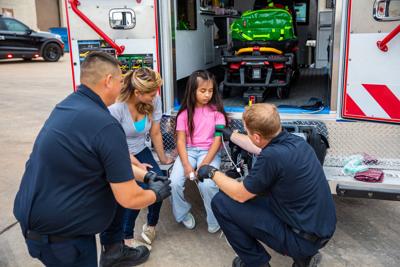


Every year, millions of children across the United States are hurt in ways that could often have been prevented. Some of these injuries happen at home, some may occur at school or on a playground, and others may take place on the road or while children are in the care of parents or other adults. Serious injuries can cause lasting harm to children, and some tragically result in death. When children have been injured, parents or other caregivers may be left wondering whether someone can be held accountable for what happened.
Leading Causes of Nonfatal Injuries in Children
According to data compiled by the Centers for Disease Control and Prevention (CDC), falls are the leading cause of nonfatal injury for children. Every day, around 8,000 children receive treatment in emergency rooms for fall-related injuries.
Motor vehicle accidents are another common cause of non-fatal injuries. Around 150 children receive treatment in emergency rooms every hour for injuries that occur in car accidents. Children are also commonly injured by being struck by objects or being struck against objects or surfaces. These incidents can lead to head injuries, broken bones, and other forms of harm.
People are also reading…
Other common sources of injury include drowning, suffocation, poisoning, and burns. Children who survive drowning or suffocation may suffer brain injuries. Poisoning may occur when children are exposed to toxic substances in the home or other locations. Burns can occur due to fires or electrocutions caused by defective products.
Violence is another issue that can affect children. Around 1,300 children receive treatment in emergency rooms every day for non-fatal assault injuries. These incidents may involve domestic violence, bullying, or other incidents in which children are targeted for violence.
Leading Causes of Fatal Injuries in Children
Many of the same issues that lead to non-fatal injuries can result in death. Unintentional injuries are one of the leading causes of death for children. These include fatal injuries in motor vehicle accidents, which led to nearly 3,000 deaths in 2024. Drowning (914 deaths), poisoning (638 deaths), fires (216 deaths), and suffocation (205 deaths) are also common factors in fatal injuries. Firearm-related injuries are a growing concern, accounting for 140 deaths in 2024. Children may be killed in school shootings, domestic violence incidents, or because of unsecured guns in homes.
Who May Be Held Responsible for a Child's Injuries?
When a child is injured, their parents may need to determine who can be held legally responsible. Depending on the situation, parties who may share liability for a child’s injuries include:
- Property Owners: Under premises liability laws, property owners or tenants are responsible for keeping their property reasonably safe for visitors. If a child is injured due to a hazard such as an unsecured pool, broken stairs, exposed wiring, or toxic substances, the property owner may be held liable.
- Product Manufacturers: When a defective toy, piece of furniture, or safety equipment causes a child to suffer harm, product liability laws may allow a family to pursue a claim against the manufacturer or distributor of the product.
- Drivers: Motor vehicle collisions can occur when drivers violate traffic laws or drive unsafely. A person who was responsible for causing an accident may be held liable for injuries suffered by a child passenger, pedestrian, or bicyclist.
- Animal Owners: Children can be seriously injured when dogs bite or attack them. In these cases, a dog’s owner may be held liable for the injuries caused by their animal.
- Schools and Caregivers: Children may suffer injuries while at schools, daycare centers, or in other situations where they are in the care of people other than their parents or family members. A school or caregiver may be held responsible for their failure to properly supervise a child, their failure to maintain safe conditions, or other forms of negligence that led to an injury.
When Parents May Be Found at Fault for Children’s Injuries
In some situations, a parent or legal guardian may be found responsible for a child's injuries. In cases involving negligent supervision where a parent failed to ensure that a child was protected from preventable danger, they could face criminal charges or other penalties. These situations may involve a parent who left a young child unattended near a swimming pool, a family member who failed to secure firearms in their home, or claims of child abuse or neglect. When a parent's actions or failure to act have allegedly caused a child to suffer an injury, state agencies and courts may take action to protect the child.
How a Finding of Parental Fault May Affect Child Custody
If a parent is found to be responsible for a child's injury due to abuse, neglect, or a failure to ensure that the conditions in a home were safe, this issue may be raised in child custody proceedings. When addressing child custody, family courts will focus on protecting the best interests of children. They may consider whether a parent can provide a safe environment for children, and evidence of negligent supervision or abuse could lead to restrictions on child custody.
In some cases, a court may limit a parent's time with their child, or supervised visitation may be required. In serious cases involving allegations of child abuse or situations where a child is at risk of serious harm, a parent may lose their parental rights altogether.
Legal Help in Cases Involving Child Injuries
When a child has suffered an injury that was caused by negligence or intentional actions, an experienced attorney can help a family understand how to proceed. They can review the circumstances of the injury, gather evidence, and determine who was responsible. A personal injury lawyer can assist with a claim against a property owner, a product manufacturer, a negligent driver, a school, or another liable party. In cases where a parent faces accusations of child abuse, neglect, or other concerns that may affect their parental rights, a family law attorney can provide guidance on how matters related to child custody may be handled.