


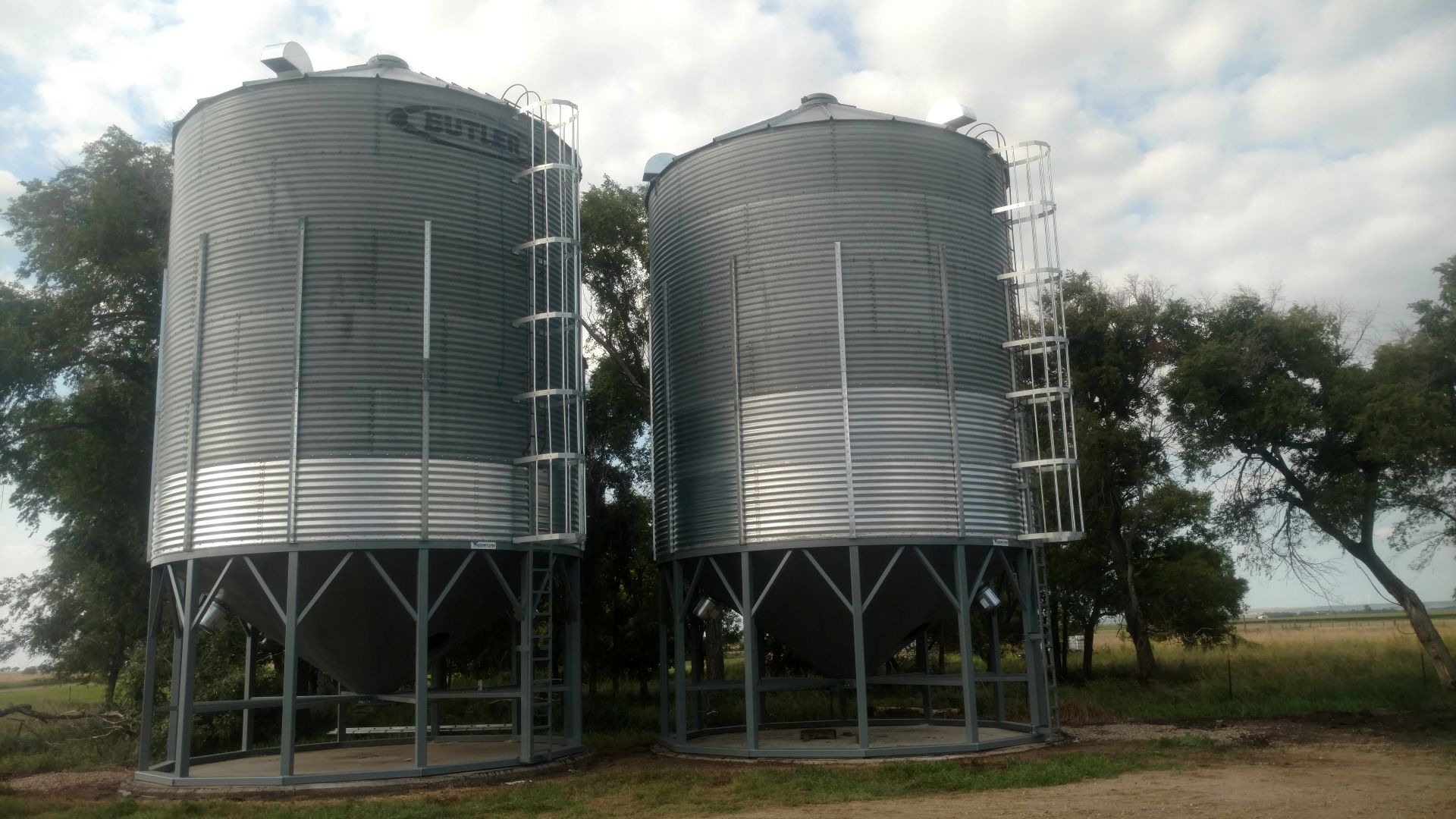
When harvest season arrives, the last thing any farmer needs is a storage crisis. Yet every year, agricultural operations face the same challenge: how to efficiently store and manage grain without losing quality or money. The answer often lies not in buying more bins, but in making existing storage work harder.
HOPPERCONE, an Iroquois manufacturer, has built its reputation on solving this exact problem. The company specializes in heavy-duty steel hopper bottom grain bins designed for both new installations and retrofitting existing structures. For farmers and agricultural facilities across the Midwest, this means turning underperforming storage into efficient, gravity-flow systems.
The Real Cost of Poor Grain Storage
Most grain storage problems share common roots. Flat-bottom bins require extra labor and equipment to empty. Moisture collects in corners. Grain quality deteriorates. Time and money drain away with every bushel that sits too long or moves too slowly through the system.
Hopper bottom bins address these issues through simple physics. The conical design directs grain downward naturally, eliminating dead spots where moisture and pests can take hold. Complete drainage means less waste and faster turnaround between loads. For operations running tight margins, these practical advantages translate directly to the bottom line.
Built for Agricultural Reality
Agricultural equipment faces brutal conditions. Temperature swings, moisture, constant loading cycles—storage systems must withstand years of heavy use without failure. HOPPERCONE manufactures steel hoppers engineered for this environment, focusing on durability rather than shortcuts.
The company serves diverse customers, from family farms to large-scale millwrights handling complex industrial installations. Each application demands specific solutions. A dairy operation needs different grain handling capabilities than a commercial feed mill. Retrofit projects require precision measurements to integrate new hoppers with existing bin structures.
This specialization in agricultural and industrial applications sets the manufacturer apart. The team understands that downtime during harvest costs money. Installations must work correctly the first time, and equipment must perform reliably season after season.
Converting Existing Storage
Many operations already own substantial storage capacity—it just doesn't function efficiently. Grain bin conversion offers an alternative to expensive new construction. By adding a properly designed hopper bottom to an existing flat-bottom bin, farmers can improve flow characteristics and drainage without starting from scratch.
The retrofit process requires careful engineering. Wall angles, outlet sizing, and structural reinforcement all affect performance. Done correctly, a converted bin can match or exceed the efficiency of purpose-built hopper storage. Done poorly, it creates new problems.
HOPPERCONE's focus on both new and retrofit applications means the company brings conversion expertise to every project. Understanding how to integrate steel hoppers with existing structures requires knowledge of both old and new construction methods.
Regional Manufacturing Advantage
Location matters in agricultural manufacturing. Iroquois sits in the heart of grain country, where the company's team understands regional farming practices and storage challenges firsthand. This proximity to customers shortens lead times and simplifies communication during project planning.
Midwest grain bins face specific environmental stresses—freeze-thaw cycles, high winds, and the corrosive effects of stored grain. Manufacturing equipment locally means designing for these known conditions rather than generic specifications.
Making Storage Decisions
Choosing grain storage solutions requires balancing immediate costs against long-term performance. The cheapest option rarely proves economical over a 20-year lifespan. Quality steel fabrication, proper drainage design, and structural integrity determine whether a hopper bottom bin becomes a reliable asset or an ongoing maintenance headache.
Farmers and facility managers considering hopper bottom grain bins should evaluate several factors: current storage capacity, typical grain volumes, existing infrastructure, and long-term operational goals. Sometimes a complete new bin makes sense. Other times, converting existing storage delivers better return on investment.
Agricultural operations benefit from working with manufacturers who understand these variables and can recommend appropriate solutions rather than simply selling standard products.
Ready to Improve Your Storage System?
Whether planning new construction or considering grain bin conversion, HOPPERCONE offers the specialized manufacturing expertise agricultural operations need. The company's focus on heavy-duty steel hopper bottom grain bins for diverse applications means customers work with a team that understands both the equipment and the industry.
Visit hoppercone.com to learn more about grain storage solutions built for agricultural reality.


