


According to the American Academy of Ophthalmology, it has been estimated that by age 75 about 50% of people will have cataracts. Let’s discuss a few things about cataracts and how they are treated.
What is a cataract?
A cataract is when the lens of the eye becomes cloudy over time, and interferes with your vision. Often, this change happens slowly over a period of years. It can also happen more rapidly, and can be associated with certain medications, trauma, systemic diseases or prior eye surgery.
What are the symptoms of cataract?
A cataract causes your vision to become blurred, dim or discolored. It has been described as “similar to looking through a dirty window” or a “foggy” appearance to the vision. Colors can appear diminished or muted. Night time can seem darker, and oncoming headlights may produce significant glare. As the condition progresses, it may not be possible to improve your vision with glasses.
People are also reading…
What can be done to treat cataracts?
Early on in the development of cataracts, changing your glasses prescription may help you to see better. When your vision can no longer be improved with glasses and is interfering with your ability to enjoy your daily activities, it may be time to discuss whether surgery for your cataract could improve your vision.
What is cataract surgery?
Cataract surgery is the removal of your cataract (the cloudy lens inside your eye) and replacement with an artificial lens implant. Cataract surgery is an outpatient procedure, and you return home the same day as your surgery. The procedure may typically take from 15 to 30 minutes, and you will need to use prescription eye drops for a few weeks following the procedure. Most people notice improvement in their vision within the first week following surgery.
Are there different types of cataract surgery options?
There have been a number of advances in the technology surrounding cataract surgery. The type of artificial lens that is implanted can sometimes be used to correct some forms of astigmatism. Additionally, laser surgery in combination with advanced technology lenses can be used to reduce dependence upon glasses. You should discuss whether you are a candidate for these types of procedures with your eye surgeon.
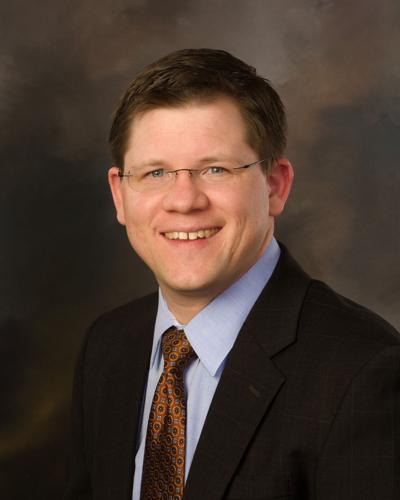
Dr. Martin O’Malley is a Board Certified Ophthalmologist with Eye Surgeons Associates. His specialty interests are in the surgical treatment of cataracts with the latest techniques and comprehensive ophthalmology. For more information, please see our website: www.esaeyecare.com.
The material contained in this article is for informational purposes only and is not intended to be a substitute for professional medical advice, diagnosis, or treatment. Always seek the advice of your physician or other qualified health care provider.


