


SIOUX CITY -- Tallgrass prairie is one of the most endangered ecosystems in North America.
“Grasslands used to cover all of Nebraska, all of Kansas, all of Oklahoma, all of Iowa, southern Minnesota, South Dakota,” said Dr. Jim Stroh, professor of biology at Morningside College. “If 98 percent of those are gone, what about the organisms that live there? A lot of them have disappeared.”
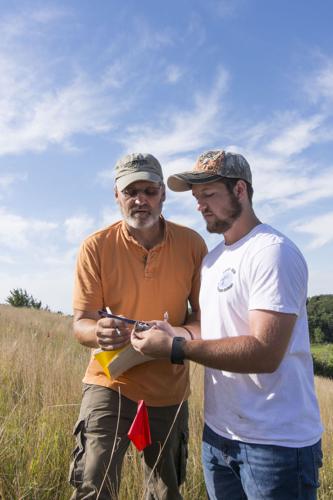
Stroh and student Logan Anderson spent the summer conducting a survey in the Loess Hills to see what small mammals and butterflies they could find in the tallgrass prairie.
Their project was part of the new Summer Undergraduate Research Program at Morningside College.
Professors worked one-on-one with students to conduct in-depth research projects, such as how and why brain cells die in Alzheimer’s disease, how to minimize the impact of the Zika virus, and how to produce plastic that could be used to repair cracks on a space station.
People are also reading…
“We have been doing undergraduate student research at Morningside for a long time and doing it very well,” said Dr. William Deeds, provost. “The one thing we didn’t have was an intensive, in-depth summer program focused on research for undergraduates.”
The program is unique because professors and students can focus solely on their research. They are even paid a stipend so they don’t have to work.
“I work full time throughout the school year,” said student Cody Hankerson. “Being able to have an entire semester to do something that you’re actually really passionate about was huge for me.”
Also during the summer, professors and students don’t have to balance their research with classes and extracurricular activities.
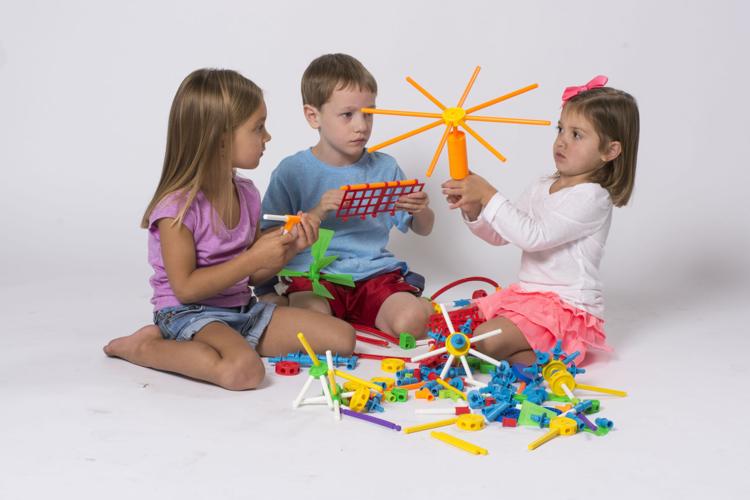
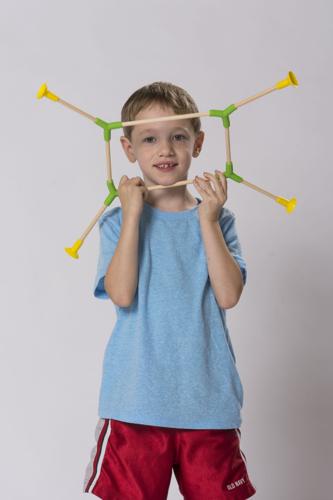
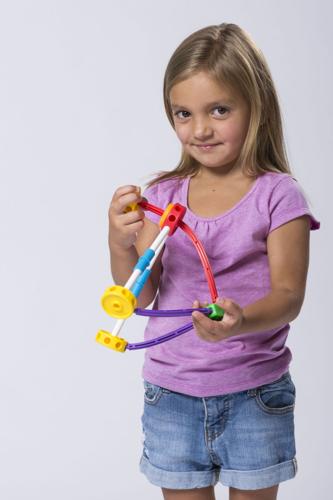
Dr. Jessica Pleuss, assistant professor of psychology, has been conducting research with student Emily Stewart to see whether construction toys improve children’s visual-spatial abilities, perhaps leading to more success later in math and science.
They assess children, send them home with toys and then assess them again a few weeks later. During the pilot study, which was spread out over an entire school year, they got a grand total of 10 participants.
“It was a good study and it was interesting, but it was really hard to get them to come in because we had to work around our schedules but also their schedules,” she said.
Over the summer, they went to six child care centers. This time they got 39 participants.
“It eases the burden on parents,” Pleuss said. “Pretty much all they have to do is fill out questionnaires and send them to child care, where they are already going anyway, and we can just go to the child care and assess the children there instead of them having to come into our lab.”
Stewart said the project was a great experience for her, especially because she wants to be a children’s counselor.
“It gives me more insight, just to know how to work with kids on a professional level, how to work with their parents,” she said.
To participate in the Summer Undergraduate Research Program, professors and students put together applications and submitted them to the Faculty Development Committee. Eleven proposals were submitted, and five were awarded funding for their research.
Participants met for an opening session, got together regularly for lunch and social activities, and then gave presentations at the end of the eight-week session. Now they are preparing to present their research at the Palmer Student Research Symposium or at regional or national conferences.
In fact, Stroh and Anderson just recently presented their research at the Midwest Fish and Wildlife Conference in Lincoln, Nebraska.
Stroh had never met Anderson when the student stopped by last spring wanting to put together an application for the Summer Undergraduate Research Program. Even so, he agreed right away.
“That’s how I started too,” Stroh said. “I starting working as a research assistant when I was an undergraduate, and I’m still very good friends with the professor that I worked with. Even though he’s long retired, we kept in contact afterwards. He wrote me letters of recommendation. I visited him in Texas. All that kind of stuff.”
Stroh said the easiest way to teach students how to conduct a biological survey – and how to correctly identify different species -- is to work right alongside them. Anderson said he was surprised he was able to work so closely with a professor as an undergraduate.
“Being able to draw from his experience and his knowledge, just kind of exposing me to the field of ecology and helping me try to figure out what I want to do with the rest of my life -- it was good to have someone else’s perspective and build that relationship,” Anderson said.


