

SOUTH SIOUX CITY | In a way, Big Ox Energy and South Sioux City were looking for each other. They just didn't know it.
South Sioux City was seeking renewable-energy projects.
Big Ox, which turns organic industrial waste into natural gas, was looking for an area site to build a plant.
The two made a perfect fit.
"They were looking in the area. They knew we were looking into renewable energy," South Sioux City Administrator Lance Hedquist said.
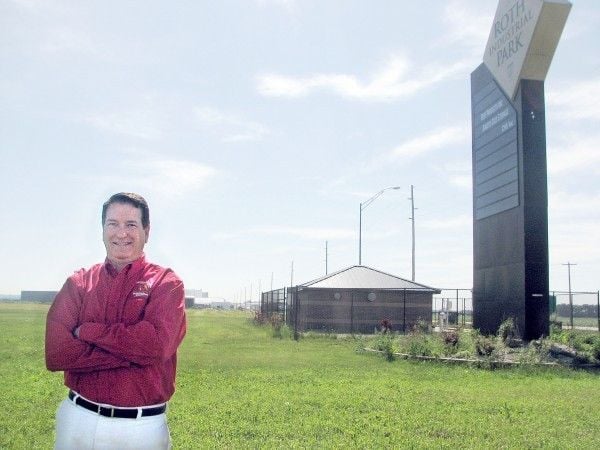
In January, the Denmark, Wis., based Big Ox announced plans to build a $30 million-$40 million plant on a 27-acre site it bought for $548,000 in South Sioux City's Roth Industrial Park. Construction of the 70,000-square-foot facility is expected to begin in late summer or early fall, with production slated to start in early 2016.
People are also reading…
"We look forward to a long-term relationship serving the residents of South Sioux City and several of the businesses in the surrounding area," Kevin Bradley, Big Ox's business development director, said at the time of the announcement. "This is an investment in long-term, sustainable waste treatment; it will keep costs low for both the city and local industry."
Big Ox, which operates one other site in Wisconsin, expects to create 20-30 jobs at the plant once it is fully operational.
Big Ox's technology includes an anaerobic digestion process that extracts organic waste nutrients to create methane. The clean-burning fuel is then sold into the natural gas pipeline for customer use.
The company takes industrial waste from plants and animals and converts it into natural gas. Food and beverage producers, pharmaceutical plants, other biofuel plants and grain manufacturers are common sources of raw material.
It won't have to look far for a waste stream. The Roth park is home to a number of ag-related industries that are large industrial waste producers, including Beef Products Inc., Richardson Milling and Natures BioReserve. The Tyson packing plant is nearby in Dakota City.
"Obviously, we have several components that make this a logical site to this company," Hedquist said.
Big Ox officials said they could also bring in waste from farther out and will focus on an immediate area within a 25-mile radius.
"This should be a great fit for the industries in the area, and the jobs they create are always a positive for the community as well," South Sioux City economic development director Kelly Flynn said in January.
Currently, all of South Sioux City's industrial waste is sent through pipes beneath the Missouri River for treatment at Sioux City's regional treatment plant. Once Big Ox is operational, the amount of industrial waste transported to Sioux City will drop.
Hedquist said businesses sending their waste to Big Ox will see a significant savings. Those waste producers currently pay surcharges for treatment and disposal of their waste.
The arrival of Big Ox will add diversity to South Sioux City's industrial base and also provide solid, high-paying jobs, Hedquist said.
"Our number-one goal is to attract companies that pay higher wages," he said. "This certainly accomplishes that."