


LE MARS — Scooping up BoDeans Baking Group of Le Mars was a no-brainer for the decision makers at Joy Cone Company, America’s largest ice cream cone producer.
The Hermitage, Pennsylvania-based company last fall purchased BoDeans, which makes cones, wafers and dessert crumbs.
Terms of the deal, which followed two years of negotiations, weren’t disclosed.
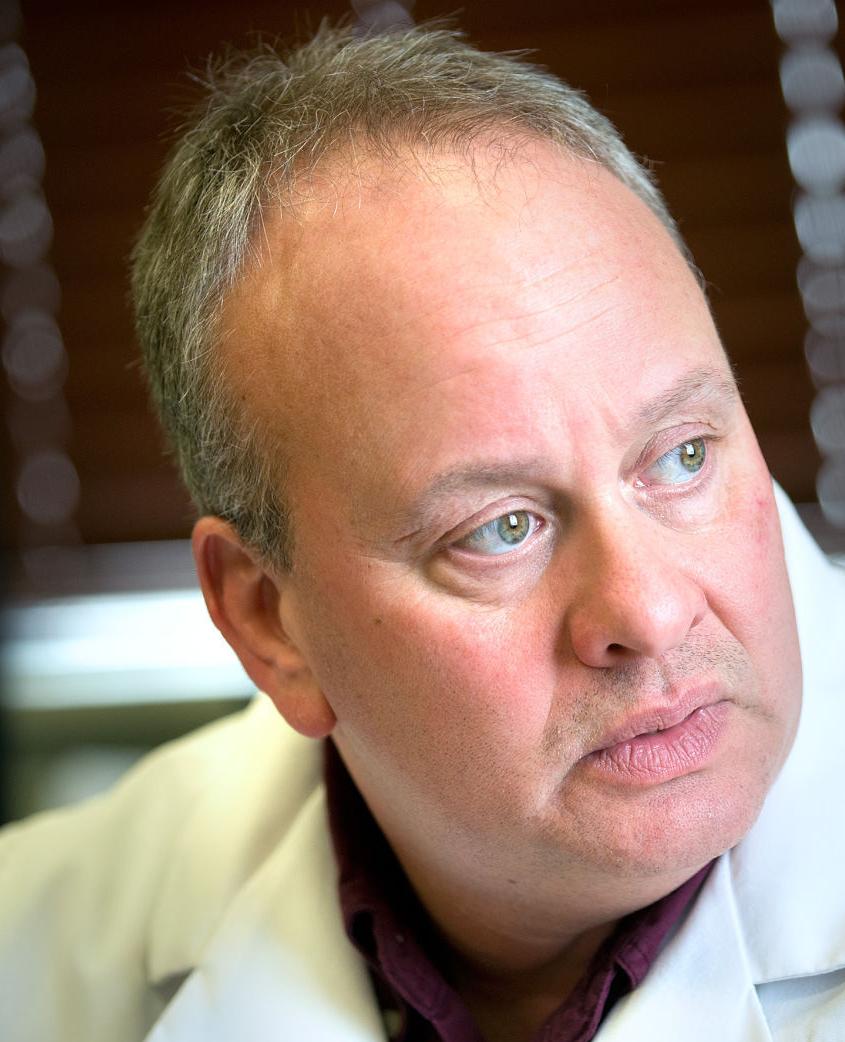
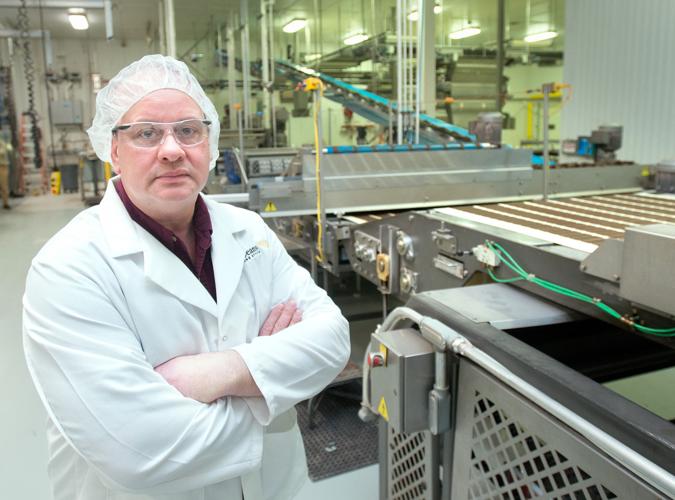
John Wilhelm, chief operating officer of BoDeans, said the transition has been “very good.”
“Joy Cone was the leader in their industry, which is retail and food service, and we were the leader in the novelty side, which is selling to large industrial dairies,” Wilhelm said. “So it was was a good merger to bring the two companies together.”
Wilhelm noted that even even before the merger, the two companies shared numerous similarities.
People are also reading…
“Believe it or not, the culture of the two companies were very similar: They both were privately held family-owned companies that put a real high value on employees,” he said. “BoDeans and Joy Cone both have a long history of taking good care of their employees.”
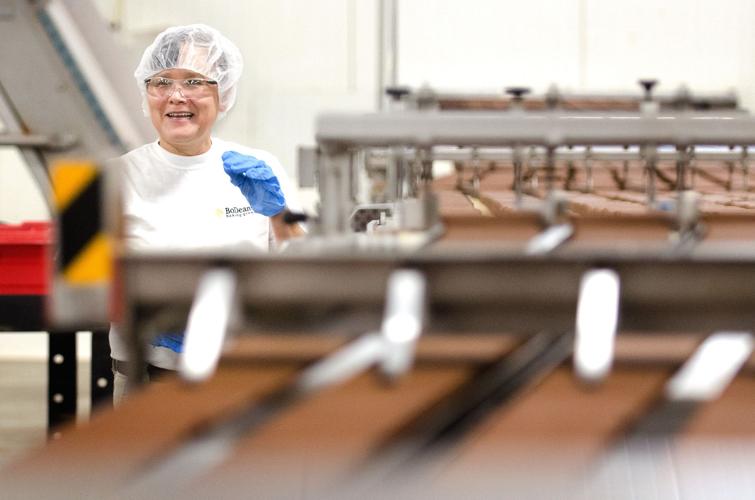
BoDeans has about 250 employees at its three sites in Le Mars, and no jobs were lost in the transaction. Additionally, the workers now own 100 percent of the company through an employee stock option plan that was a requirement of the deal.
Although Joy Cone has been around for nearly 100 years — the company was started in 1918 by Albert George, an immigrant from Lebanon — BoDeans was allowed to keep its brand identity after the deal was completed.
“BoDeans has a good reputation in the novelty industry, so all the novelty customers like Wells (Enterprises Inc., makers of the Blue Bunny brand) and Nestlé and Unilever (USA) know who BoDeans is just like how Joy Cone has their identity in retail and food service,” Wilhelm said. “If you go into a grocery store, you’ll predominately see Joy Cone on the shelf.”
Joining Joy Cone is part of a nearly two decade period of success for BoDeans, which was started by Dean Jacobsen and his wife, Bo, in February 2000. The company found success immediately and was listed as one of America’s fastest growing privately owned companies by Inc. magazine in 2005.
“The company has rapidly grown in 15 years, so it’s always on to another project,” said Wilhelm, who has been at BoDeans since 2002. “We pretty much started from nothing and turned the company into a very successful company.”
Although BoDeans has only been in business for 17 years, the company experienced significant growth during this time. The original cone manufacturing plant expanded from 20,000 square feet to 50,000 square feet within its first year of operation.
In 2004, BoDeans underwent another expansion and added another 25,000 square feet in manufacturing and warehouse space. The manufacturer added wafers to its production line in 2006 and built a 134,000-square-foot plant to support that endeavor.
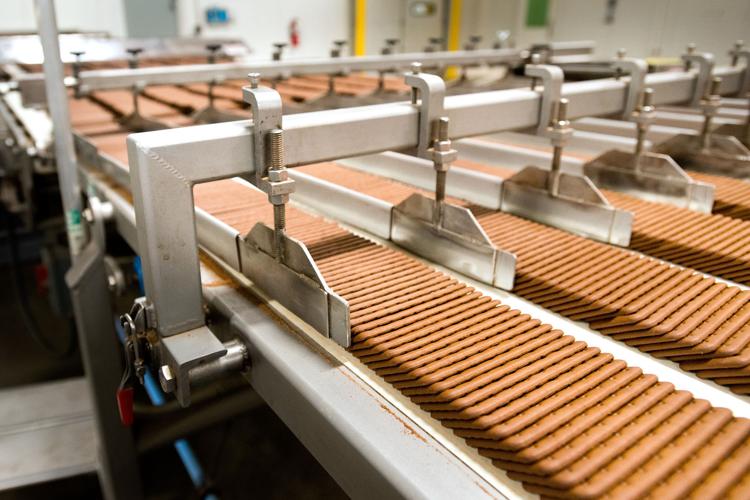
Over the next decade, BoDeans continued to grow and the original cone production facility is now 90,000 square feet, has 18 cone ovens and has an annual production capacity of 1 billion cones a year. The company also has the capacity to produce 50 million pounds of wafers and 15 million pounds of crumbs/inclusions annually.
Most recently, BoDeans acquired Altesa, Mexico’s largest cone producer, in 2013. The Altesa facility, which is located outside of Mexico City, also was included in the Joy Cone deal.
In addition to quality, Wilhelm laid out other basic reasons for BoDeans continued success.
“BoDeans entered the market with the premises of being a low-cost producer, so we always invested in the most current and modern technology and constantly upgraded our assets,” Wilhelm said. “We have a low overhead structure and self-directed work teams — we empower people to make decisions as a group — and we just work well from a cost standpoint.”
When executives from Joy Cone were visiting Le Mars during the negotiation process with BoDeans, one thing that impressed them most about the operation was the latter’s facilities.
“They’re first-class facilities and frankly that was one of the selling points,” Joy Cone CEO David George said in December. “Their operation is first rate — facilities and equipment are top of the line — and you can tell right away it’s a great operation.”
Like Wilhelm, George thought the two companies fit together really well.
“It was really a perfect match because it’s a product we understand and it gets us into a market that we always wanted to get into, but were unable to before,” George said.
Wilhelm noted joining forces also gives them a few advantages.
“Some of the benefits are you get to see how each company was doing things and share best practices,” he said. “Obviously, there’s things BoDeans did very well and there’s things Joy did very well and we got to look and analyze that and apply best practices in both facilities.
“Another advantage would be on the purchasing side because we essentially doubled the size of our company. It gives us a lot more purchasing power, so, hopefully, we can buy raw materials and ingredients better as a result.”