

WINNEBAGO, Neb. -- As Winnebago's Ho-Chunk Village nears capacity, a newer version of the development that transformed the town's north side has launched.
Aptly named Ho-Chunk Village 2.0, the 40-acre development will contain the same mixture of residential, commercial and light industrial buildings found in the earlier version, which is adjacent to the south.
The estimated $50 million development is expected to contain nearly 200 living units, with plans for 120 apartment units, 32 townhome units, 10 elder homes and 35 single-family homes.
"Ho-Chunk Village 2.0 is going to move at twice the pace of the first one, I think," said Lance Morgan, CEO of Ho-Chunk Inc., a development corporation owned by the Winnebago Tribe of Nebraska and project developer.
The first Ho-Chunk Village opened in the early 2000s, and its 40 acres are nearly filled. The development east of U.S. Highways 75/77 on Winnebago's north side has allowed for the addition of 115 housing units -- 51 single-family homes, including townhomes, duplexes and 10 senior housing units, and 64 multi-family housing units in apartments and condos. The development also includes a Dollar General store and other small businesses and light industries.
People are also reading…
As Ho-Chunk officials watched the development fill, they began funding and planning four years ago for the next development, which has come to be know as Ho-Chunk Village 2.0. The new development will have at least two apartment buildings, a couple mixed-use buildings with commercial space on the ground floor and apartments on upper floors and perhaps two light industrial buildings, said Dennis Johnson, Ho-Chunk Inc. chief investment officer.
"In the end, the community needs will dictate that," he said.
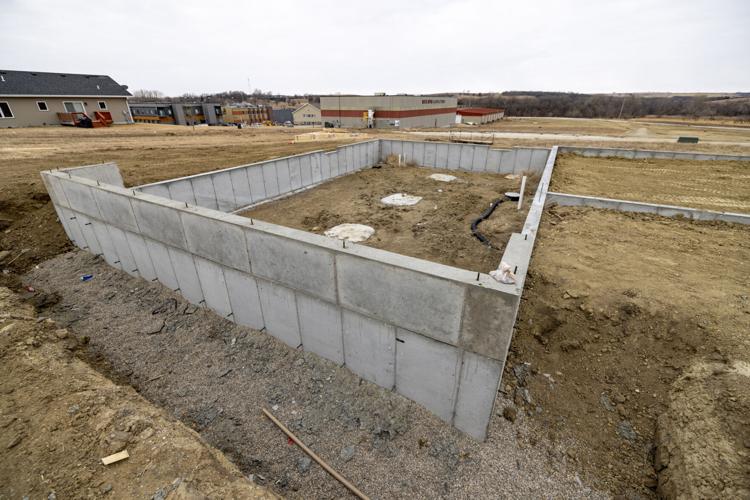
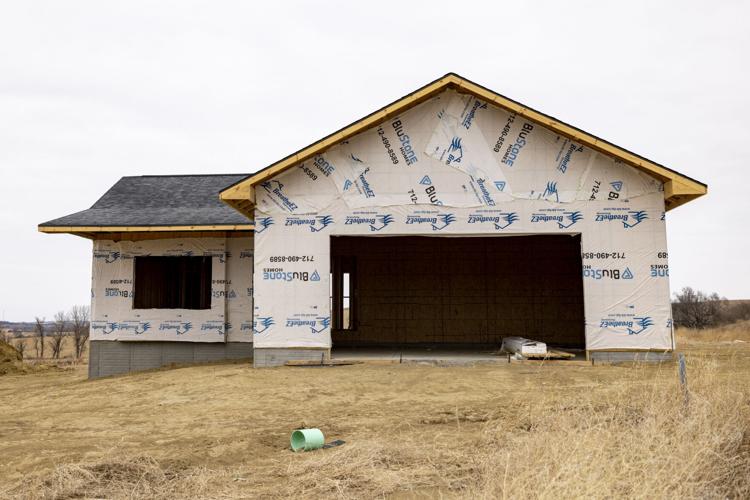
Most of the underground utilities have been installed, and some streets are paved. Ho-Chunk plans another $4 million investment this year to pave streets and sidewalks, install lighting and plant hundreds of trees.
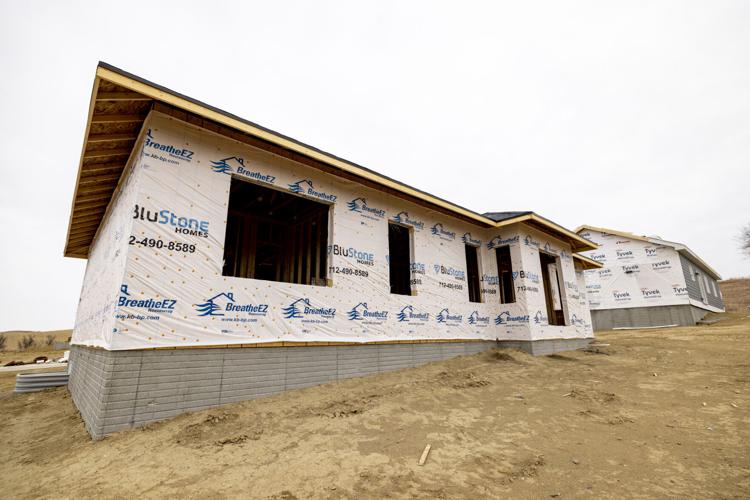
Construction of the 10 elder units is planned for this year, in addition to five duplexes, six houses and maybe one of the bigger buildings. The Boys and Girls Club of Winnebago also is looking at building a new facility there.
"We're pretty excited about getting that ramped up," Johnson said of all the planned construction. "It's absolutely needed for enhancing living conditions for many segments in Winnebago."
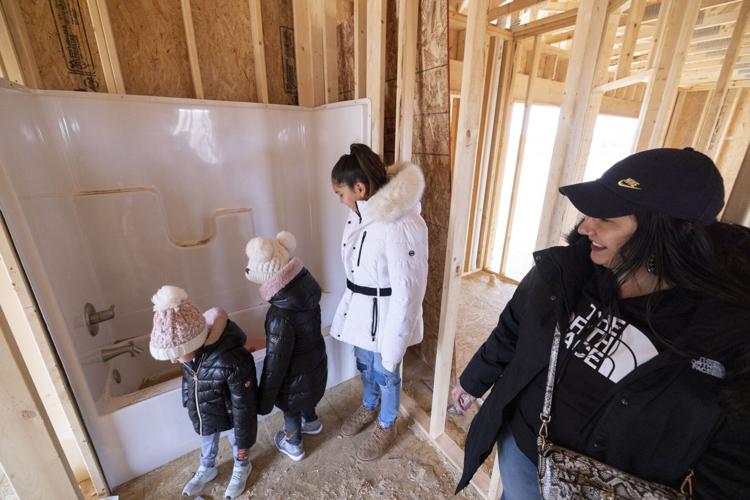
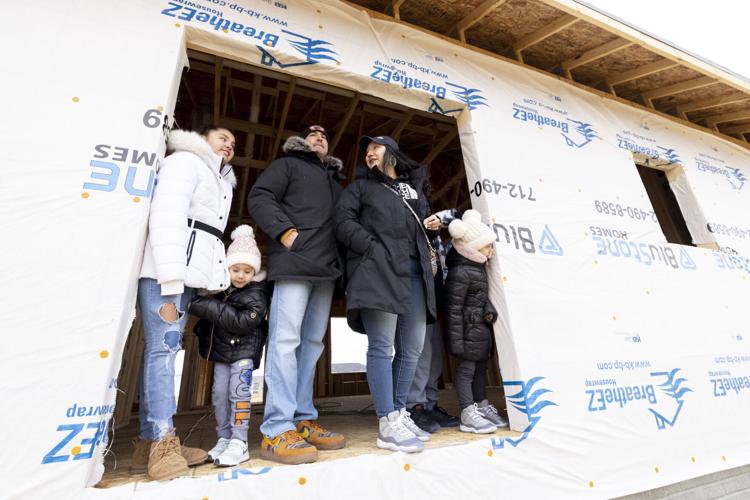
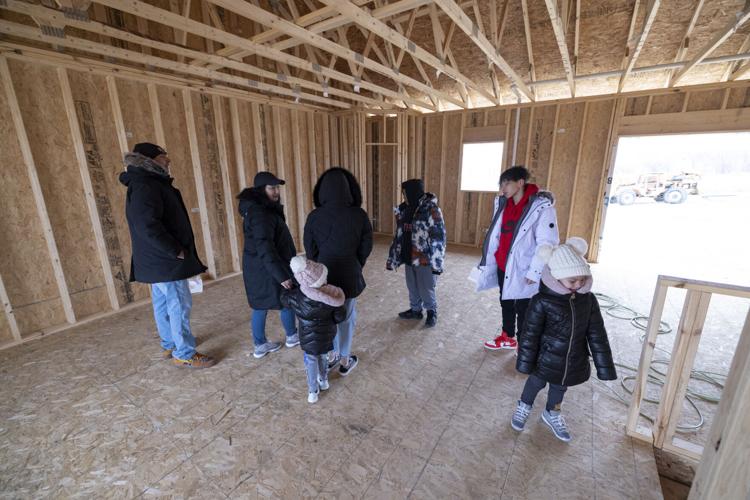
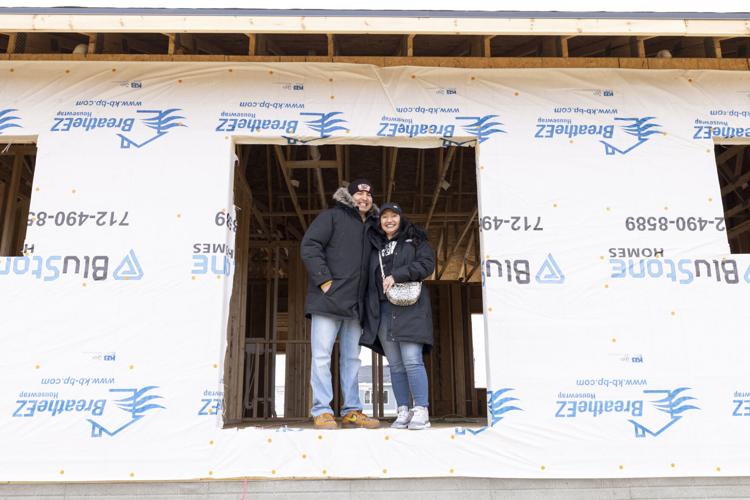
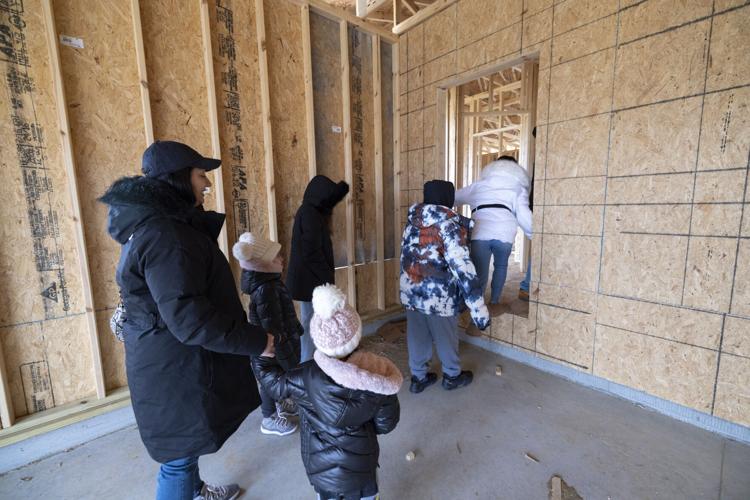
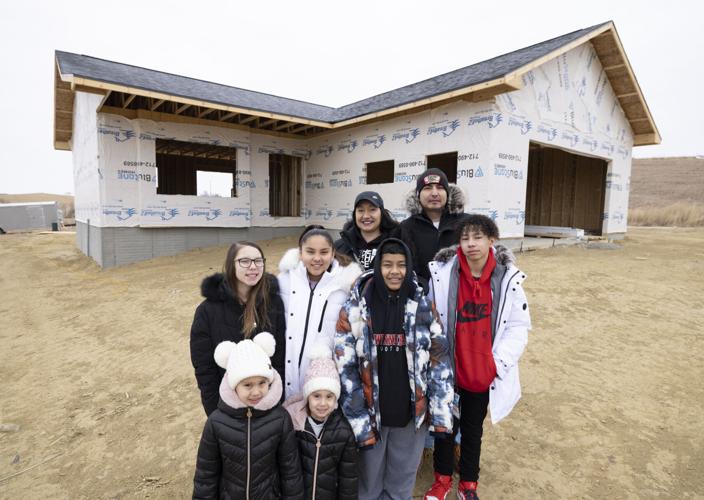
Five houses already are under construction, including one owned by Belle Bearskin, who currently lives in rental housing with her fiance Marcel Blackbird, and their six children. With little available housing in Winnebago and little land available to build on, Ho-Chunk 2.0 gave the couple the chance to own their first home, which should be finished in June.
"It's just a better quality of life to have more space for our children to grow, their own bedrooms and more bathrooms," Bearskin said. "My kids are so excited. I'm already packing."
Housing availability is a concern in this growing community, with as many as 200 households on the waiting list for tribal-owned housing.
"Having stable housing should not be as much of a hardship on the reservation, but it is," said Victoria Kitcheyan, Winnebago Tribal Council chairwoman. "We need housing opportunities for all."
Ho-Chunk 2.0 will add significantly to the number of homes available. As residents move into those new homes and apartments, it will open up current homes in town, enabling others to get off the waiting lists.
Smaller developments on Winnebago's south side also will add more housing stock to the community.
It's much needed. A lively birth rate and return of tribal members for jobs has led to a 30% growth in Winnebago's population to 2,000 people in the past seven years, Morgan said. He expects to see the population continue to climb as more of the tribe's 5,500 members return home. The tribe's median age of 18 means a lot more babies likely are on the way in coming years.
All the building going on will help ease Winnebago's housing shortage, Morgan said, but not eliminate it.
"All it's going to do is take a bite out of it," he said.
It's why preliminary plans are in the works for the development of another 80 acres adjacent to Ho-Chunk Village in another five years, Morgan said.