


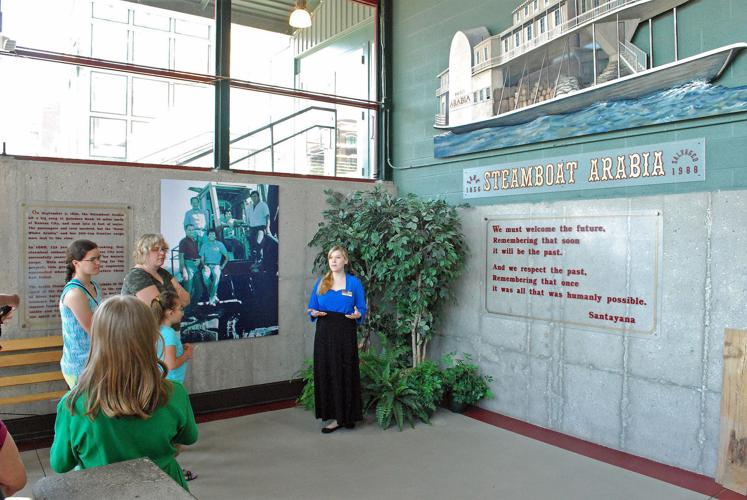
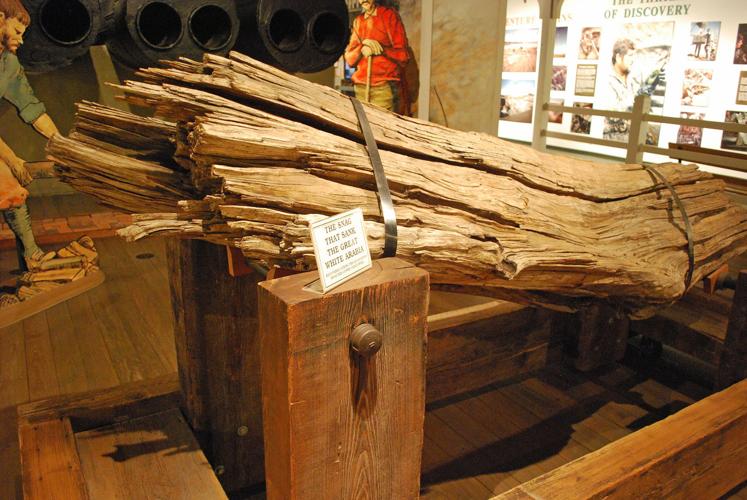
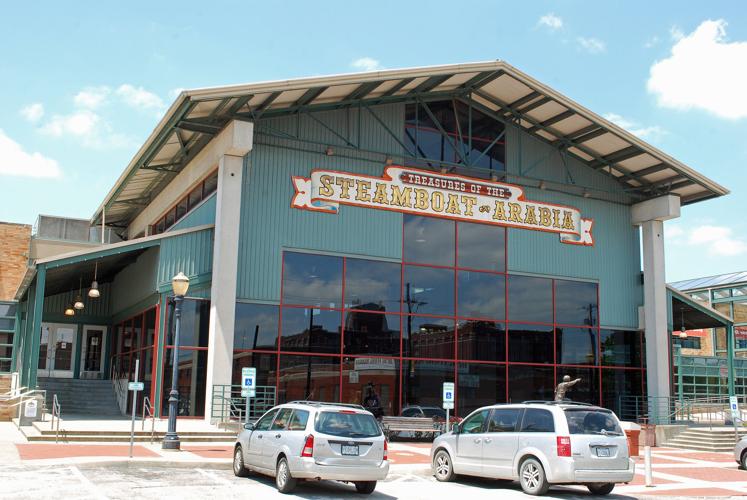
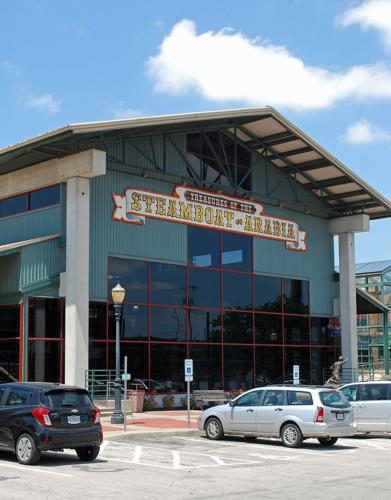
KANSAS CITY, Mo. – Back in the 1800s riding on a steamboat was a popular way to travel for many Americans. It was faster than other forms of transportation and it had the allure of adventure. But it could also be dangerous. Rivers were filled with snags, portions of trees that were many times hidden beneath the water just waiting to trap a boat. To some the risks were worth it. A steamboat could be built for as little as $15,000 and could earn as much as $80,000 in a single trip. But a Missouri River boat only had a lifespan of about three years, and many fell victim to snags or fire. One of those steamboats caught by a snag was the Arabia. The unique story of the Arabia and steamship travel on the Missouri is told at the Arabia Steamboat Museum in Kansas City.
On Sept. 5, 1856, the Arabia hit a snag in the Missouri River near Kansas City and quickly sank beneath the water with 200 tons of cargo. The Arabia was only one of many steamships to succumb to the hazards of river travel, according to Ashlee, an Arabia Steamship Museum tour guide. “Almost 400 steamships were lost in the river.” She said because of the recovery of the Arabia the museum has the largest collection of pre-Civil War artifacts in the nation. The museum offers visitors a glimpse into the lives of those hardy pioneers of the 1800s through objects used by ordinary people of the period.
People are also reading…
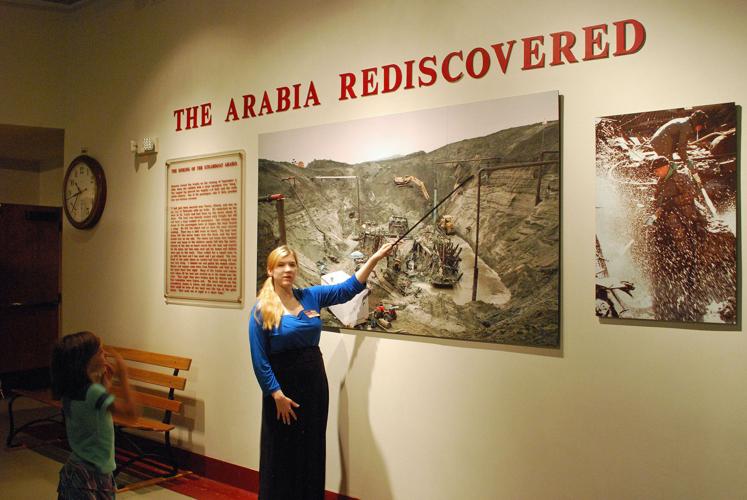
A visit to the museum begins with a guided tour that includes a short film telling the story of the discovery and eventual excavation of Arabia. The story is told by those who found the steamboat. It all began in the spring of 1987 when Bob Hawley, his sons Greg and David, along with family friend Jerry Mackey, began planning the project to unearth the steamboat that sank 130 years prior.
It was David who located the Arabia. Over time the river had changed course and the steamboat was now buried deep beneath a Kansas cornfield at least a half mile from the river. Finding treasure was nothing new to the group, who had previously explored abandoned mine shafts in search of gold.
The group gained permission from the land owner to dig up the sunken ship with the understanding the field had to be ready for spring planting. Throughout the summer and fall of 1988 they arranged their equipment, which included bulldozers, backhoes, well-drilling equipment and a 100-foot crane to move massive amounts of earth and water.
One huge problem was as they dug deeper the hole began to fill with water. It took 20 irrigation wells 65 feet deep that drained as much as 20,000 gallons per minute out of the hole and into the Missouri to keep the excavation from flooding.
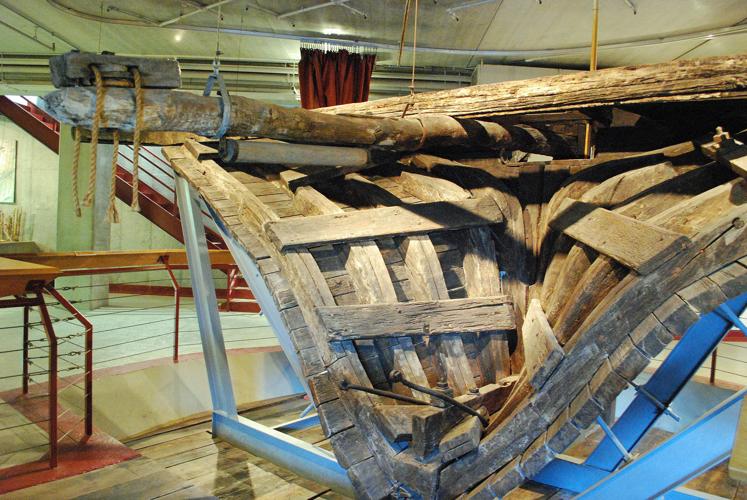
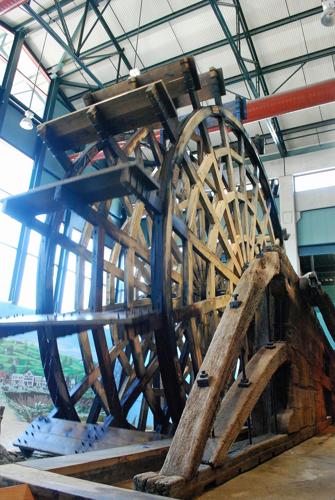
After two weeks of digging, the top of the Arabia’s paddlewheel was finally visible. An accurate replica of that paddlewheel is on display in the museum. “The original wheel was in bad shape and couldn’t be saved,” explained Ashlee.
More digging revealed the deck of the steamboat. “There were 200 barrels of Kentucky bourbon on the deck,” said Ashlee. “But I’m sorry to say they apparently broke free and floated down the river.” Also on the deck was the only casualty in the sinking of the steamboat. The excavation team discovered the skeletal remains of a donkey saddled and bridled with the bit clenched in its teeth. The owner of the mule had tied it to some heavy sawmill equipment and apparently didn’t have time to release the animal before the ship sank. The team felt sorry for the mule and gave it an appropriate name. Lawrence of Arabia.
Abel Kirk, one of the survivors aboard Arabia, told what it was like. “There was a wild scene on board,” Kirk told a reporter at the time. “The boat went down till the water came over the deck and the boat keeled over on one side. The chairs and stools were tumbled about and many of the children nearly fell into the water.” Even though the boat sank in less than 10 minutes, all 130 passengers and the crew survived.
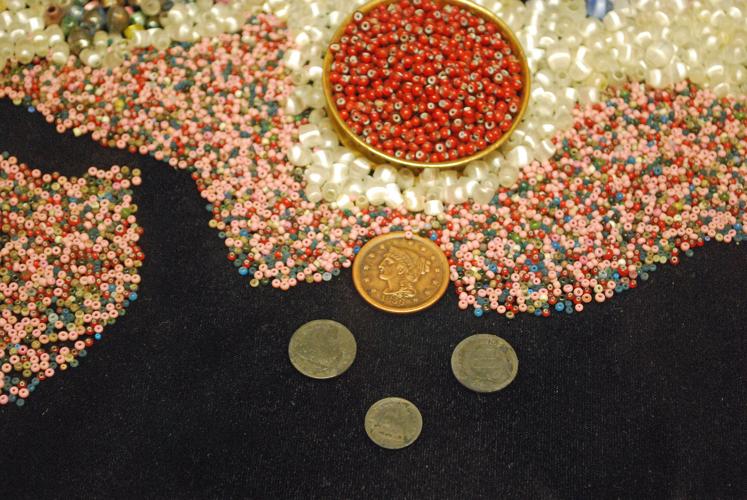
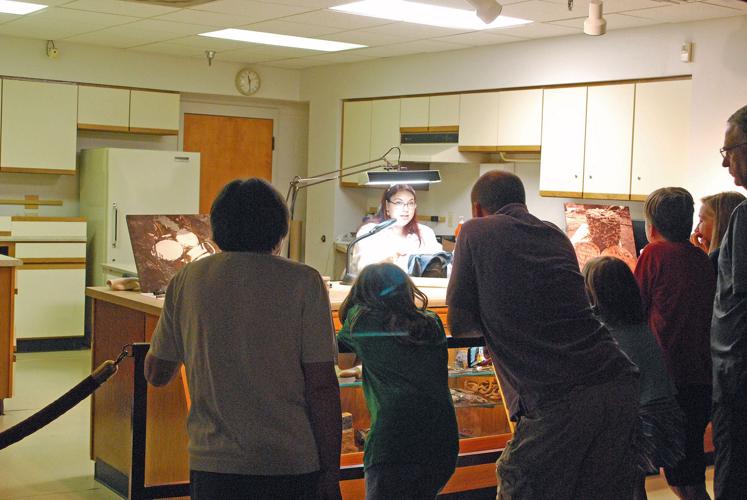
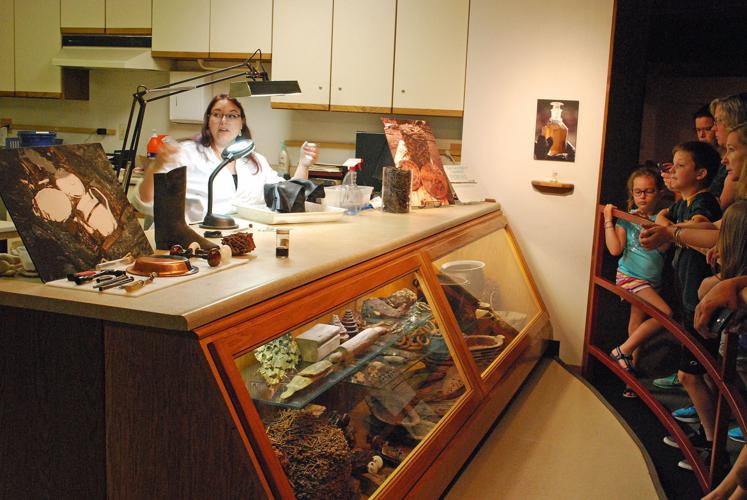
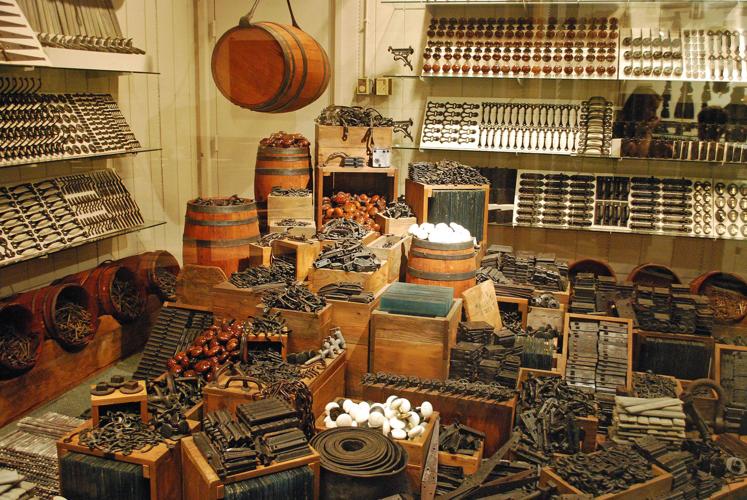
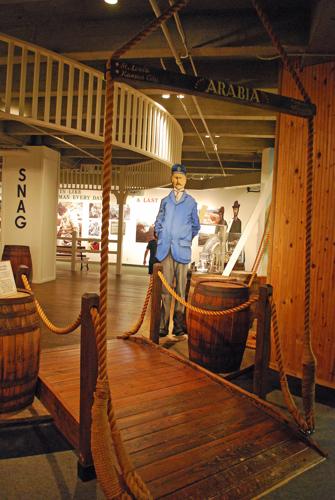
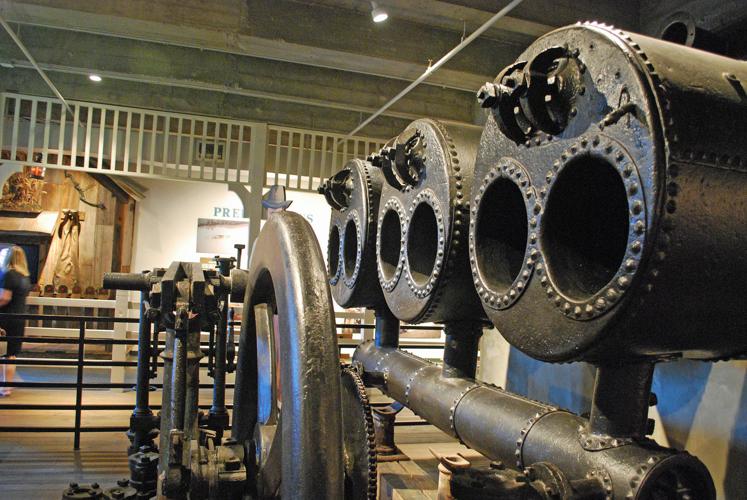
The museum now has a huge collection of part of the 200 tons of cargo on board the steamship, and museum workers are still working on many of the artifacts that were recovered. Only about half of the collection is on display. Visitors can watch a preservationist at work restoring items that will eventually go on exhibit. The collection includes clothes, tools, guns, dishware and more. The museum also has a full-scale replica of the main deck of the Arabia along with the original boilers, engines and water pumps.


