







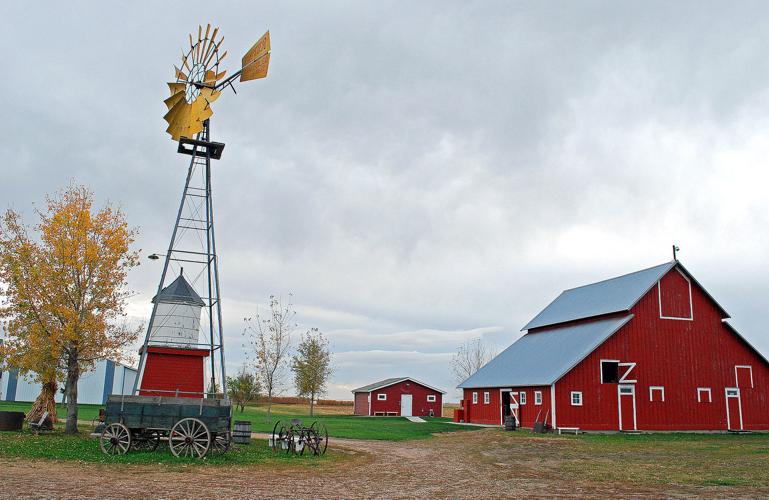
YORK, Neb. | Just one mile south of Interstate 80 on Highway 81 is Wessels Living History Farm, where visitors can experience farm life in the 1920s. The complex contains 11 historic farm buildings filled with artifacts from farming’s history.
The living history farm is the result of one man’s desire to preserve the farm life of the past. David Wessels was a local successful bachelor farmer. John Carlson, one of three staff members at the museum, said Wessels had a dream to preserve the farm life he experienced during his lifetime. “He collected a lot of what we have here,” said Carlson.
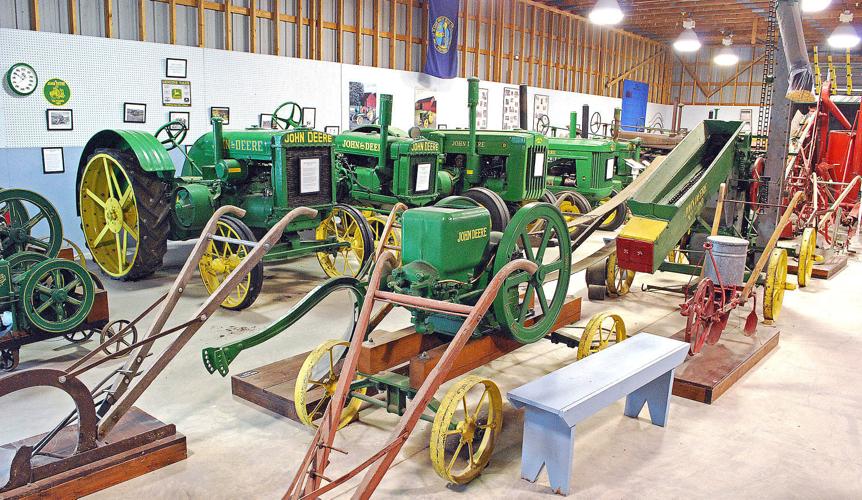
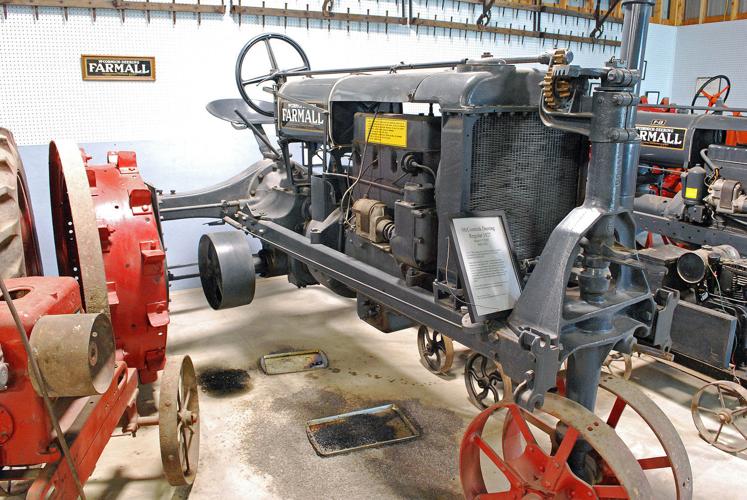
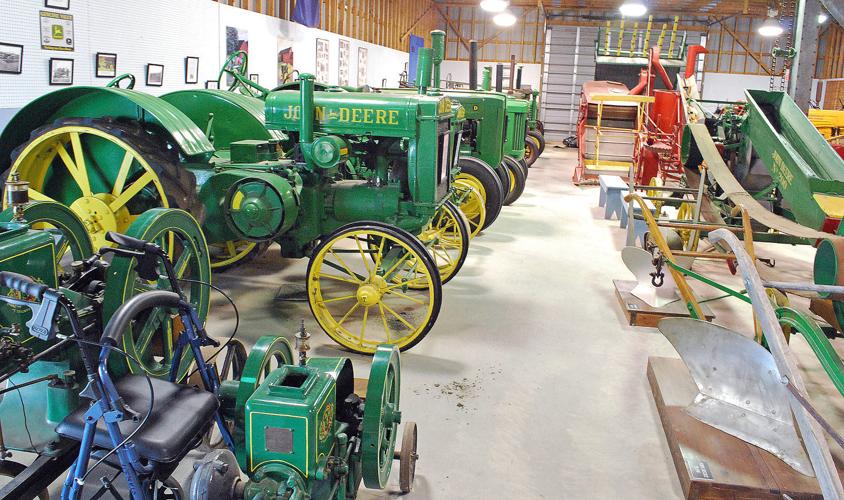
The Equipment Building at the farm is full of tractors and farm equipment collected and restored by Wessels. Included in the large collection are examples of Moline, John Deere and Farmall tractors dating back to the 1920s. Wessels restored all the tractors and stationary engines in the collection. Carlson said he loved to participate in tractor pulls, parades and shows in the area. Wessels also collected miniature tractors along with military pictures and papers that are on display in the building. The Equipment Building has a portrait of Wessels painted by Nebraska artist Judy Krysl.
People are also reading…
Some of the smaller buildings on the property include a garage that now houses the farm’s woodworking shop, and a cob house where corn cobs were stored that were used to fuel the cook stove. There’s also a poultry house where laying hens were kept. The smallest house on the property is the privy. The outside toilet was called a privy in the 1920s, but in 1935 the WPA sent teams into rural areas to build the little houses and changed the name to “outhouse.”
The barn at the Living History Farm is a post and beam structure built in 1917. It was built to house 20 horses and to store hay and grain. Farms of the era typically had at least two barns, one for horses and another for milk cows. Barns were an important part of farm life.
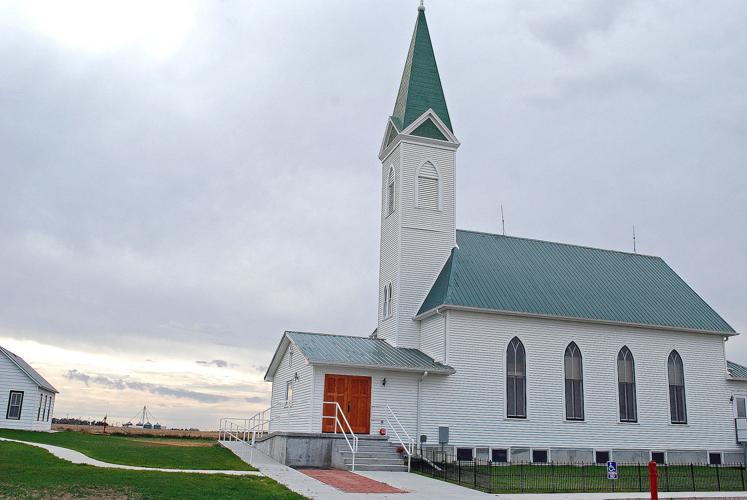
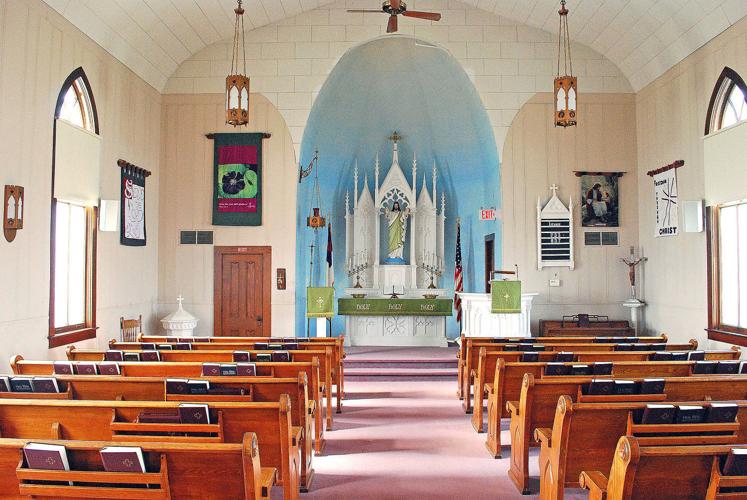
The congregation of the Zion Evangelical Lutheran Church in nearby Thayer donated their church to Wessels. The little white church was built in 1904 and is complete with many of the original fixtures, including a working 1914 pipe organ.
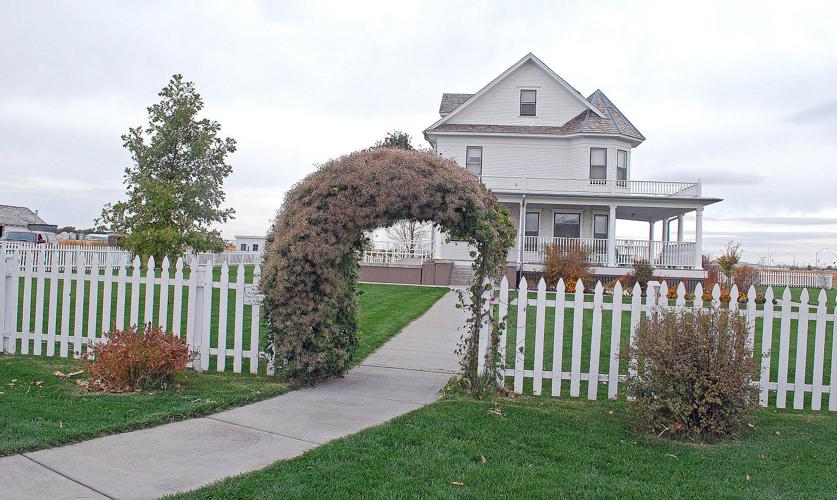
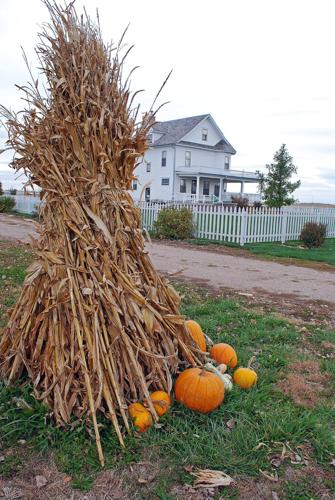
The centerpiece for Wessels Living History Farm is the house where Dave Wessels once lived. Built in 1917, the house is similar to the Sears Roebuck home of the time period that could be ordered from their catalog. Back then the Victorian-style home could be built for around $1,500 including labor and materials. But over the years the house had fallen into disrepair, said Dale Clark, director at the farm.
“It was in sad shape,” said Clark. He said York College used it as a warehouse, and later, when they couldn’t find a buyer for the home, it was given to the local fire department to use for training. After several small burns it was decided to burn the house completely down. But fortunately the historic home was saved by the York Community Foundation, who was in the planning stages for the Wessels Living History Farm. The house was moved to the farm property in 2002 and is now completely restored to what it would have looked like in 1925.
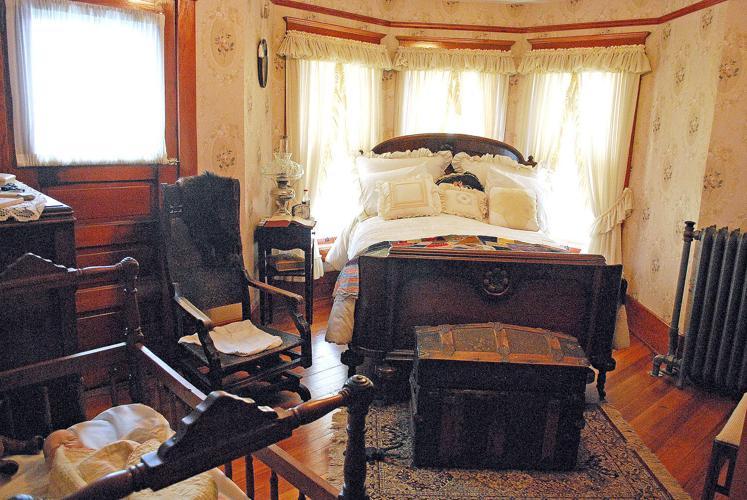
The house is filled with artifacts from the 1920s. Hillary Mundt, a staff member at the farm, said one of her favorites is the sad iron. “It came as a set of three,” said Mundt, “with one wooden handle.” She said the irons would be heated on the wood stove and then one could be used while the other two remained hot. When the first one cooled off, “you just moved the handle to the hot one and continued ironing,” said Mundt. The iron was patented April 4, 1871, by Mary Florence Potts of Ottumwa, Iowa.
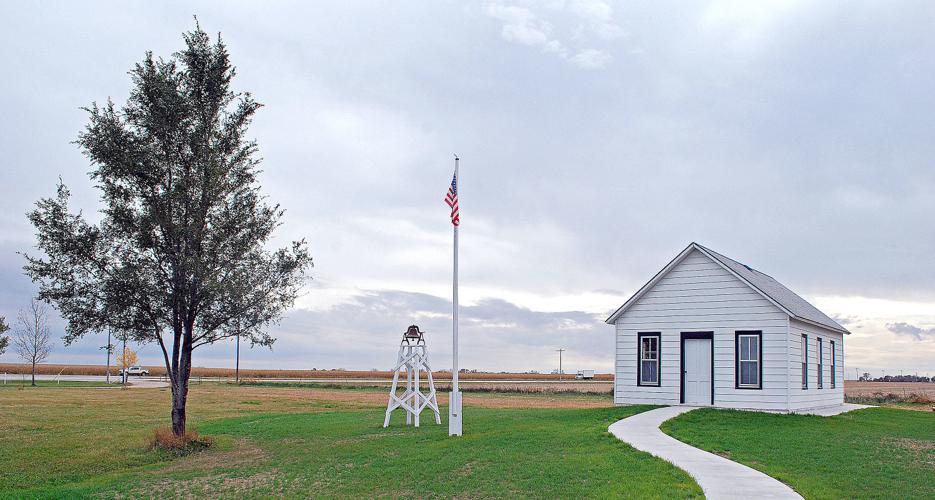
The farm also has a one-room country school where students from grades 1 through 8 once learned their ABCs from a teacher who many times was not much older than her 8th grade students. The school was donated by members of the German Reformed Church in Sutton, Nebraska. Inside the school are books, a pull-down map, slates, pens and ink wells. The church donated some of the student desks, the teacher’s desk and a file cabinet.
