


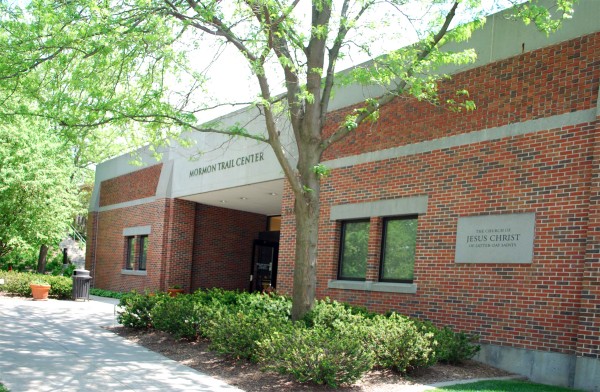
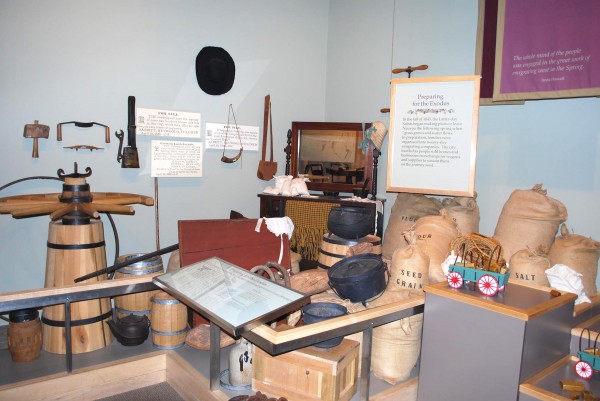
OMAHA | In the winter of 1846 -1847 an area of present day North Omaha was occupied by 2,500 members of the Church of Jesus Christ of Latter-Day Saints who made the location their winter quarters for their trek across the country. Today the site is the home of the Mormon Trail Center where the tale of the Mormons is told through artifacts and displays. The center was built in 1997 by the LDS Church.
The story of their journey across the country with tremendous sacrifice and endurance begins in Nauvoo, Ill., where followers from Britain and the United States formed a community around 1839. The great "Mormon Migration" as it was called began in 1846 after they were expelled from Nauvoo by non-Mormons who felt suspicious and jealous of the growing power of the LDS Church. Between 1846 and 1860 about 90,000 devout Mormons made the incredibly difficult journey across the rugged and virtually unsettled country to Utah.
People are also reading…
One of those on the trail was William Clayton who developed an odometer for one of the group's wagons to measure the distance they traveled. Later a printed guide with his measurements of the Mormon Trail was published in 1848 and became invaluable to pioneers and to the 49ers of the California Gold Rush.
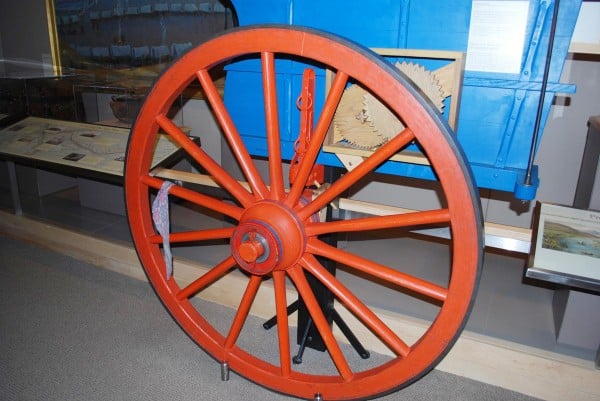
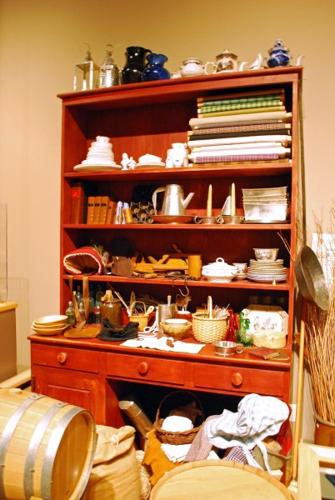
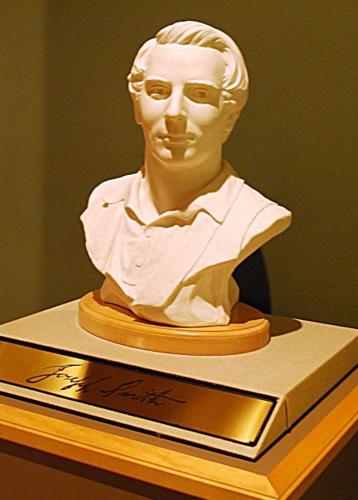
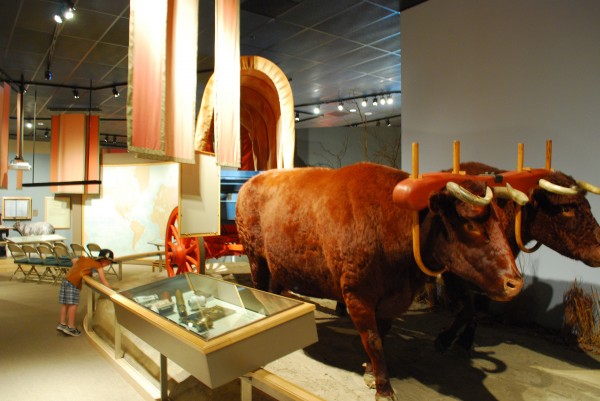
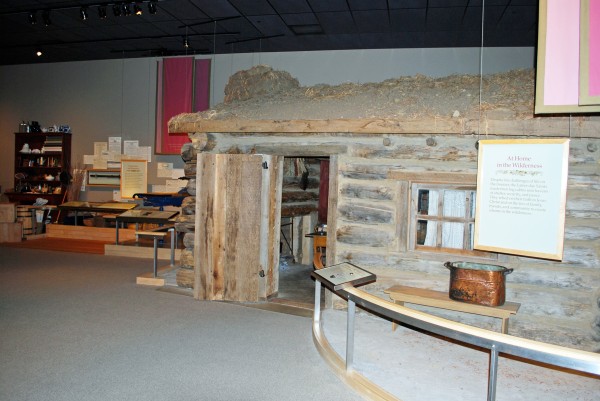
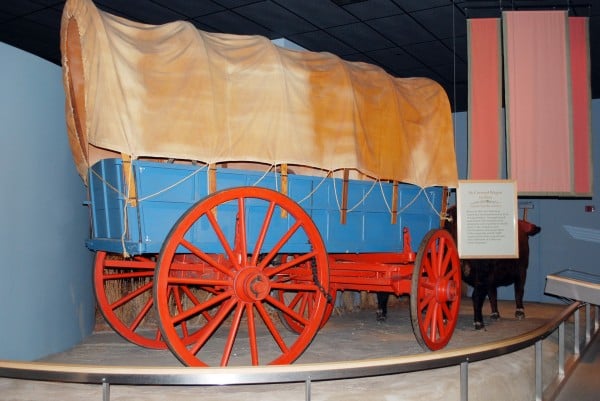
Volunteer tour guides who are also members of the Church of Later Day Saints lead visitors through the Mormon Trail Center. Displays in the center include a full size log cabin similar to the ones built by the Mormons at their winter quarters. Also on display is a Mormon covered wagon, oxen and a handcart. Those Mormons who couldn't afford a covered wagon would use a two wheeled cart piled high with their belongings. Children and adults visiting the center are encouraged to pretend to be a Mormon pioneer and pull the cart on display. Most are shocked at how hard it is to even move the cart a few feet.
Also on display are paintings depicting several important events in the Mormon Migration. One painting shows the first wave of 3,000 people who left Nauvoo in early February only to be stopped by the raging Mississippi River. The group was at a loss as to how to continue. They set up camp for the night and prayed for guidance. The next morning the river was frozen solid and the group was able to cross.
As the group continued on their journey they would trade goods for food but even with that their diet consisted mainly of corn bread, salt bacon, milk and occasionally fresh game. As a result many of the Mormon travelers suffered from scurvy. Malaria and tuberculosis (then known as consumption) were also problems along the trail. Church records indicate that between September 1846 to May 1848 disease caused the deaths of 359 people.
One of those who made the trek across the country was Louisa Barnes Pratt who recalled in her memoirs years later:
"I hired a man to build me a sod cave. He took turf from the earth, laid it up, covered it with willow brush and sods. Built a chimney of the same... I paid a five-dollar gold piece for building my sod house, 10 x 12....A long cold rain storm brought more severely again the chills and fever. These with scurvy made me helpless indeed!....Many of my friends sickened and died in that place, when I was not able to leave my room, could not go to their bedside to administer comfort to them in the last trying hours, not even to bid them farewell. Neither could I go to see their remains carried to their final resting place where it was thought I would shortly have to be conveyed."
Of the more than 800 structures built at the Mormon Winter Quarters only one, the Florence Mill remains. Construction of the Florence Mill was supervised by Brigham Young and is just a few blocks from the Winter Quarters Visitor Center. The mill was built between the fall of 1846 and the spring of 1847 at a cost of $3,000. The Mormon pioneers needed the mill to grind corn, wheat and rye to create cornmeal and flour products. Although much of the original building has disappeared the mill has been restored to its original condition and is now a private art gallery. The mill is listed on the National Register of Historic Places and has been designated a Nebraska State Historic Site and a Save America's Treasures Project.
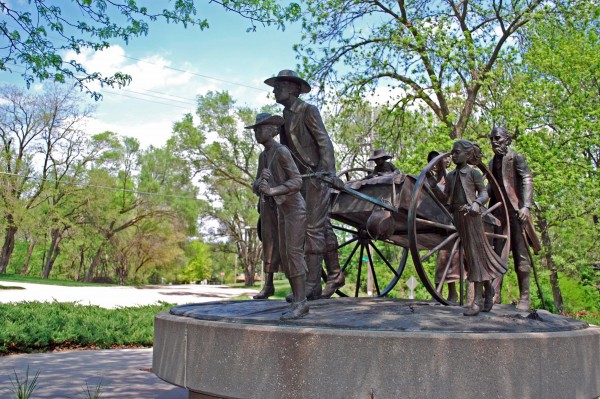
Next to the Mormon Trail Center is Mormon Pioneer Cemetery where records indicate 359 Mormon Pioneers were buried. The cemetery was also used by early settlers in the Florence area of Omaha. A large monument to the Mormon pioneers is at the north end of the cemetery. It's a bronze statue by Salt Lake City artist Avard Fairbanks. The solemn statue built in 1936 depicts parents who have just buried their infant child something that happened all to frequently to the Mormon pioneers.


