


UNIONTOWN, Pa. – In the winter of 1753-54 the future first president of the United States, 21-year-old George Washington, had a mission. As a young lieutenant and acting British emissary he was instructed to carry a message from Virginia Governor Robert Dinwiddie to the French in the Ohio Valley warning them to leave the territory which had been claimed by the British. Washington completed the hazardous journey and delivered the message but the French refused to leave.
Although his mission was not a success Dinwiddie later promoted Washington to lieutenant colonel and put him in command of 160 men to reinforce a colonial post at what is now Pittsburgh, Pennsylvania. But before Washington and his men reached the post it was given up without a fight to the French who renamed it Fort Duquesne.
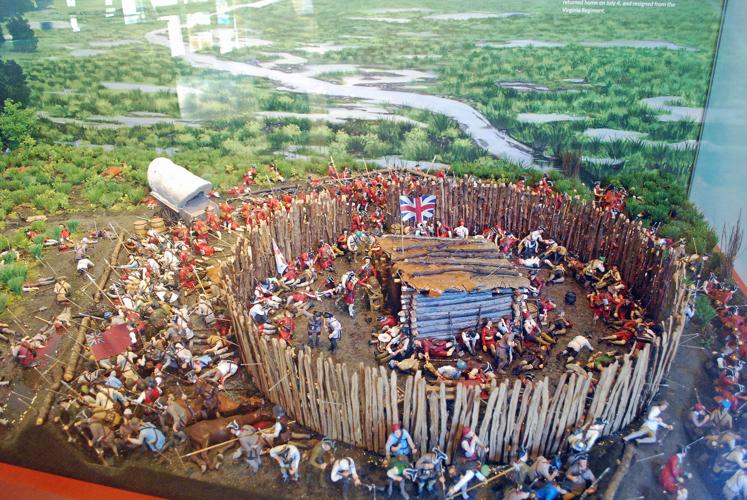
In early April 1754 newly commissioned Lt. Col. George Washington began a trek westward from Alexandria, Virginia, with part of a regiment of Virginia frontiersmen to build a road to present day Brownsville, Pennsylvania. When they reached an area known as the Great Meadows they made camp. Washington soon learned a French force was camped nearby. On May 27 Washington and about 40 men began an all-night march to confront the French. The ensuing battle would result in 10 French soldiers including their commander dead. Washington had one dead and several wounded. This skirmish would eventually lead to the start of the French and Indian War in 1756.
People are also reading…
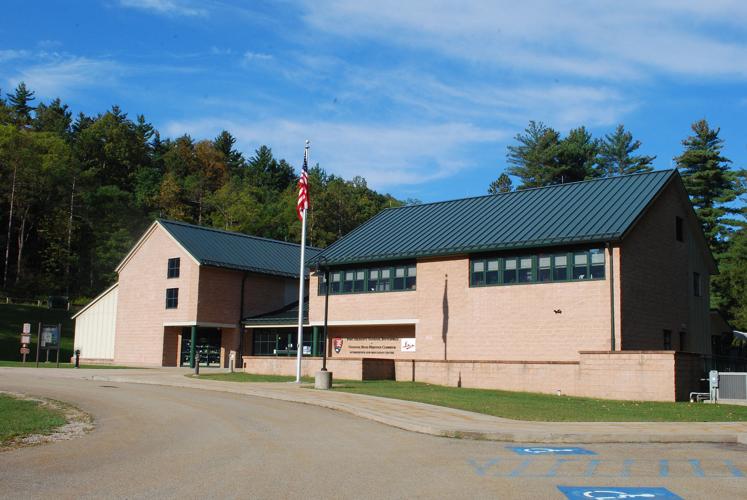
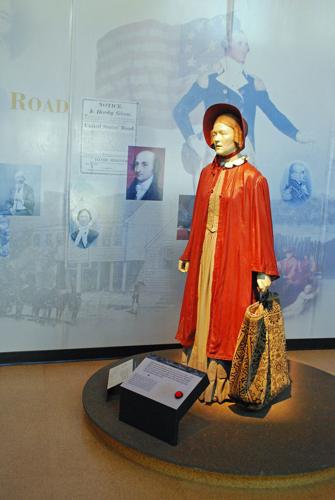
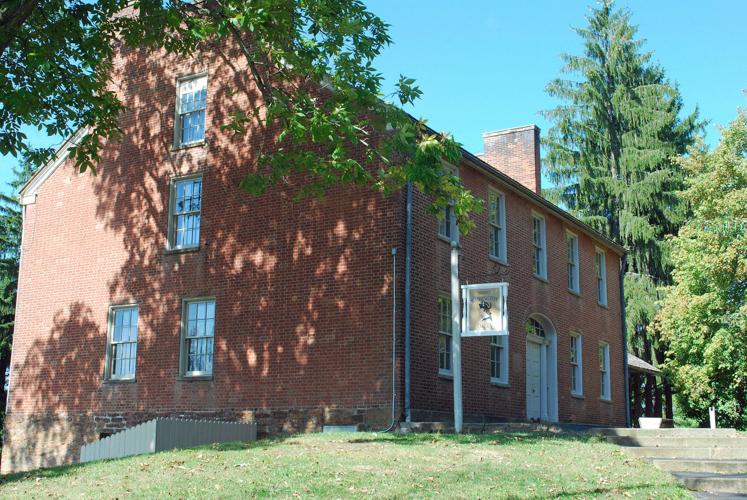
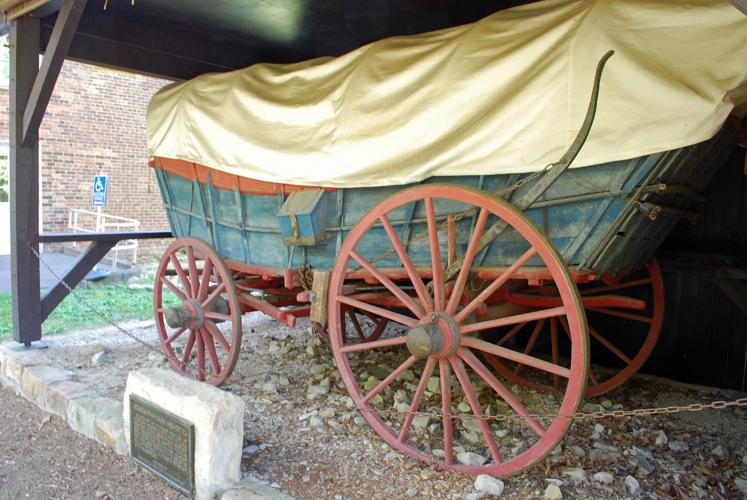
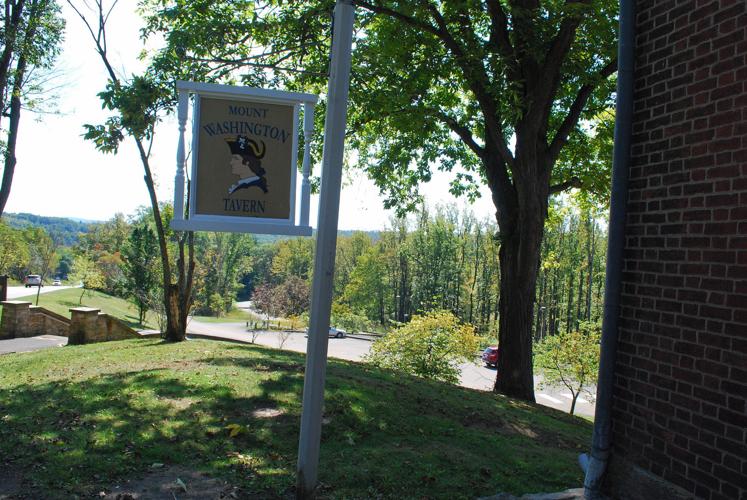
The story of the battle and the construction of Fort Necessity is told in the museum at Fort Necessity National Battlefield. Next to the museum on a hill is the Mount Washington Tavern, a popular stop on the National Road during the 1800s. Inside visitors can see the primitive accommodations for road-weary travelers of the day.
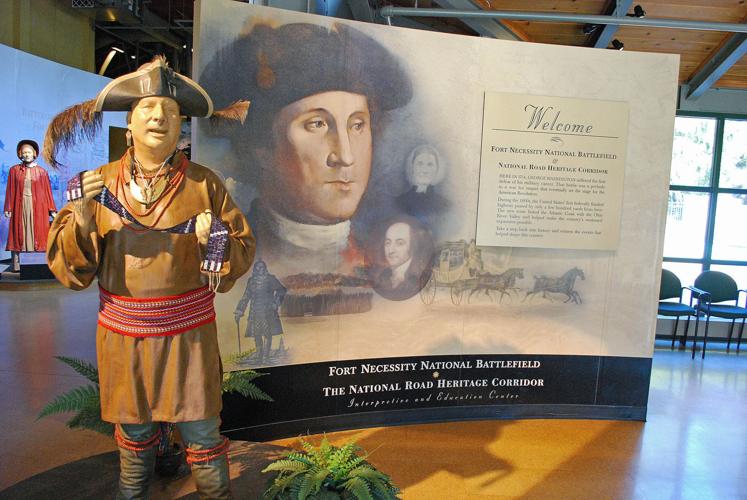
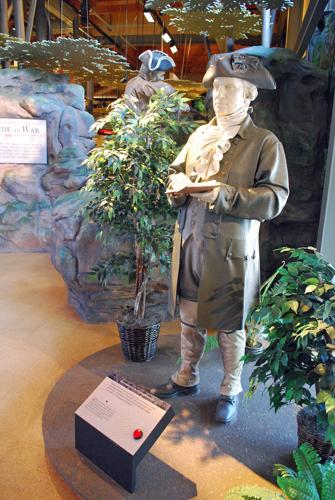
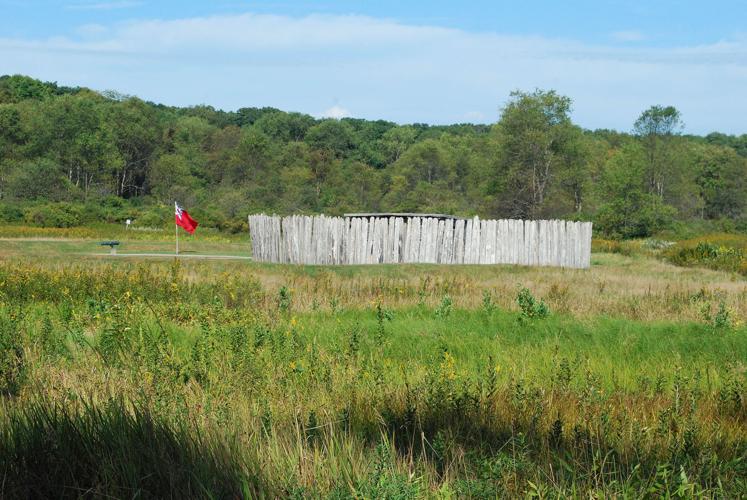
The visitor center at Fort Necessity has displays and artifacts and a 20-minute film relating to the fort and the French and Indian War. A self-guided tour leads visitors through the museum. A reconstruction of the fort is a short walk from the visitor center.
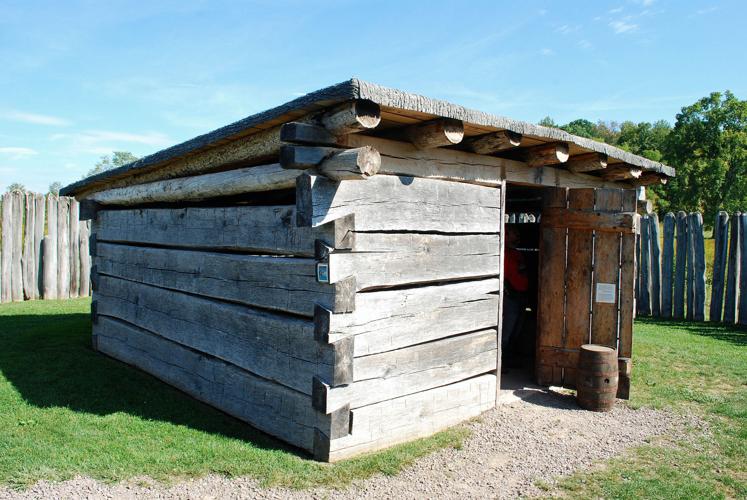
The fort is a simple circular stockade of upright logs covered with skins and bark. It’s 7 feet high and 50 feet in diameter. In the center is a small hut that held provisions and ammunition. The fort was surrounded by earthworks that provided cover for soldiers.
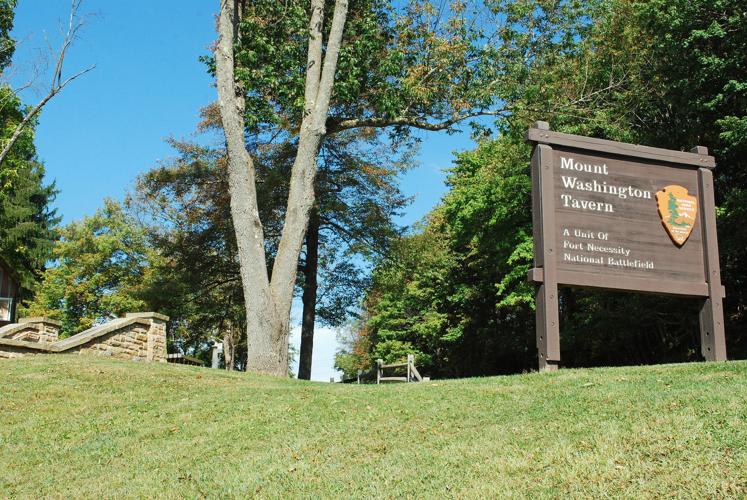
Today the land near the replica fort has a picnic area and hiking trails as part of the National Park. On a nearby hill is the Mount Washington Tavern, an example of the many inns that once lined the National Road, the country’s first federally funded highway.
The land for the tavern was originally owned by George Washington, who bought the property in 1770. It was in the 1830s that Judge Nathanial Ewing of Uniontown built the tavern and gave it its name. It had several owners until 1961, when the National Park Service purchased the property from the state and made it a part of Fort Necessity National Battlefield.
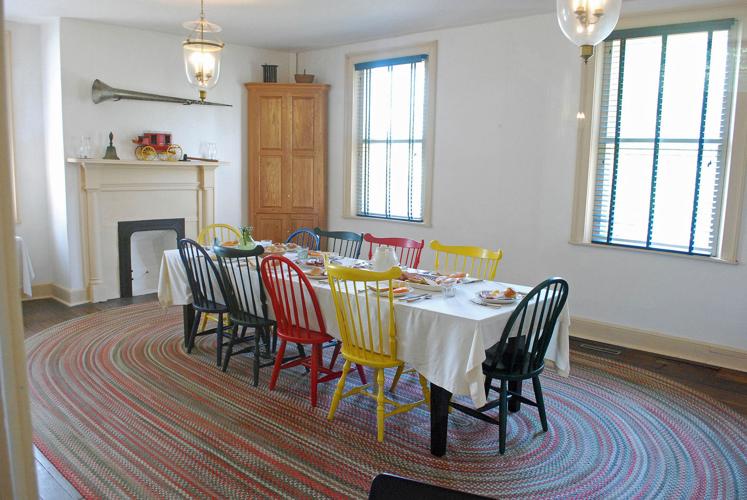
The parlor was often the finest room in the tavern. It was here where travelers could enjoy reading, conversation and entertainment. It was often the most elegant room in the tavern. Kitchens in taverns were often inside for convenience and warmth. The dining room was where meals were served family-style quickly since the coaches followed a strict schedule. The second floor had bedrooms that provided little privacy. Rooms were shared with strangers and had a chamber pot with the privy located outside behind the building.


