


CAMP VERDE, Ariz. | It was sometime between 1100 and 1300 that the ancient Sinagua people settled in the Verde Valley in northern Arizona. Archeologists estimate the area contained several thousand residents at its peak. The people of the Verde Valley were not unlike other civilizations throughout history in that they had a spiritual life and a social life. They worked and played. They were farmers and hunters who learned to live and survive in a sometimes harsh and unforgiving climate.
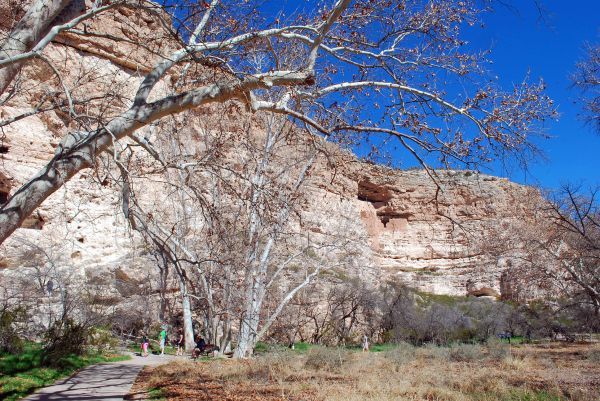
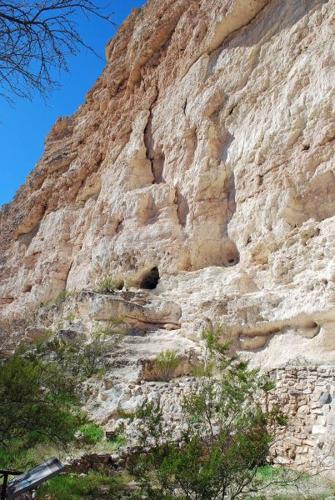
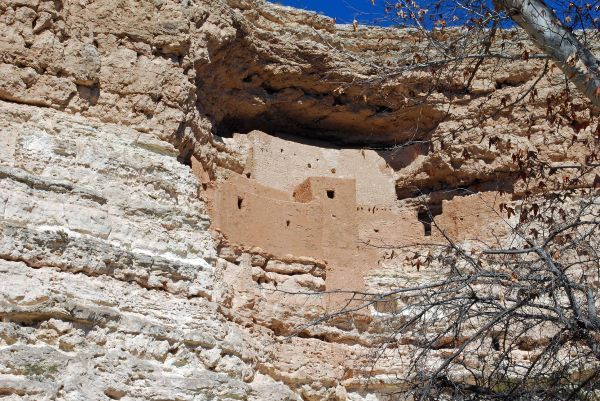
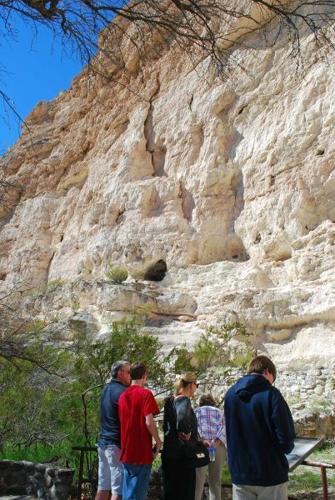
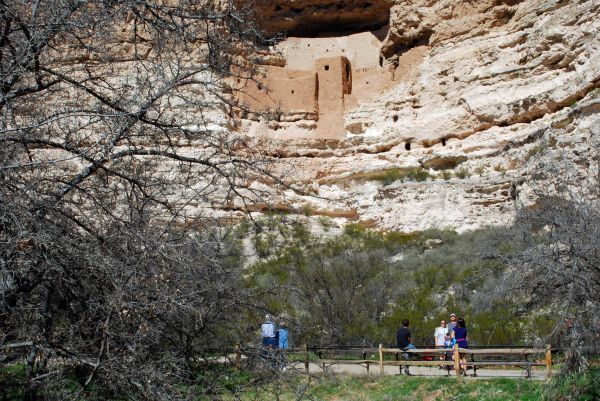
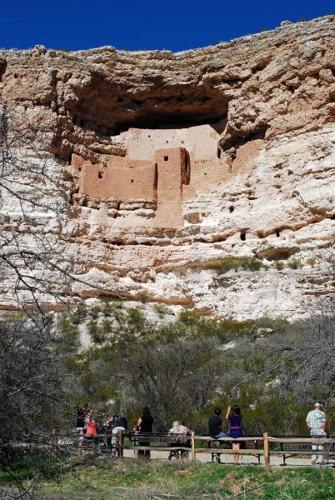
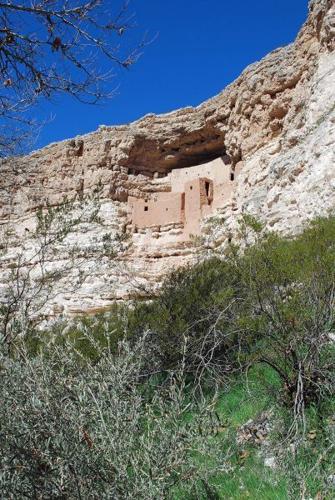
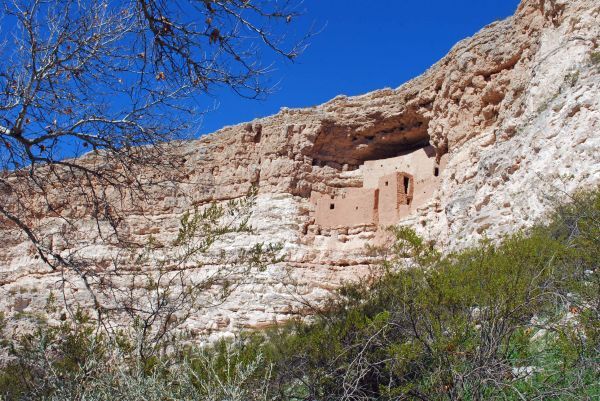
The Sinagua built their houses into the side of cliffs high above the desert floor. The five story, 20 room cliff dwelling now known as Montezuma Castle was carved into the limestone and proved a safe haven for the Sinagua. Montezuma Castle is now being preserved for future generations by the National Park Service.
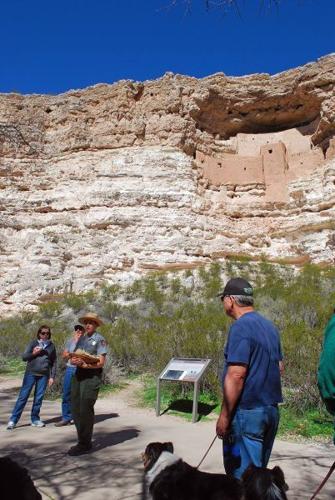
Park Ranger Jessica DeBoer said archeologists don’t know the exact reason the Sinagua built their homes in the shear cliffs but there could have been several factors involved. “It could have been as protection from their enemies or most likely to protect against flood waters.”
People are also reading…
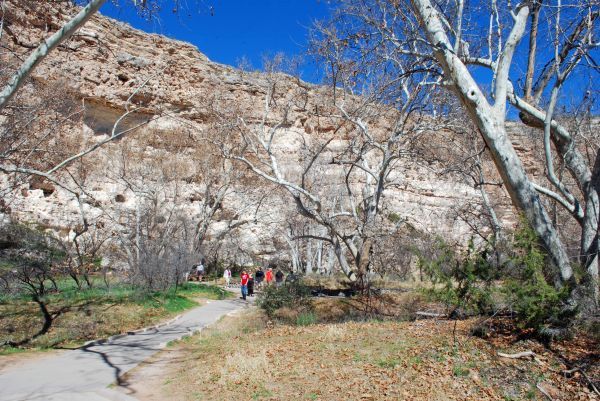
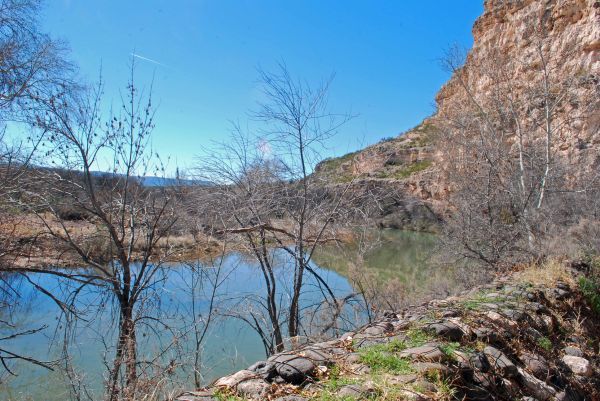
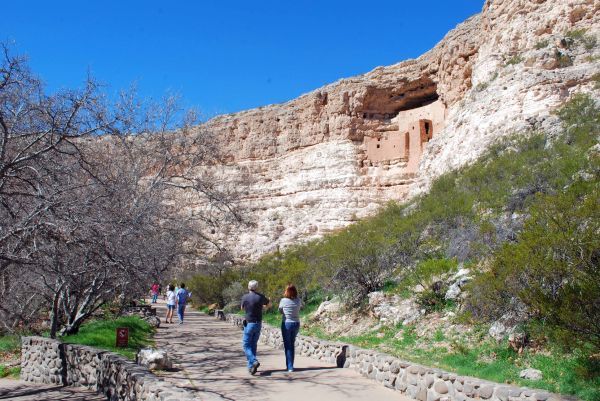
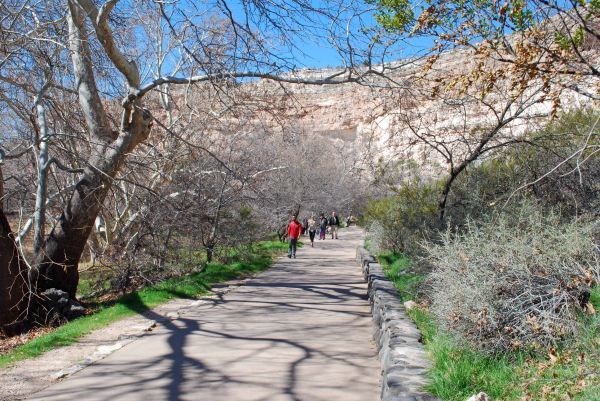
Near Montezuma Castle flows Beaver Creek one of several streams in the valley. The creek was not only a source of drinking water but was also home to fish, frogs and birds that provided food for the Sinagua. Today the centuries old creek is next to the paved 1/3 mile trail that leads visitors through the park and past Montezuma Castle.
Park Ranger Jessica DeBoer said even today the creek sometimes overflows its banks. “It’s been about halfway up on the sidewalk where we’re walking,” she said. “We don’t know for sure but that could be one reason the Sinagua built their homes high on the side of the hill.”
The site was named by scientists exploring the area in the 1800s and since that time has been known as Montezuma Castle. But it turns out neither part of the name of the structure is correct. It’s not a castle in the true sense but it’s more like a high rise apartment building. When the ruins were first discovered in the 1860s it was thought to be connected to the Aztec emperor Montezuma but in fact was abandoned more than 40 years before Montezuma was born.
Montezuma Castle is one of the best preserved cliff dwellings in North America thanks in part to President Theodore Roosevelt who on December 8, 1906 declared Montezuma Castle along with three other sites as our nation’s first National Monuments. President Roosevelt declared Montezuma Castle as a place “…of the greatest ethnological value and scientific interest.”
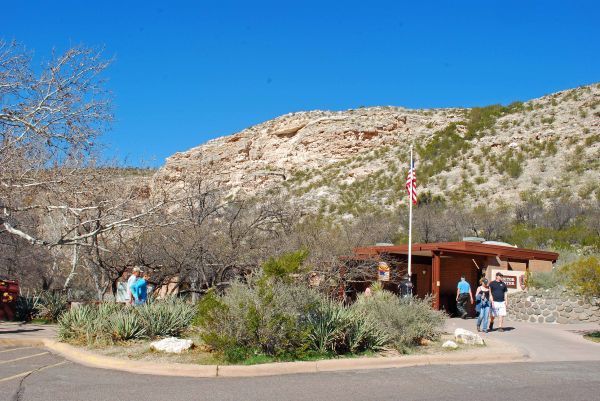
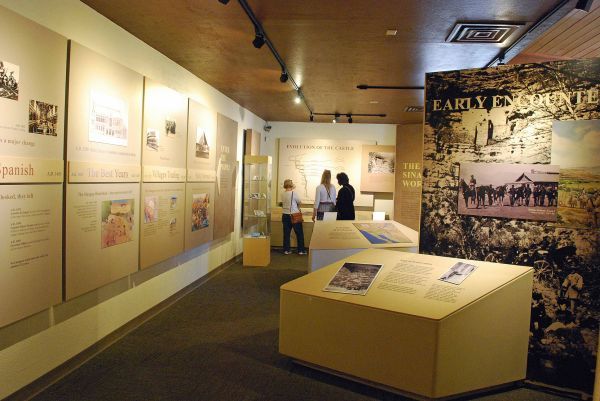
When highway travel became popular the ruins quickly became a destination for vacationing Americans. At first visitors were allowed to climb a series of ladders up the side of the limestone cliffs. But because of extensive damage and looting to the structure the practice was discontinued in 1951. Fortunately archeologists were able to recover a great many artifacts from the site. Many of those artifacts are now on display in the Visitor’s Center museum along with exhibits telling the story of Montezuma Castle. Even though the ruins are closed to the public the 350,000 visitors who go to Montezuma Castle each year can still see the historic site from the walking trail.
About 11 miles from Montezuma Castle is Montezuma Well also operated by the National Park Service. The well was formed by the collapse of a limestone cavern and has more than one million gallons of water a day flowing into it each day. It has been an oasis in the desert for humans and wildlife for thousands of years.


