


FORT CALHOUN, Neb. -- It was on July 30, 1804, that the Lewis and Clark Expedition set up camp in an area that would later become the first and largest military fort west of the Missouri River. It was there the expedition met with Oto and Missouri Indians. That meeting led to the name “Council Bluff” (not to be confused with the city of Council Bluffs). Clark later recommended the site as the location for a fort.
United States Secretary of War John C. Calhoun authorized the Yellowstone Expedition in 1818 to establish a series of forts to protect early pioneers as well as fur trappers and traders as they pushed further into the western wilderness. A fort later named Fort Atkinson was established near the Council Bluff site. That fort would turn out to be the only accomplishment of the Yellowstone Expedition.
When the Yellowstone Expedition began their trek, the American Revolution was just 36 years in the past. Many of those soldiers were veterans of the War of 1812 and all were part of the Sixth Infantry and Rifle Regiment. The Sixth Infantry would rendezvous with the Rifle Regiment at St. Louis and begin the arduous 2,700-mile journey by land and water to the proposed site. The group arrived at Council Bluff on Sept. 19, 1819, and were plagued with problems from the start.
People are also reading…
A severe winter hampered efforts to build the fort and caused supply problems resulting in a lack of fresh fruit. The lack of vitamin C in the soldier’s diets caused scurvy and fevers. Because of that about 160 men died that first winter.
The following spring brought flooding on the Missouri and the camp was forced to move to higher ground above Council Bluff, and this was where Fort Atkinson was established. In spite of all the hardships Fort Atkinson was completed, and at one point more than 1,000 men were stationed at the fort, which was about 1/4 of the standing U.S. Army. It was Nebraska’s first military post, which also had the first school, library and large-scale agriculture/livestock operation in the state.
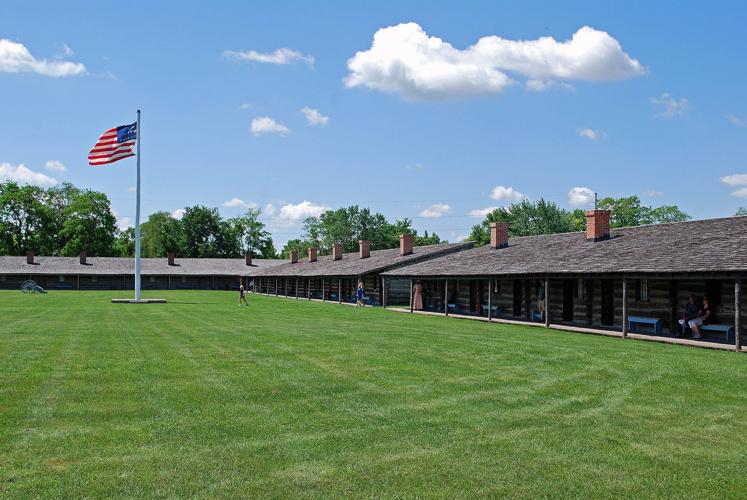
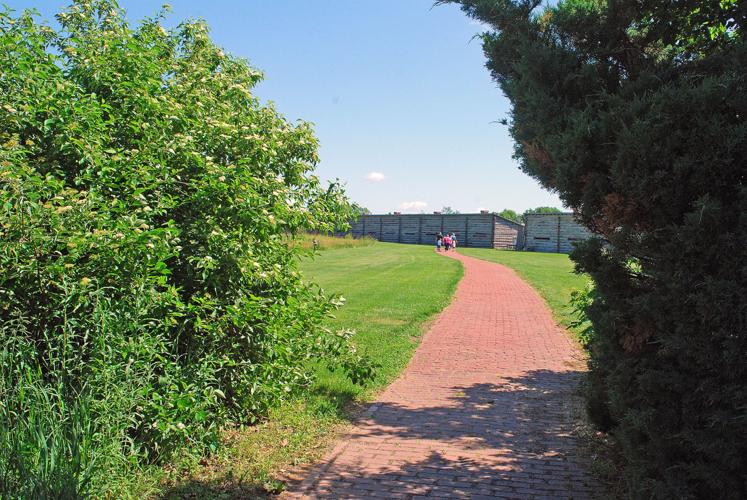
The mission of the fort was to protect the growing fur trade and to keep the peace with the many Indian tribes in the area. The fort was in the shape of a square with each side 200 yards long. The roof sloped to the inside courtyard and the doors and windows opened in the same direction. Each room had an elongated opening on the outside wall called an embrasure so soldiers could defend the fort from any direction. The design of the fort was state-of-the-art for the time.
Fort Atkinson was in operation for about eight years and was in need of repair, but Congress refused to grant the necessary $3,000 to do the job. Because the western migration was taking a more southern route, it was decided the fort was no longer needed. In just a few years all evidence of the once-huge garrison was gone, and the area was turned into farmland.
Efforts to reclaim the fort from the fields began as early as 1919 when a local committee was formed to celebrate the centennial of the founding of the fort. Then in 1961 local citizens banded together to restore and preserve the historic site. The Nebraska Game and Parks Commission agreed to buy the land if the group could fund half the cost. The Fort Atkinson Foundation, the Greater Omaha Historical Society and the Washington County Historical Society, in cooperation with the Omaha World Herald, organized a successful fundraising campaign, and the commission took title to the land two years later. In 1962 the fort was designated as a National Historic Landmark. The first building constructed was the Harold W. Andersen Visitor Center, which today features a large collection of artifacts from the fort and a gift shop.
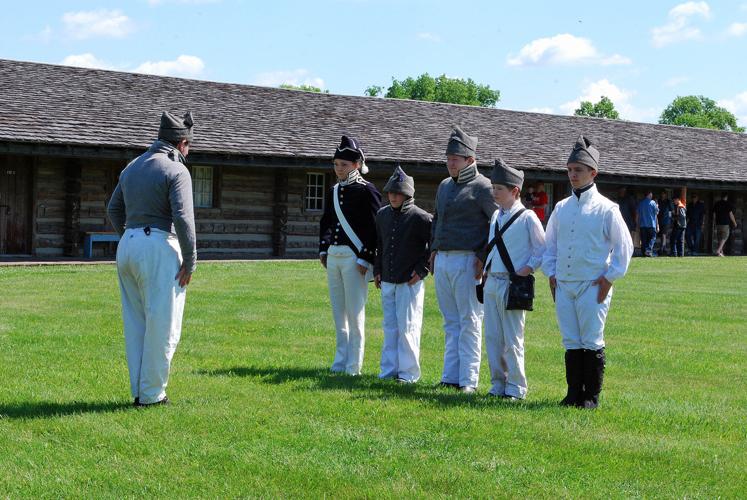
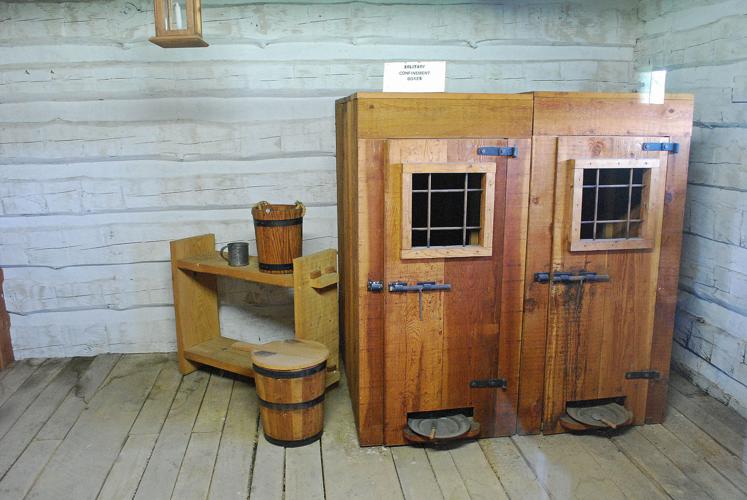
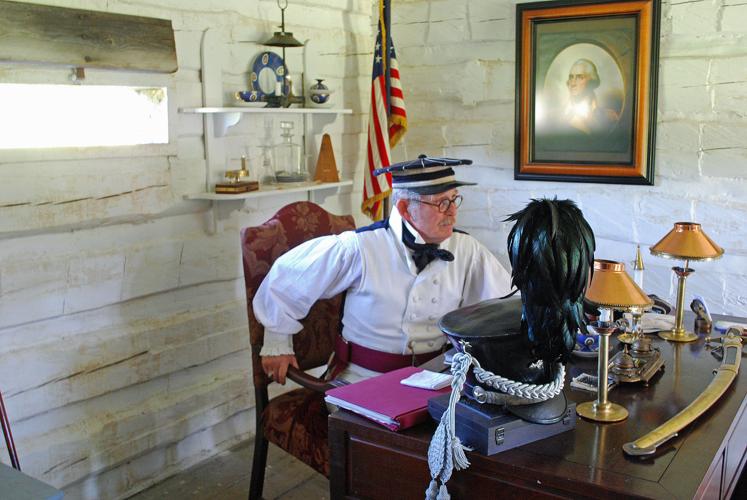
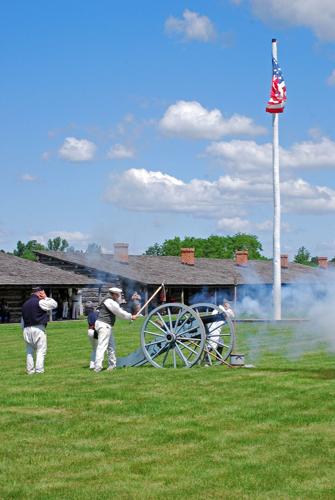
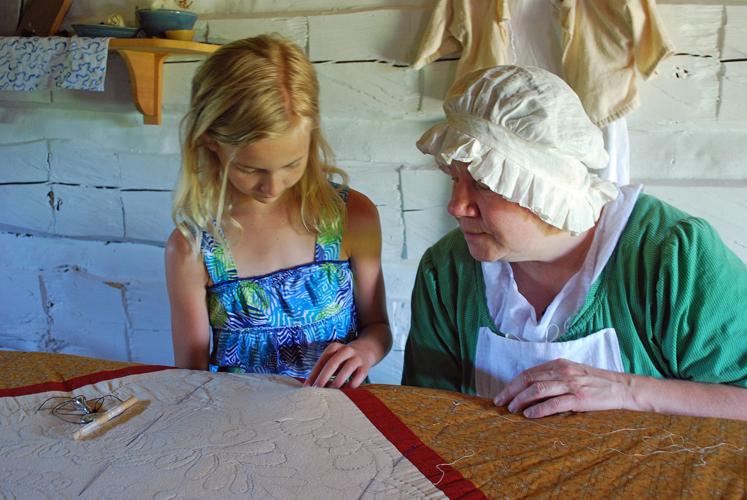
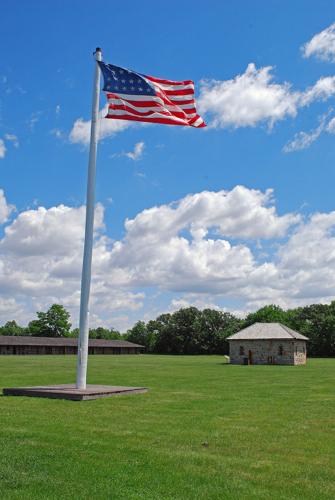
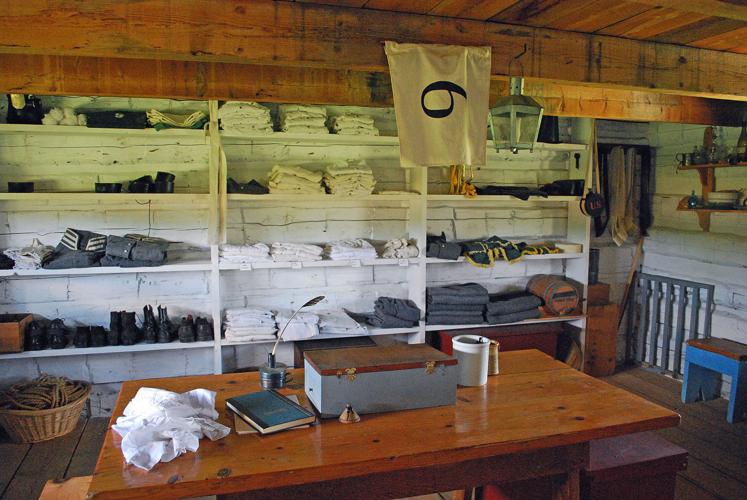
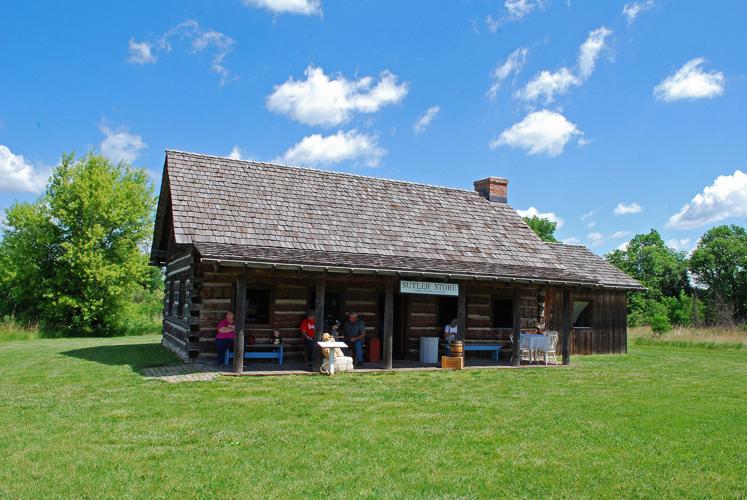
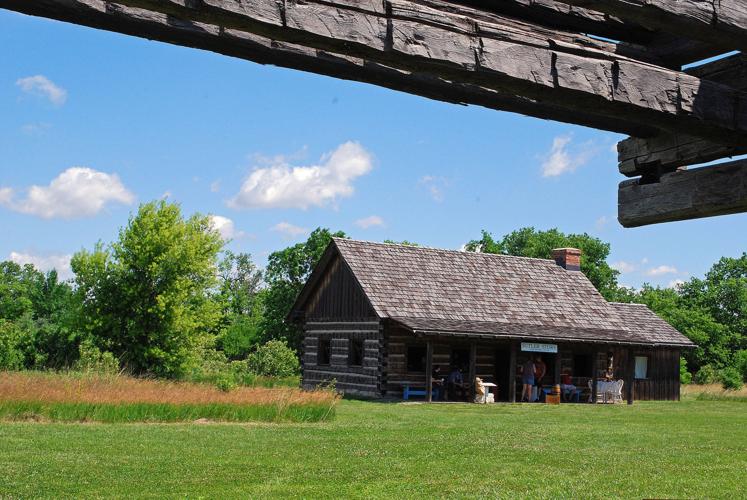
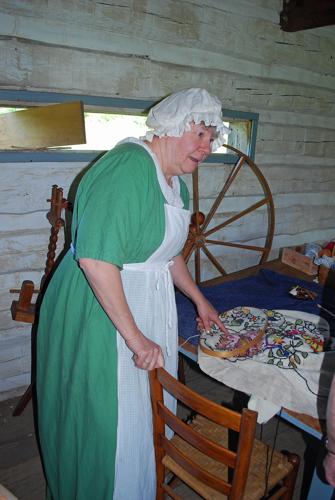
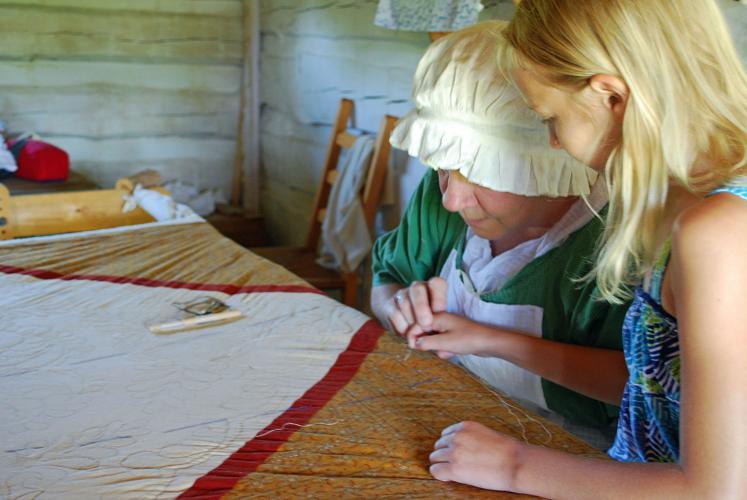
After extensive archeological research, the fort was reconstructed in accurate detail. Today visitors can walk through its many buildings and rooms and experience what life was like for those stationed there. Fort Atkinson hosts several living-history weekends during the year that feature volunteers recreating the lives of the soldiers, artisans, and civilians who lived in and around the outpost. Interpretive hours are from 10 a.m. to 5 p.m. on all living-history days. The fort also offers an annual candlelight tour, complete with a scripted, first-person mystery dramatization of actual historic events that took place on the grounds. This year’s living-history weekends are Aug. 6-7, Sept. 3-4 and Oct. 1-2. The Candlelight Tour is Nov. 5.


