


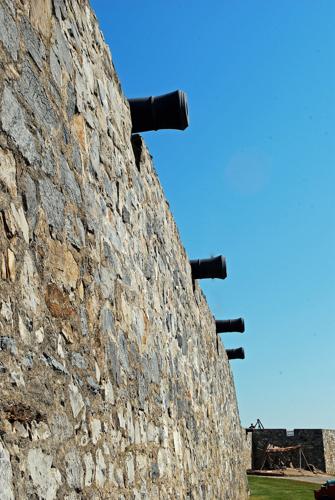
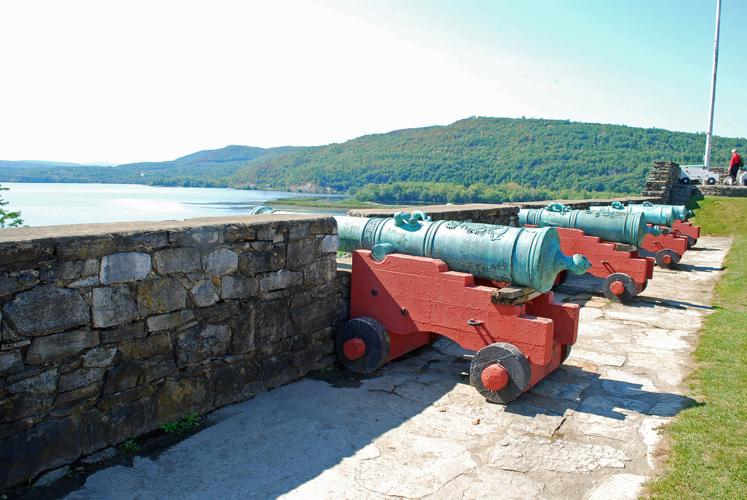
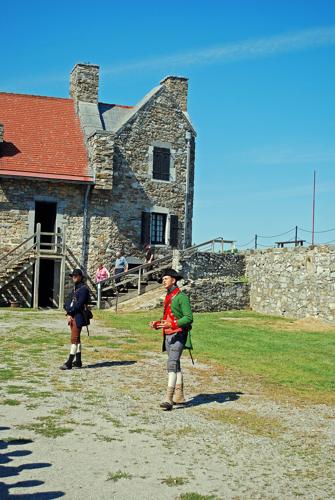
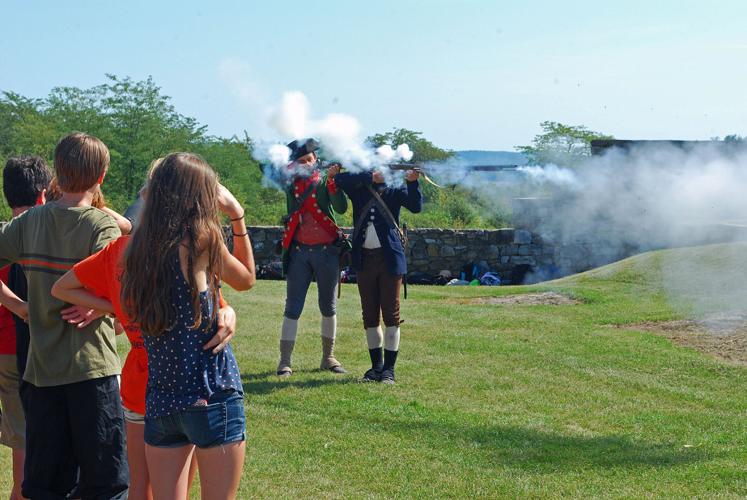
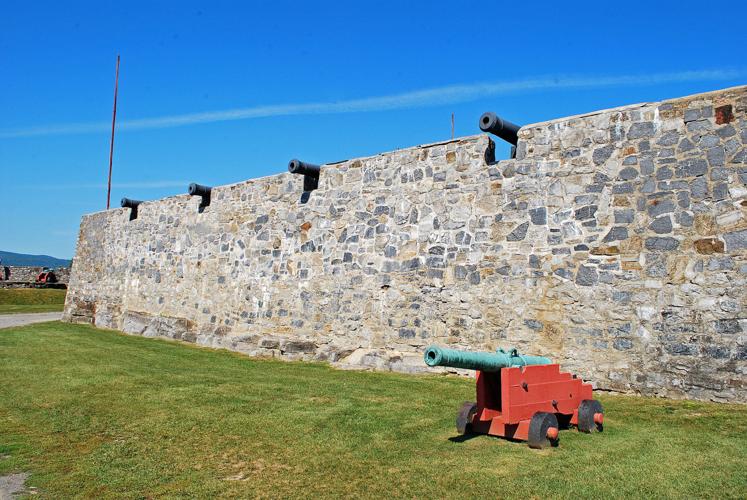
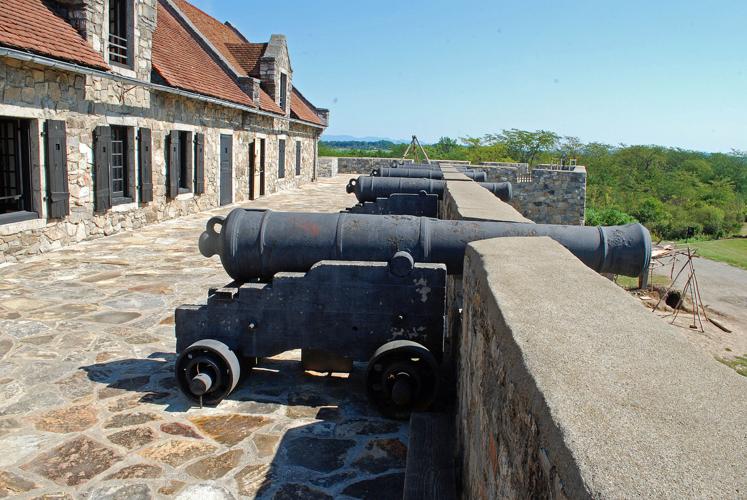
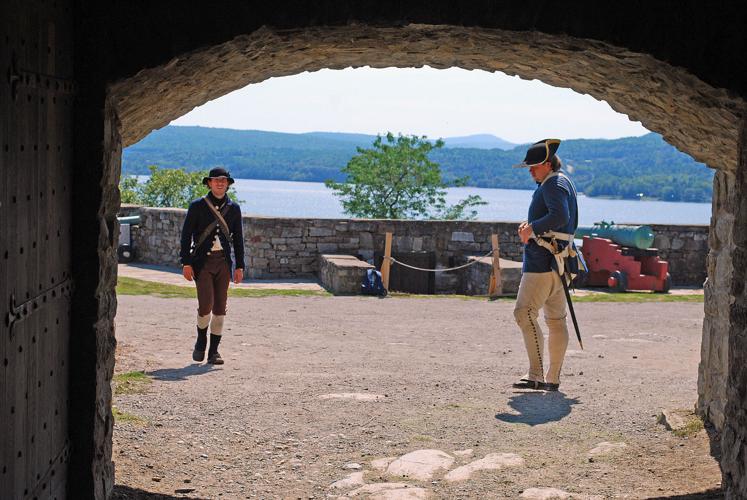
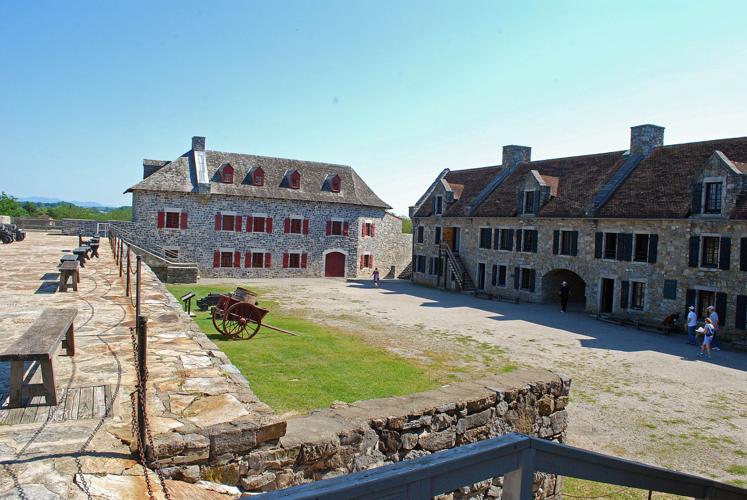
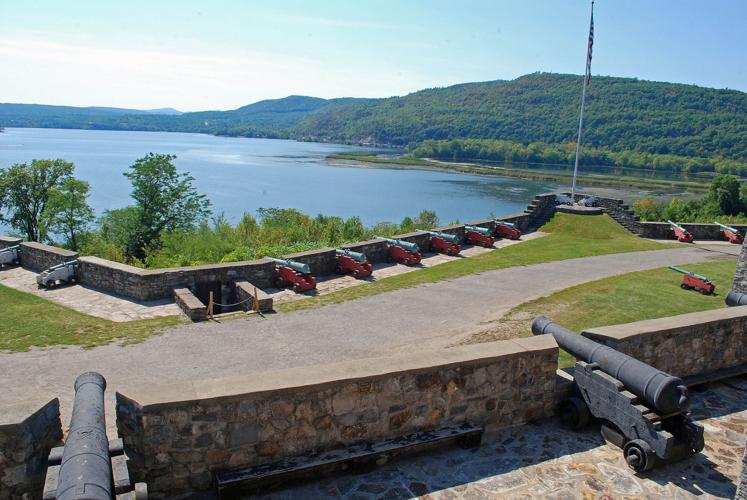
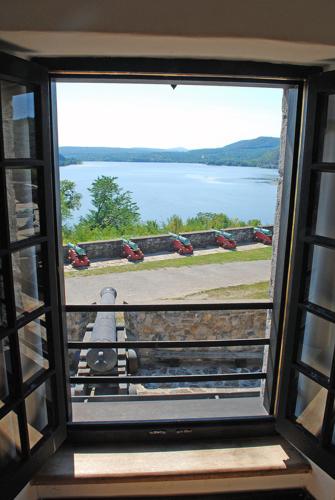
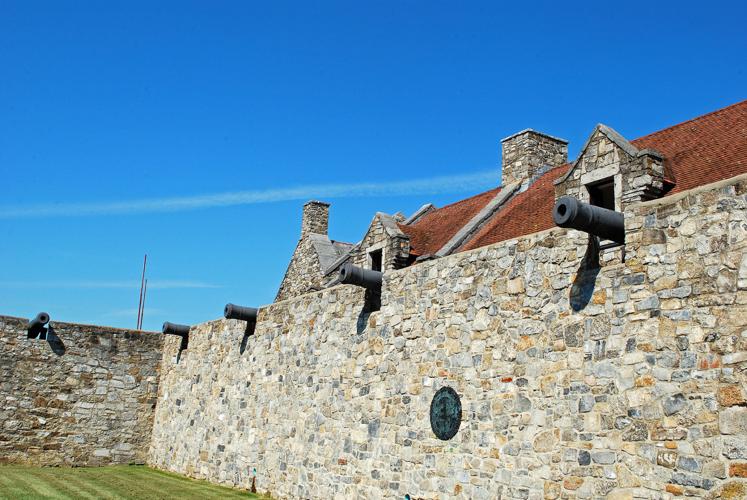
TICONDEROGA, N.Y. | Fort Ticonderoga in Upstate New York has a long and unique history dating back to the early 1600s. Today the reconstructed fort tells that history with artifacts, displays and reenactments.
It was in 1609 that explorer Samuel De Chaplain and his Algonquin Indian allies battled a band of Iroquois on the Ticonderoga peninsula. Other explorers and military leaders traveled through the area in the 1600s and noted the importance of Ticonderoga in guarding the Lake Champlain waterway.
In 1690 the war between England and France expanded into the New World and the importance of the Ticonderoga peninsula became evident and in 1709 Fort Anne was constructed by the British to protect supply lines traveling the Lake Champlain waterway.
But it was during the American Revolution that Fort Ticonderoga gained the most importance. In 1775 at the start of the Revolution Ethan Allen and Benedict Arnold along with a small band of Green Mountain Boys captured the fort from the British in an early morning raid on May 10th just three weeks after the battle of Lexington and Concord. The capture of the fort was America’s first victory in the Revolution.
People are also reading…
In the winter of 1775-76 Colonel Henry Knox accomplished the seemingly impossible task of transporting more than 60 tons of military supplies including 59 artillery pieces from Fort Ticonderoga to Boston. The cannon were put on Dorchester Heights overlooking Boston. The threat of the guns forced the British to evacuate Boston on March 17, 1776 and the Continental Army entered the city the next day. The fort continued to be an important asset throughout the Revolution.
After the Revolution in 1785 Fort Ticonderoga became the property of the State of New York. It later became part of Union and Columbia Colleges until 1820 when William Ferris Pell, a wealthy New York businessman bought the 546 acre site. Pell used the former fort as a summer home which later became a hotel.
In the early 1900s the Pell family realized the significance of the fort as an historic site and began restoration on the property. They restored the fort and created a museum to preserve artifacts relating to the fort and the surrounding area. Stephen H.P. Pell created the Fort Ticonderoga Association in 1931 to manage the site. In 1960 the restored Fort Ticonderoga was named a National Historic Landmark.
Visitors to the fort can see how life was for those stationed there during the 1700s through daily programs including musket firing demonstrations and crafts such as tailoring, boot making and carpentry. During July and August the Fife and Drum Corps perform 18th century military songs.
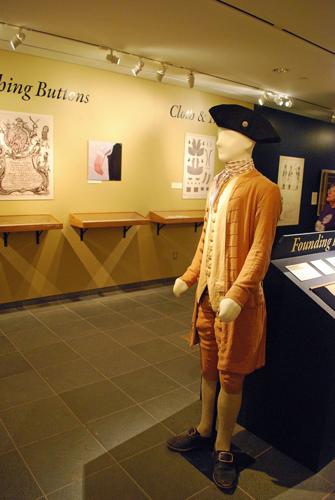
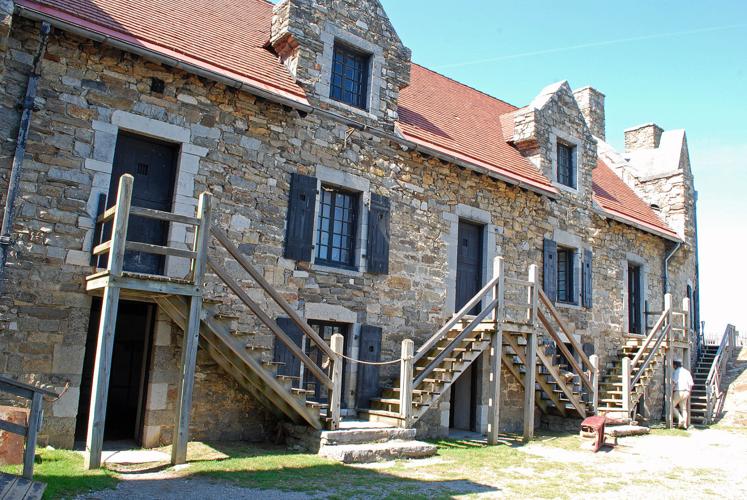
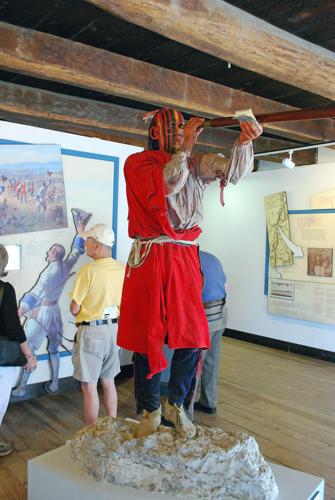
The Fort Ticonderoga Museum has a large collection of artifacts relating to military life at the fort. The South Barracks was fully restored in 1931 and contains most of the collection. The three story former barracks has close to 10,000 square feet of gallery space with displays dating back to prehistory right up to the 20th century. Those displays include: “Bullets and Blades”: the weapons of America’s Colonial Wars and Revolution; “It Would Make a Heart of Stone Melt”: Sickness, Injury and Medicine at Fort Ticonderoga and “Pottery, Pork and Pigeon”: The 18th Century Menu at Fort Ticonderoga. Other displays show how the stronghold was constructed including detailed dioramas of the history of the fort. “Founding Fashion” is a current exhibit featuring military clothing of the 18th and 19th centuries along with accessories and artwork on display for the first time.


