


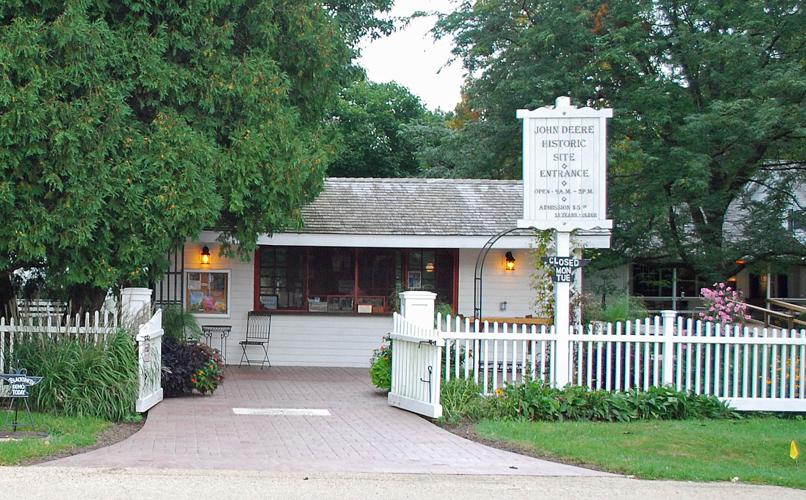

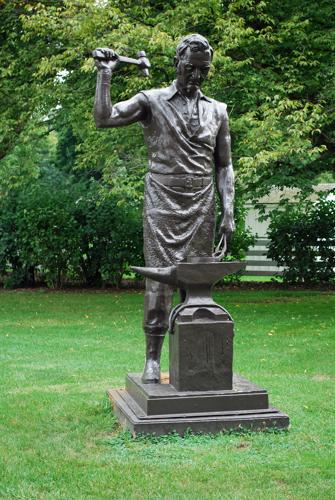





GRAND DETOUR, Ill. -- The worldwide John Deere empire began in a simple blacksmith shop in the little town of Grand Detour. That historic site has been preserved and is now a museum telling the amazing story of one man and an idea for a better plow.
John Deere was born in Rutland, Vermont, on Feb. 7, 1804. When John was just 4 years old, his father left the family and went to England hoping for a better life. He was never heard from again. John and his five siblings were raised by their mother.
John developed an early interest in working with his hands and at 17 he became a blacksmith’s apprentice. Just four years later he set up his first blacksmith shop and for the next 12 years plied his trade in various towns around Vermont. But Deere fell on hard times and closed his shop. He was deeply in debt and with four children and another on the way, he didn’t know how he would support his growing family. So like his father he left his family in search of a better life. In 1836 his friend Leonard Andrus told him the town of Grand Detour, Illinois, was growing rapidly, and the nearest blacksmith was 40 miles away. Deere moved to Grand Detour and was busy right from the start.
People are also reading…
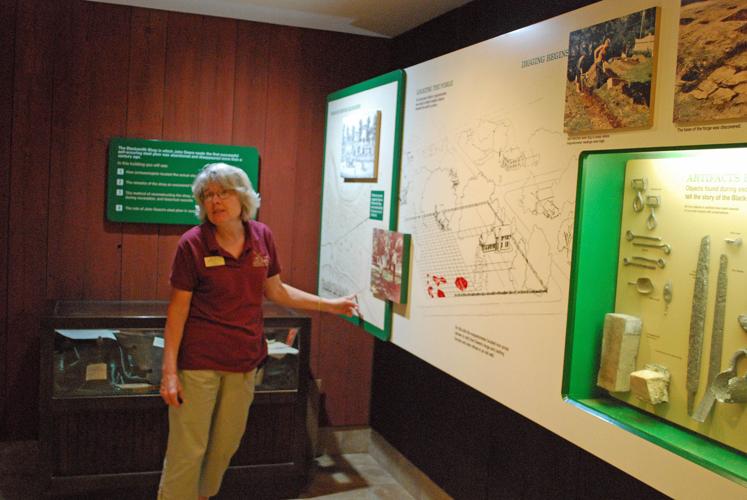
Kathy, a tour guide at the John Deere Historic Site, said Deere saw a problem with the plows being used by local farmers and found a solution. “The plows they were using were made in the East. The plows were made of cast iron and the soil here would stick to the plows,” said Kathy. She said Deere knew there had to be a better way and set out to find it.
In the East, the soil is light and sandy. Because the thick, black prairie soil of Illinois stuck to the plow blade, farmers had to stop every few yards and scrape the blade clean, making for slow and frustrating work.
“John Deere was visiting a friend at his sawmill and noticed an old saw blade,” said Kathy. “He wondered if that steel blade would make a good plow.” Deere took the blade, removed the teeth, polished it and shaped it into a plow. It worked and he gave his new design to a local farmer to try. The farmer loved it, and in 1840 Deere sold 40 plows. Farmers said the John Deere plow cut so smoothly through the soil it made a “singing sound.” They dubbed the new implement the “singing plow.”
After this initial success, Deere teamed with friend Leonard Andrus and formed the company Andrus and Deere. By 1846 production soared to 1,000.
In order to be closer to river power for his factory, Deere moved to Moline, Illinois, in 1848 and took on new partners to form John Deere and Company. The business continued to succeed and grow, but Deere wanted to own the company, and in the late 1850s he did. The John Deere Company then began to branch out into making other types of farm equipment.
When most people today think of John Deere they think of tractors, but Kathy said Deere never saw one. “John Deere died before the company started making tractors.”
In 1963 an archaeological team excavated the original site where John Deere forged his first self-cleaning plow. The site has been carefully documented and preserved so visitors can see where Deere had his first blacksmith shop. The archaeologists found the footings for the buildings and marked off the area. A building was constructed over the site to preserve it, and a museum in the building houses the many artifacts that were uncovered during the excavation.
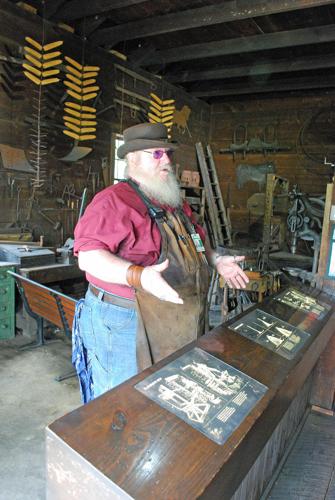
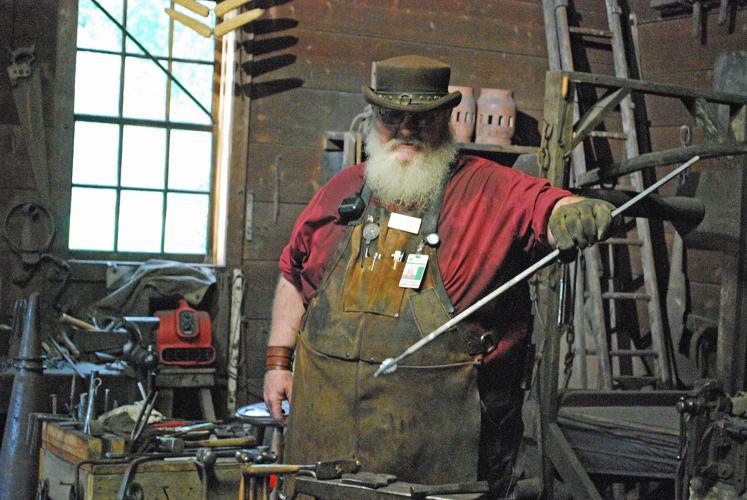
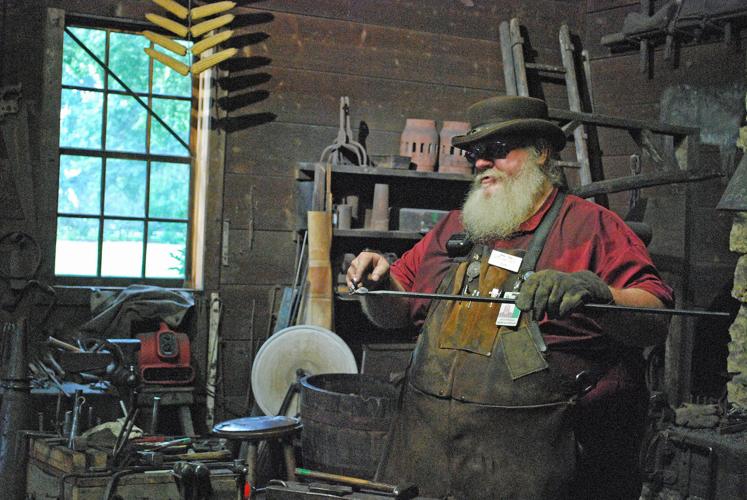
Also on the grounds of the site is an operating blacksmith shop where demonstrations of the art of blacksmithing are conducted daily. Eric, a blacksmith at the John Deere Historic Site, said that in days gone by the blacksmith was an important part of rural life. “The blacksmith not only fixed things like wagon wheels but he also made a lot of what families used every day.” During a demonstration Eric made several decorative items used by people in the 1800s such as a portion of a fence gate.
The original John Deere home built in 1836 is near the blacksmith shop. It was here John and his wife raised their eight children and boarded apprentice blacksmiths in the six-room home.
Not far from the home is the gift shop, where items forged in the blacksmith shop are for sale along with clothing, hats and other John Deere memorabilia.


