


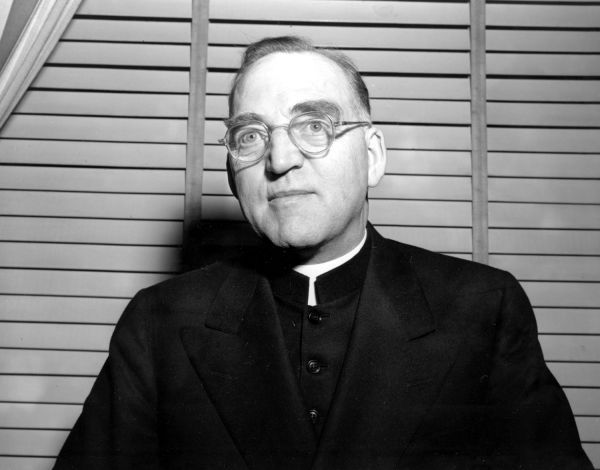
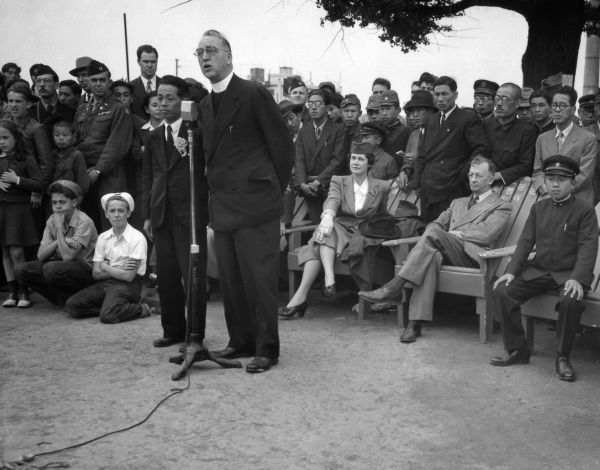

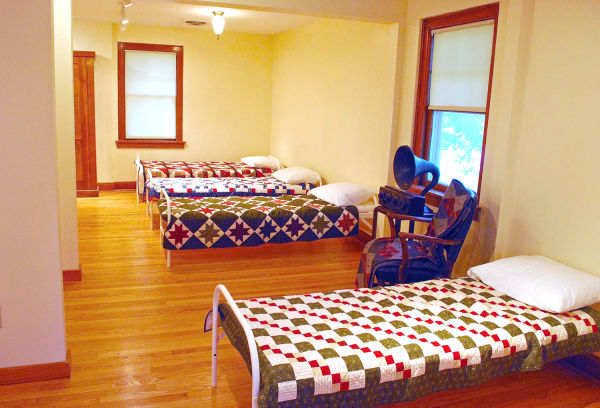
OMAHA, Neb. | On Dec. 12, 1917, a 31-year-old Irish priest, Father Edward J. Flanagan, opened the doors to a home for troubled and neglected boys to help them find a better life.
Before that, Flanagan ran the Workingmen’s Hotel, a refuge for down-and-out men near St. Patrick’s Church in Omaha, where he served as assistant pastor. It was there he saw a trend in the lives of those men that led from neglected child to delinquent and from there to drifter and eventually criminal. With the blessing of his superiors, Flanagan began a search for a place to house neglected boys who lived on the streets of Omaha.
Archbishop Jeremiah Harty realized the importance of Flanagan’s work and relived him of all his pastoral duties to allow him to concentrate on his new duties. Flanagan was told the church supported his work with homeless boys, but couldn’t provide financial help. Fortunately a friend, probably local Jewish attorney Henry Monsky, gave Father Flanagan $90 for the first month’s rent and moved several boys into a drafty Victorian mansion at 106 N. 25th St. in Omaha.
People are also reading…
Those few boys were quickly joined by others who were either court ordered to the home, sent by concerned citizens or who just walked in on their own. To help manage the growing number of residents, Harty sent two nuns and a novice from the School Sisters of Notre Dame to help Flanagan.
By the spring of 1918, the home was filled to capacity with 50 boys. With help from local citizens, Flanagan and his boys moved to a much larger home in Omaha. The vacant building was once the German-American Home, but since war was declared against Germany in April 1917, the huge home had been abandoned. It wasn’t long before there were 100 boys at the home.
BIRTH OF BOYS TOWN
Father Flanagan knew the importance of education, but Omaha school officials were reluctant to accept his boys, since many of them had been in trouble with the law. After he guaranteed good conduct, the boys were taken to schools with a horse and wagon.
As more and more boys became part of Flanagan’s group, the need for bigger quarters was a constant problem. After buying two small farms in the Florence area of North Omaha and realizing they were too small, Flanagan found a 160-acre tract of land complete with barns and a large house -- but it wasn’t for sale. After an impassioned plea by Father Flanagan, owner David Baum agreed to sell and the property soon became known as Boys Town.
That farm originally about 10 miles west of Omaha is now surrounded by the city, but has grown to include 900 acres. There have been many changes to Boys Town over the years including opening its traditionally all-male campus to girls in 1979.
The organization now has locations in California, Nevada, Texas, Iowa, Louisiana, Florida, New York, New England and Washington, D.C.
SPENCER TRACY WAS HERE
Today, the grounds and many of the buildings are open for visitors. The first stop on a tour of Boys Town should be the Visitor’s Center, located near the West Dodge Road entrance. There you can get a map of the campus and a CD telling about the various buildings. The Visitor’s Center also has a gift shop and café serving breakfast and lunch. All profits from the gift shop go to support the work of changing the way America cares for youth and families.
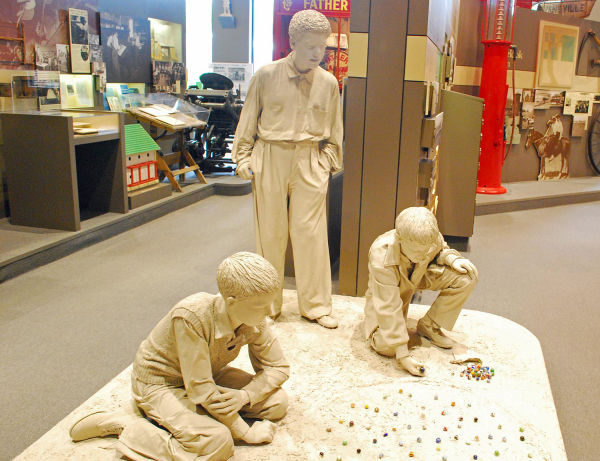
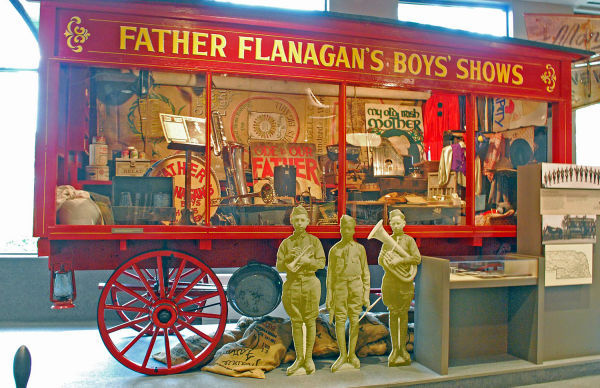
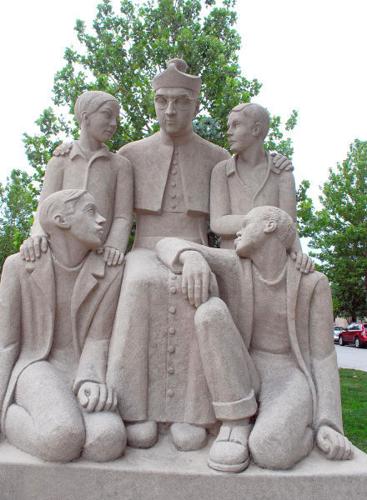
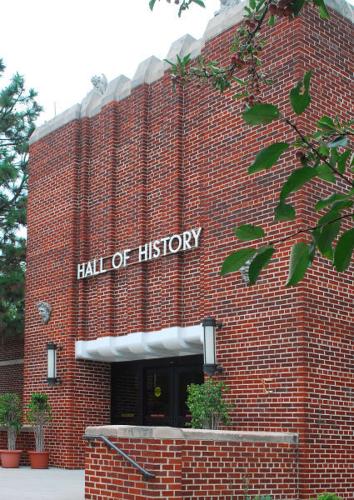
A tour of the grounds includes stately trees, flowering gardens, farmland, memorial statures and fountains. One stop on the tour is the Hall of History, a museum telling the story of Boys Town with artifacts and displays. The museum is housed in the former dining hall built by Father Flanagan in 1939. Some of the artifacts include the Best Actor Oscar presented to Spencer Tracy for his portrayal of Father Flanagan in the movie “Boys Town”.
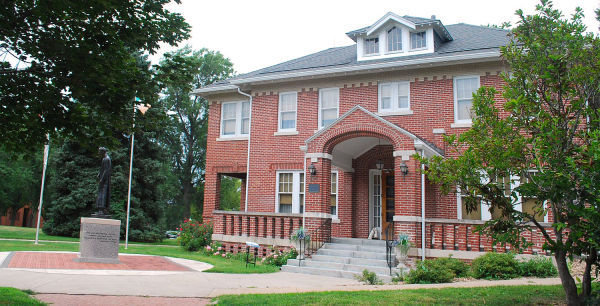
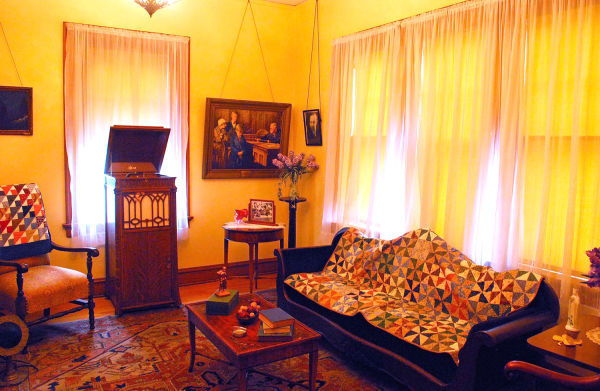
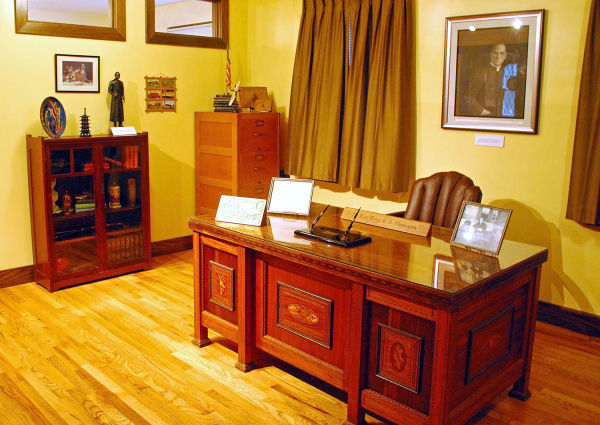
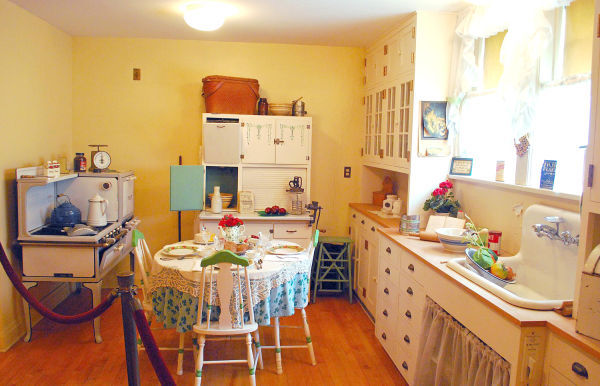
Also on the tour is the Father Flanagan House museum, which is the former residence of the Boys Town founder constructed in 1927. The house has been restored and decorated as it was in 1929 and has many of his personal possessions on display. One of his prized possessions is a desk made for him by his boys. The desk in his study consists of more than 250,000 inlaid pieces of wood from 25 different varieties of trees.
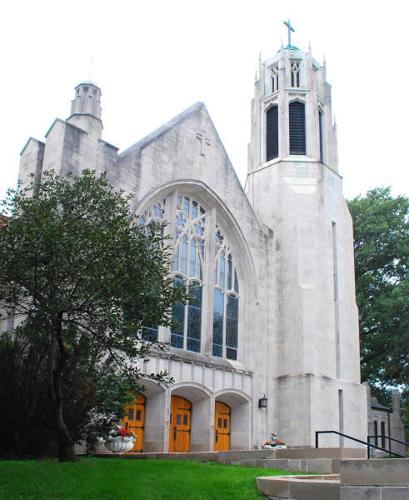
Visitors can also visit Dowd Chapel in the center of the campus, which contains Father Flanagan’s tomb. The 15th century design Gothic church is where visitors and Boys Town residents attend mass throughout the year. Father Flanagan often said, “All boys need to learn how to pray, how they pray is up to them.”


