


ALAMOGORDO, N.M. – The sprawling White Sands Missile Range in southern New Mexico is where the United States Army tests many of its latest weapons. The site is probably best known as the place where the first atomic bomb was detonated on July 16, 1945.
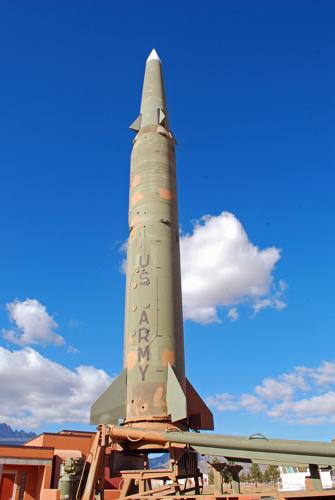
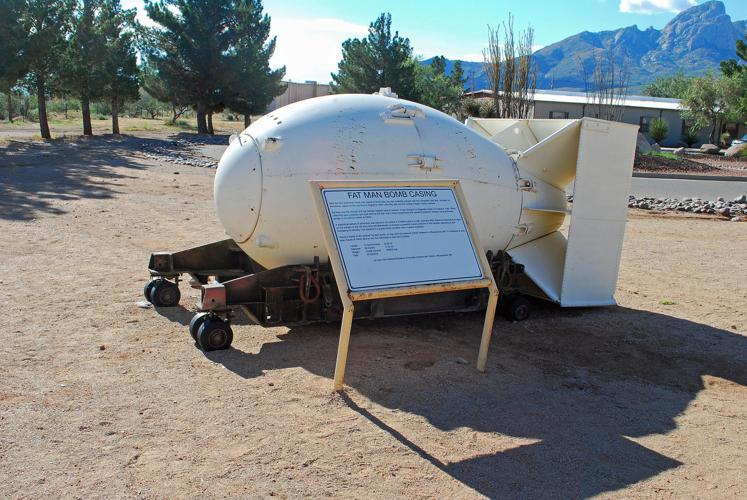
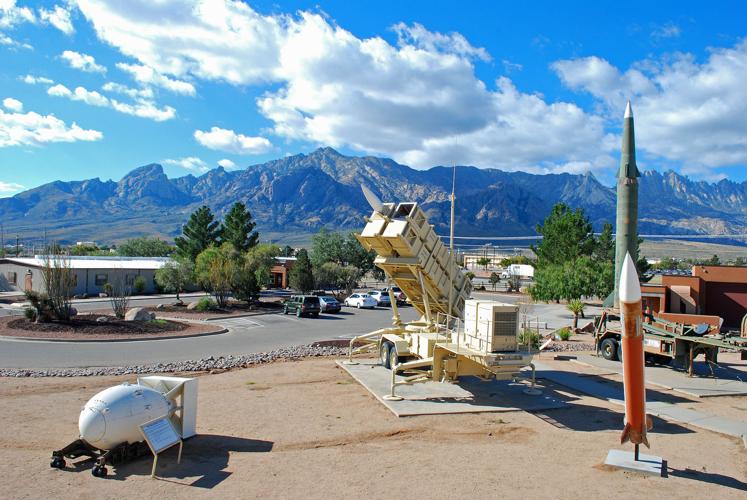
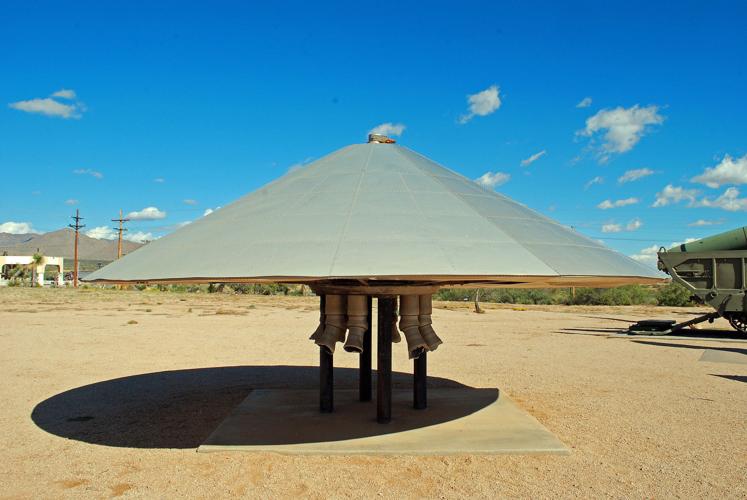
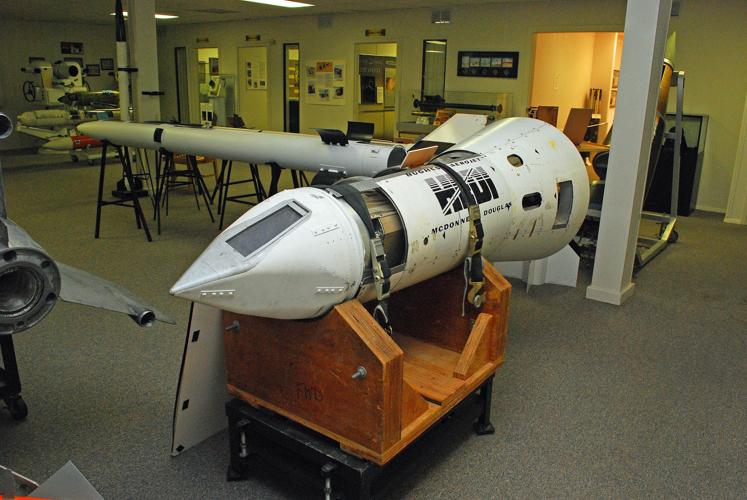
While most of the base is off limits to civilian visitors, just inside the main gate is a missile park displaying all the missiles and rockets tested there, and nearby is a museum telling the history of White Sands. Both are open to the public.
Up until the 1800s the New Mexico desert was largely ignored by most people and even scorned by some. It was said that in 1848 a young military officer was sent to the area after the Mexican–American War to report on what the United States had won. The young officer’s name was William Tecumseh Sherman, who would go on to become a successful Union General during the Civil War. When Sherman reported back to Washington, D.C., he told President Zachary Taylor, “Sir, we may have to go to war with Mexico again.” The president was shocked and asked why that would be. Sherman replied, “To make them take the damned place back.”
People are also reading…
But many years later, after WWII began, the Army started looking for a remote place to test weapons and they found it at White Sands. The huge, desolate area was perfect for their needs. The range is an amazing 3,200 square miles, making it as large as Rhode Island and Delaware put together.
The first major weapon to be tested at White Sands was the atomic bomb. On the morning of July 16, 1945, the bomb was detonated. Scientists and dignitaries positioned themselves 10,000 yards from the site to observe the explosion. The mushroom cloud roared 40,000 feet in the air above the desert. It generated the destructive power of 15,000 to 20,000 tons of TNT. The tower holding the bomb was vaporized.
After the war White Sands continued to test other less destructive military weapons, rockets and missiles. The test range now has an area for testing high power lasers and another location called Hot Target Areas where real warheads are used.
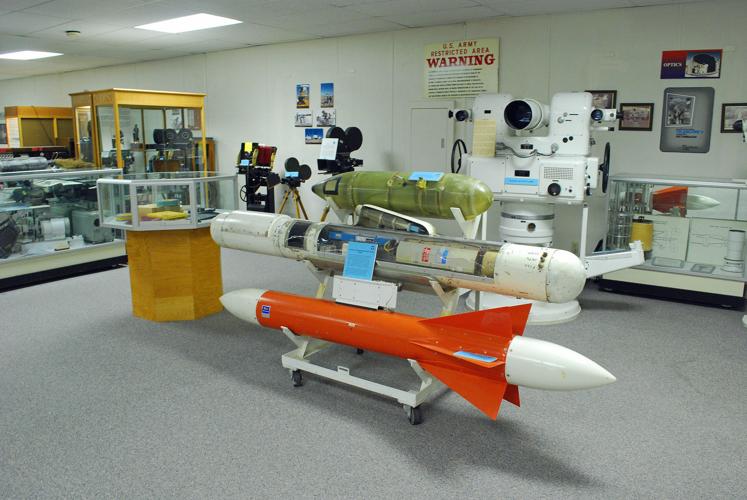
The first thing visitors see at White Sands after entering the main gate is the Missile Park displaying a variety of missiles and rockets tested at the base. These include everything from the early days of rocket and missile research, like the Army’s WAC Corporal and the Loon, which was the Navy’s version of the German WWII weapon the V-1 rocket. There are also modern missiles like the Pershing II and Patriot. There are more than 50 items on display.
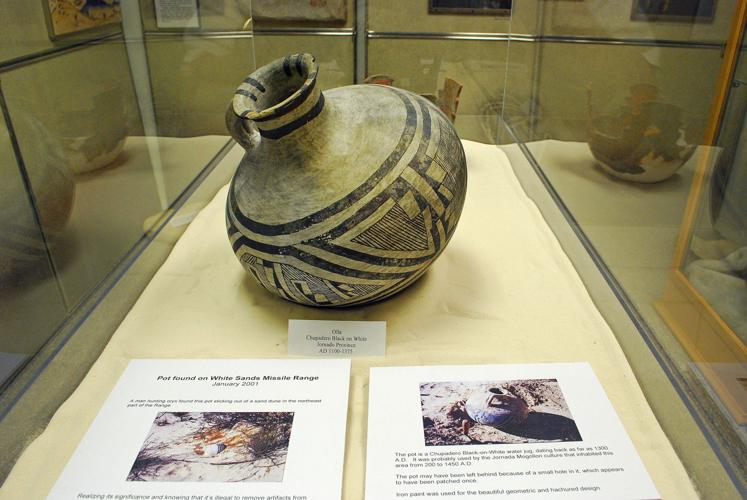
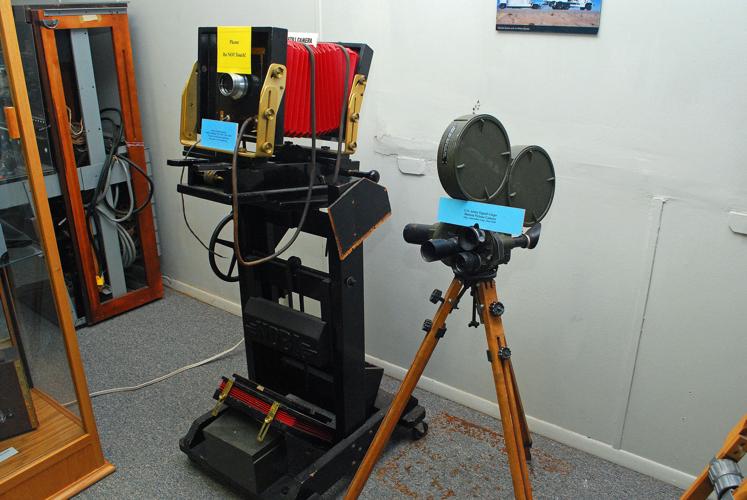
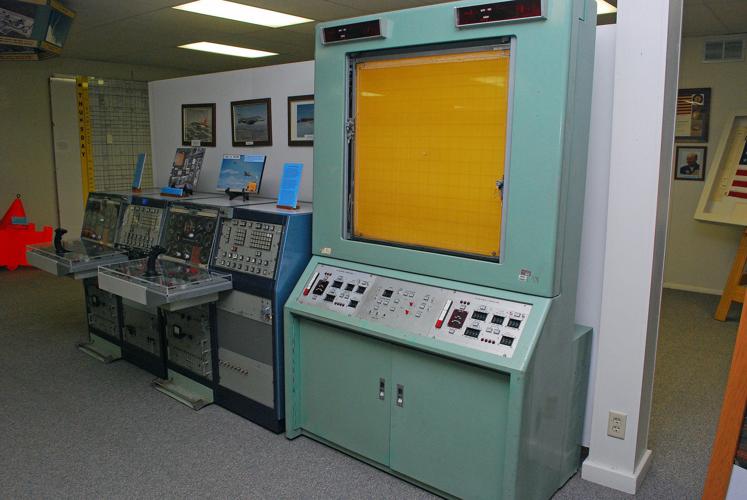
Inside the museum are artifacts from the prehistoric culture of the area along with the story of the Old West in New Mexico and displays about the missile range. Since every missile or rocket launched had to be photographed, there are numerous film and still cameras once used at the range. Also on display in the museum are several control stations used for tracking the missiles.
One display in the museum is dedicated to the Missile Tracking dogs at White Sands. When a missile is launched it can travel miles downrange before returning to earth. During the 1960s scientists were having a difficult time tracking the missiles even though they carried instruments on board that transmitted their location and they were tracked by radar. The solution was to coat the missiles before launch with squalene, a shark liver oil almost odorless to humans but easily detected by dogs. After the missile’s general landing area was located by radar, dogs and their handlers were taken to the site by car or helicopter. The dogs usually found the missile within an hour.
The museum also has a gift shop with paintings and sculptures from local artists along with a variety of clothing, books and souvenirs relating to New Mexico and White Sands.


