

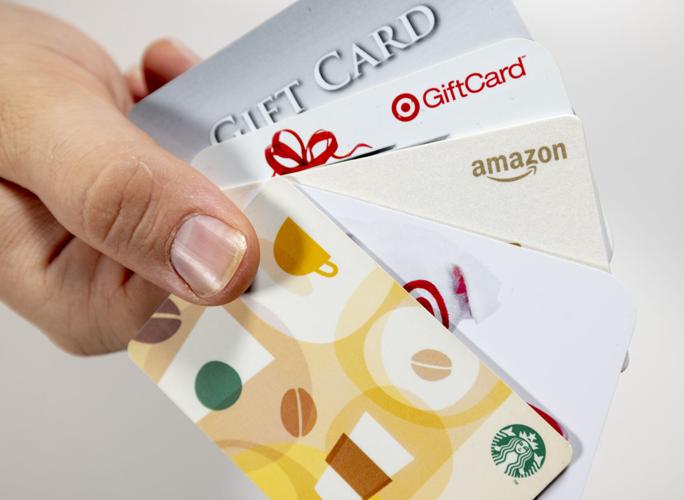
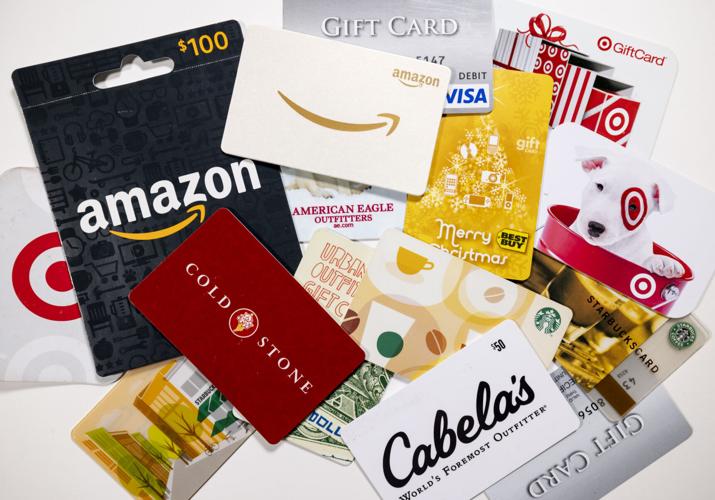
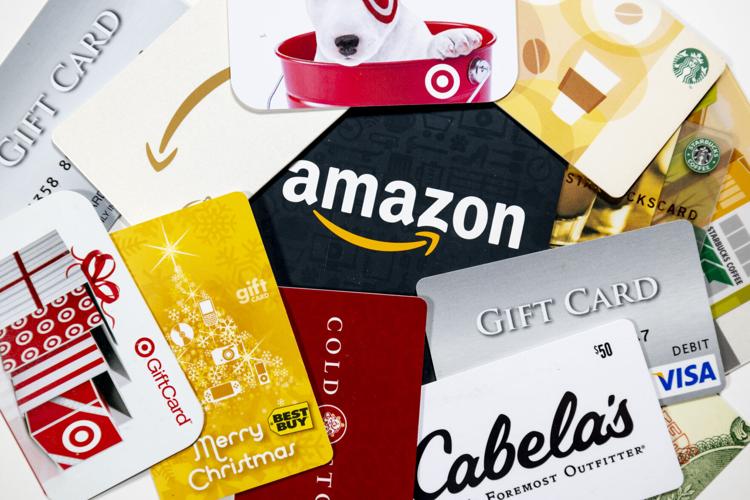
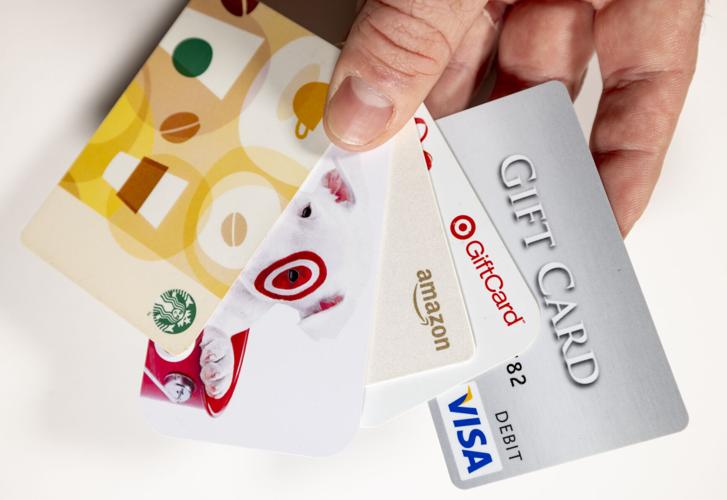
SIOUX CITY -- Prior to 2014, lost or forgotten gift card funds in the state of Iowa would, after a period of five years, be turned over to the state treasurer's office as unclaimed property so that the owner could be located through the Great Iowa Treasure Hunt.
"And of course, with the Great Iowa Treasure hunt, we did everything we could to return the money," said Iowa Treasurer Mike Fitzgerald.

Mike Fitzgerald
But that summer, eight years ago, a new state law went into effect that allowed merchants to hold onto gift card funds indefinitely, assuming the issuer of the card does not charge fees and assuming the card has no expiration date. (If an issuer does charge fees or if the card has an expiration date, the funds still have to be turned over to the treasurer's office after a period of years, but relatively few gift cards have fees or expiration dates; consumers would likely find these off-putting.)
People are also reading…
On the flip side, retailers who issue non-expiring gift cards were also required by that law to honor their gift cards indefinitely. But as Bill Brauch, then the director of the consumer projection division of the Iowa attorney general’s office, told Radio Iowa around the time the law went into effect: “That may benefit consumers to the extent they lose a card and find it five years later, but odds are not many of them are going to fall into that category."
The gift-card law was viewed by some state officials as, more than anything, a gift to merchants, who could retain the money paid to them for a gift card without having actually sold anything at all.
"Most businesses just keep (the money) -- because let's face it, if you haven't used a gift card in about a year, you're probably not going to use it," Fitzgerald said. "The Chamber of Commerce, businesses, they know that, and so that's why they offered that. That was kind of the way the Iowa law was cut."
Gift cards -- a prepaid debit card, usually for a selected merchant or a payment service like PayPal -- have surged in popularity since their introduction to the market in the 1990s. They're hot sellers around the holidays as a staple gift for the proverbial hard-to-shop-for recipient. The giver need not know the recipient's tastes, nor venture a guess of their measurements, and can instead gift a set amount of money to be redeemed on goods or services of the recipient's choosing.
The total dollar-amount of gift cards sold in the U.S. is mind-boggling, with some estimates as high as $767 billion in 2020 (other estimates vary widely), and projections suggesting the yearly total could reach into the trillion-dollar-plus mark in this decade.
A study published earlier this year for creditcards.com suggests that nearly half of Americans -- about 47 percent -- have unused gift cards. The average amount of unspent gift cards, store vouchers and credits is $175 per person, according to the website -- for a total of about $21 billion.
Since the state treasurer's office is no longer able to seize forgotten gift card funds as unclaimed property, they came up with advice for buyers and recipients of gift cards.
"We always tell people -- you know, treat gift cards as cash. Use it right away, because the longer you hold it, the more likelihood it's going to be lost, or you just forget about it," Fitzgerald said.
This advice is sound for several reasons, beyond the rationale of preventing the gift card from being forgotten or lost. With prices on the rise, a gift card of any denomination might not have the same amount of purchasing power as it did when it was issued, unless it's used quickly. And if a retailer goes bust, the only way a gift-card holder could get anything back would involve getting in line as a creditor in bankruptcy court, a step few if any would be willing to take.
The best defense against a misplaced gift card? Give 'em the slip.
"When you buy a gift card, keep the receipt. Because, you know, after a year or two, you go back to the business and, 'Oh, sure, you had a gift card here,'" Fitzgerald said. "Well, here's the receipt!"