

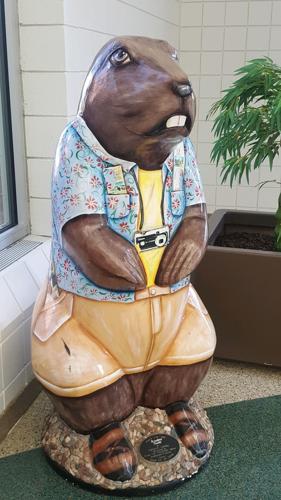
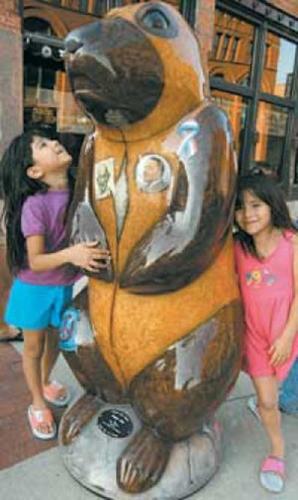
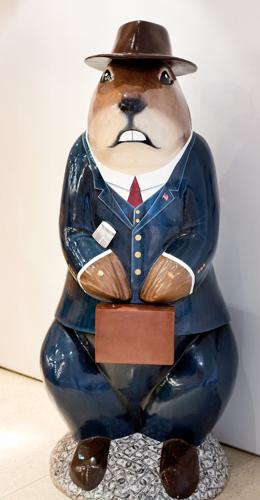
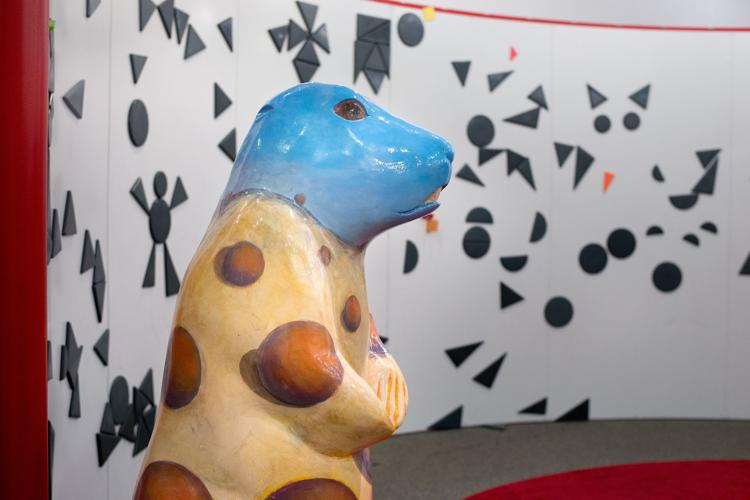
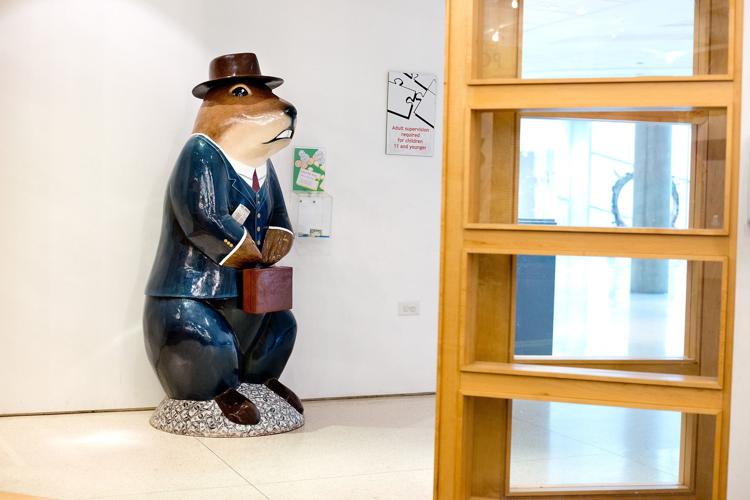
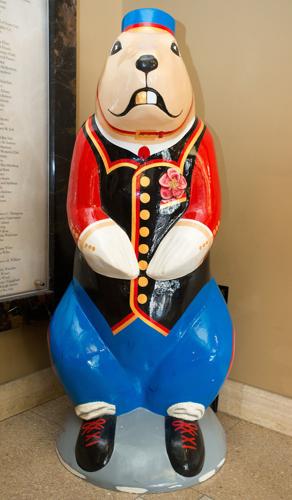
SIOUX CITY -- Years before "the selfie" surged in popularity with the advent of social media apps such as Instagram and Snapchat, Siouxland visitors and residents alike, flocked to select locations throughout Siouxland to have their photo snapped alongside more than 40 fiberglass prairie dogs, which were hand-painted by students and local artists.
"The artists did such a great job with it," said Marcia Poole, who served as a member of the Prairie Dog Committee. "Everybody would want to stop and see what they were. There was a certain whimsy in it."
The Sioux City Art Center's Prairie Dog Quest (PDQ) wasn't the first to showcase artistically enhanced animals to boost local tourism and enhance civic pride. According to a press release Poole wrote back when organizers were seeking support for the project, 815 cows went on public display in Zurich, Switzerland, in 1998. Chicago borrowed the idea in 1999 and created "Cows on Parade," a tribute to the community's meat-packing heritage. Cincinnati's "The Big Pig Gig," Seattle's "Pigs on Parade" and San Jose's "SharkByte," followed.
People are also reading…
Lou Ann Lindblade, who also served on the committee, said members met every Monday for a year in order to make the PDQ a reality. The first of four hand-painted fiberglass prairie dogs was unveiled in Siouxland in May 2002.





"It was a pretty cool project," she said. "People got the idea that you could put art on the corner and, as long as you bolted it down, it wouldn't disappear. Before that, there had never been anything on the streets."
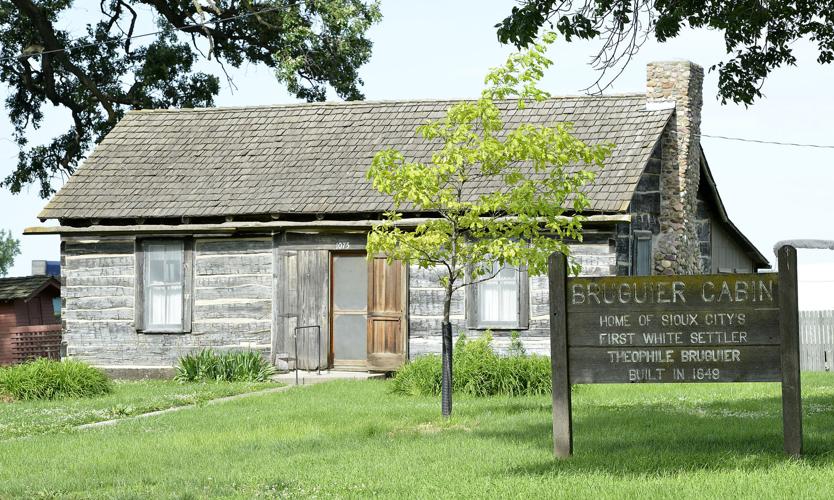
When the project kicked off, just before the opening of the Lewis & Clark Interpretive Center, Poole said many Siouxlanders weren't quite sure what a prairie dog was.
"The prairie dog was a fun story over in present-day Lynch, Nebraska, where they were trying to get the prairie dog out," said Poole, who recently retired from her position as executive director of the Lewis & Clark Interpretive Center. "I didn't think a lot of people new what it was. Well, they quickly learned. It was a great introduction into the Bicentennial."
When they traveled through Siouxland in August and September 1804, Lewis and Clark and the Corps of Discovery were fascinated by the "barking squirrel" that proved difficult to capture. The 5-foot-tall themed prairie dog sculptures were just as beloved by Siouxlanders of all ages, who pounded the pavement with maps in search of the critters.


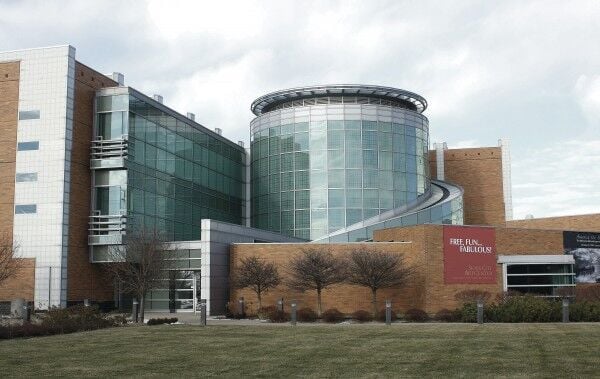


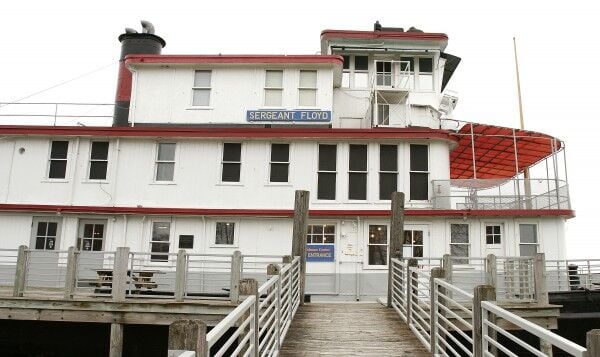






The PDQ included "Peace Dog," a statue adorned with images of some of the world's greatest peacemakers, including the Rev. Martin Luther King, President John F. Kennedy, Anne Frank and Mahatma Gandhi, which ended up finding a permanent home in West High School's Library; "Prairiewether Lewis & William-Dog Clark," which initially rowed its small canoe ashore at the Lewis & Clark Interpretive Center and is permanently displayed at North Middle School's library; and Elvis-themed "I Ain't Nothin' but a Prairie Hound Dog," which resides at WinnaVegas Casino Resort in Sloan, Iowa.
Lindblade said smaller versions of the prairie dog statues were also created for people to place in their gardens. She recalled Rex Mueller, Sioux City's current police chief, even painting a mini police officer-themed prairie dog. Another 13" concrete prairie dog draped in an American flag was given to President George W. Bush.
Lindblade said prairie dog-themed merchandise was also created.
"We did a book. We did little stuffed prairie dogs. We did a poster. We did all kinds of (merchandise)," she said. "The merch wasn't overly successful, although I think the book sold out."
The prairie dogs, which also traveled to the Iowa State Fair and the State Capitol before being auctioned off in October 2003, raised nearly $100,000 for the Sioux City Art Center Association. The project received the 2002 Tourism and Arts Award at the annual Iowa Tourism Conference and spurred subsequent public arts projects in the years to come, including the Discovery Dog project, the sculpture Twigamore and Sculpt Siouxland.
"I think people embraced it. There were some beautiful (prairie) dogs," Lindblade said.
Photos: Lower Fourth Street through the 20th century
Lower Fourth Street
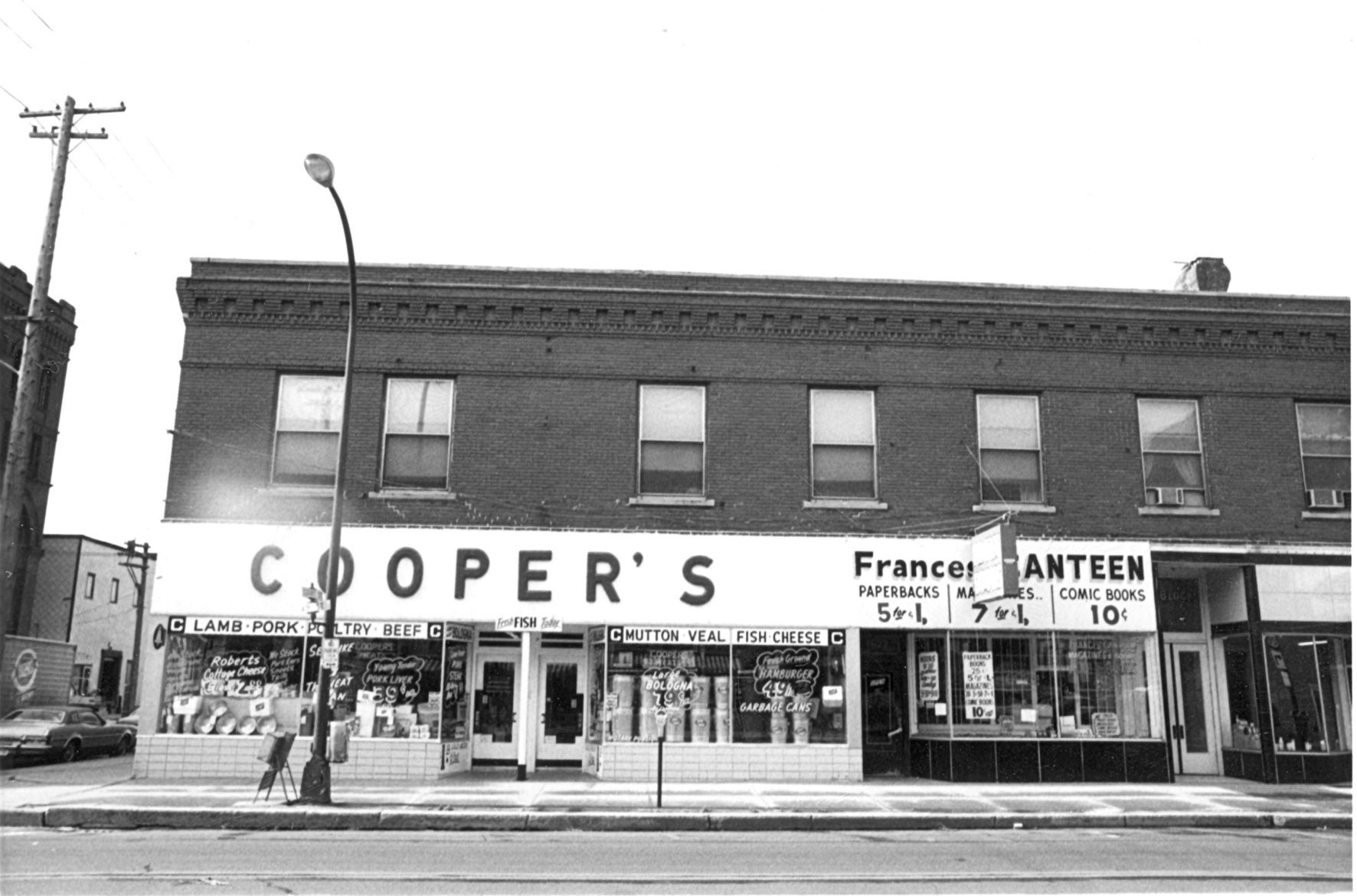
The Lee Block, constructed in 1911 as a multi-use commercial building, was home to billiard halls, saloons, drug stores, furniture dealers, clothing shops and hardware stores. Notable occupants included the O.P. Skaggs grocery store (1931-1951), the Scandinavian Bakery (1933-1973) and Cooper’s Market (1955-1992).
Lower Fourth Street
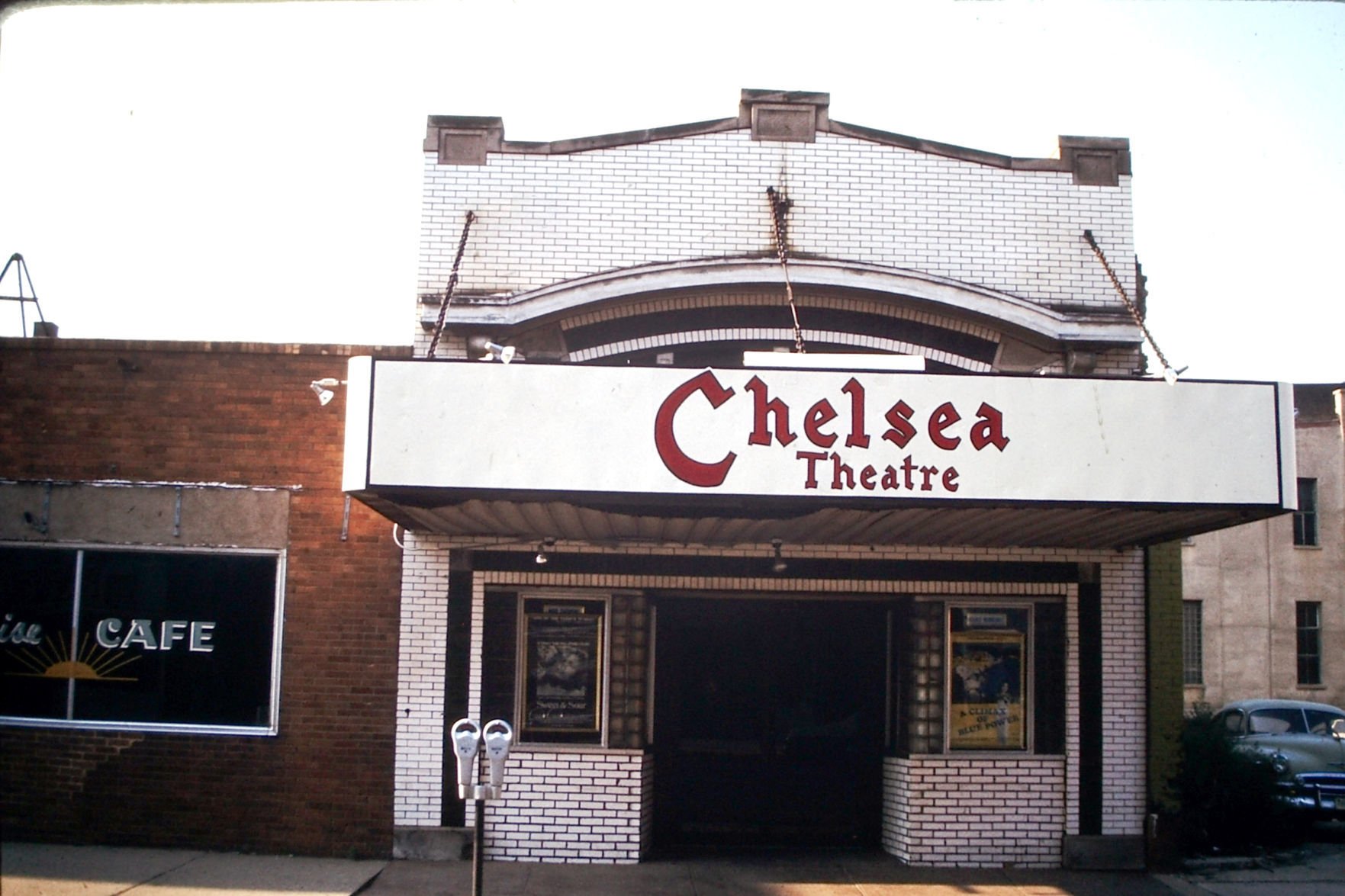
The Chelsea Theatre was located on Fourth Street in downtown Sioux City.
Lower Fourth Street
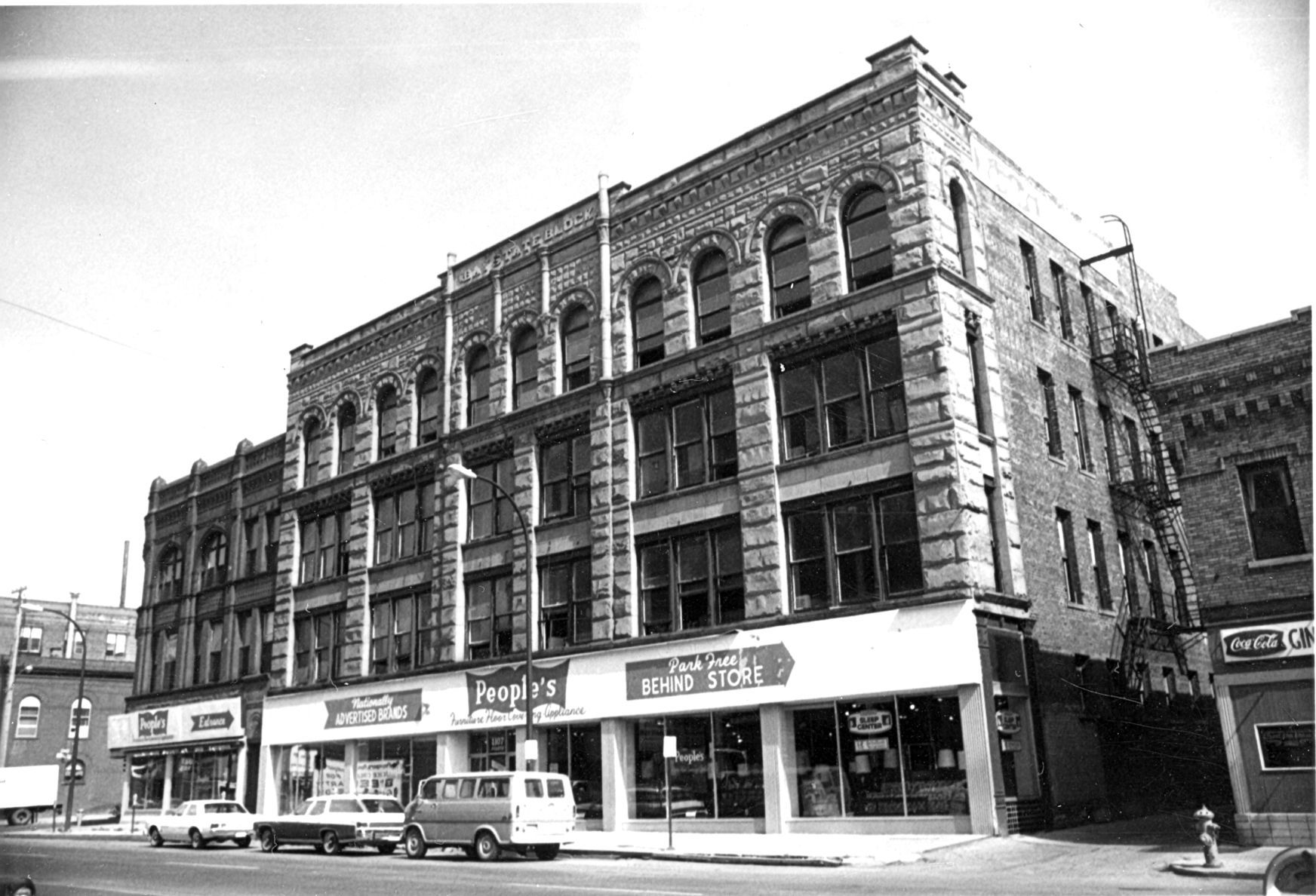
People's Department Store on Fourth Street in Sioux City.
Lower Fourth Street
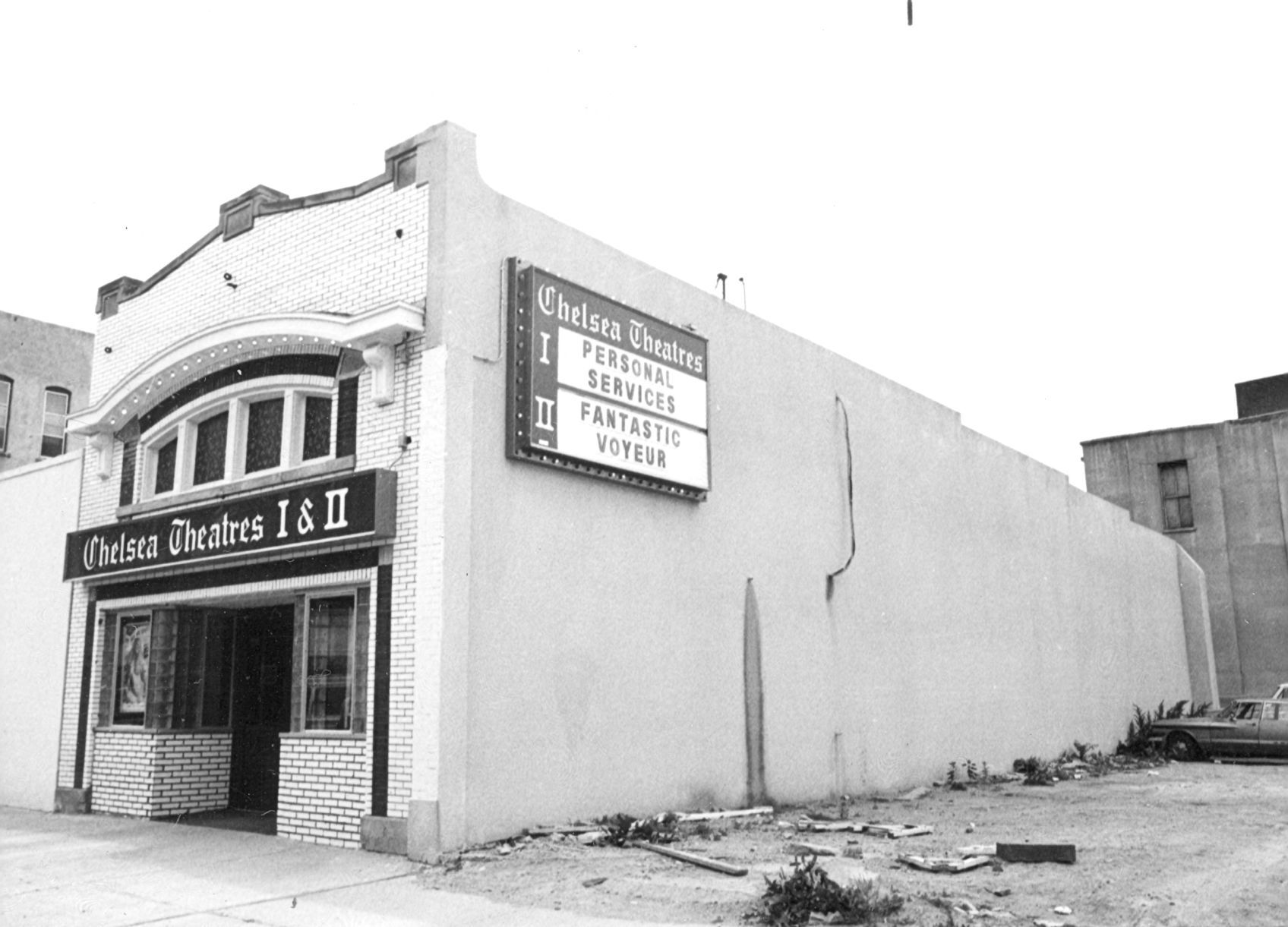
The Chelsea Theatre was located on Fourth Street in downtown Sioux City.
Lower Fourth Street
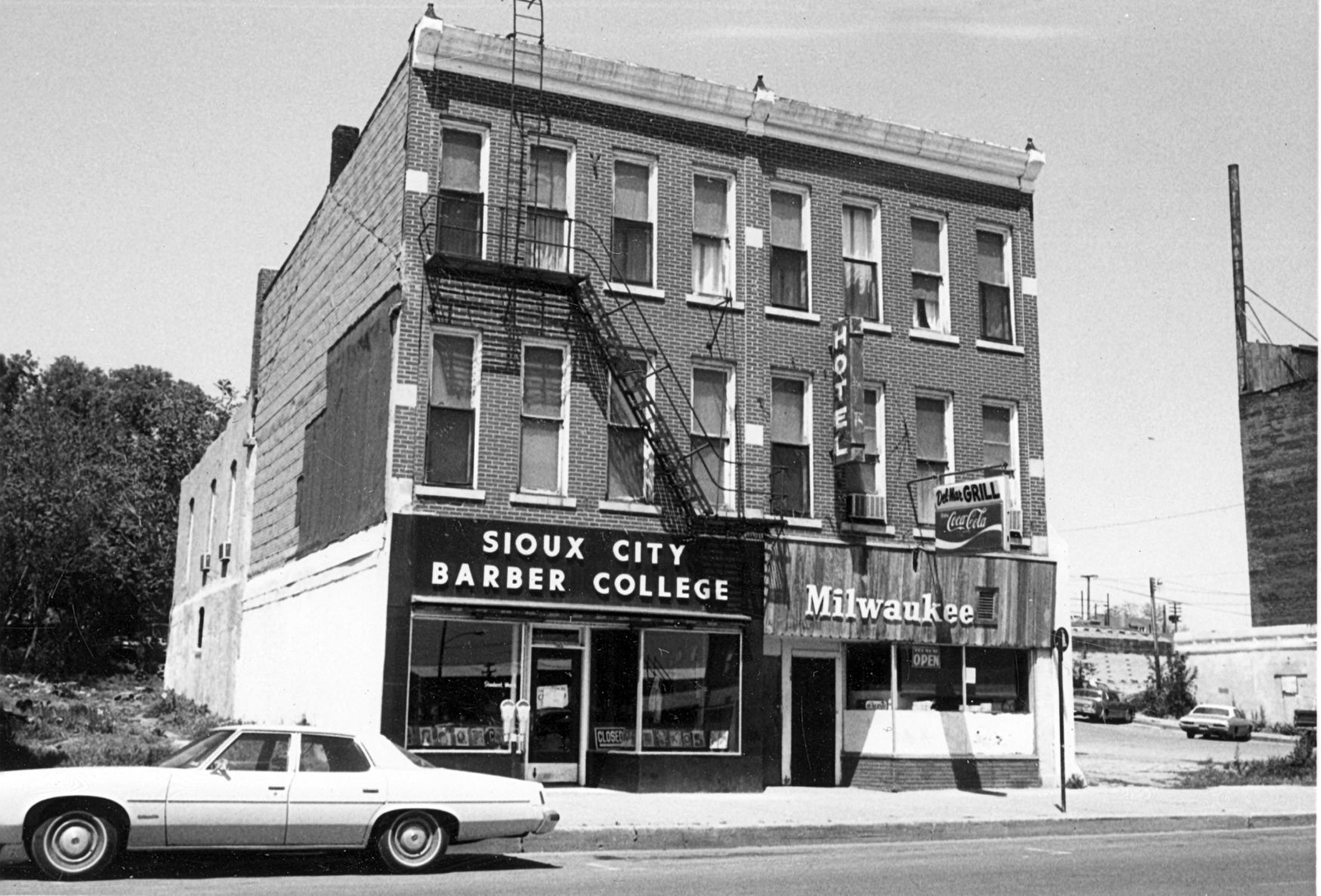
Sioux City Barber College and Del-Mar Grill on Fourth Street in Sioux City.
Lower Fourth Street
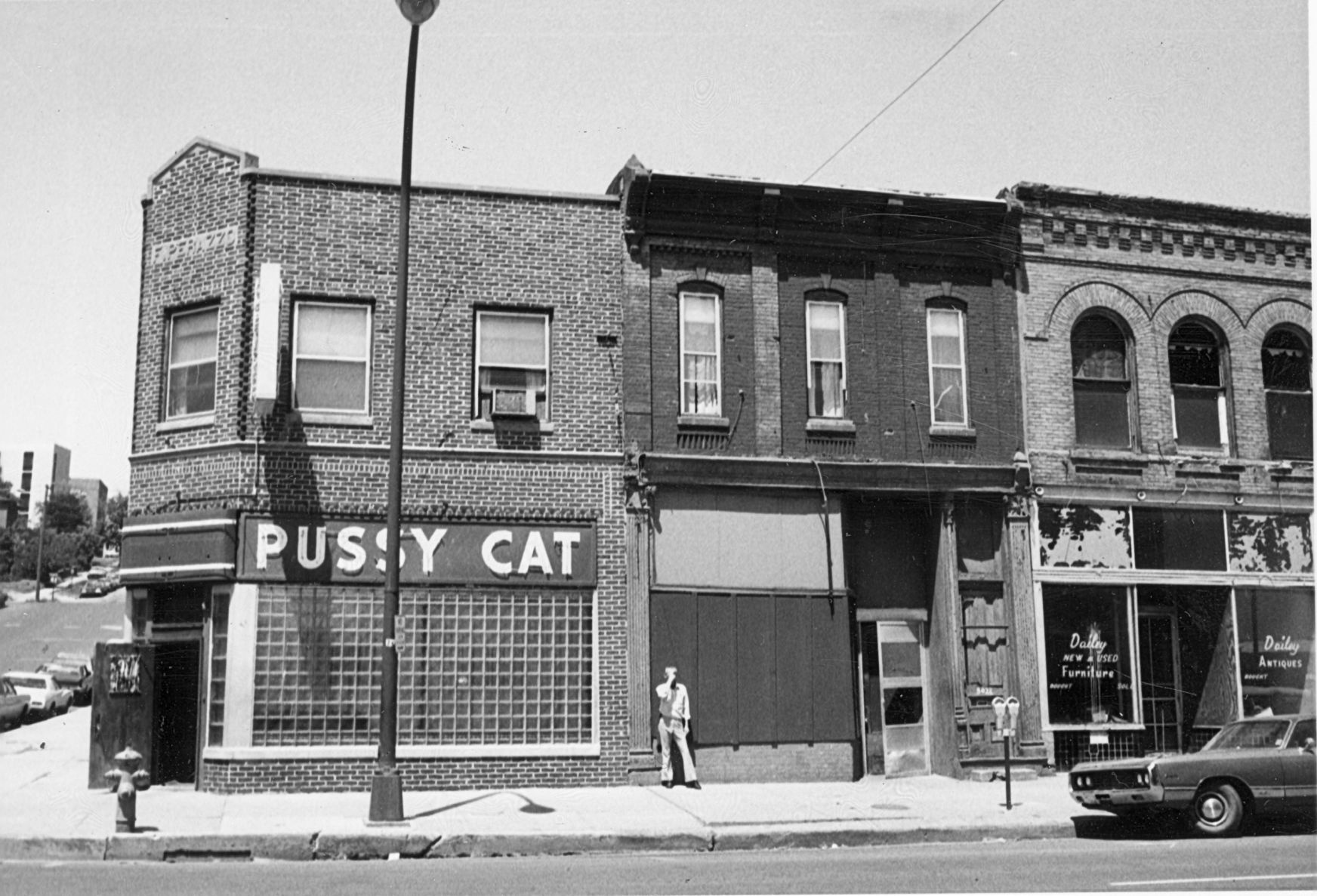
The Pink Pussy Cat was located at 901 Fourth St. in Sioux City. It closed in 1982 and this area of town was torn down in the mid-1980s to make way for the Sioux City Convention Center.
Lower Fourth Street
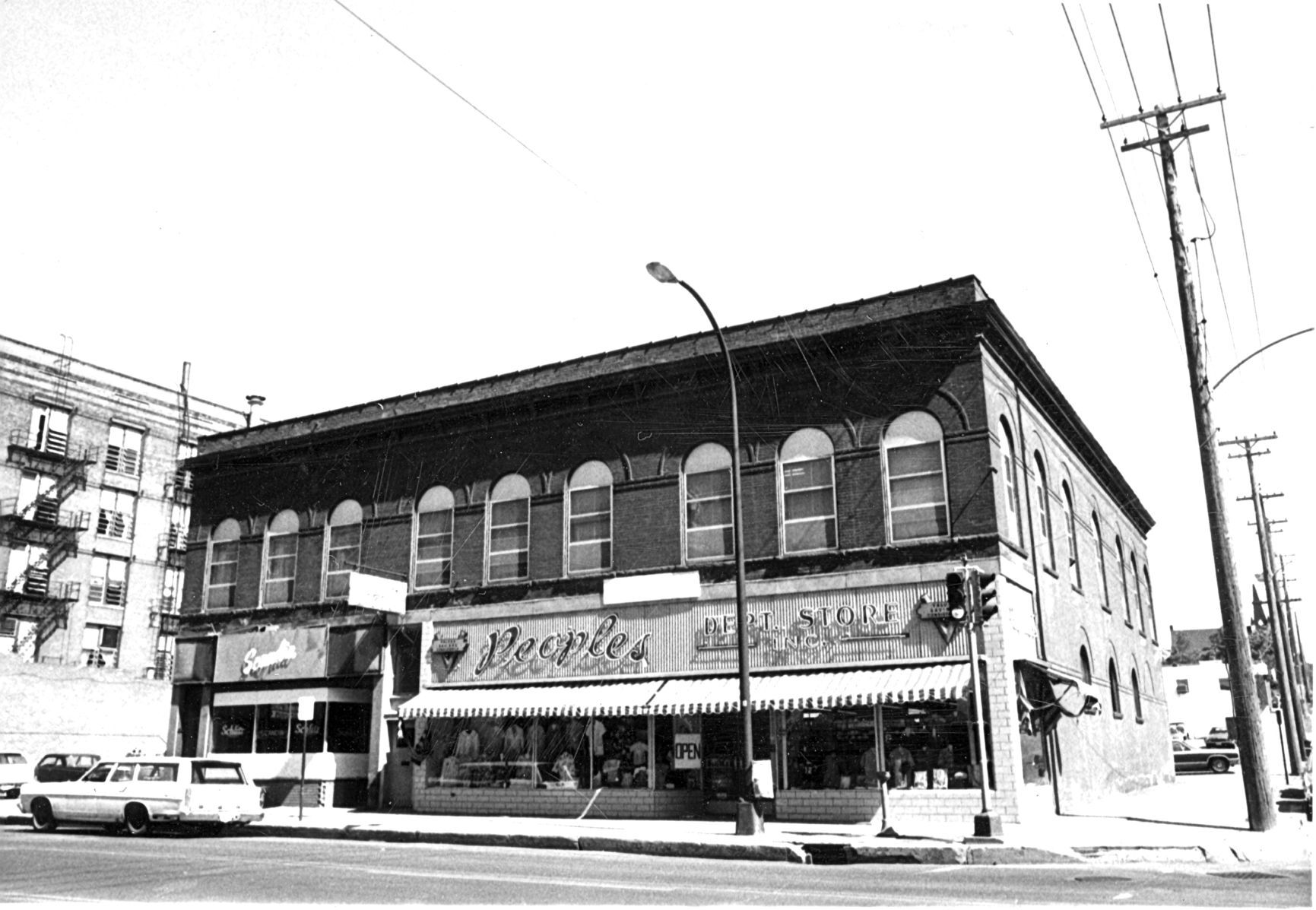
People’s Department Store operated on the northwest corner of Court and Fourth streets from 1937 to 1994.
Lower Fourth Street
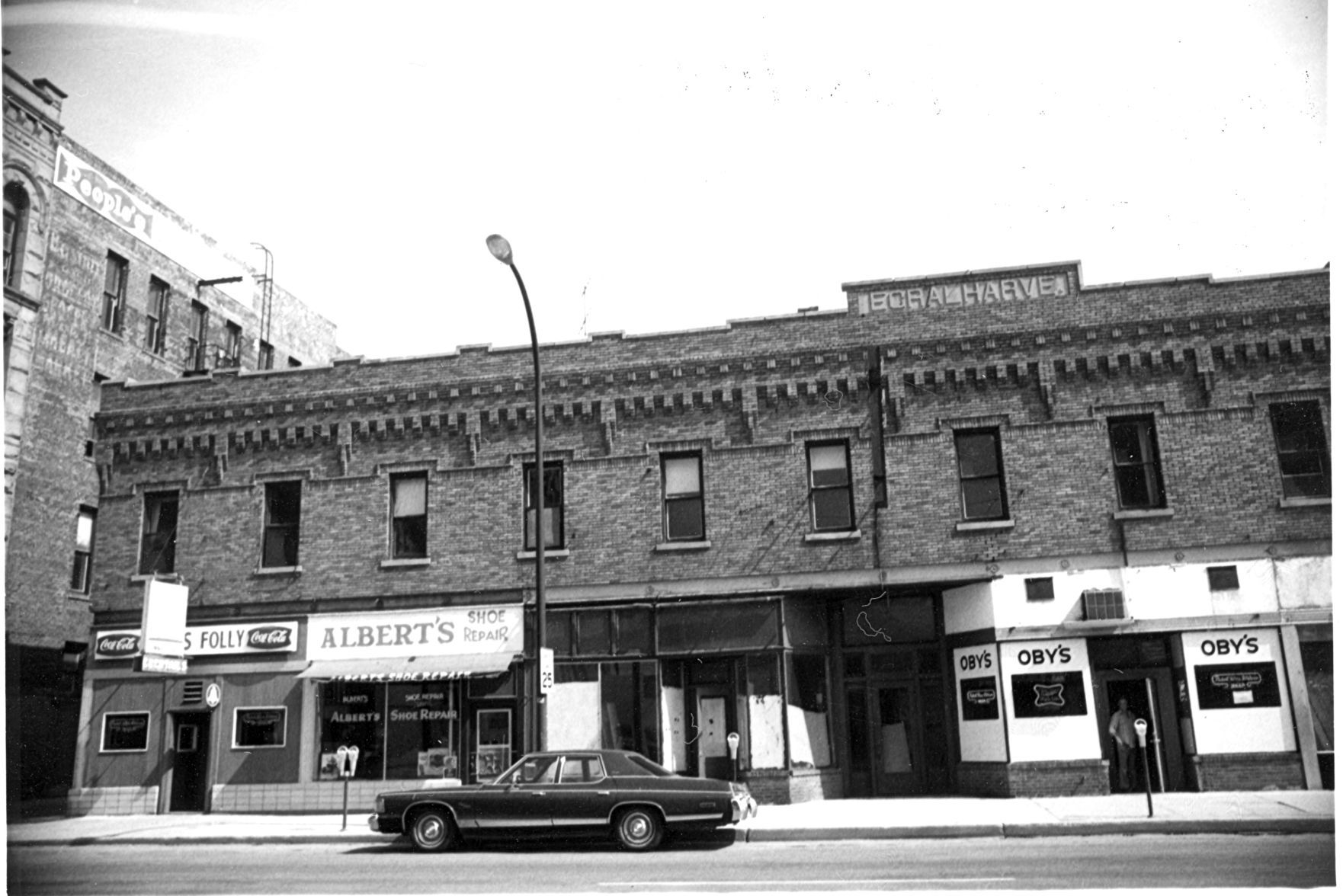
Lower Fourth Street businesses included Albert's Shoe Repair and Oby's.
Lower Fourth Street
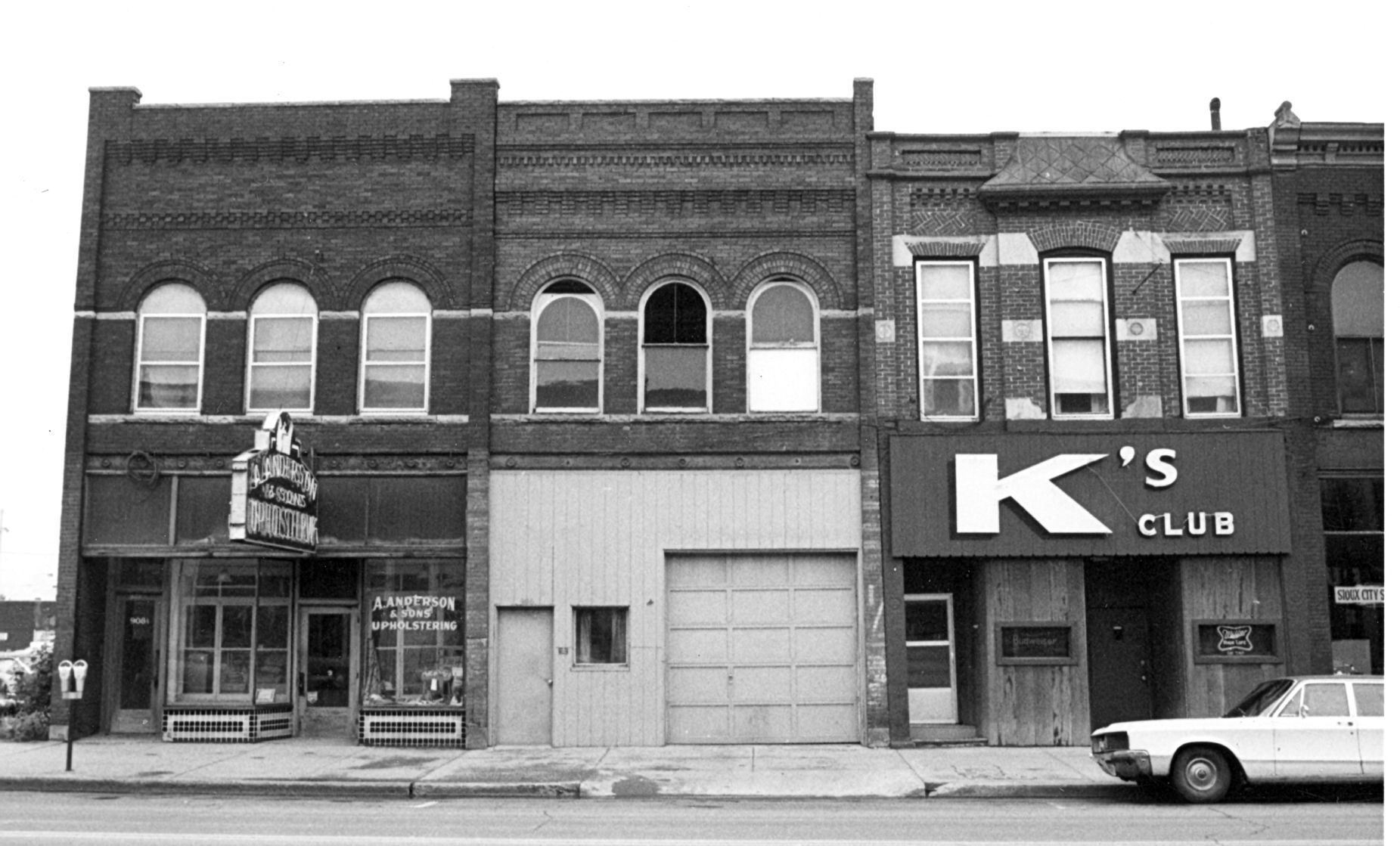
Lower Fourth Street businesses included A. Anderson & Sons Upholstering and K's Club.
Lower Fourth Street
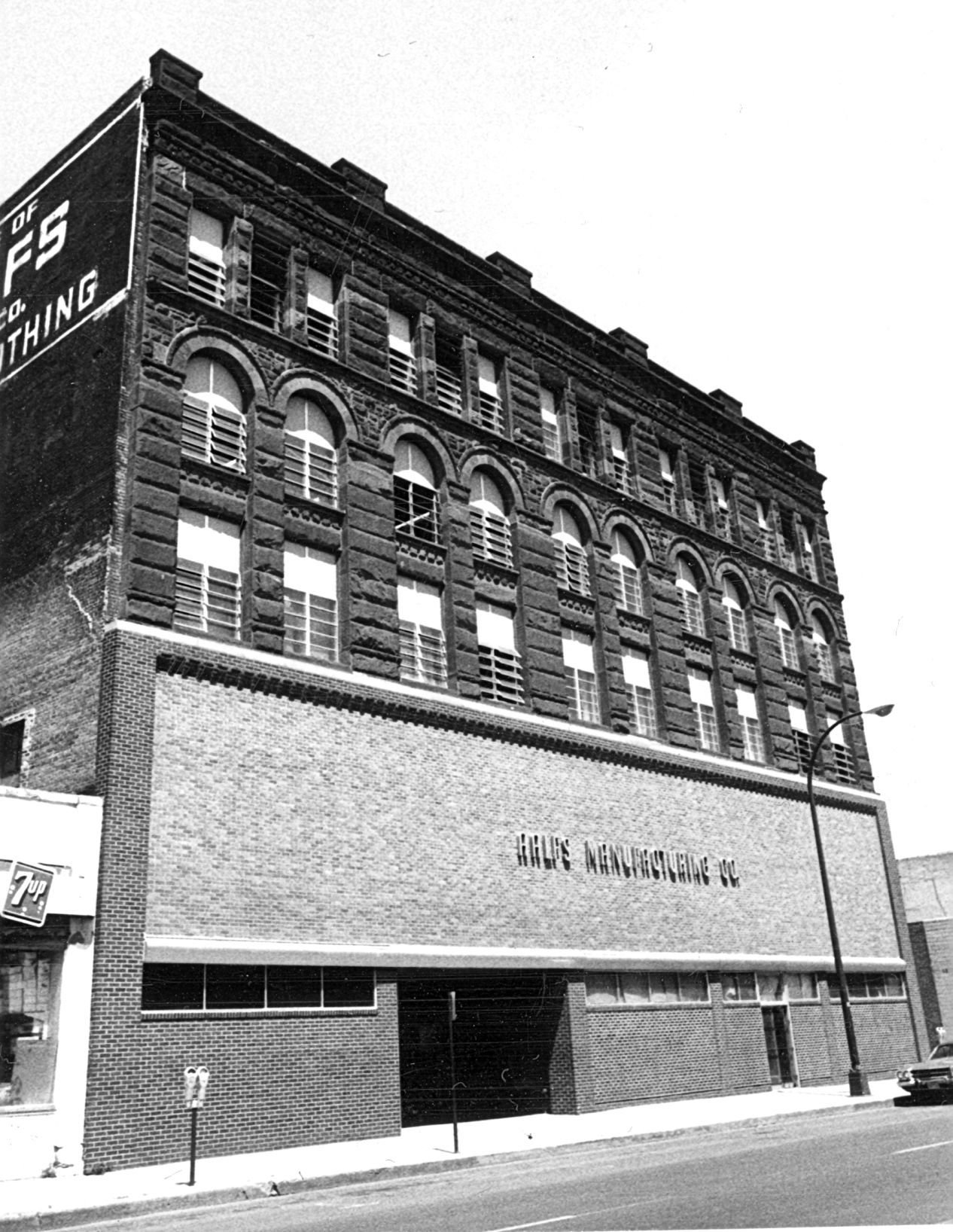
Aalfs Manufacturing has occupied the Boston Block on Historic Fourth Street since 1929.
Harbor Inn
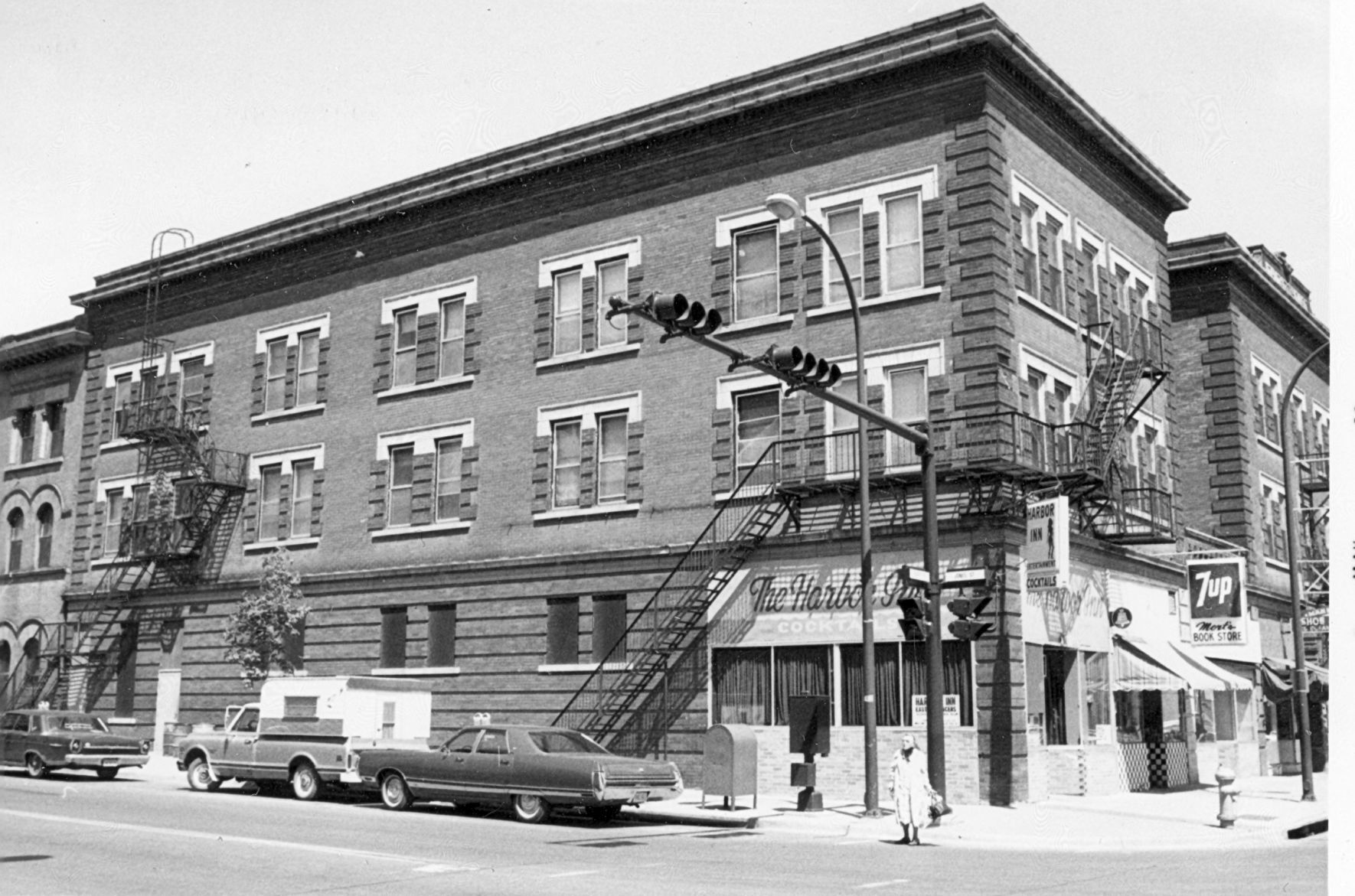
A photograph of the Harbor Inn on Fourth Street in Sioux City.
Lower Fourth Street
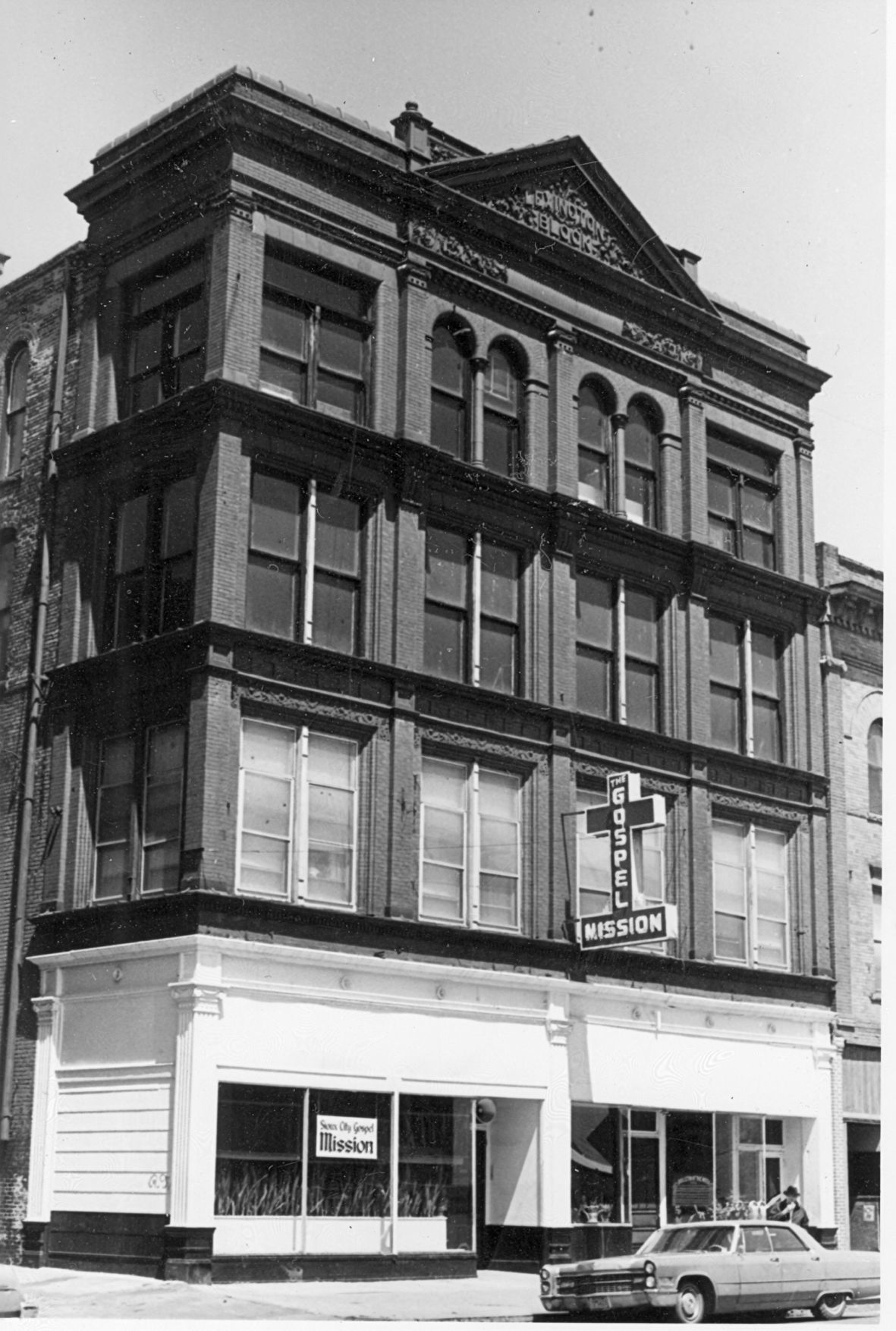
The Lexington Block building was originally occupied by the Dow Clothing Company (1891-95). Notable future occupants included a print shop (1895-97), the Henry A. Baker Company clothes manufacturing firm (1897-1916) and Max R. Mushkin’s clothing store (1917-28). Later, Zimmerman Furniture Company (1933-51) occupied the western half of the building while the Monarch Billiard Parlor (1934-56) operated the eastern half. The Sioux City Gospel Mission then owned the building until it was razed in 1987 to make way for the Sioux City Convention Center.
Lower Fourth Street
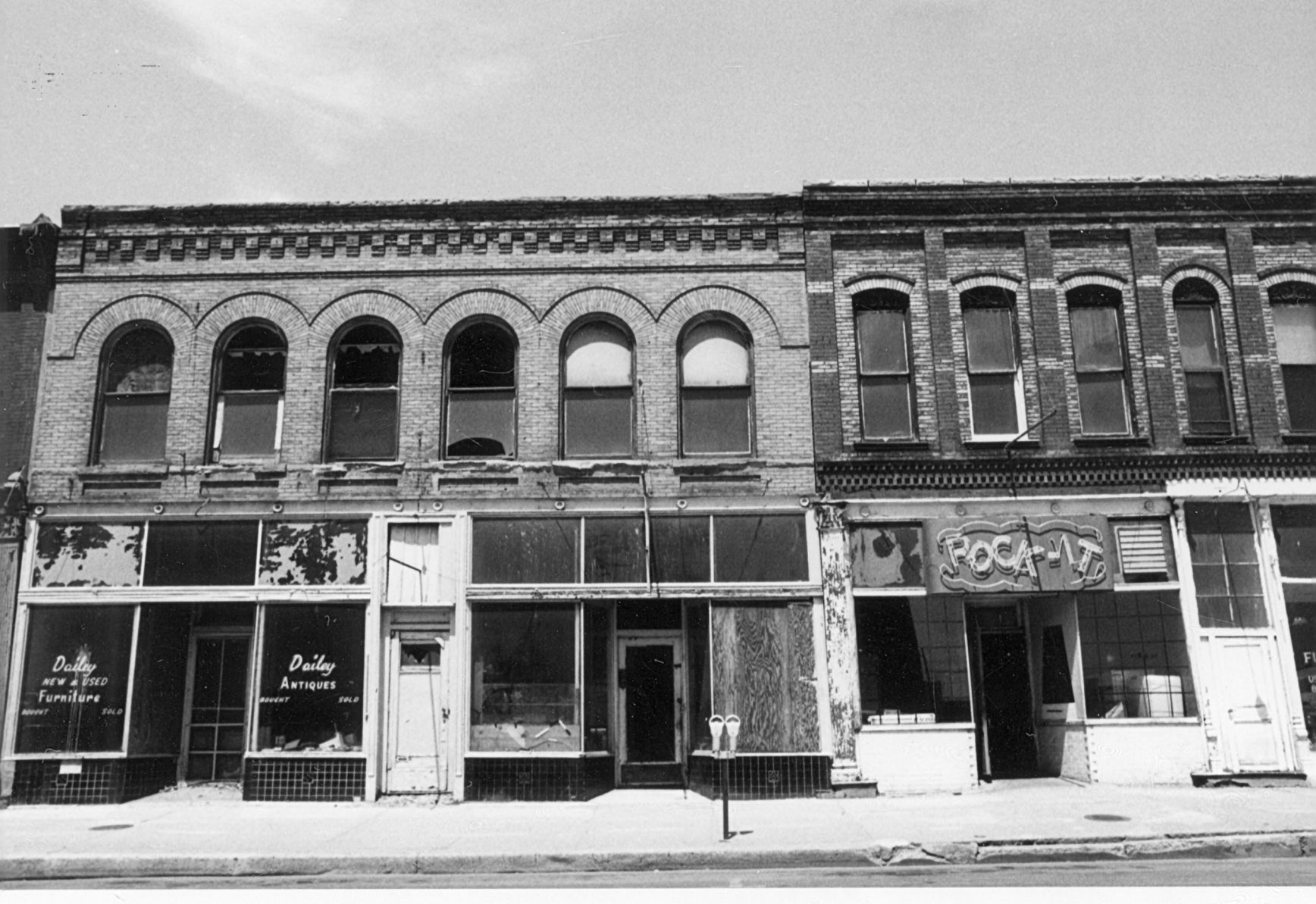
Dailey Antiques was located on Fourth Street in Sioux City.
Lower Fourth Street
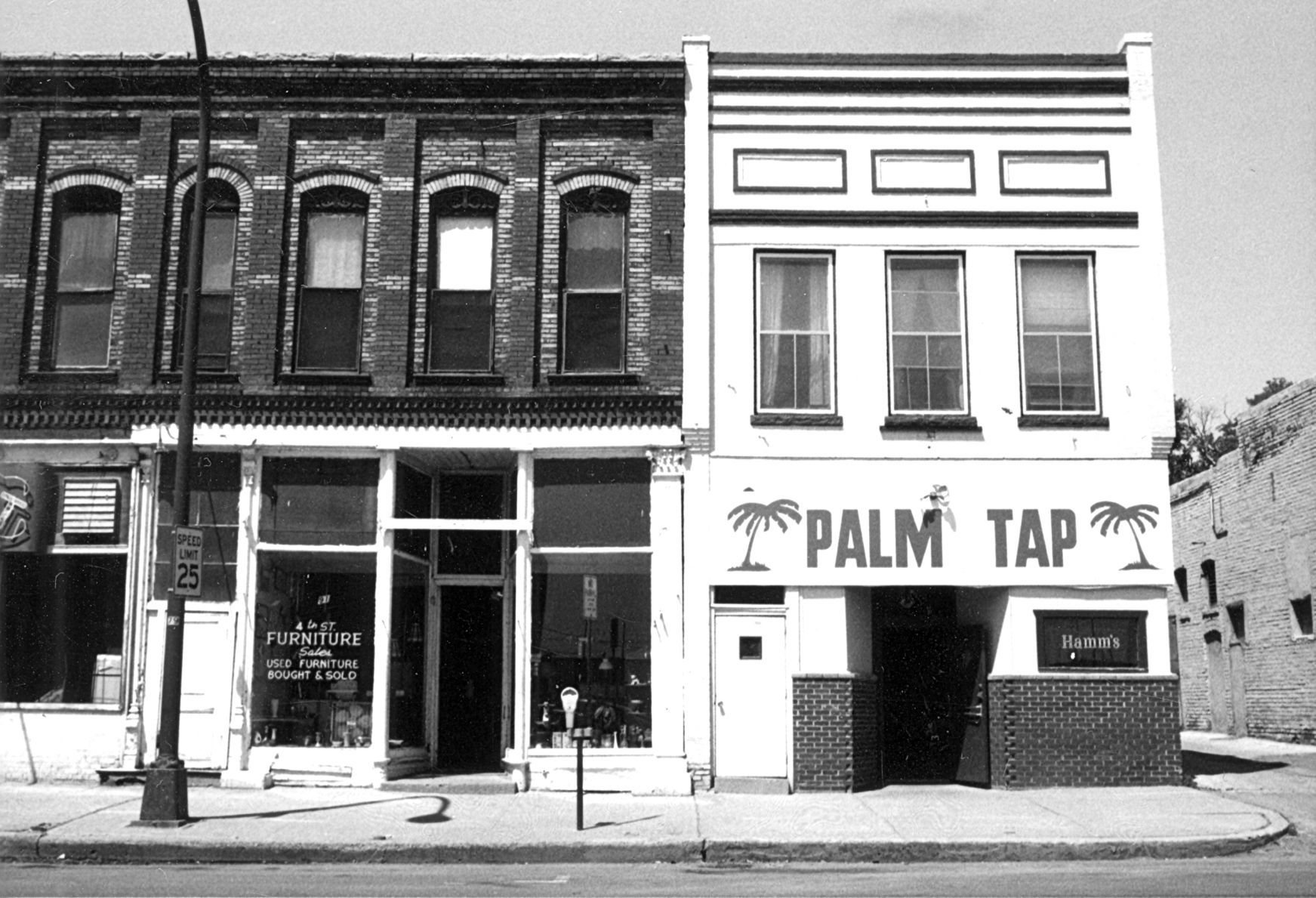
Palm Tap and 4th St. Furniture on Fourth Street in Sioux City.
Lower Fourth Street
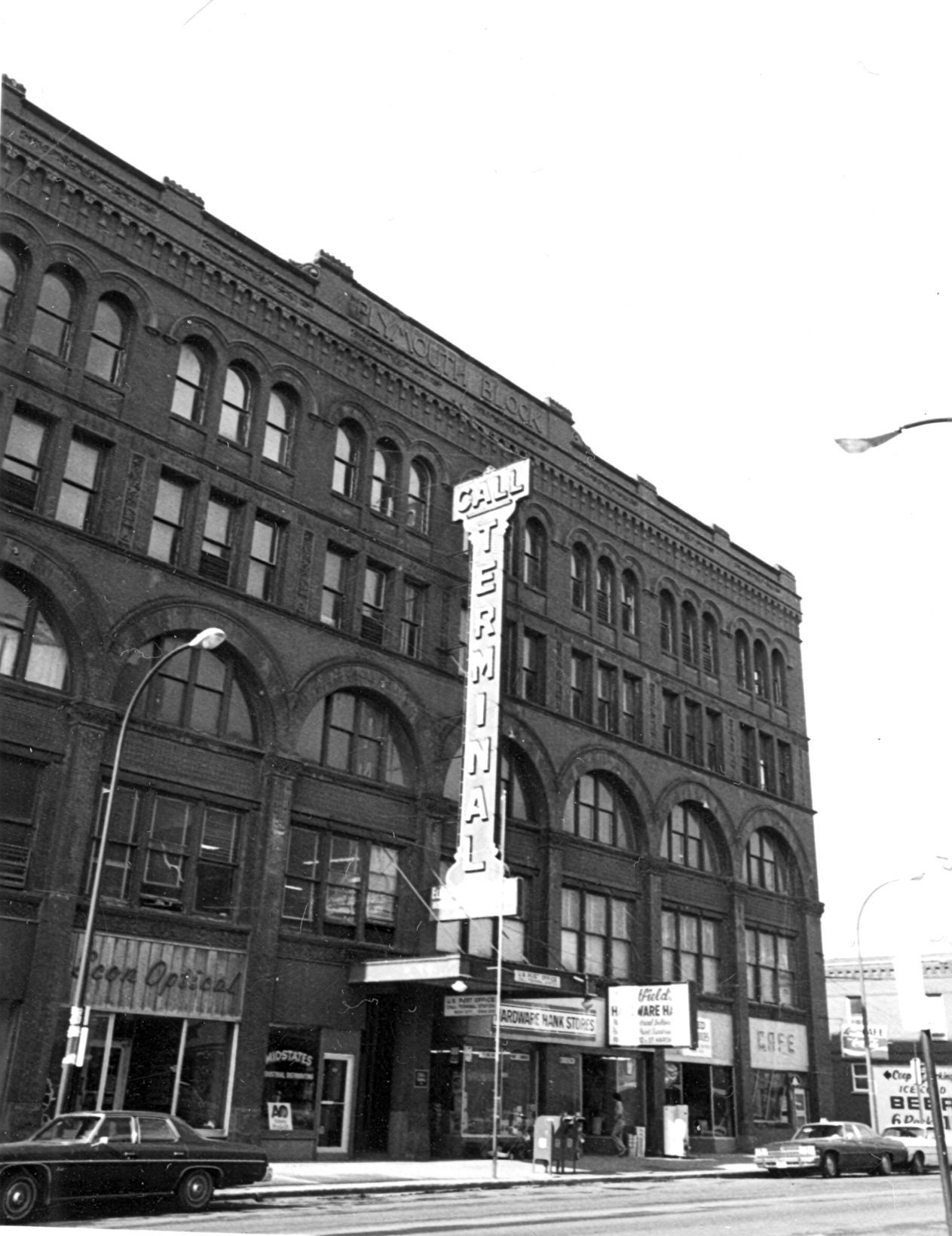
The Econ Optical and Hardware Hank stores are shown in this photo of the Call Terminal Building, which was renamed in 1930 after it was purchased by local financier and real estate developer George C. Call.
Lower Fourth Street
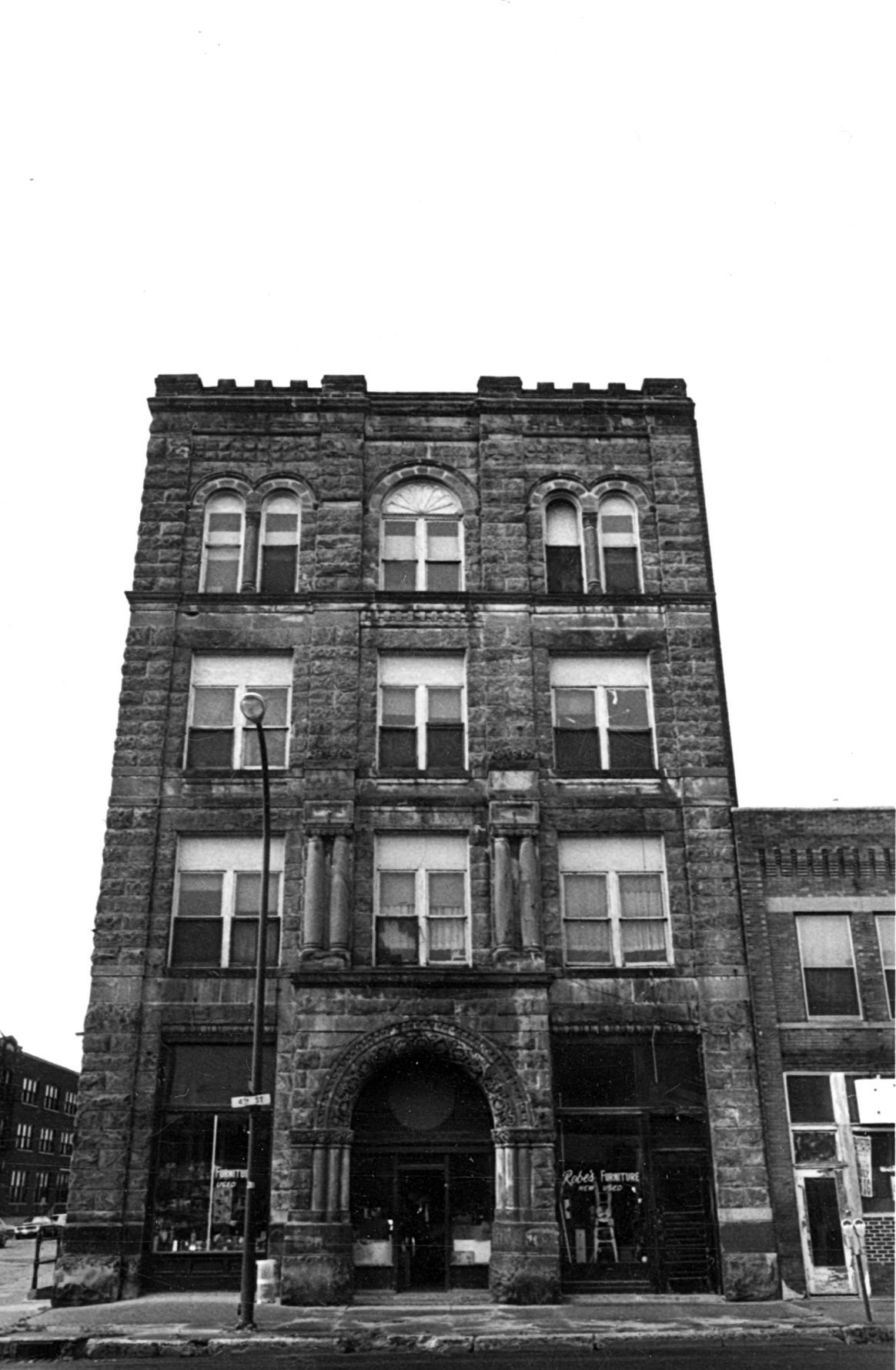
Sioux City businessman Fred T. Evans constructed the building that bears his name in 1890. In 1919 the building became a hotel and it functioned in that capacity until 1954. The building housed Robe’s Furniture and a motorcycle club until 2006 when it was renovated for the Heidman Law Firm.
Lower Fourth Street
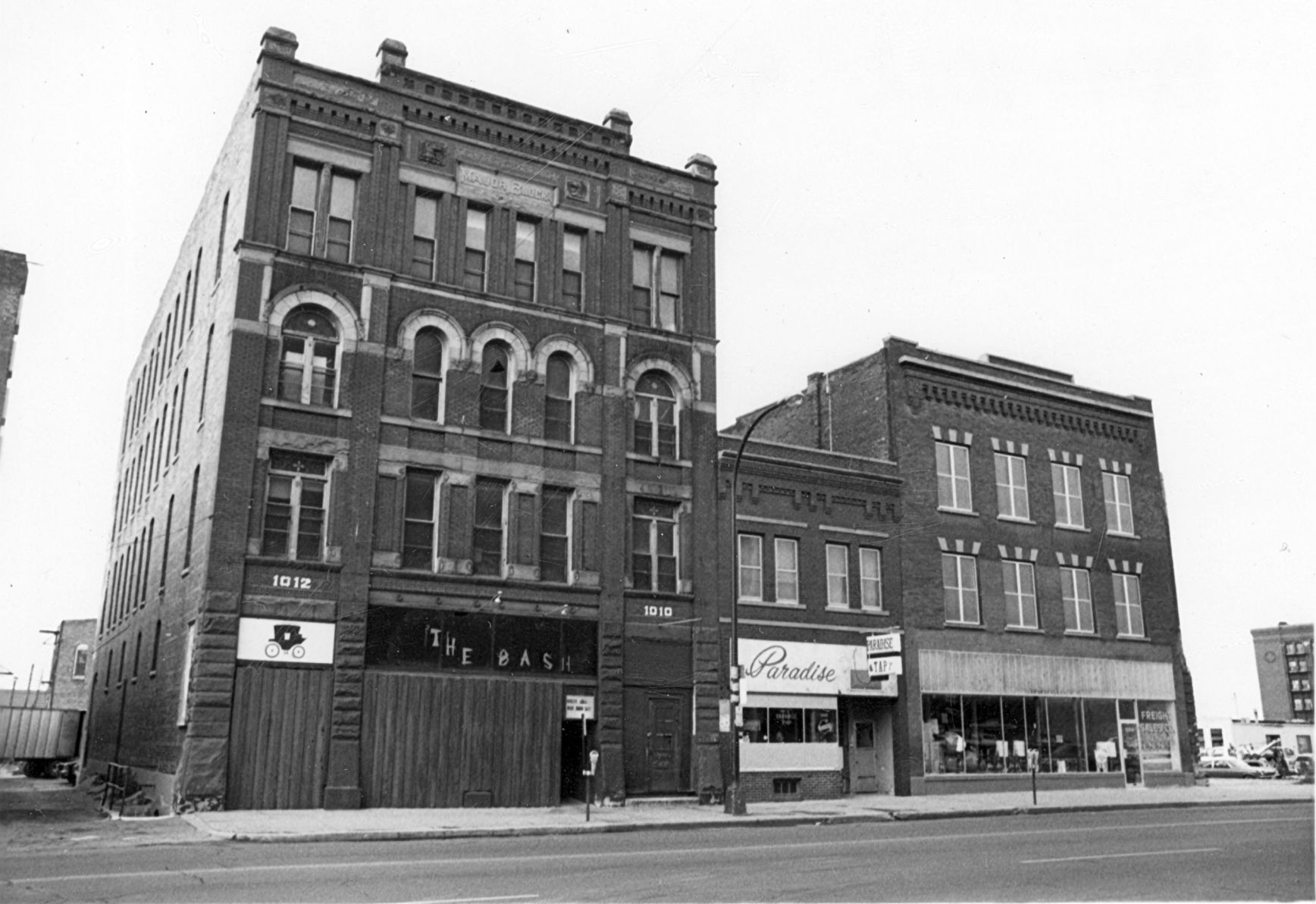
The Major Block was built in 1889 and has been occupied by tenants including a hardware store and a hotel. During the early 1890s it served as the University of the Northwest’s (later Morningside College) College of Commerce. Currently the 21st Amendment and Francis Canteen are businesses in these buildings at the south side of Fourth Street near the intersection of Virginia Street.
Lower Fourth Street
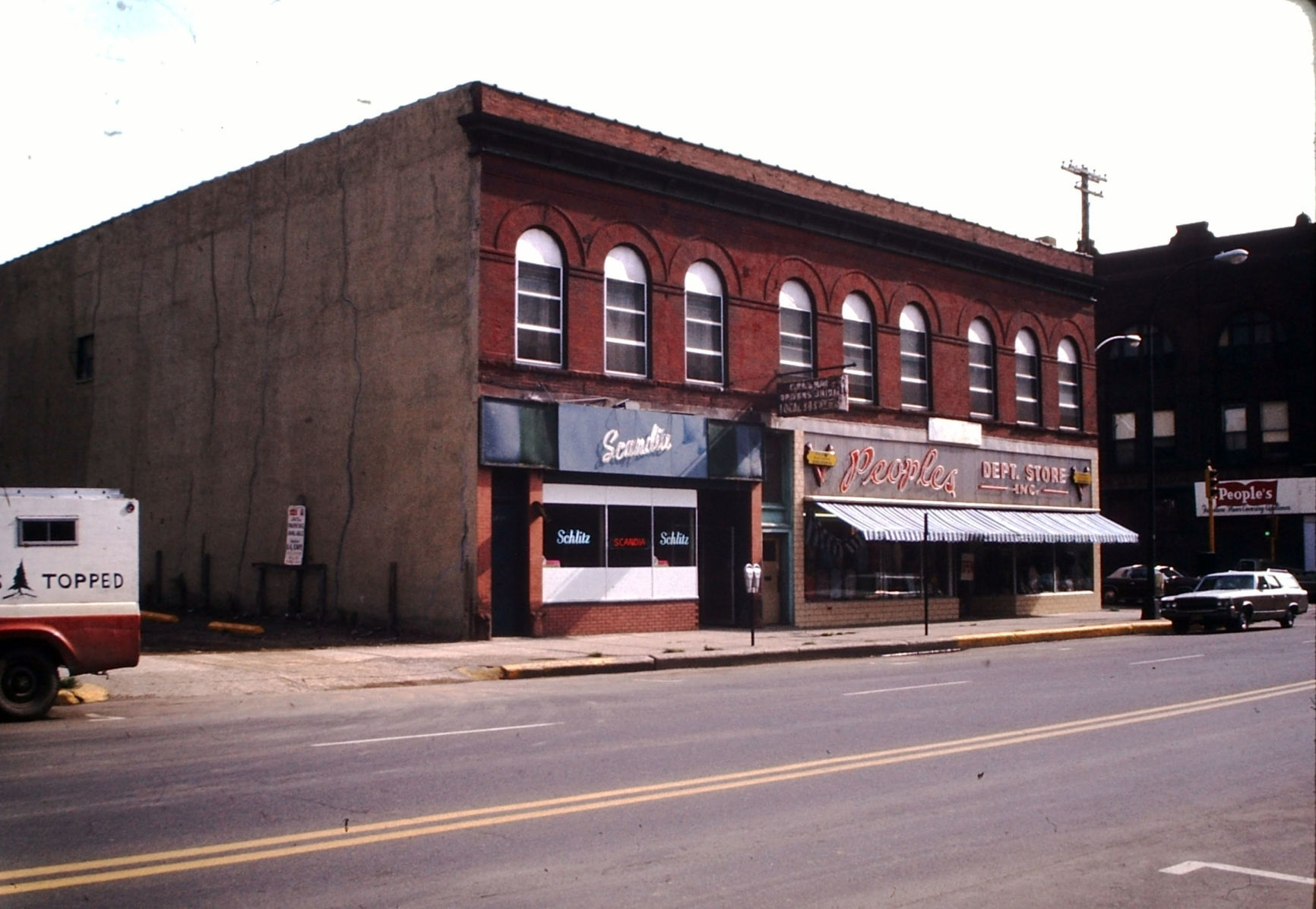
This Romanesque building was constructed around 1895, but it is unclear who was its architect or builder. The building’s most notable occupant was People’s Department Store, which operated here from 1937 to 1994.
Lower Fourth Street

Lower Fourth Street businesses included The Harbor Inn, Chicago House and The Gospel Mission.