

SIOUX CITY -- Christine Dekker would like to make one thing abundantly clear.
Neither Meriwether Lewis nor William Clark ever set foot on the MV Sergeant Floyd.
After all, the utility and towboat -- named after Sgt. Charles Floyd, the only Corps of Discovery Expedition member to perish in the journey -- wasn't launched until 1932, long after the deaths of both explorers.
"That's one of the most frequently asked questions people have," said Dekker, the supervisors of the Sergeant Floyd River Museum & Welcome Center. "They think this is the actual boat used in the Lewis & Clark Expedition but it's not."
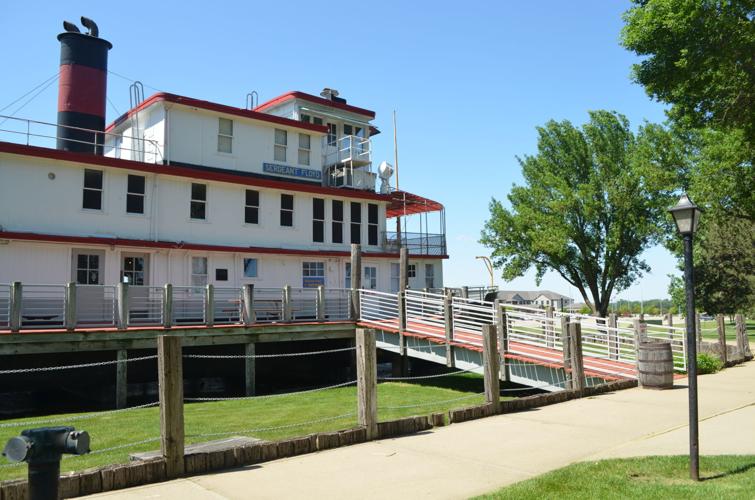
Instead, the 340-ton Sergeant Floyd was used for light towing, surveying and inspection work on the inland waterways under the jurisdiction of the Missouri River Division of the U.S. Army Corps of Engineers.
People are also reading…
Indeed, the boat was a primary workhorse in moving men, equipment and supplies along the Missouri River before it was retired in 1975.
At first, the Sergeant Floyd was used as a traveling exhibit before it was berthed in St. Louis. Since 1983, the boat has been permanently dry-docked in Sioux City.
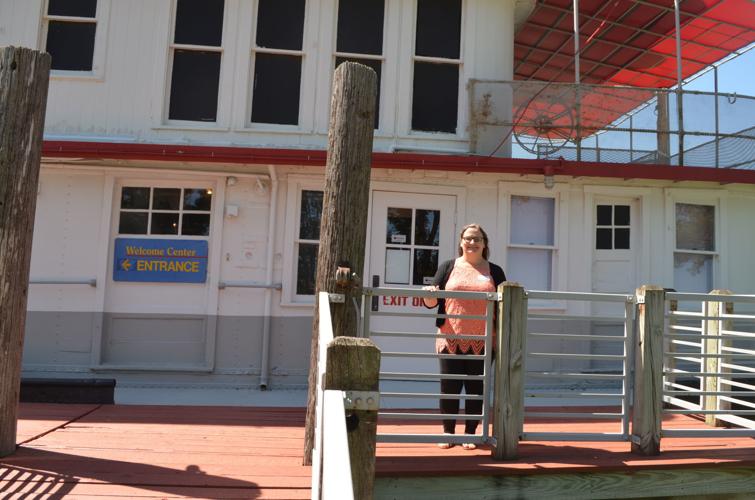
For the 30 years, it has been used as a one-of-a-kind welcome center and river museum at 1000 Larsen Park Road.
"People are amazed to see a welcome center that's actually situated on a boat," Dekker said. "We've had truckers who've come off of (Interstate 29) to use the restrooms and stick around for a while longer."
Indeed, the Sergeant Floyd welcomed more than 20,000 visitors from across the country and around the world, every year.
So, what will people see at the Welcome Center? Obviously, the colorful history of Lewis and Clark's expedition across the western United States.
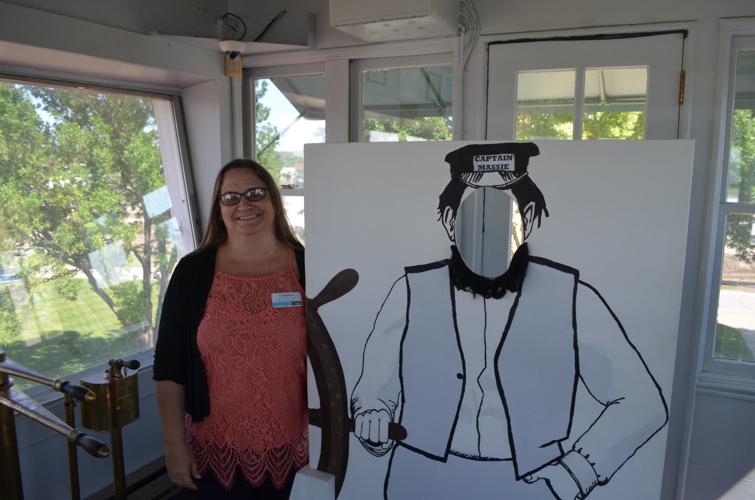
It also gives guests a peek into what it was like to work on a real-life steamboat.
Well, we guess steamboat personnel were likely skinnier and shorter back in the day, right?
"You might think that since door frames seem to be smaller than normal and some parts of the boat seem a bit more constrictive than need be," Dekker suggested.
That doesn't deter people from exploring exhibits that celebrate Native American culture, the fur trapping industry as well as Siouxland's long-lasting relationship with the Missouri River.
"This is one of the reasons I think the Sergeant Floyd River Museum and Welcome Center remains such an underutilized asset in the community," Dekker said. "We're represent more than the Lewis and Clark Expedition. This is a museum that represents the history of Iowa, Nebraska and South Dakota."
In fact, she is always looking for ways to bring folks to see the MV Sergeant Floyd.
Whether it is through a classic antique car show, held every July, or a Sergeant Floyd Memorial and Encampment Ceremony, held on or near Floyd's Aug. 20th death.
"It doesn't matter if you're a traveler passing through the area, a Lewis and Clark fan who makes this trek every year or a local person wanting a unique experience," Dekker said. "There is always something to do here."
21 things to do and see in Sioux City
Lewis and Clark Interpretive Center

Murals and interactive exhibits help explain the Lewis and Clark journey that passed through present-day Sioux City from late July to early September 1804. The illness, death, and burial of Sgt. Charles Floyd is a focus at the museum, 900 Larsen Park Road.
Sergeant Floyd Monument

The Floyd Monument in Sioux City marks the grave site of Sgt. Charles Floyd, the only person to die during the Lewis & Clark Expedition.
Sioux City Public Museum

The Sioux City Public Museum in downtown Sioux City features scores of exhibits dedicated to recapturing the city's cultural and historic past, as well as Native American life, pioneer life and the early days of living along the Missouri River.
Mid America Museum of Aviation & Transportation

The 30,000-square foot museum near the Sioux Gateway Airport features commercial air crafts, vintage automobiles and military artifacts and memorabilia.
Sioux City Art Center
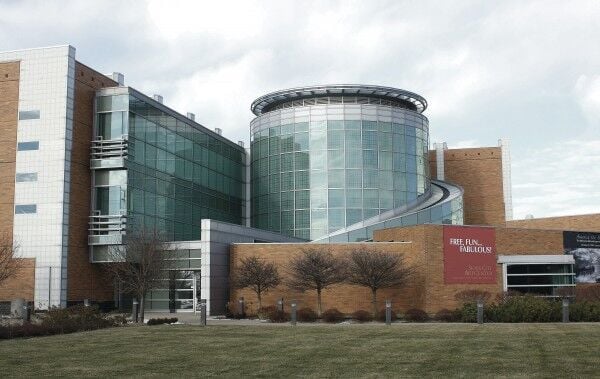
The Sioux City Art Center houses a three-story glass atrium and five galleries to showcase traveling and permanent exhibits.
Milwaukee Railroad Museum

The Milwaukee Railroad complex, constructed in 1917 at 3400 Sioux River Road, first served as a repair and maintenance terminal for steam locomotives, passenger cars and cabooses on the Milwaukee Railroad line. Now, the yard is a museum and testament to an earlier time in American history.
LaunchPAD Children's Museum

The LaunchPAD Children’s Museum provides an interactive educational experience that fosters a child’s creativity and imagination, all in a safe and stimulating environment.
Jolly Time Pop Corn Museum

The Jolly Time Pop Corn Museum, opened in 2016 within Jolly Time's Koated Kernels Shoppe, celebrates the history of the company's popping success. The store, at 1717 Terminal Drive, is loaded with varieties of popcorn by the American Pop Corn Company, the manufacturer of Jolly Time.
Sergeant Floyd River Museum and Welcome Center
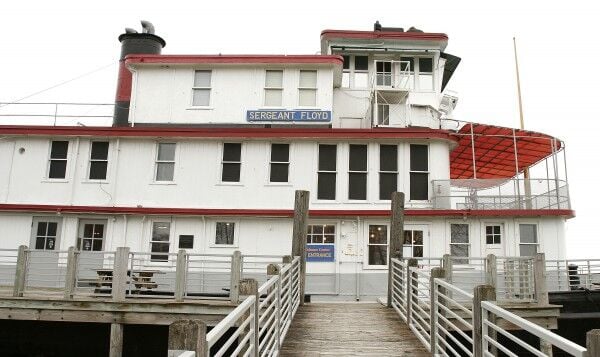
Launched at the Howard Shipyards in Jeffersonville, Indiana, on May 31, 1932, the M.V. Sergeant Floyd served the U.S. Army Corps of Engineers for more than 40 years. The decommissioned riverboat, dry-docked along the Missouri River on the edge of Chris Larsen Park, is now called the Sgt. Floyd River Museum and Welcome Center, 1000 Larsen Park Rd.
Dorothy Pecaut Nature Center

Situated in Stone State Park, the Dorothy Pecaut Nature Center includes 14,000 square feet of classroom, exhibit and office space, natural history and live native reptile exhibits, as well as a butterfly and wildflower garden, an outdoor amphitheater and a variety of programs throughout the year.
Mighty Wurlitzer Organ

The seven-story structure, at 528 Pierce St., was built for $1.27 million in 1927 as a vaudeville and movie palace. After years of neglect, this architectural treasure was brought back to life in 2001 and is now a performing arts center and home to the Mighty Wurlitzer Organ.
War Eagle Monument

Storm clouds roll over the War Eagle monument at War Eagle Park in Sioux City in June 2014.
Stone State Park
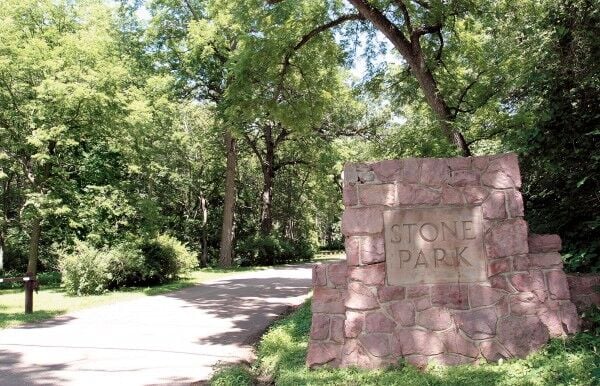
For well over 100 years, people have marveled at the beauty of Stone Park nestled in the Loess Hills. The park combines wildflowers, prairie, rugged woodlands, secluded ravines, wildlife and hilltop vistas of Iowa, Nebraska and South Dakota.
Spirit of Siouxland Memorial
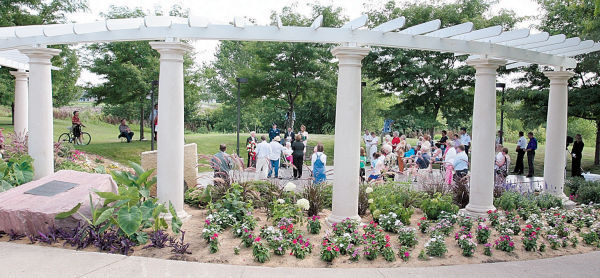
The Spirit of Siouxland Memorial in Chris Larsen Park was dedicated on July 19, 2004, in recognition of the victims and community support following the crash of Flight 232.
Palmer's Olde Tyme Candy Shoppe

Palmer’s Candy, founded in 1878, sells dozens of chocolates -- truffles, clusters, fudge, chocolate covered nuts and more. But its most famous candy is the Twin Bing, a candy bar with a cherry nougat and roasted peanut filling.
Trinity Heights

The 33-foot-tall steel Sacred Heart of Jesus statue sits in the peaceful grounds at Trinity Heights in Sioux City. The grounds were founded by the Rev. Harold V. Cooper on the site of the former Trinity Catholic College and High School.
Hard Rock Hotel and Casino

The 30,000-square-foot Hard Rock Sioux City casino features table games, slots, luxury hotel, several restaurants and concerts.
Woodbury County Courthouse
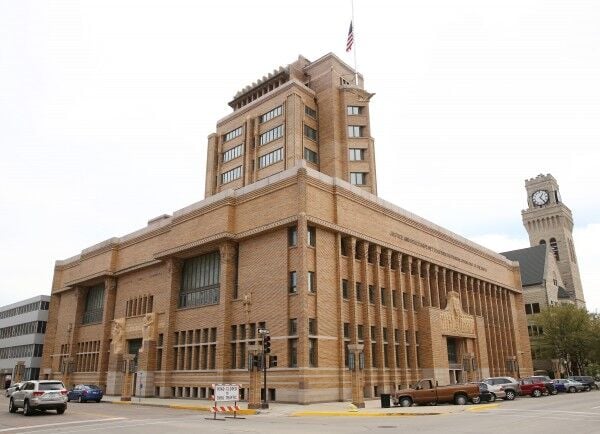
The Woodbury County Courthouse, which opened in March 1918 at 620 Douglas St., houses courtrooms and most county departments.
First Bride's Grave
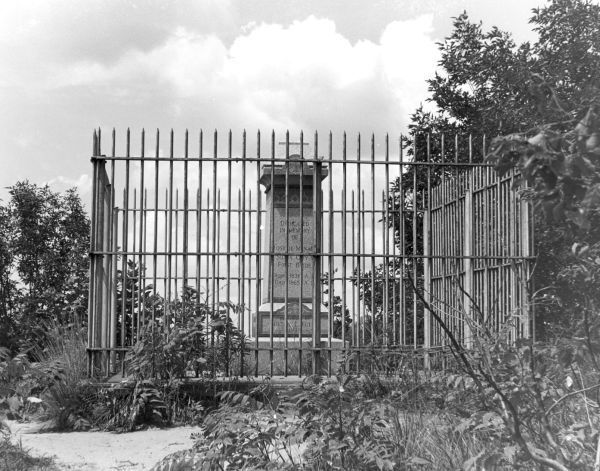
Erected in 1938 by the Woodbury County Pioneer Club, the monument was designed to honor Roselie Menard Leonais, believed to be the first bride of a non-Native American resident of the area.
Bruguier Cabin

The Bruguier Cabin, Sioux City’s oldest structure, is located in Riverside Park. French fur trader Theophile Bruguier, who is considered the first white settler in Sioux City, built the one-story structure on his farm in 1849.
Peirce Mansion

The Peirce Mansion, at 2901 Jackson St., served as the site of the Sioux City Public Museum from 1961 to 2011 and is listed on the National Register of Historic Places.