
How are we supposed to eat healthy snacks in the depths of winter when we’re cold, sedentary and want something that will warm us up?
Be creative.
It’s easy to jump for buttery popcorn, deep-fried fast food and anything else we can stuff into a microwave. But how about turning last night’s steamed broccoli side into today’s snack? What about preparing a peanut butter sandwich? Or a small serving of homemade soup?
That’s the message from Renee Sweers, a nutrition and wellness specialist at the Iowa State University extension in Sioux City.

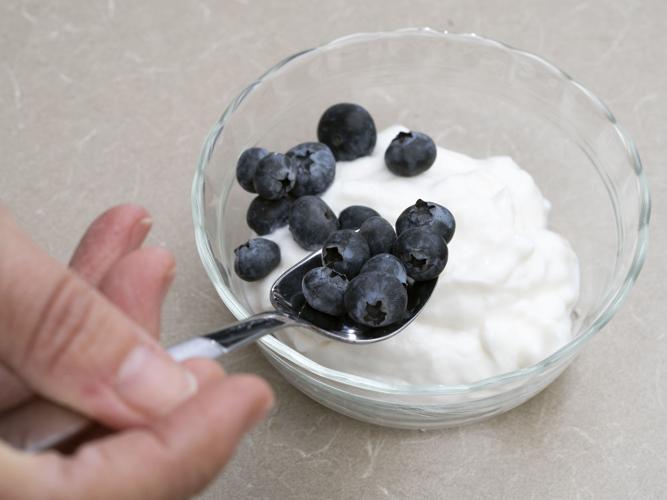
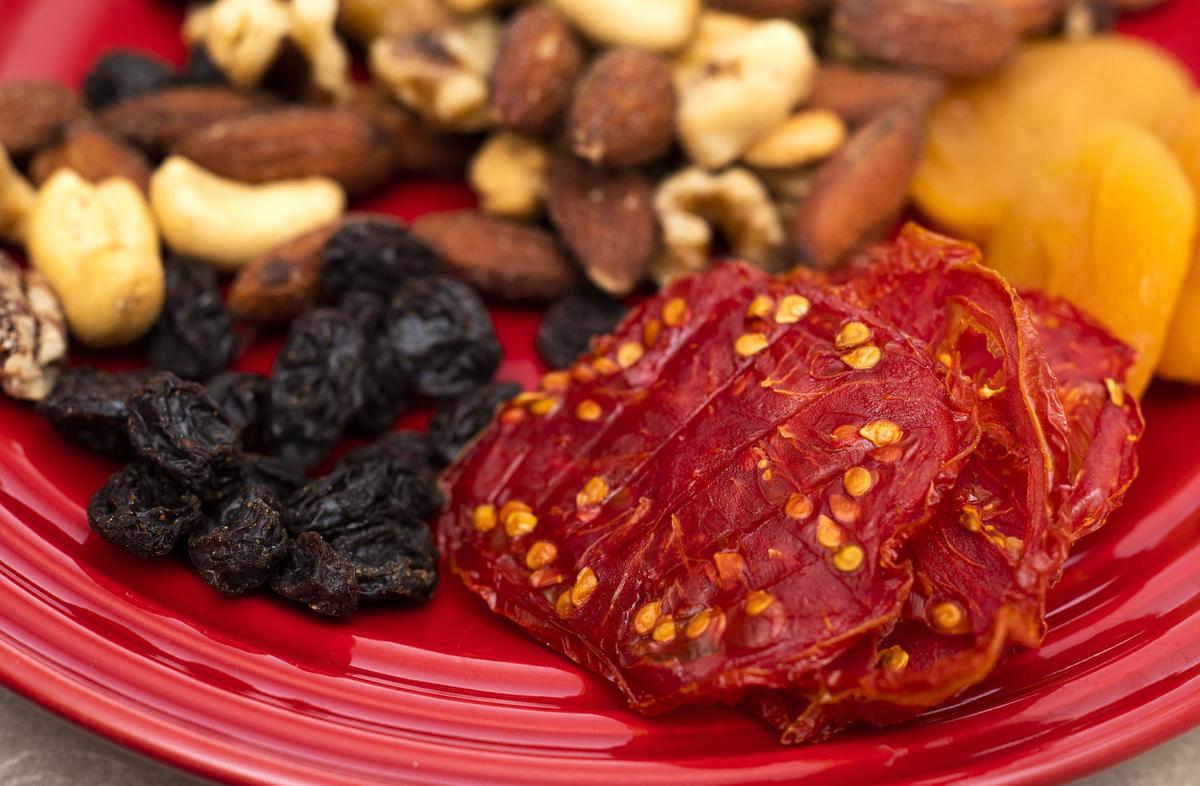
Flavored yogurts contain high amounts of added sugars, but adding fresh or dried fruit to plain yogurt makes for a healthy-yet-flavorful snack.
“When we’re thinking about a hot snack, (we can be) thinking about a different mindset than how we’ve though about snacks before — different types of foods,” Sweers said.
That fits with the overall nutrition strategy Sweers espouses, the 2020-2025 Dietary Guidelines for Americans from federal authorities, that call for a balanced diet with plenty of fruits, vegetables, dairy and whole grains. In a sentence, Sweers said, the message people should take to heart is “make every bite count.”
People are also reading…
Whether to find comfort from the frightful outdoors or to wean off the copious sweets of the holidays, every snack bite needs to count, too. That doesn’t have to mean no more favorite foods; rather, it’s critical to categorize delicacies into regular snacks and occasional treats.
“Occasionally having a treat of a cookie or candy is different than making that your regular everyday snacks,” Sweers said. “That difference can start young, with our children, and really help them be in the habit of eating those foods that are what we call nutrient-dense foods, or snacks, and not have them have the expectation that a snack is a treat.”

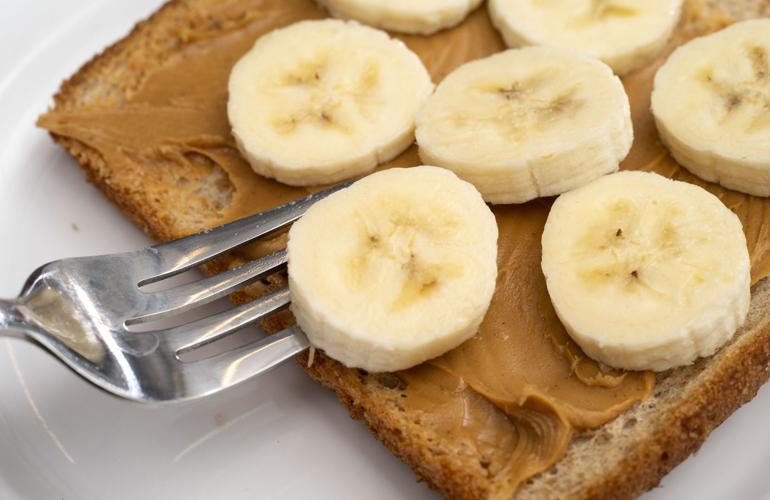
Whole grains, peanut butter and bananas are classic nutritious snack foods.
If that’s too challenging — or, frankly, doesn’t sound worthwhile — to adults, it might be time to bid adieu to bites between meals. Dietary guidelines show Americans are eating copious amounts of grains but nowhere near enough produce, so a late-morning piece of white bread toast and mid-afternoon handful of crackers could be necessary cuts.
It’s a different story for children, however, who don’t get their full servings of nutrients in meals. Sweers suggested parents prepare a plate of fruit with a few small pieces of a snack cake mixed in, an example of the “make every bite count” mentality where most bites are nutritious and a few are less healthy.
In some cases, though, finding that balance is tricky, and what may seem healthful on first glance doesn’t look so good with a deeper examination. For example: flavored yogurt (make it plain with berries), sugary cereals (more bad stuff and less good stuff than whole-grain varieties), chocolate milk (far higher in added sugar than white milk) and bread at restaurants that is a darker color or has some seeds.
“In the spirit of thinking about the fact that we’re getting plenty of grains and they’re not whole grains, if you can restrain on that bread it’s probably a good idea,” Sweers said. “Because, more than likely, in most restaurants, it’s not going to actually be much whole grain.”

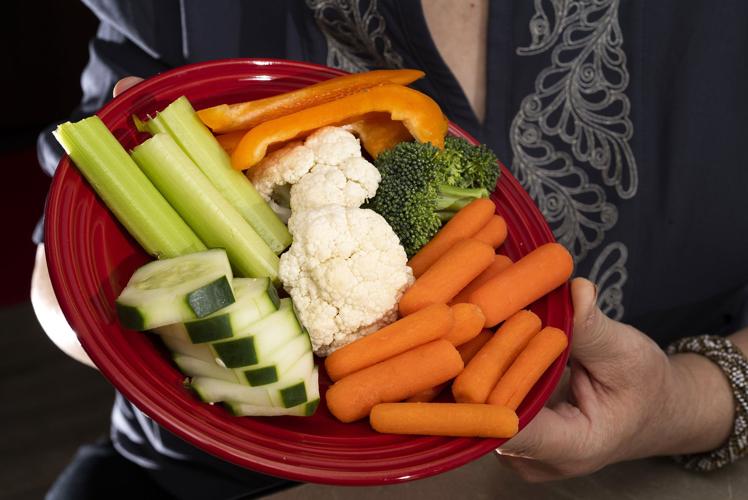
Renee Sweers, a nutrition and wellness specialist at the ISU Extension Service in Sioux City, holds a plate of cut vegetables at her office. Cooking the vegetables can provide a warm-yet-healthy snack perfect for cold winter months.
Still, balance is the single most important factor. Eat out once a month? A couple of pieces of bread won’t make much impact. Several times a week? That bread adds up fast.
The same goes for beverages, which, Sweers was quick to point out, are the No. 1 source of added sugars for Americans. Sodas are the biggest culprit — “there’s no other way to say it than that’s not a good snack” — but another classic wintertime warmup, the fancy expresso drink, can wreak havoc on a well-balanced diet. That’s especially so if it becomes a daily habit.
But Sweers, who drew on a nearly endless supply of nutritious concoctions from the recipe section of ISU’s Spend Smart. Eat Smart. page, had ideas for warm beverages, too. They included classics, like hot tea. They included healthier versions of old-time favorites, like a lower-sugar hot chocolate. And they included innovative creations, like a water-fruit juice mix warmed in the microwave or a stovetop hot pumpkin drink.
In other words, there’s no perfect diet. Just about anything can fit as a snack so long as it offers some nutrient value and isn’t too big.
“We like to say any food fits, but, again, going back to the notion of make every bite count, there are some foods that are not going to pack much of a nutritional punch,” Sweers said. “They fit, but perhaps one of the approaches someone needs to take is not including them quite as often.”