
SIOUX CITY — Whether you want to entertain friends or make a few drinks for a quiet night in, a bar can be a great addition to your home. But where do you start?

The spoils of success.
When a home bar is mentioned, many think of the classic basement bar, with all of the makings of a professional setup. But, for most people, that's not necessary.
So how do you start a home bar? What do you need to buy? How do you learn to make unique and fun drinks?
Austin Foster is a local bartender who is nationally recognized and has been bartending for 20 years, with cocktail bartending being his specialty for 15 years.
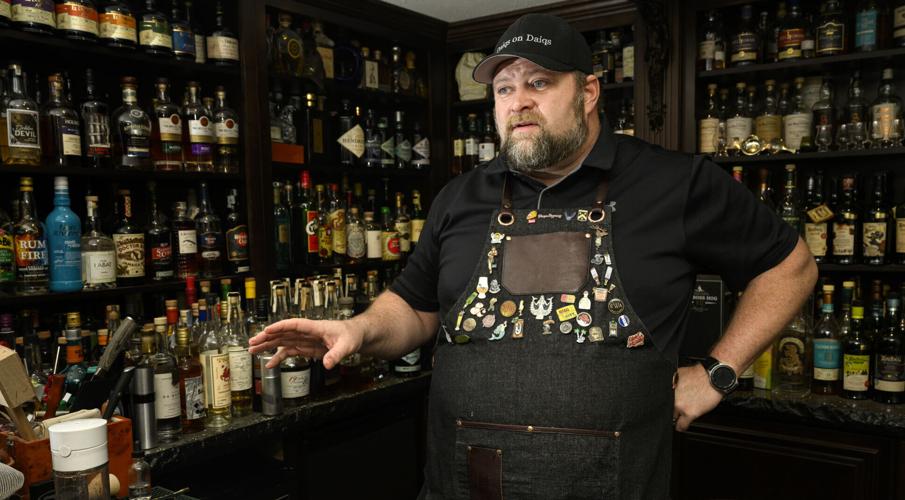
He has his own expansive basement home bar, as well as a backyard tiki bar, so The Journal sat down with Foster to ask him for advice on starting a home bar.

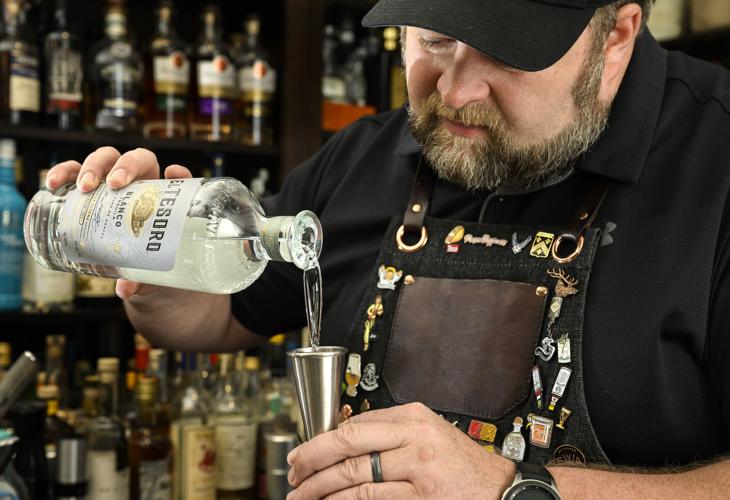
Austin Foster pours two ounces of blanco agave tequila while making a margarita in one of the bars in his McCook Lake, South Dakota, home.
Why do you want a home bar?
People are also reading…
To start building a home bar, Foster recommends visiting a variety of different bars and determining what they like in those bars. What do they like to drink? What do they like about the setting? If they just like the setting but don’t like the alcohol, then maybe a home bar isn’t the best fit.
If they do like the alcohol, the next step is to determine what the purpose of the bar is. Is it to entertain guests? Is it for tasting events? Is it just for the homeowners? Is it for both? Do they want to make cocktails or serve whisky?
Foster said the main reason people want home bars is to entertain and create a bar experience at home.
"The purpose of a home bar is to create what you can get when you go to a bar," he said.

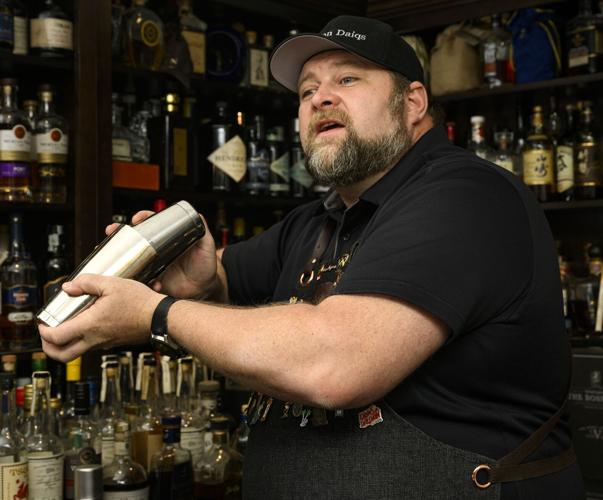
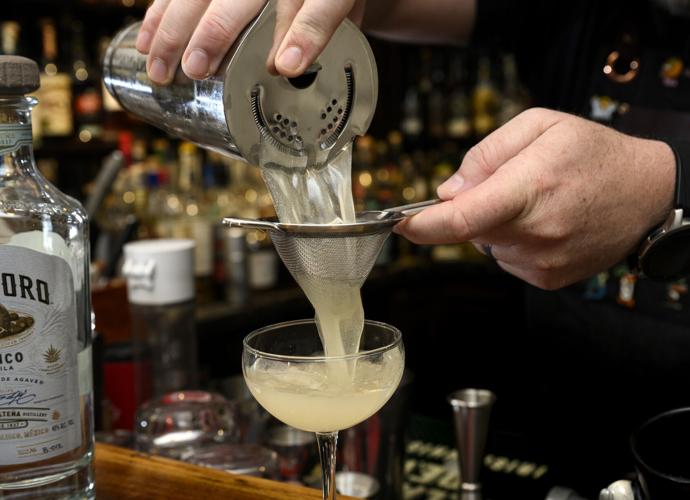
Austin Foster shakes a margarita made with blanco agave tequila, fresh lime juice, agave nectar and ice.

Austin Foster says the key to making a cocktail is to shake until your arms feel like they will fall off and then shake some more.
What should be in the bar?
Once the purpose is determined, the homeowner can figure out what to stock in it. If the home bar is for the homeowner, Foster said they should stock it with items they want to drink. If it is for entertaining guests, then there are a few basics they should get.
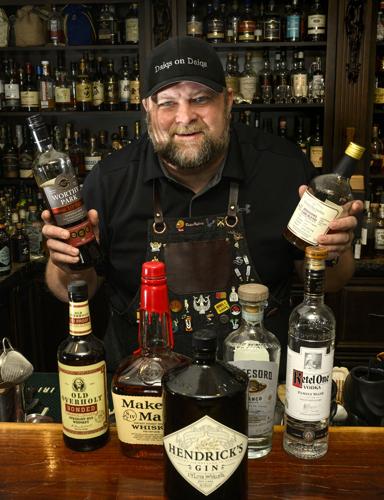
Whisky, gin, tequila and vodka are the best liquors to keep on hand for guests, Foster said. The brand or taste of liquors depends on the individual’s price point.
Foster then recommends having a modifier of sorts such as spiced or herbal liqueurs, vermouth, bitters, syrups or other mixers.
Foster said these mixers also depend on how the space is being used. If someone is interested in making a variety of unique cocktails, then he or she will need a number of different modifiers. If someone has specific drinks, say rum and Coke, then just having Coca-Cola on hand is perfect.
Other items that are easy to keep on hand are limes, lemons, simple syrup, ginger beer, club soda.
The spoils of success.

Austin Foster says it isn't important for beginning home bar owners to use expensive liquors, but that understanding drink recipes and flavor …
What tools should you have in a home bar?
The first tool Foster recommends is a good shaker. There are three main types of cocktail shakers: the Boston shaker, the cobbler shaker and the French shaker.
A Boston shaker is what most bartenders use. It typically features a 28-ounce tin and, instead of a lid, either another tin or a pint glass is flipped and placed inside, creating a tightly closed container. A cobbler shaker is most popular among home bars. It has three parts, featuring a tin cup, and a lid with a built-in strainer. The French shaker is in between the two, featuring a tin cup with a lid, but no strainer.
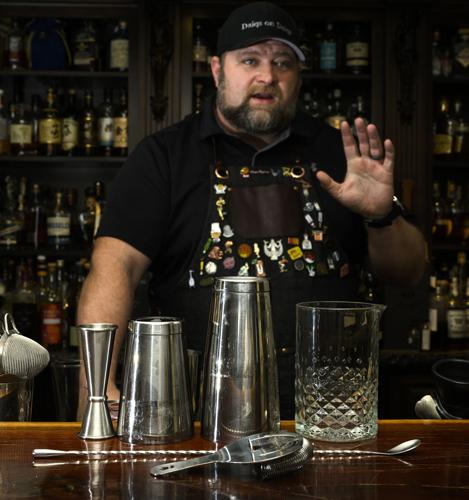
After a shaker, Foster recommends a bar spoon for stirring cocktails, a mixing glass for stirred drinks, a jigger for measuring liquor, and a strainer.
“That is the necessary product, that’s going to get you the ability to make 90 percent of the drinks I make when I’m behind the bar,” Foster said.
For easy cleanup, Foster recommends a bar mat. Making drinks can be messy and spills happen. A bar mat captures all of that liquid and prevents a sticky mess.
So once someone has all the necessary tools, the next step is learning how to make a drink.

Essential barware include shakers, a jigger, a mixing cup, stirring spoon and a strainer.

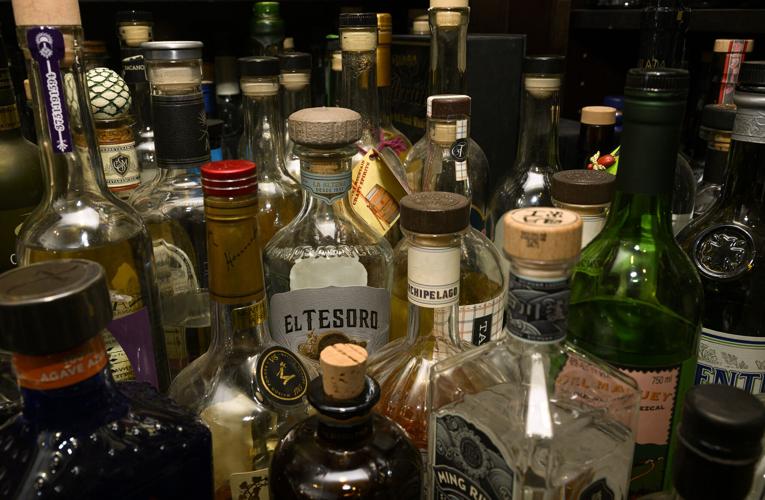
Bottles of tequila and mezcal are shown in one of Austin Foster's bars in his McCook Lake, South Dakota, home.
How do you learn to make drinks?
Foster said there are two books he recommends reading.
“The Bar Book: Elements of Cocktail Technique” by Jeffrey Morgenthaler is described as a “technique-driven cocktail and bartender book.” The book shows how a professional bartender does every step in making a cocktail with tips and techniques from bartenders around the country, according to Morgenthaler’s website.
“It’s a fantastic, just all-purpose guide,” Foster said.
“Meehan’s Bartender Manual” by Jim Meehan is described as “the first book of the modern era to explain the bar industry from the inside out,” according to publisher Penguin Random House. The book covers all of the steps of creating a bar.
Both books include extensive recipes that anyone can try out.
Foster said there is a little studying required starting and making drinks at home, but even just some time on Google can help.
Learning how to make a good drink takes time and practice.
"It's a journey," he said.

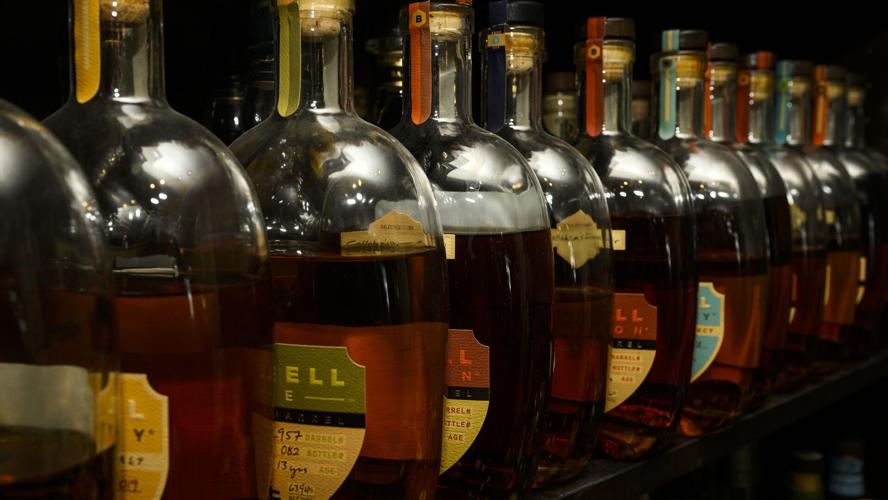
A collection of single barrel spirits from Barrell Bourbon.
Do you need a fancy built-in bar?
Foster said no. A home bar can be a corner of your kitchen counter, a bar cart, or a small cabinet.
“You have a space that is dedicated to the cause,” he said. “The more important thing is to be able to have the tools and be able to clean up.”
If someone does want to build a bar, Foster recommends fitting it to their style, needs and space. There is no right or wrong way to build a home bar.


Additional tips from Foster
While chatting with Foster, he gave a few other tips for those new to making drinks.
Simple syrup is an ingredient many cocktails call for, but Foster said don’t buy it at the store.
Simple syrup is a one-to-one ratio of sugar and water. Put those two ingredients in a bottle and shake until the sugar is dissolved. The mixture is then stable for 30 days.
“You don’t need to heat it, you don’t need to cook it, you certainly don’t need to go out and buy it,” he said.
Foster also recommends using fresh products when able. Fresh lemons and limes make all the difference in a cocktail. Bottled juice won’t cut it.
Give yourself time to decide what drinks to make and serve when hosting a party and keep the menu small.
“You can make a cocktail,” he said, while also offering simpler mixers.
The important part of making drinks at home is enjoying them. If you make something you don’t like, throw it and make something else.
Austin Foster, a bartender and spirits expert from McCook Lake, offers his advice on the basics of starting a home bar.