


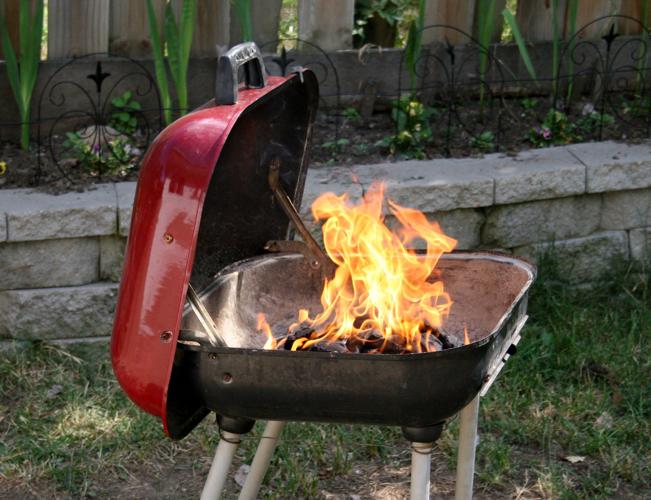

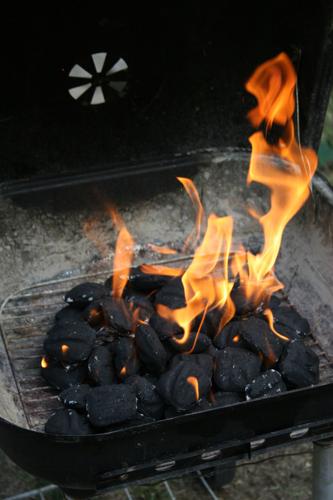
SIOUX CITY | Crispy black stripes crisscrossing a chicken breast or steak is a sign of backyard grilling success, but studies have found this charring could increase a person's risk of developing certain cancers.
Heating meats to searing temperatures over an open flame causes a chemical reaction and the formation of the cancer-causing compounds heterocyclic amines (HCAs) and polycyclic aromatic hydrocarbons (PAHs), which have been found to cause changes in DNA.
A study conducted by Chinese researchers and published in the May 2012 edition of DNA and Cell Biology found an increased risk of breast cancer among Asian women who ate smoked meat.
Researchers at the University of Texas studied what kind of meat 659 patients with kidney cancer ate, how they cooked it and their genetic risk factors. They found that patients with renal cell carcinoma ate more red and white meat than the control group, 699 healthy individuals. They also found that patients who had two genetic mutations that put them at risk for kidney cancer were affected most by eating grilled meat. That study was published in the August 2015 edition of Cancer Research.
Does that mean amateur grillers need to give up a favorite summer pastime?
Allison Rossow, a dietitian at UnityPoint Health-St. Luke's, says "no."
"Obviously we still want people to grill, because that can be a lean way to cook everything during the summer," Rossow said. "We definitely don't want to steer people away from grilling."
Rossow said there are some steps you can take to lessen your risk, while enjoying the tastes of summer.
To reduce the formation of HCAs, Rossow recommends cooking meats low and slow. Avoid cooking over a high flame and flip your meats frequently to prevent charring.
"It's really those charred areas that are the most concerning," she said.
Rossow said using lean cuts of meat and removing the skin from chicken and fish will help prevent PAHs, which form when fat and juices from the meat drip onto the gill and cause flareups. Marinating meat for 30 minutes is a tasty solution that experts say makes meat safer, but Rossow said they don't exactly know why.
"The acidic compounds, like vinegar, lemon juice, orange juice, are especially effective," Rossow said. "It does reduce the formation of those HCAs. They speculate that it could have to do with antioxidants and things."
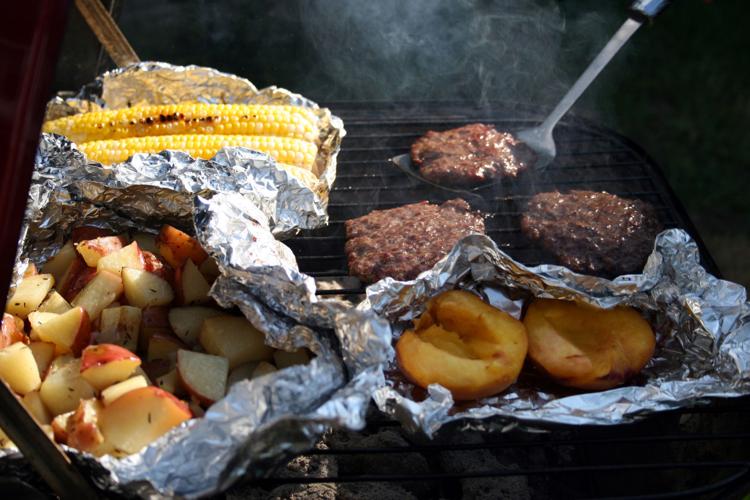
When grilling, Rossow said you don't have to stick to meat. She said certain fruits and vegetables are great for grilling. Make a grilled portobello mushroom sandwich or grilled veggie and fruit kabobs.
"If you want to do kabobs, try to get a vegetable you can cut into chunks, like zucchini, potatoes, bell pepper, mushrooms. If you use a grill basket you can really do any vegetables," said Rossow, who also recommends making packets for grilling vegetables out of aluminum foil. "Make sure your pieces are pretty uniform so they all cook evenly."
Stone fruits, such as peaches and nectarines, are ideal choices for grilling, according to Rossow, but she said pineapple and watermelon also withstand the heat from a grill grate.
"Some fruits that are a little more fragile might not hold up as well," she cautioned.