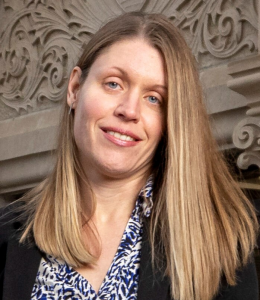

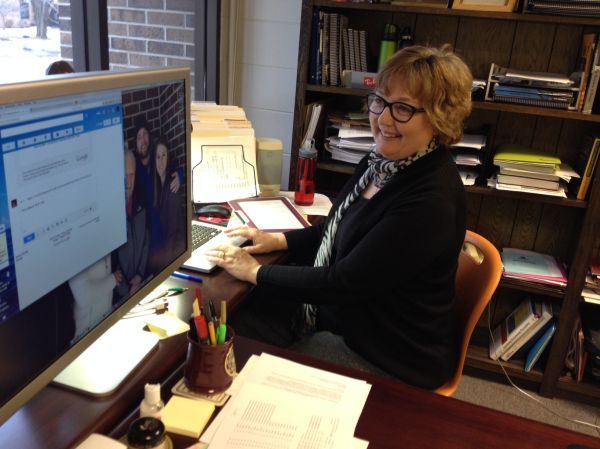
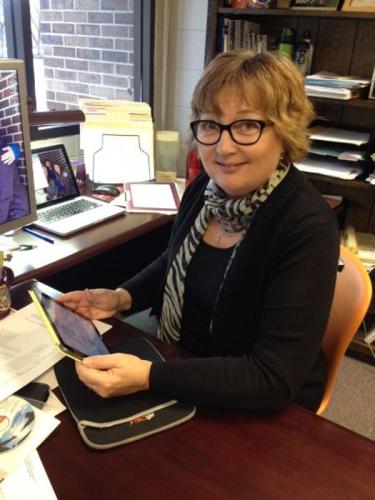
Pam Mickelson, business administration department chair, teaches marketing and management classes at Morningside College where she has been a professor for nearly 30 years.
She also works with students in the college's Center for Entrepreneurship and Ad Club. She says being able to manage one's time is an important skill for everyone to master.
1. Who generally has problems with time management?
Very disorganized people. People who have the inability to prioritize their world. I'd say there are a lot of students who are very active in organizations or sports; and the more they become involved in either of those, they have more of challenge to prioritize their studies.
2. Why is time management important?
You have to achieve your goals and you can't go forward if you don't. I think we all have a little different definition of success, but part of it is we just don't want to fail. Keeping things going is just part of that success and moving and achieving.
People are also reading…
3. What tools can people use to help them manage their time?
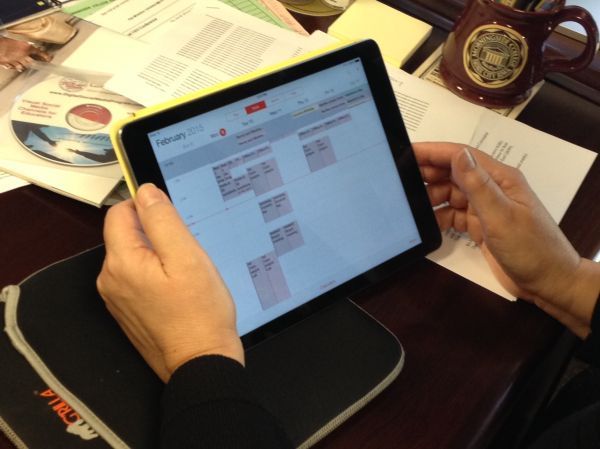
We use and teach our students as they come in to use the Google calendar. We used to have a printed calendar that we would give every student. We would help them and coach them through their course schedule, their part-time job schedule, their study schedule; and those are kind of a waste of trees. I think the most common tool I've used is Google calendar; and it works very well.
4. How can you manage family, friends, work, hobbies?
There are stages in life that really challenge you as a mom or a professor or a dad. If you're young in your career and you're young in your family, just by age you have a lot more energy so you might juggle more things. ... Right now we're empty-nesters, so time is very different for us. We have my husband's father who's living with us, so that's the thing that I have to juggle now.
5. How do Americans waste their time?
On the TV or the computer. That's not a bad thing because you need to kind of decompress. It's how much time do you devote to it?
6. How does technology affect our time?
I think it gives us the impression that we don't know enough -- that there's so much information there that we have to know more. We kind of get addicted in a way to some of the news. It can be your social news or networks that feed into different regular news networks or entertainment news.
7. Are students are more efficient or less efficient than they used to be?
I see both. I think the ones who are organized and goal-driven and are generally high achievers are actually achieving more and they're doing it faster.
8. When and where in our lives do we first learn how to manage our time?
Good parents would help their children manage their time -- when to get up and when to go to bed, how much studying to do if they don't have it done. I think it's that conversation around the dinner table.
9. Are we busier today than we were a decade ago?
Yes. I think there are higher expectations at most places of work -- that there's a way to do more with less and prepare yourself for harder time. You might need those resources for other places.
10. What's your best tip for staying on task?
Take care of yourself. Take care of your body and then prioritize. Make sure that you look at your list often. Hopefully your list isn't just in your head. Post your work on a calendar. Get your lead time for big projects. If it takes a lot of people you've got to do it a lot further in advance.
11. Should you build free time to do what you want as a reward?
That never worked for me. I'm not saying that you shouldn't. I think back to grad school and undergraduate, Friday nights and Saturday nights were destined to be free nights. Maybe that's a way of rewarding yourself.
12. What are some big time sucks?
People's problems. When you make people's problems your problems you can't get to your things. People need to be able to solve their own problems.
13. How do you deal with someone who doesn't manage their time wisely?
If it's a student it shows up in their grades very quickly. If their grades are good and they're happy, then there's nothing to adjust. If it's a student in my class, I spend time telling them the right ways to study for my class -- they need to take notes and they need to study. They don't need to highlight. If they highlight they also have to take notes.
14. Does every second of your day have to be planned?
No. I will have blocks of time that are open for students or faculty to come and ask question and then there's some set times I'm prepping for class or grading.
15. What things do we put off?
Probably the harder decisions -- the ones that require a lot of emotional equity. Sometimes the painful one, but if people resolve it there's no pain.
16. Do you think stress causes us to procrastinate?
I think not being knowledgeable will cause you to procrastinate. The more knowledge you have about things, the more you're going to be able to make a better decision. There are certain personalities that really enjoy procrastinating. Some of our students have the idea that the closer they get to a deadline the better they are so they can write a paper over night. There are very few students who can write a very good essay over night.
17. How can you stop someone from procrastinating?
Shorten the rope. If a student has me in class and they procrastinate and they ask for a deadline, why would I give them an extension when everyone else is meeting it? If I shorten the rope, they know when it's going to happen. You don't continue to foster their bad habits. It will change.
18. Is there a better time of day to get things done?
My working clock is kind of dichotomy -- 3:30 to 4 is a little unproductive, so I have to push myself through that time. Mornings are good, but it takes me a while to get going. I'm a night owl, so I get a lot of things done at night. That's a really bad thing to do if I have to teach early in the morning.
19. When you get an alert should you stop and check email or keep working on your project?
If I'm in a situation where all I see is the little alert I will not (check it). If I'm in a class or a meeting I do not go to emails. My students have my attention and they deserve it. You shouldn't if you really need to meet a deadline. Those are time killers.
20. Does time really equal money?
Sometimes, yes. It's tough in the academic world to say time equals money. If you don't cover the right kind of materials in a class and you waste your time with students they will not learn the right things which means they will not graduate and they will not be good alumni and be good citizens.