

OKOBOJI, Iowa -- The newly opened "Pollinator Paradise" exhibit at the Dickinson County Nature Center should've been a big hit during the summer of 2020.
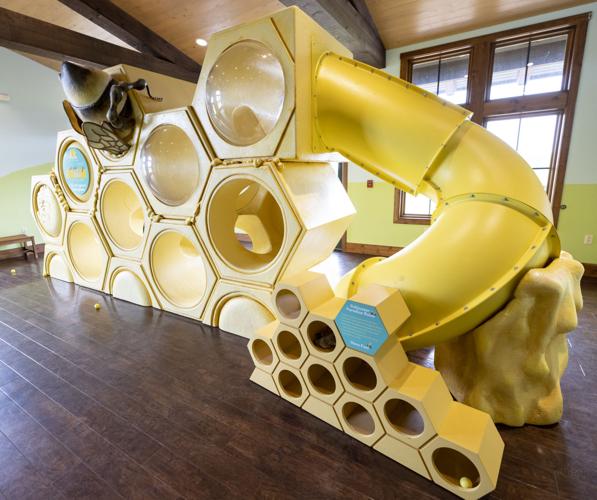
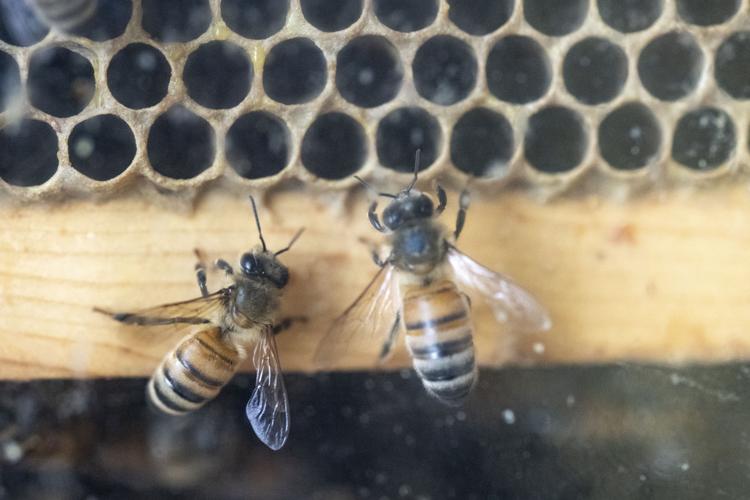
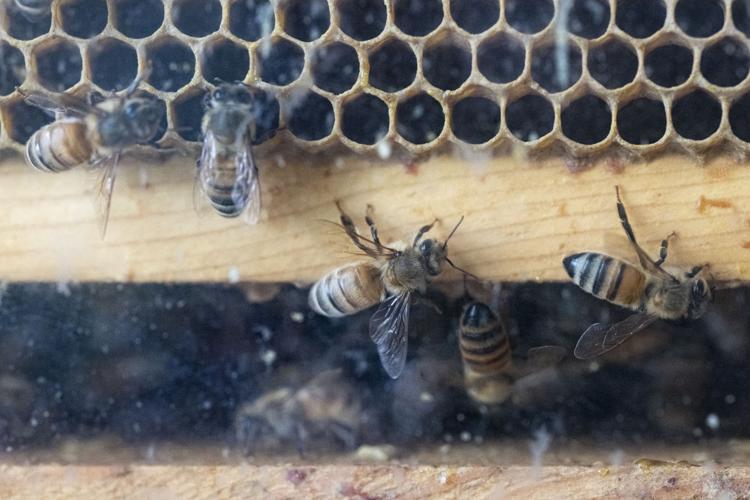
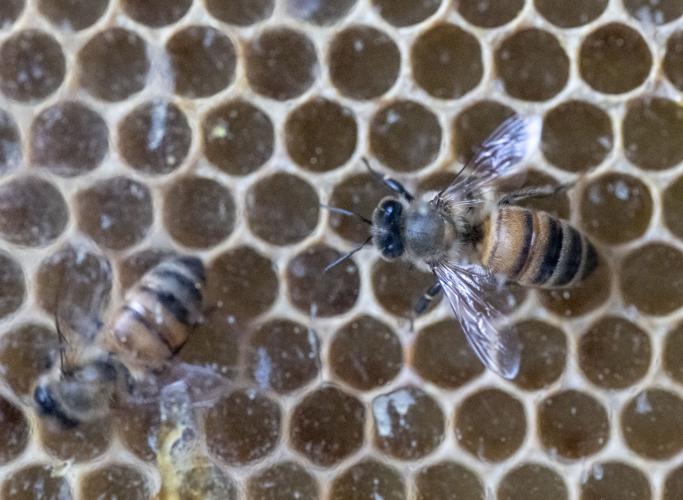
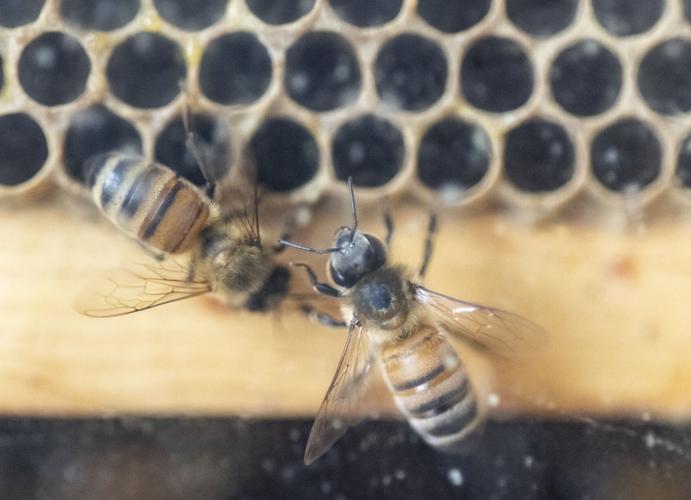
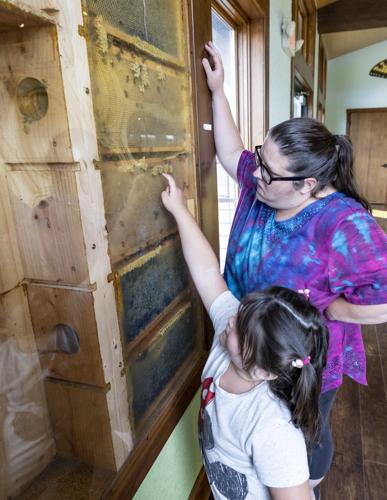
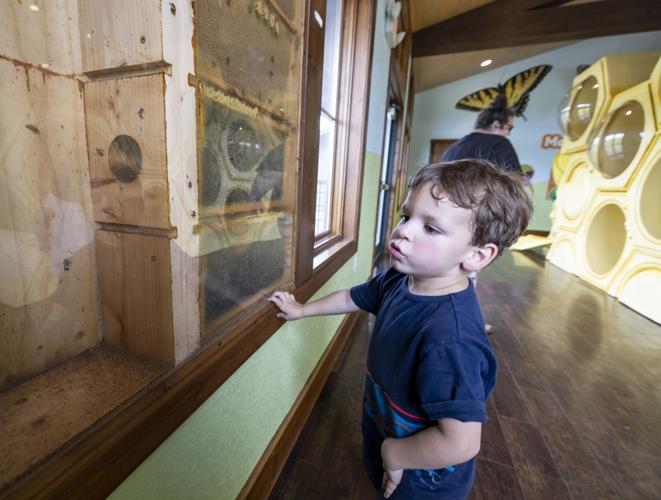
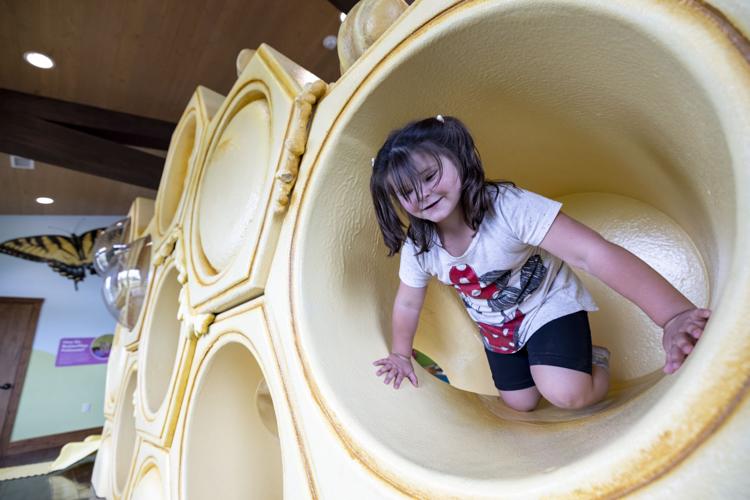
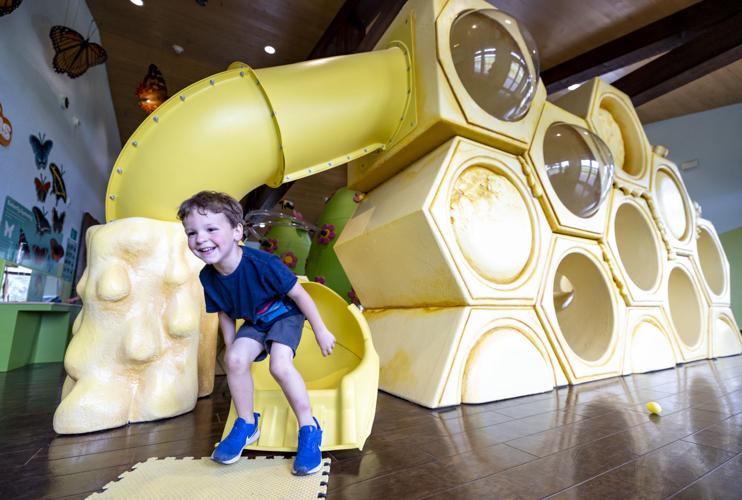
It had everything: big, colorful, interactive dioramas, a "human-size honeycomb climber," a build-your-own-insect station, real beehives under glass, a seasonal butterfly enclosure with real butterflies in the early stages of their life cycle.
But COVID-19 hit that year. The Dickinson County Nature Center, 22785 Nature Center Road, was closed from the beginning of the pandemic until September, when it opened two days a week.
The Nature Center resumed normal hours of operation in March of this year. Since then, Pollinator Paradise has been a sensation.
"You can tell when kids have been here before, because they run straight back to (Pollinator Paradise)," said Daria Mather, community relations coordinator with the Dickinson County Nature Center.
People are also reading…
The 2,000-square-foot, $1.7 million Pollinator Paradise opened in November 2019. Its development was in large part the vision of Delores and Al Maser, benefactors of the Dickinson County Nature Center who are known for their love of pollinators and the outdoors.
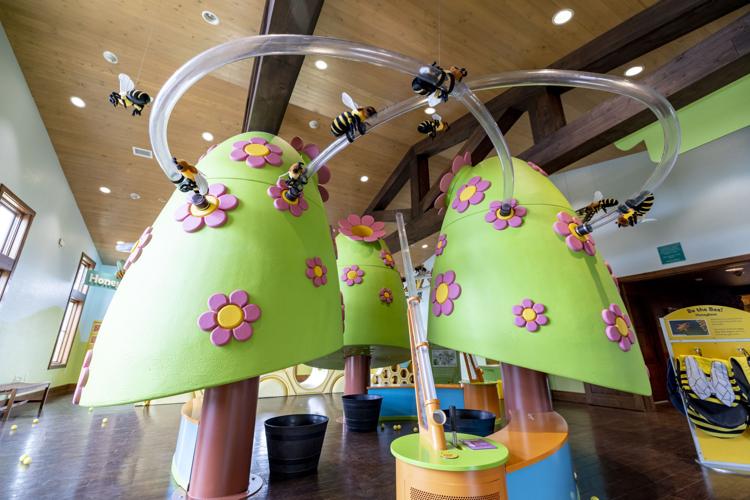
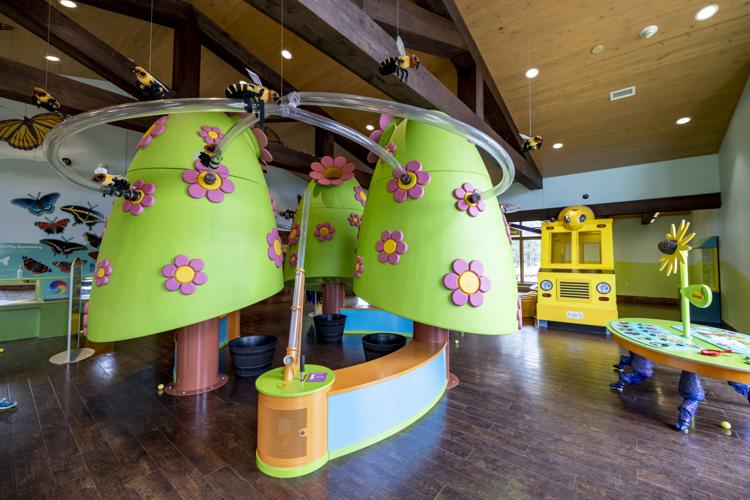
One of the biggest draws for young visitors of Pollinator Paradise is a set of large, brightly colored, simulated apple trees that have a set of clear tubes running between them. Kids place a ball, representing pollen, into the system, and it "flies" through the tubes from tree to tree with large "bees" hovering above, demonstrating the way pollen works.
"To kind of show that pollen needs to move from flower to flower, and that the bees help to transport it from flower to flower," said Bryanna Kuhlman, environmental education coordinator at the Dickinson County Nature Center.
Pollen in real life is a yellowish dusty substance generated by plants for fertilization; it's produced by the male part of a flower, referred to as the stamen or the anther. The pollen has to reach its female counterpart, the stigma or pistil. Trees and other plants release a blast of pollen during the spring and summer, much to the dismay of allergy sufferers.
Apple trees are perhaps the easiest way to demonstrate the pollen system. An apple tree planted all by itself can survive but, in most cases, will fail to bear much in the way of fruit.
This is why apple trees are usually planted in groups or in orchards. The trees need a pollen-producing neighbor nearby so that their blossoms in the springtime can be, in a sense, impregnated with pollen. Once pollinated, the blossoms eventually produce fruit.
Some plants are self-pollinators, meaning that the plant receives and uses its own pollen, but the vast majority of plants require assistance to get their pollen to the female parts of another flowering plant.
Wind or rain can sometimes act as a pollinator, delivering pollen to its destination. But almost 90 percent of all plant species need insects and animals to help with pollination, according to a report from the National Resources Conservation Service and the Wildlife Habitat Council.
Bees, for instance, visit a flower to collect nectar, which they use to make honey. They invariably gather some pollen in the process, which is then deposited in other flowers during subsequent flower-visits.
Alongside butterflies, bees are probably the most familiar pollinators. But there are, Mather said, more than 200,000 different pollinator species, including insects, birds and animals.
"There's a huge variety," she said.
One reason bees' role in pollination is so familiar is because the insects have come under threat from a phenomenon called "colony collapse disorder," in which worker bees mysteriously leave the hive and never come home. The cause has variously been attributed to pesticide use or to various bee-ailments, including the notoriously destructive varroa mite. Several other explanations have been floated.
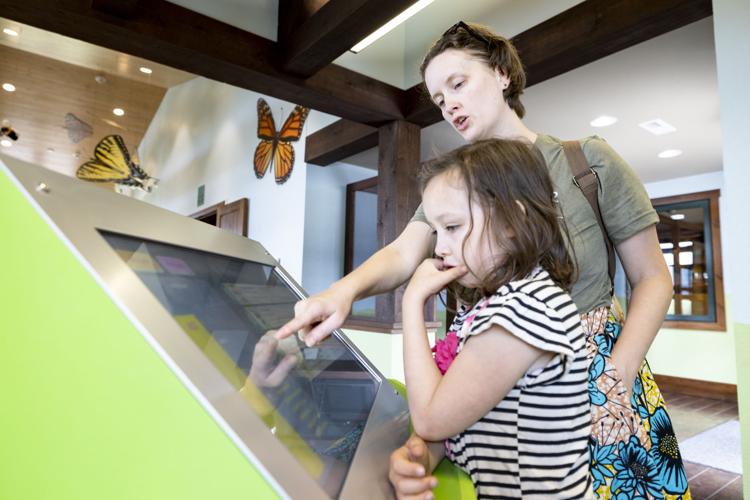
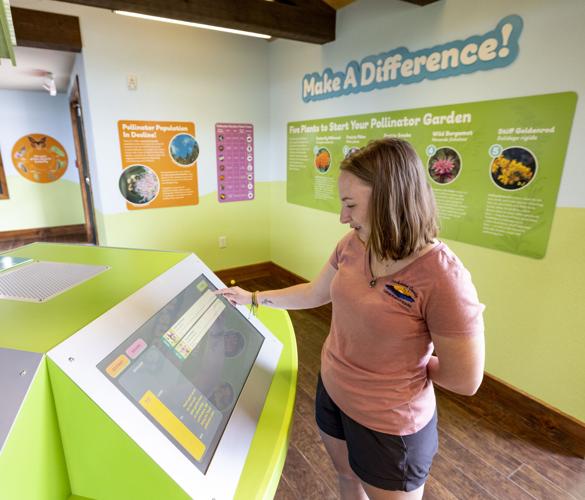
No ordinary person is likely to solve the bee problem on their own, but there are smaller, helpful steps a person can take. Pollinator Paradise has a digital exhibit where visitors can design a pollinator-friendly landscape around a home, with a scoring system based on how useful the landscape would be for pollinators.
"So if you choose plants that are really good for pollinators, your score will be higher, but if you choose non-native plants or plants that don't benefit pollinators, your score will be lower," Kuhlman said.
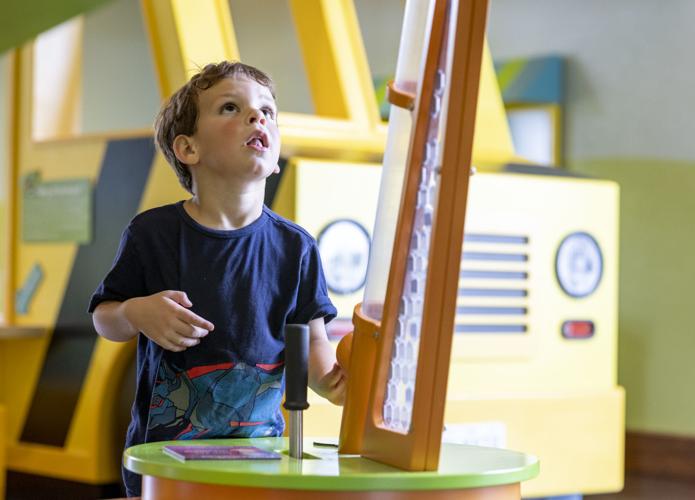
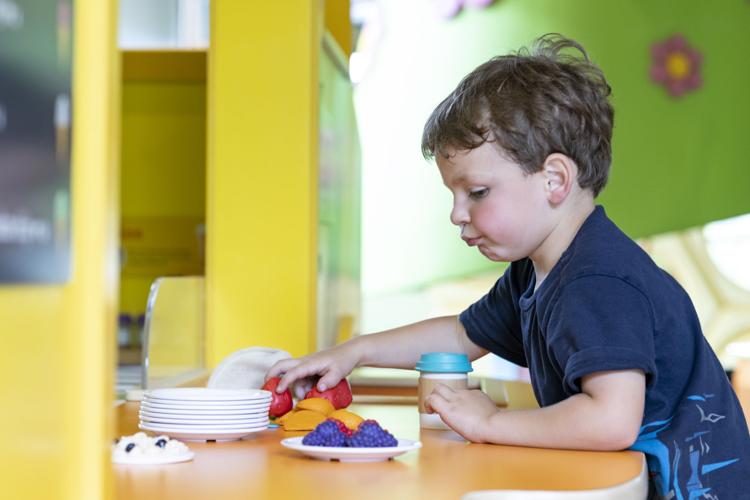
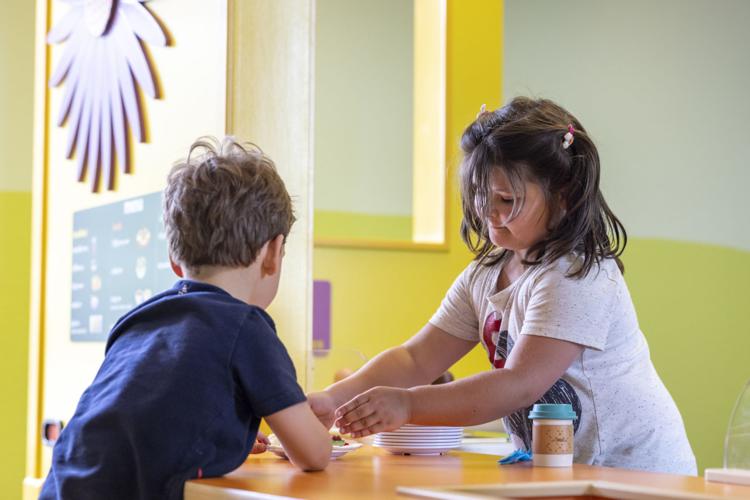
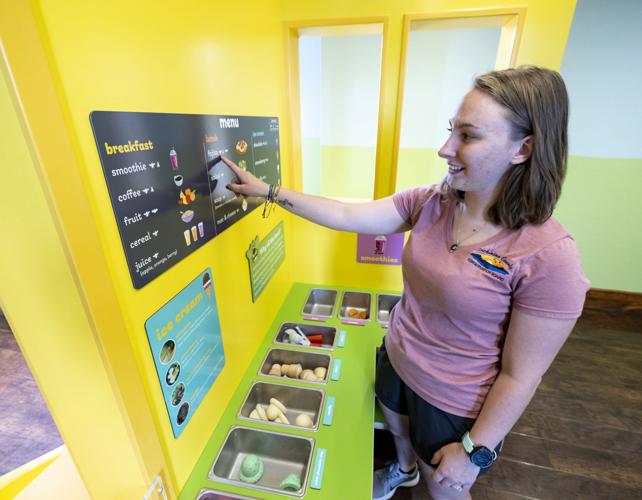
A number of commercially important and popular foodstuffs rely on pollinators, including almonds, apples, strawberries, peaches, cauliflower, vanilla, carrot, olives, watermelon, cherries -- the list goes on. Pollinator Paradise has a play-food truck where the kids can discover how the various foods they enjoy arrive on their plate thanks to the work of pollinators.
Animals pollinate roughly 75 percent of all crops grown across the globe -- these plants become food, beverages, condiments, spices, textiles and medicines, according to the NRCS and WHC report.
"If we didn't have our pollinators, we wouldn't have these foods," Kuhlman said.