

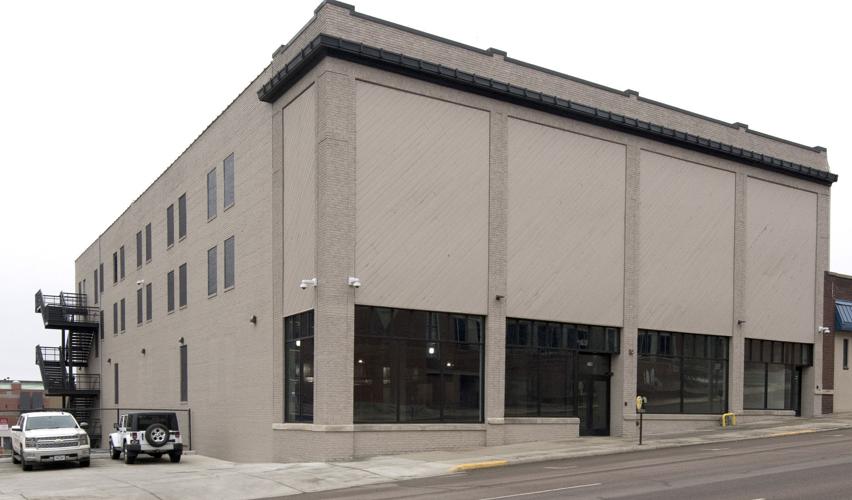
SIOUX CITY -- For about 50 years, automobiles were bought, sold and repaired at the multi-story brick building at 713 Nebraska St. Then for another 50 years or so, the building was known as a place to purchase office supplies.
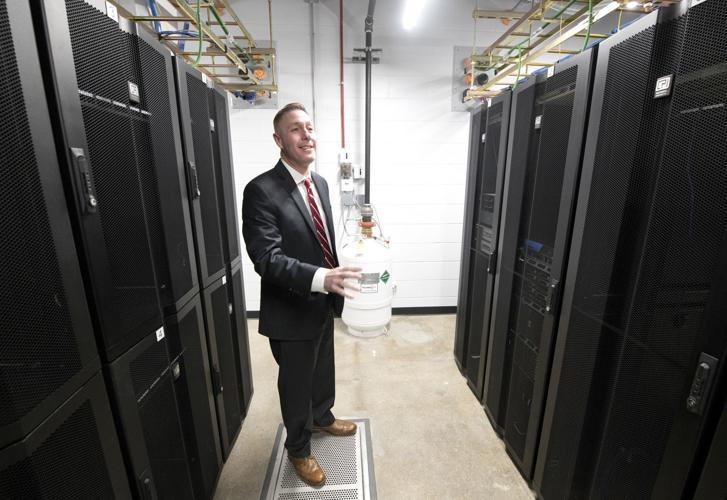
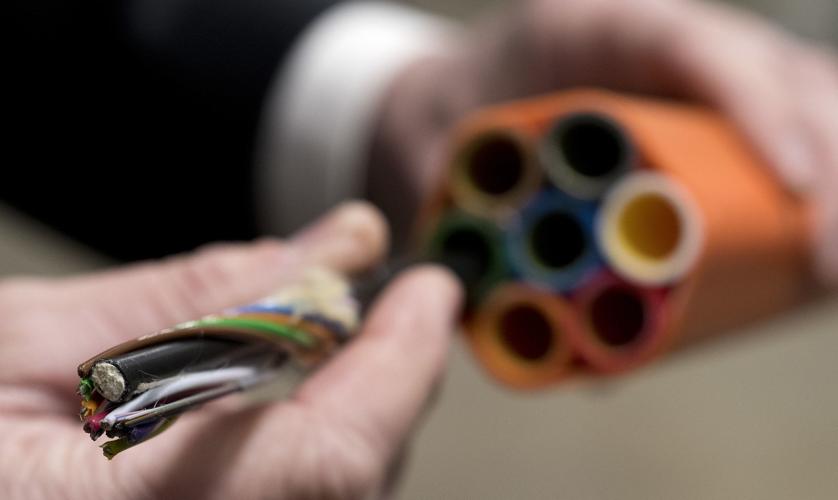
Today, the old place is buzzing with servers, fiber-optic cables and the data that speeds through them; it's locked down as tight as Fort Knox to keep the precious data and the machines safe. FiberComm, the Sioux City-based data and broadband provider, moved equipment there last fall.
FiberComm CEO Al Aymar said there a need for a space where telecommunications companies could link their own networks to networks in Sioux City. So FiberComm purchased 713 Nebraska St., the former site of an office supply store, gutted it, and invested more than $6 million turning it into a so-called "carrier hotel."
As of February, Aymar reported that FiberComm has at least 24 internet carriers and telecom providers with network facilities in (or out of) the downtown location, and from that site FiberComm can interconnect their networks.
People are also reading…

Other Siouxland organizations have a virtual presence at FiberComm's new carrier hotel, including several medical organizations, educational systems, utilities, municipalities, county and state entities, manufacturing and agricultural firms, IT organizations and nonprofits.
"We onboard people weekly, biweekly. We're always bringing new folks up there," Aymar said of the carrier hotel. They've given "probably 100 tours" of the facility since October, he said, and "there's still a lot of interest."
Locating a carrier hotel in downtown made sense geographically, Aymar said, because "there's so many fiber optic networks that actually come through Sioux City. We needed a place, a central point, where people could connect those networks."
Built in 1920, the brick edifice played host to a swift succession of auto dealers through the 1970s.
One of the building's first occupants was the Incorporated Auto Co., followed a few years later by the J.H. Hansen Cadillac Co., and for several years in the late 1920s, Greenlease-Lied Motors. By the late 1930s it housed the Brooks Auto Co., then O'Shields Motors, then Tri-State Motor Co., and the Coons Motor Co. by the late 1940s.

At various points these dealerships sold the Hupmobile, Cleveland, Overland, Oakland, Oldsmobile, Hudson, Nash, Packard, Studebaker, Gray, Essex, Star, Plymouth, Pontiac and De Soto marques, as well as a few present-day brands including Buick, Cadillac, Dodge and Ford.
In 1971, General Business Equipment purchased the building from the Kidder-Knoepfler Co., thus ending 50 years of used auto dealers and repair shops operating there. The General Business Equipment store sold office supplies and furniture there for decades, succeeded more recently by Office Elements.
Aymar is quite proud of the building's heritage, sturdy physical elements of which remain to this day.
"The elevator's big enough to drive cars on, the third floor was the paint shop," he said during a visit in October. "Look at the size of those pillars! This thing, it just reeks of security."
FiberComm added further elements of security, beyond that which the building already offered. Getting into the building's server area requires numerous card swipes and bio-metric identifications at the doorways -- clients wanted extensive security measures and round-the-clock availability.
Each of the rooms on the second floor, currently the building's hive of activity, are named for 19th-century technology pioneers -- Edison, Tesla, Marconi, Bell.

Several large, empty spaces remain in the building. Aymar said FiberComm could use the spaces any number of ways.
"We are in a planning process for what to build that first floor out into, and something will happen this year," he said.
Photos: Lower Fourth Street through the 20th century
Lower Fourth Street
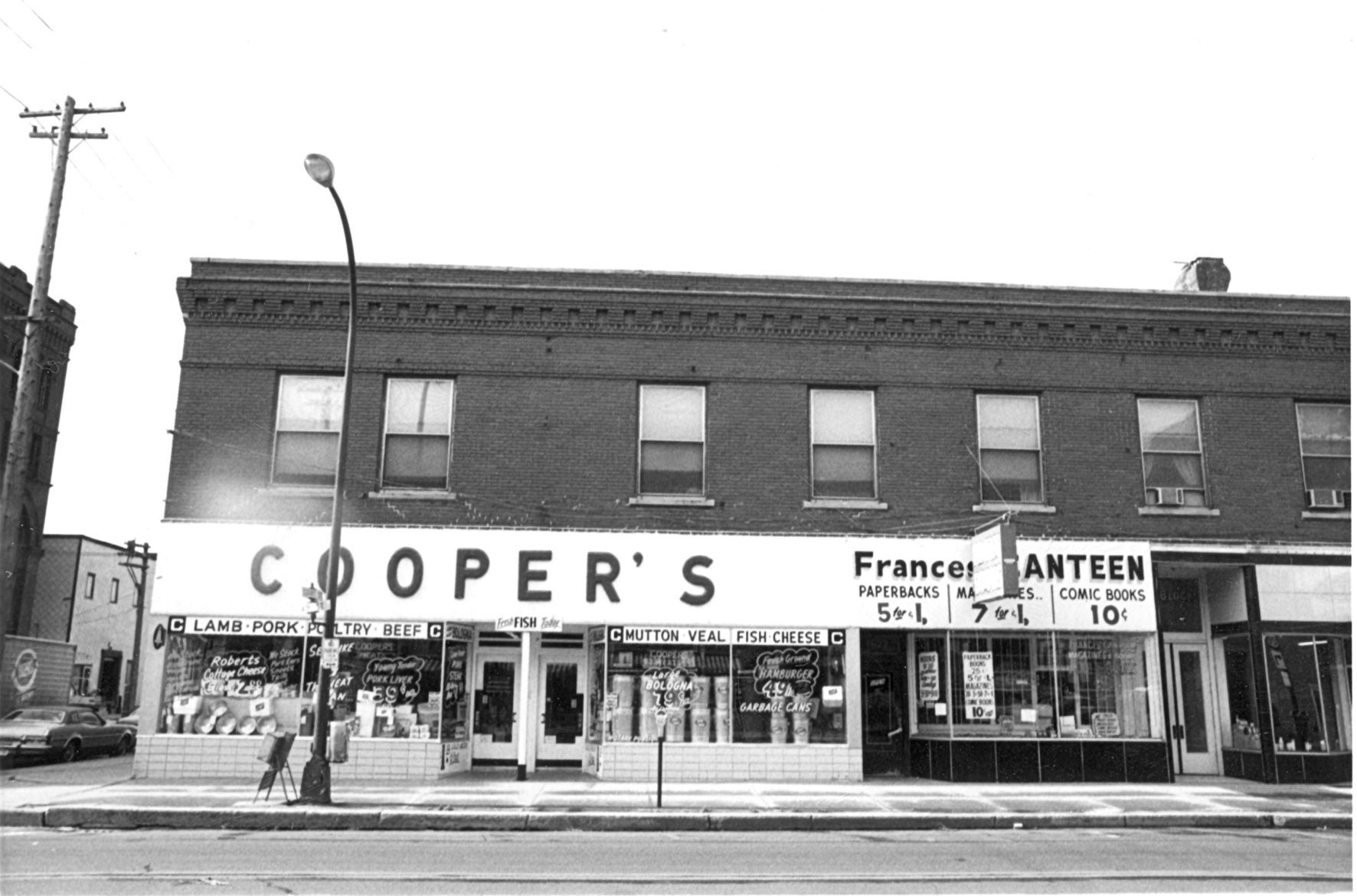
The Lee Block, constructed in 1911 as a multi-use commercial building, was home to billiard halls, saloons, drug stores, furniture dealers, clothing shops and hardware stores. Notable occupants included the O.P. Skaggs grocery store (1931-1951), the Scandinavian Bakery (1933-1973) and Cooper’s Market (1955-1992).
Lower Fourth Street
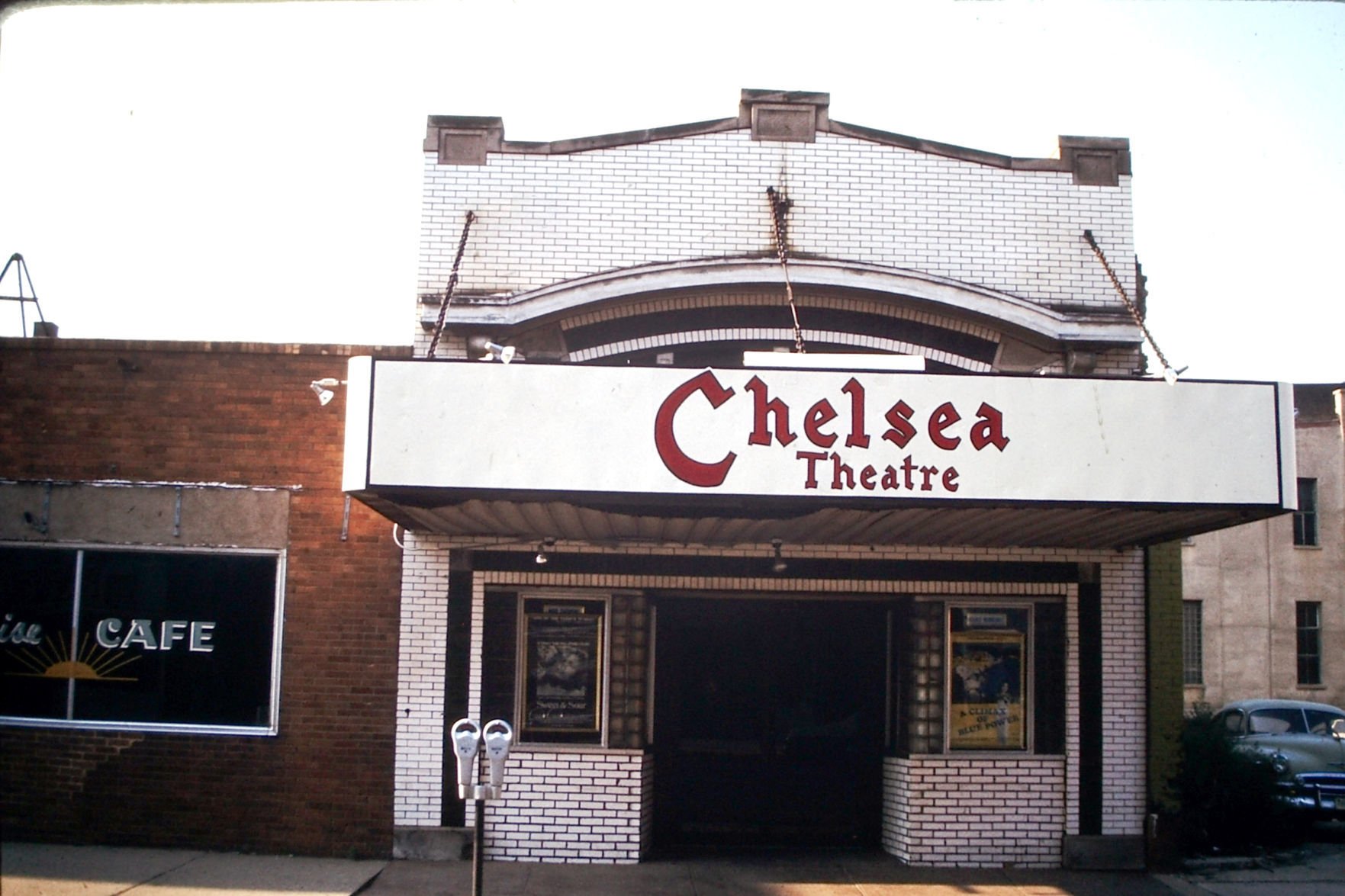
The Chelsea Theatre was located on Fourth Street in downtown Sioux City.
Lower Fourth Street
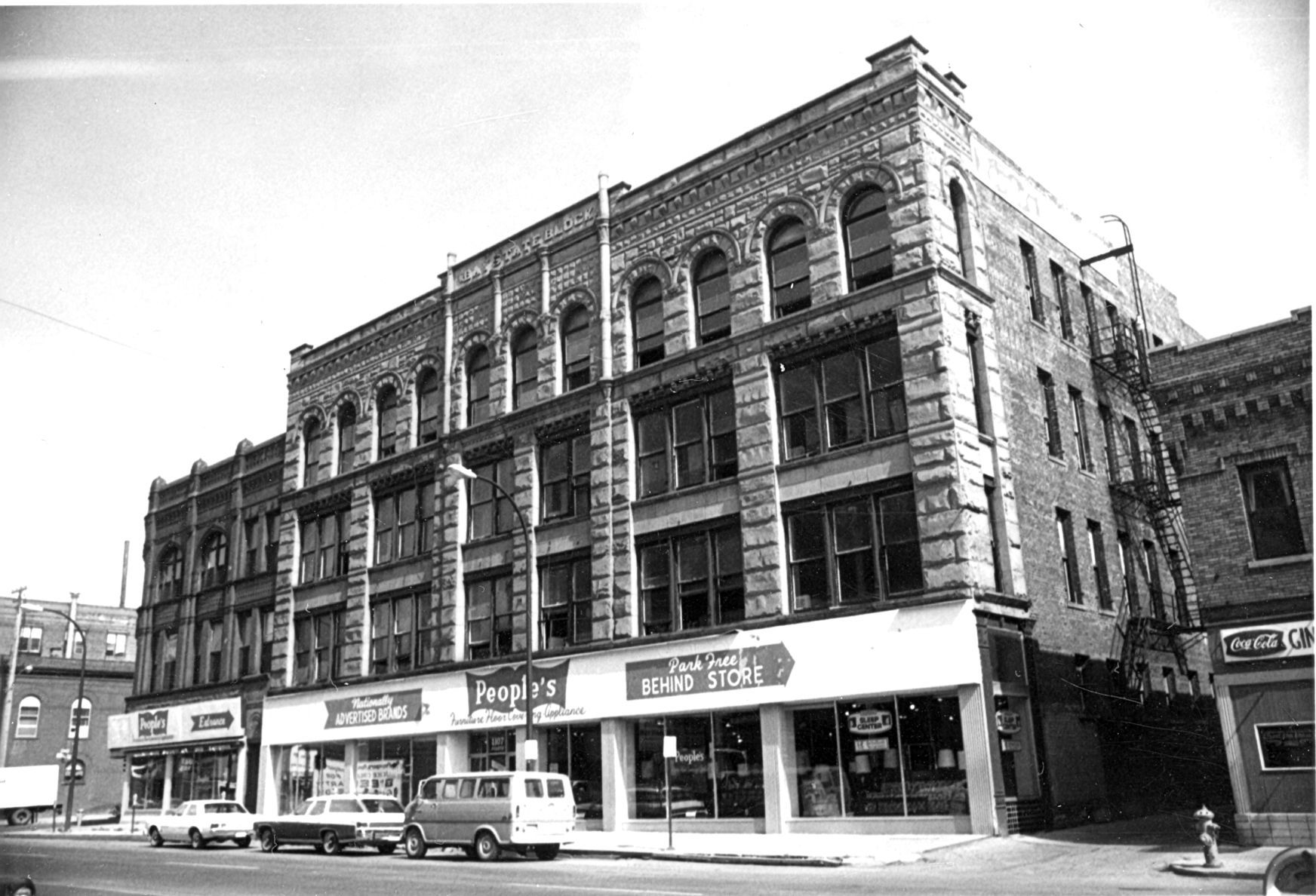
People's Department Store on Fourth Street in Sioux City.
Lower Fourth Street
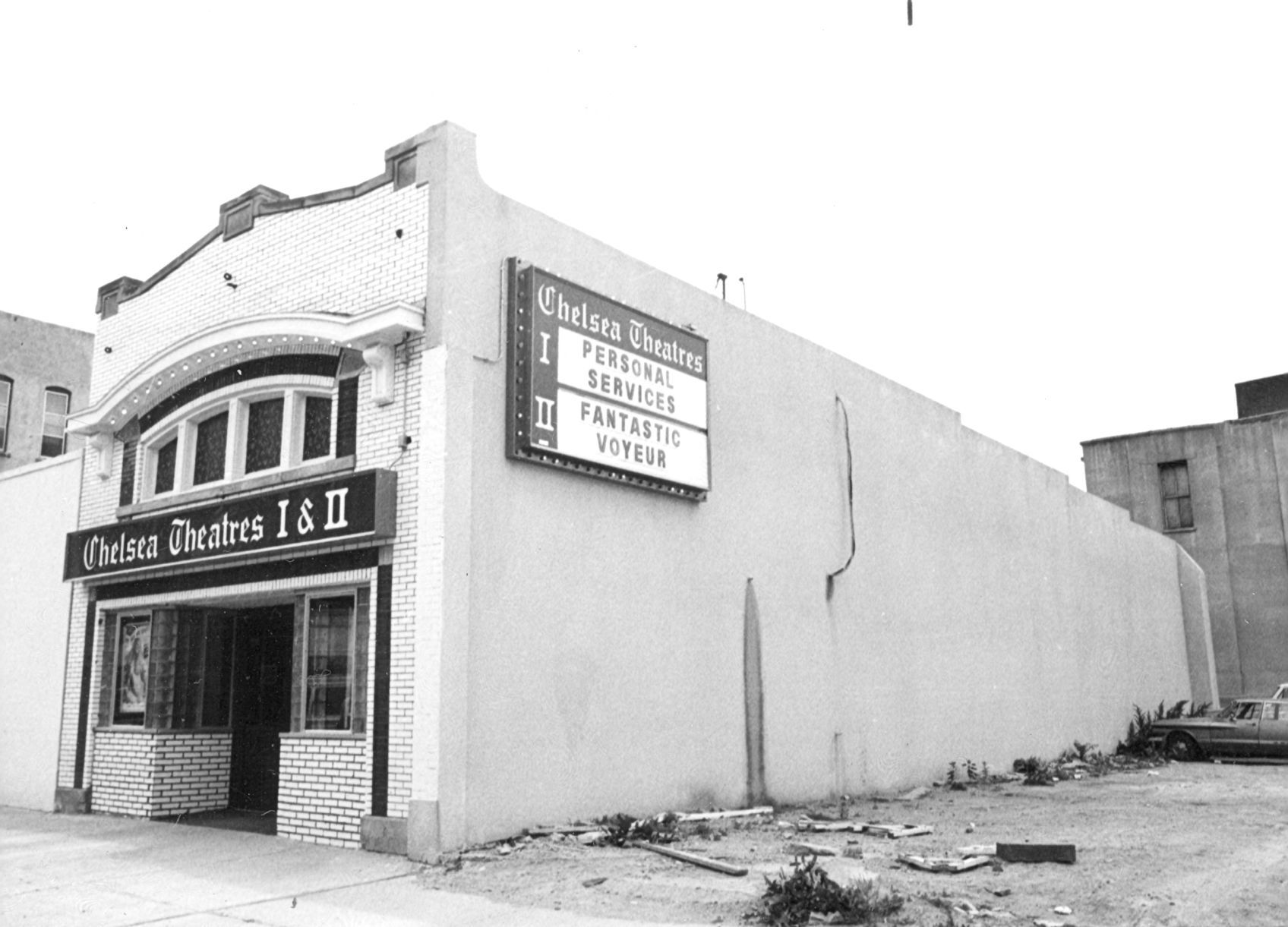
The Chelsea Theatre was located on Fourth Street in downtown Sioux City.
Lower Fourth Street
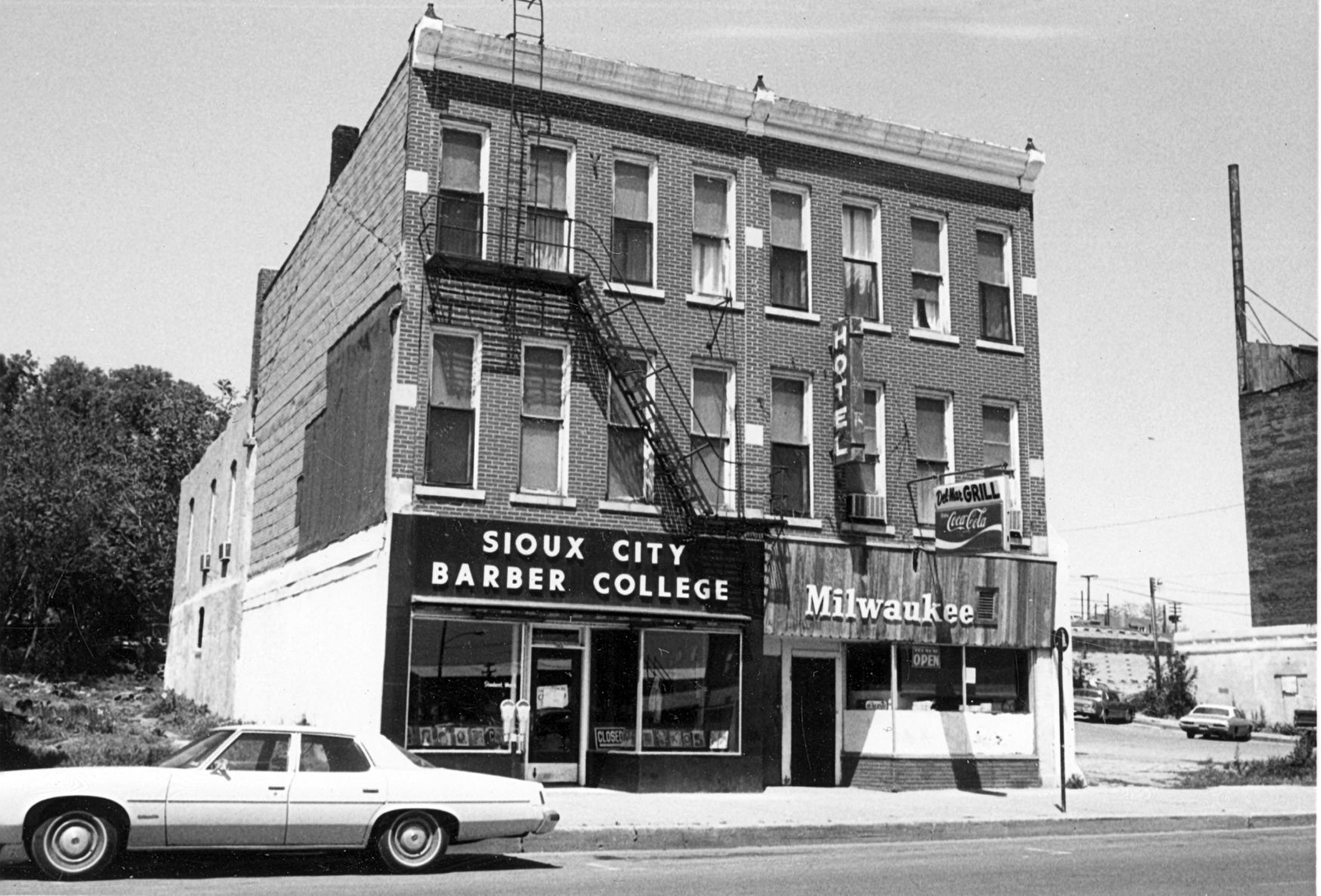
Sioux City Barber College and Del-Mar Grill on Fourth Street in Sioux City.
Lower Fourth Street
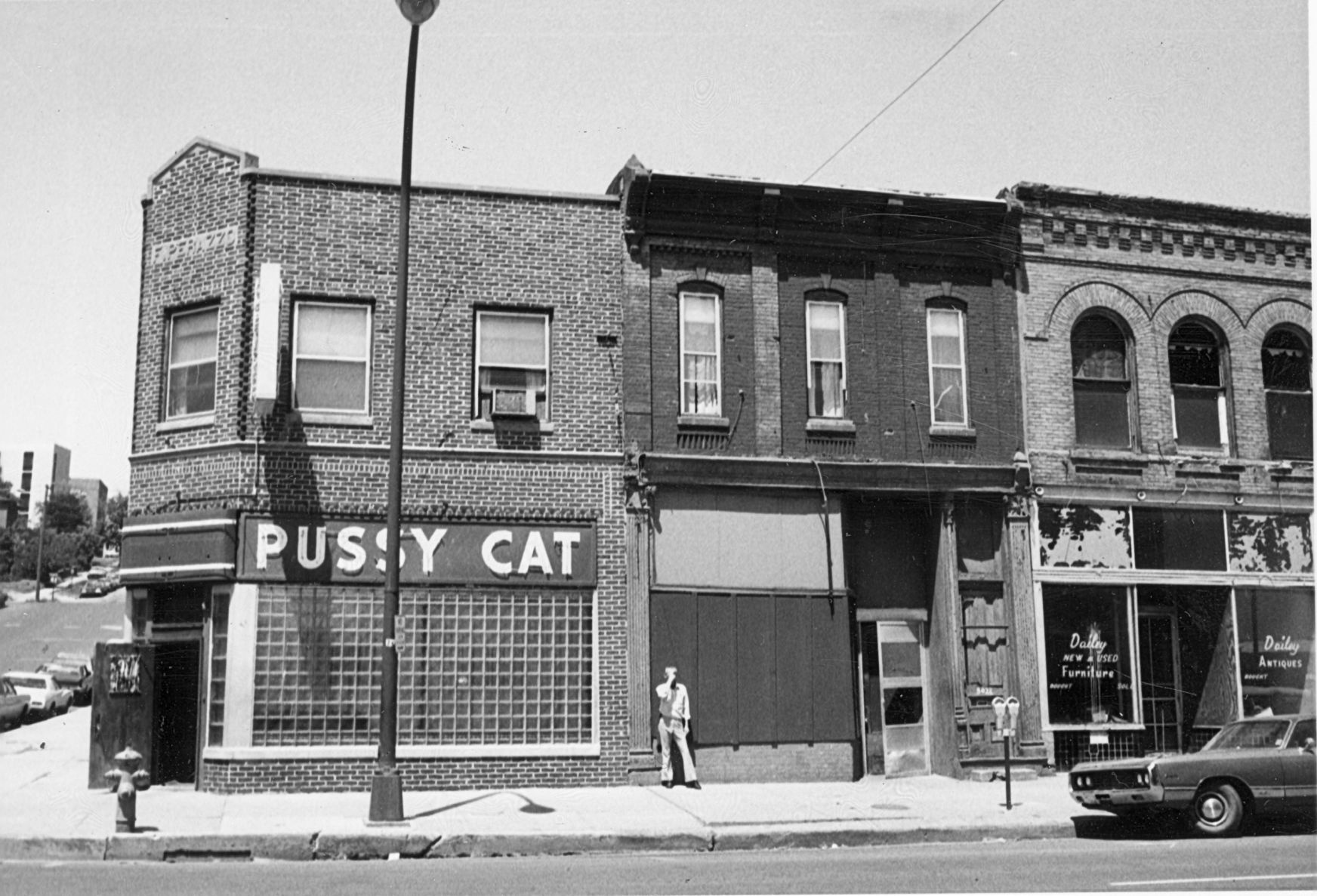
The Pink Pussy Cat was located at 901 Fourth St. in Sioux City. It closed in 1982 and this area of town was torn down in the mid-1980s to make way for the Sioux City Convention Center.
Lower Fourth Street
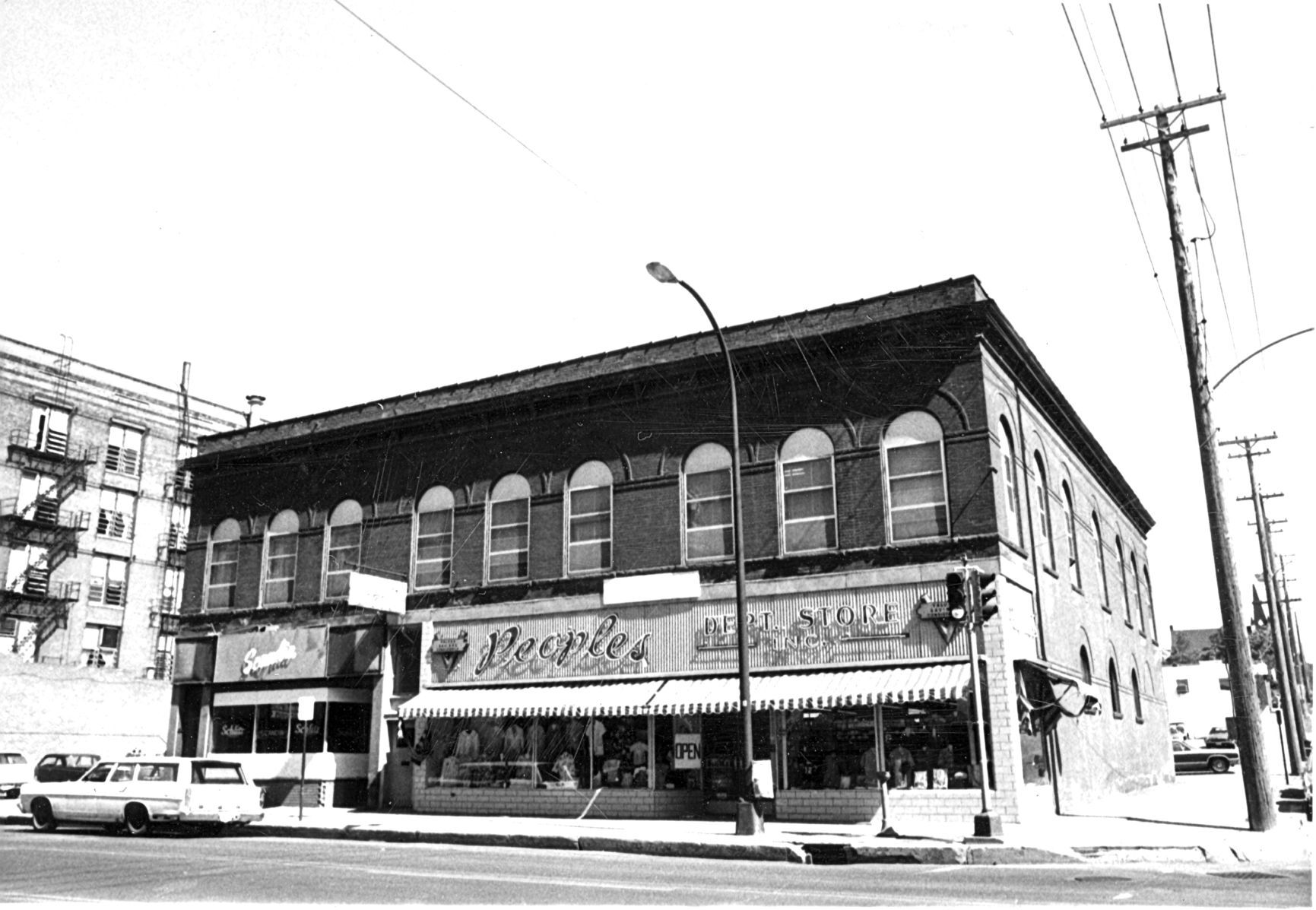
People’s Department Store operated on the northwest corner of Court and Fourth streets from 1937 to 1994.
Lower Fourth Street
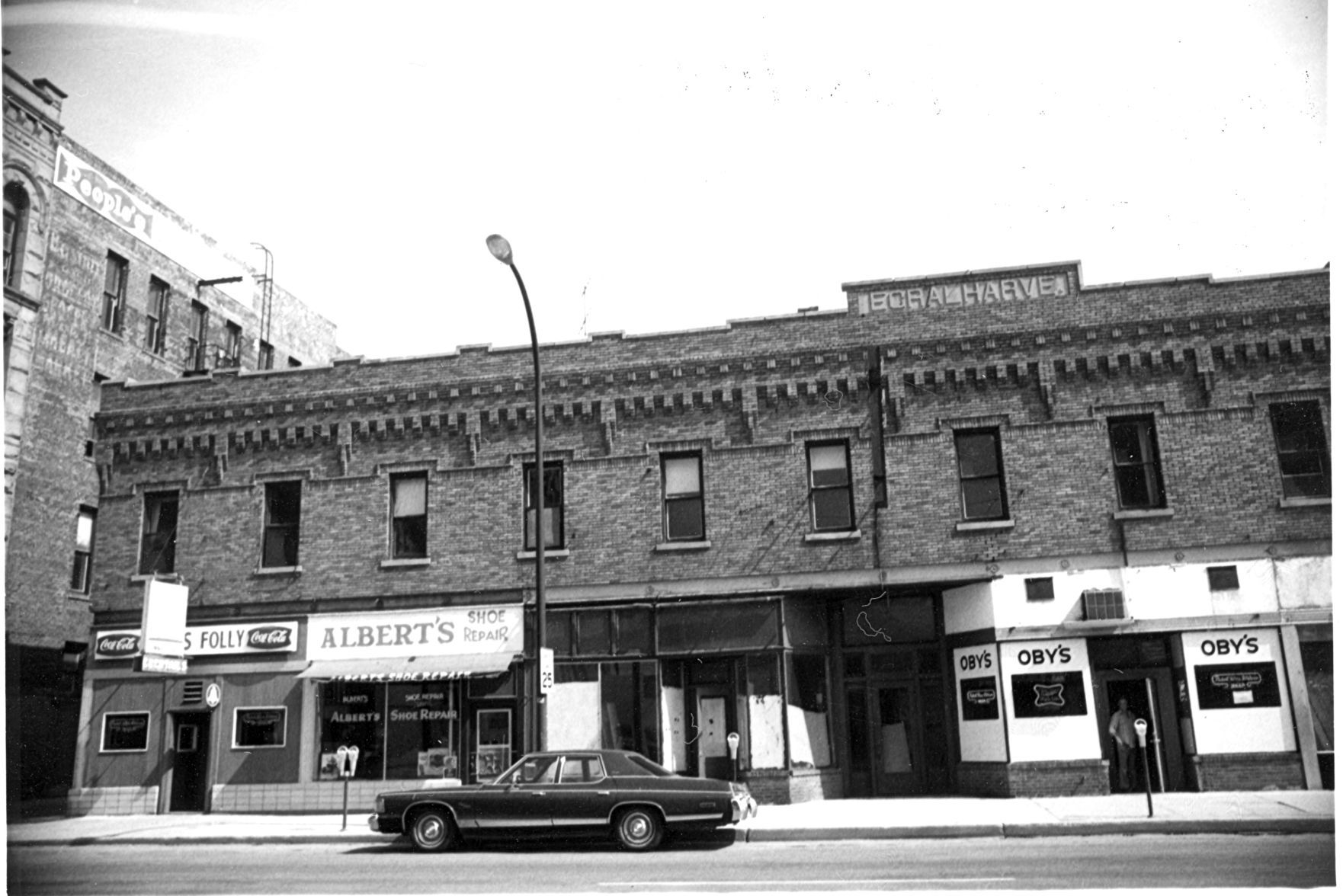
Lower Fourth Street businesses included Albert's Shoe Repair and Oby's.
Lower Fourth Street
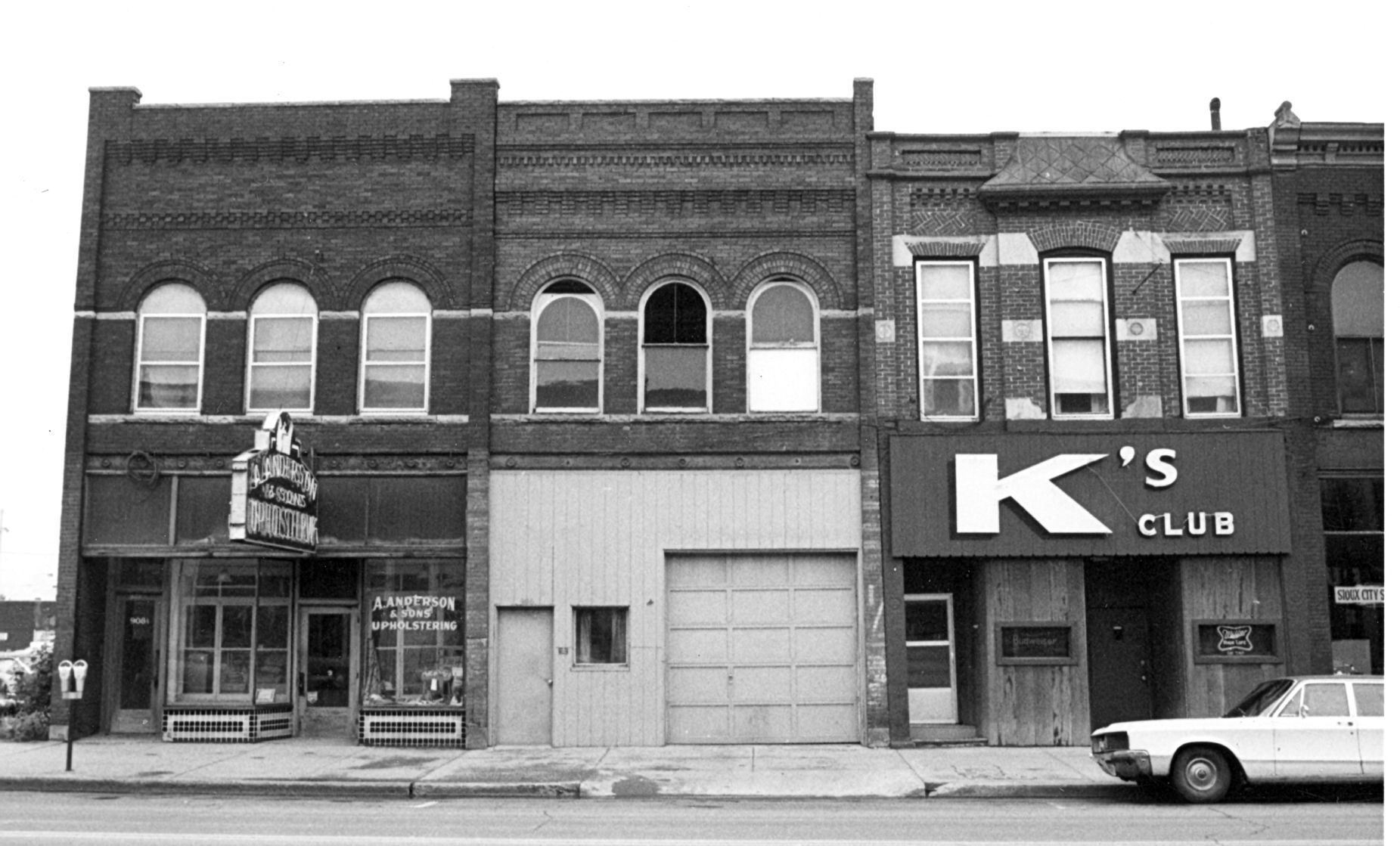
Lower Fourth Street businesses included A. Anderson & Sons Upholstering and K's Club.
Lower Fourth Street
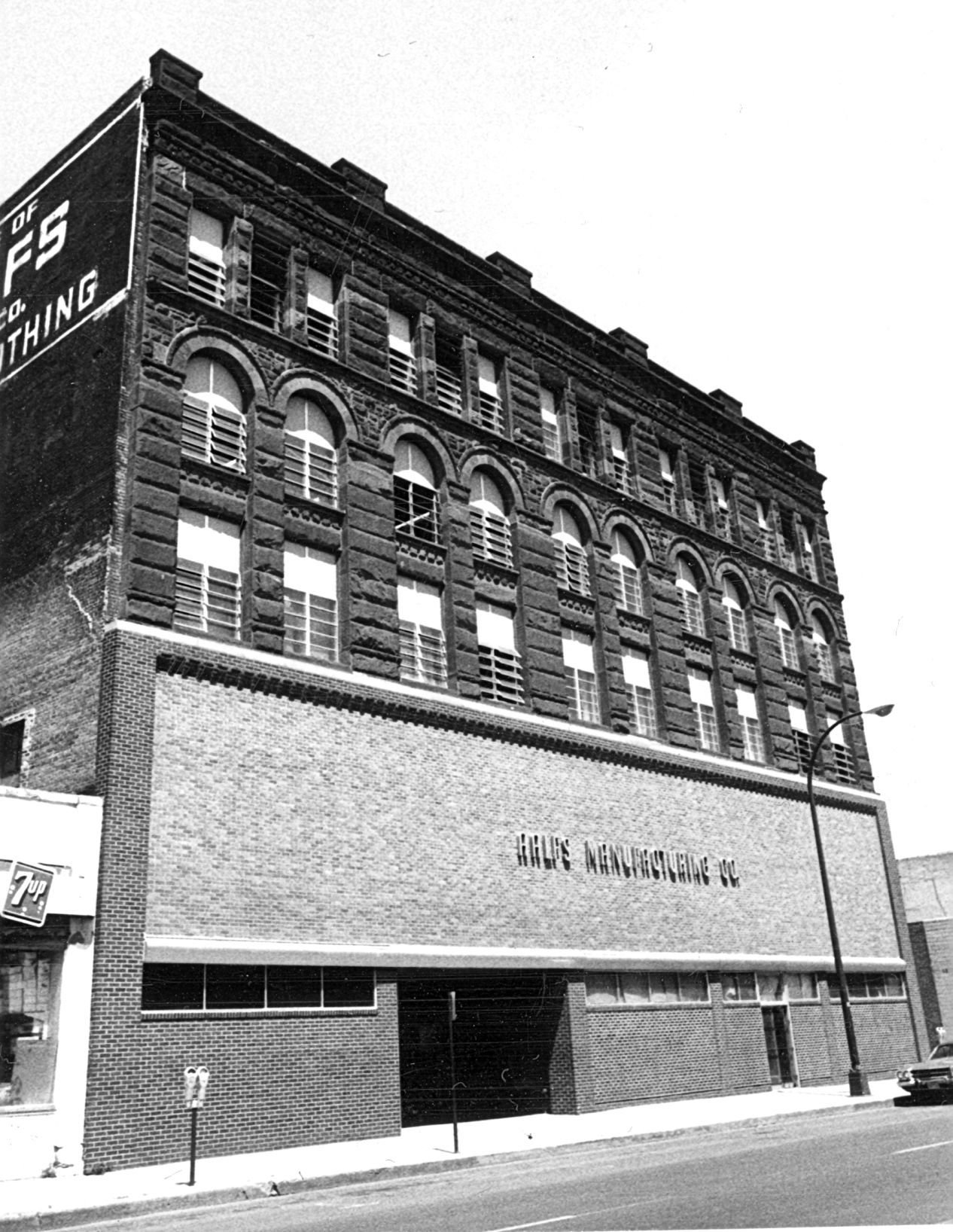
Aalfs Manufacturing has occupied the Boston Block on Historic Fourth Street since 1929.
Harbor Inn
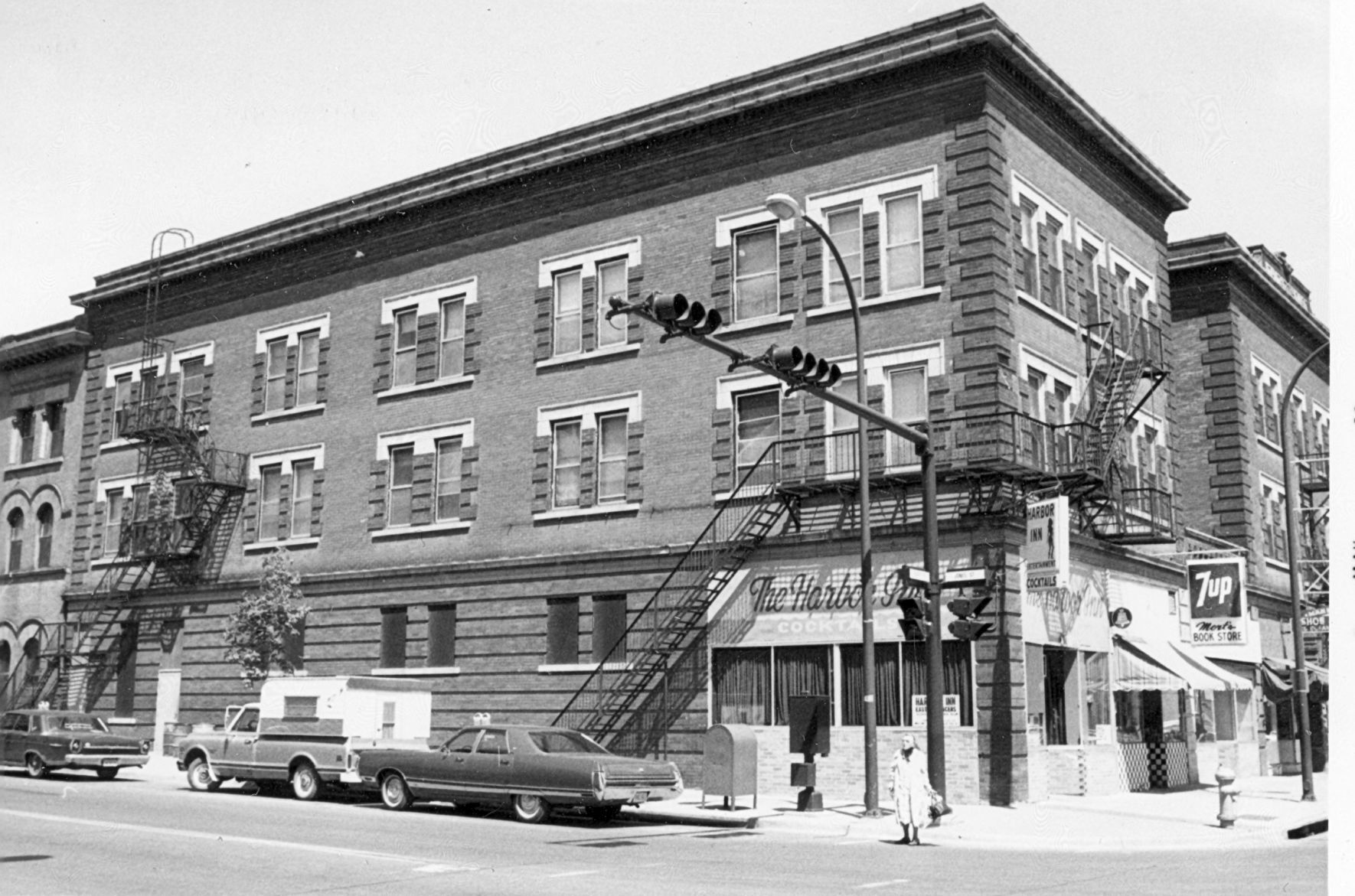
A photograph of the Harbor Inn on Fourth Street in Sioux City.
Lower Fourth Street
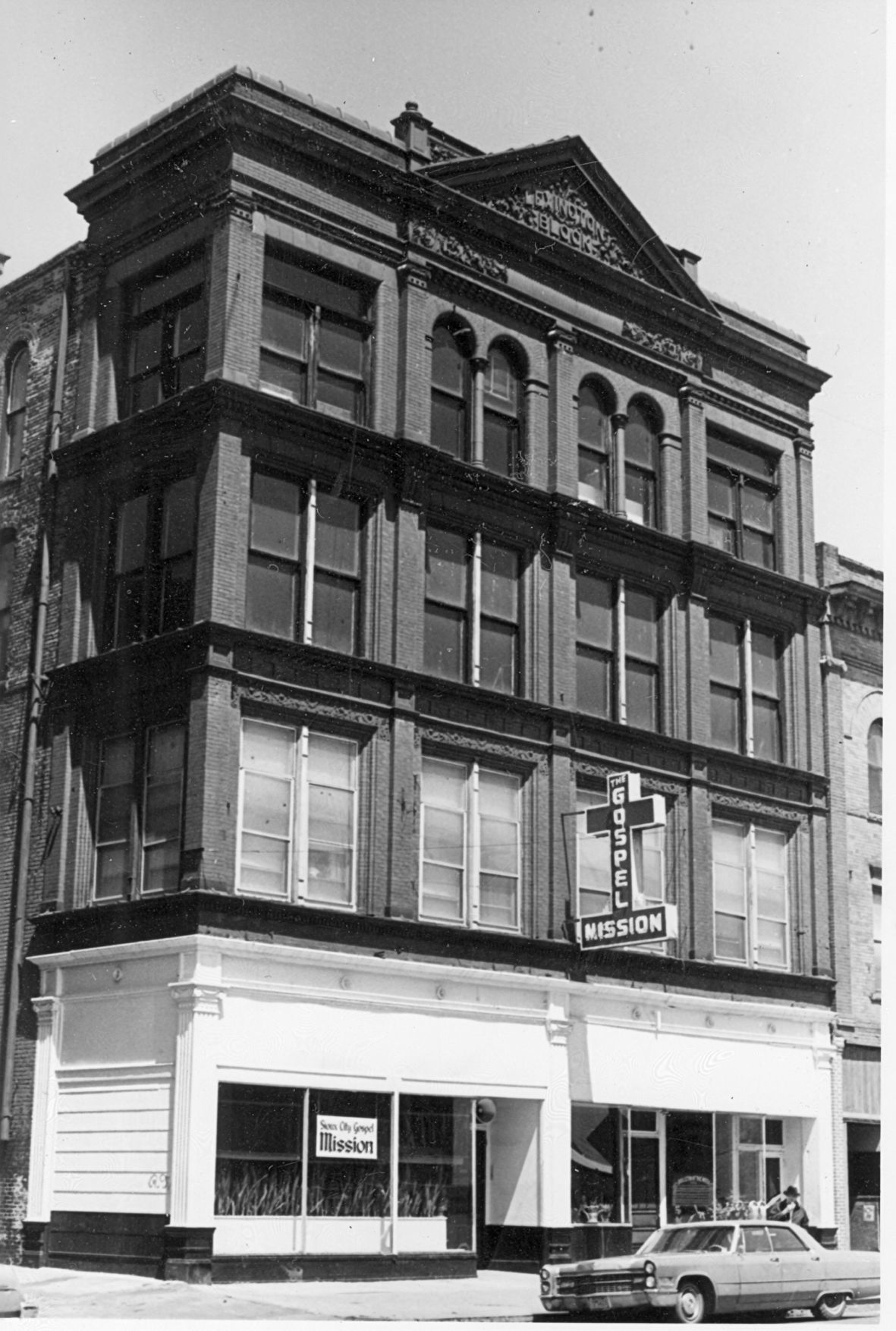
The Lexington Block building was originally occupied by the Dow Clothing Company (1891-95). Notable future occupants included a print shop (1895-97), the Henry A. Baker Company clothes manufacturing firm (1897-1916) and Max R. Mushkin’s clothing store (1917-28). Later, Zimmerman Furniture Company (1933-51) occupied the western half of the building while the Monarch Billiard Parlor (1934-56) operated the eastern half. The Sioux City Gospel Mission then owned the building until it was razed in 1987 to make way for the Sioux City Convention Center.
Lower Fourth Street
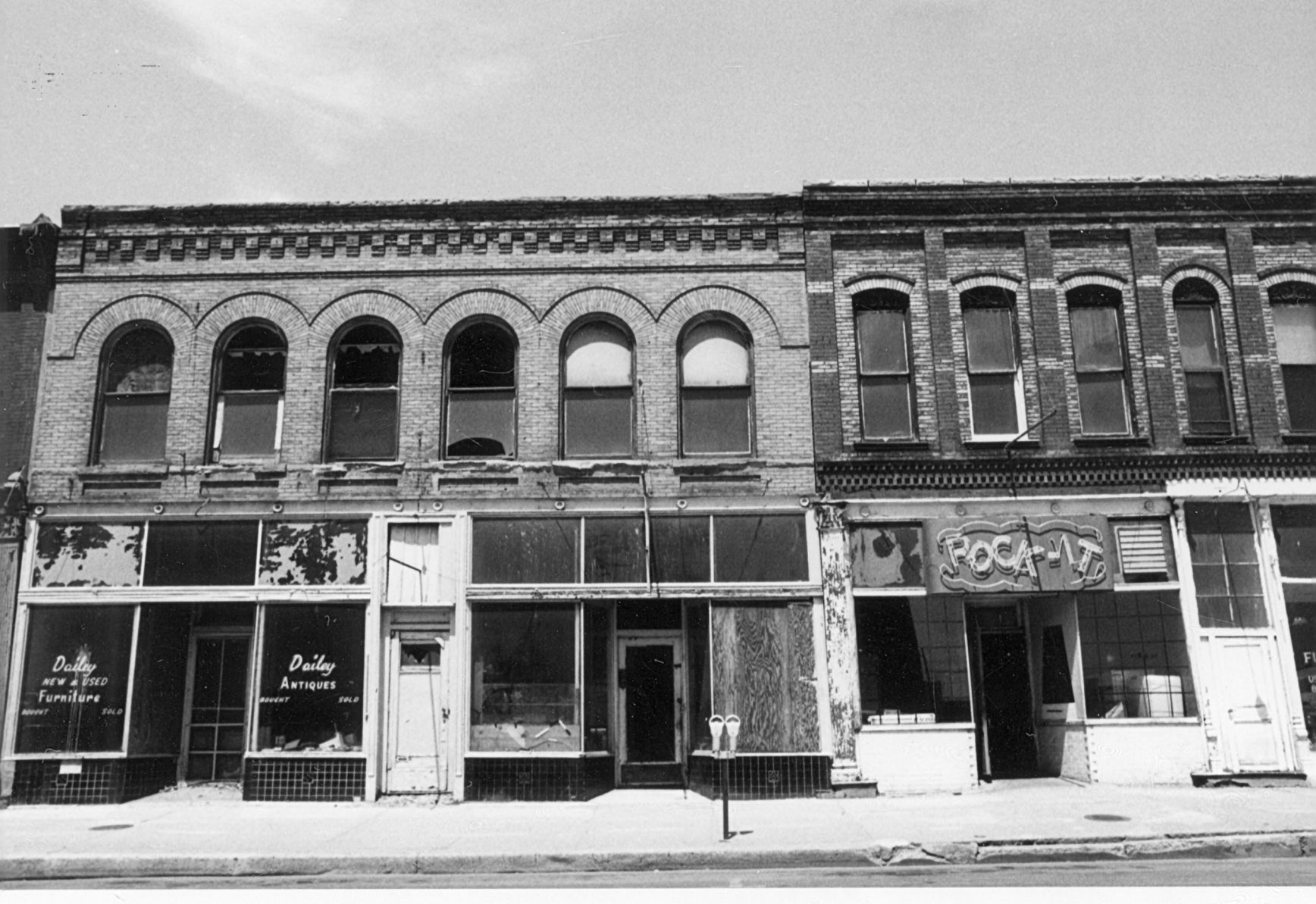
Dailey Antiques was located on Fourth Street in Sioux City.
Lower Fourth Street
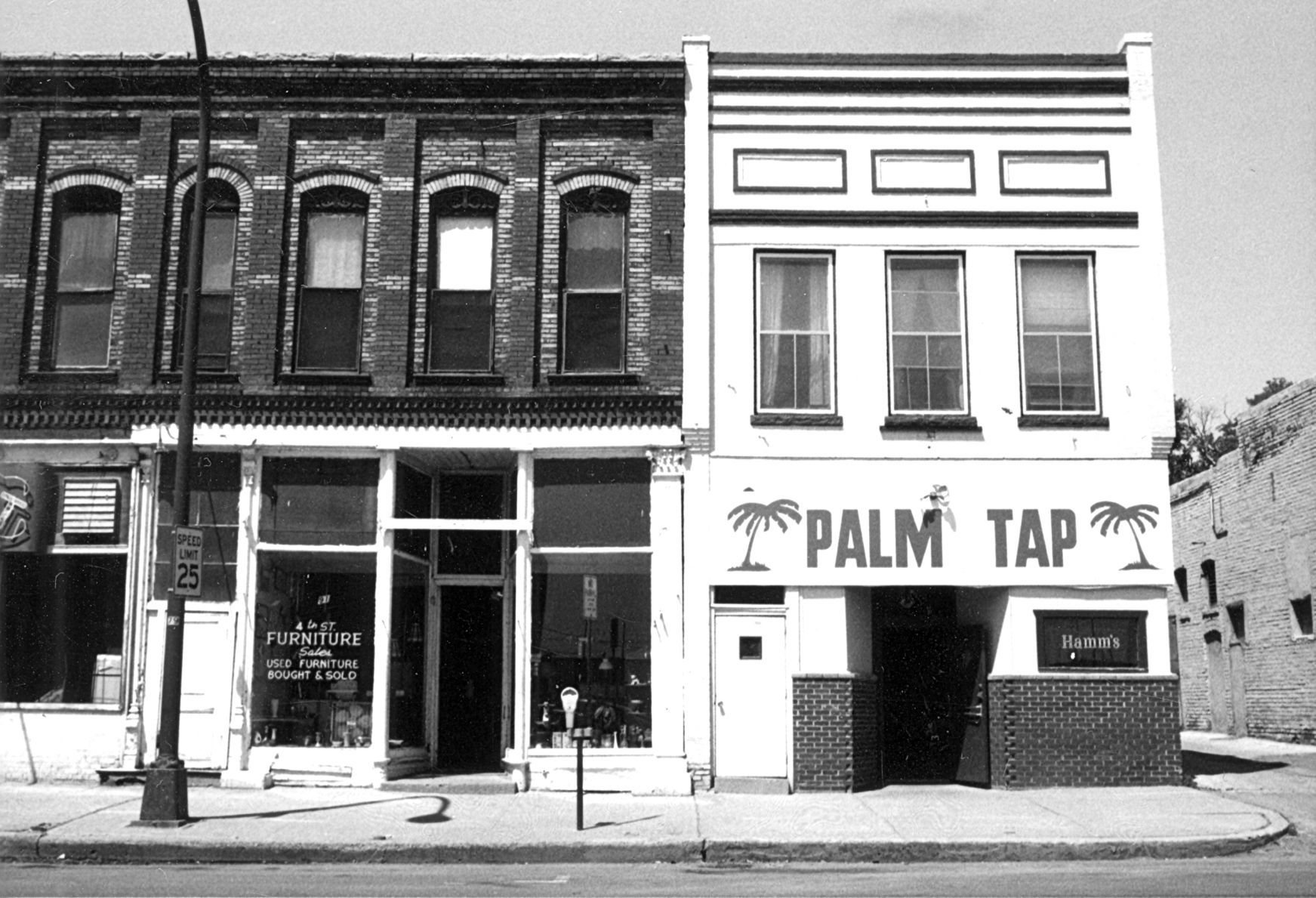
Palm Tap and 4th St. Furniture on Fourth Street in Sioux City.
Lower Fourth Street
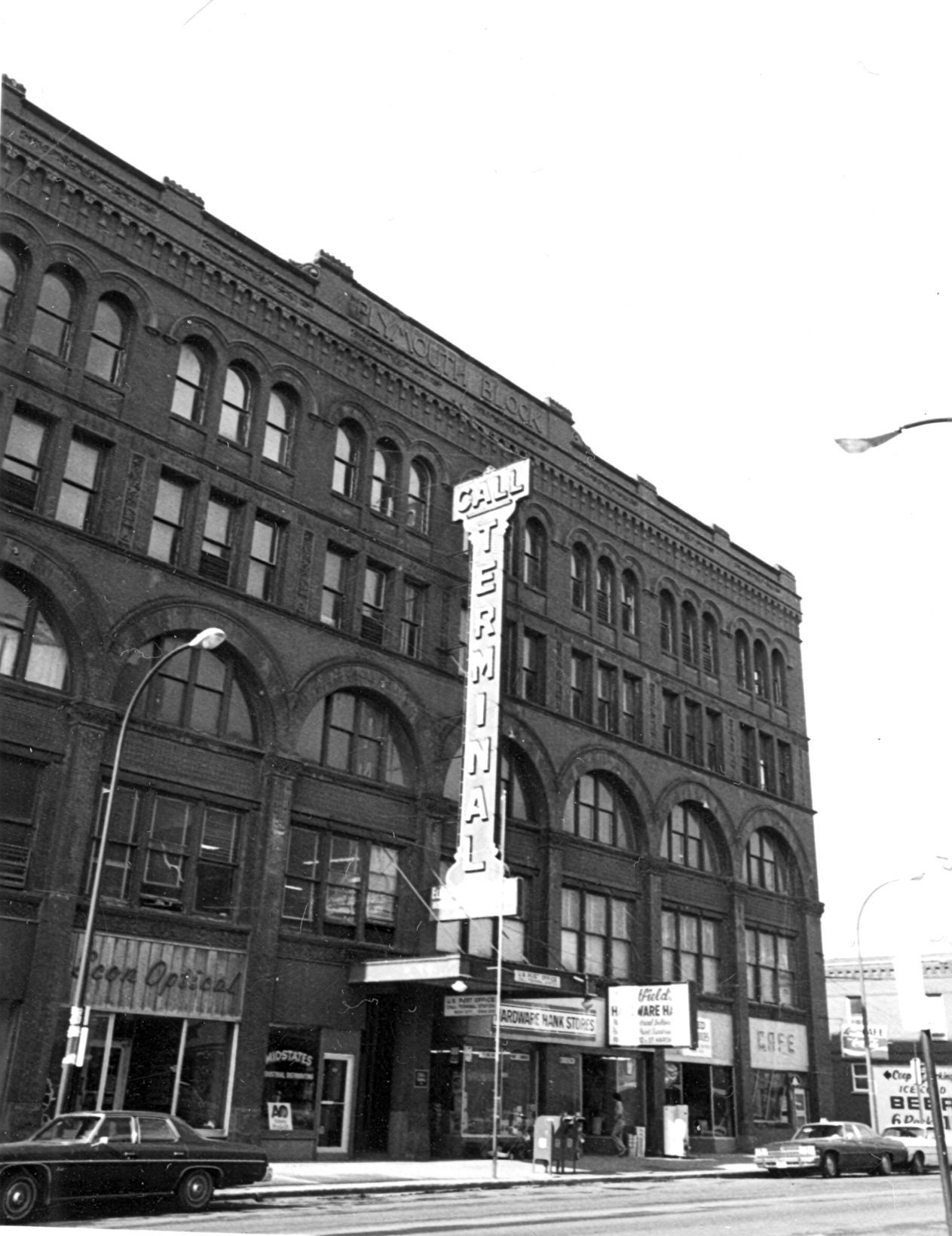
The Econ Optical and Hardware Hank stores are shown in this photo of the Call Terminal Building, which was renamed in 1930 after it was purchased by local financier and real estate developer George C. Call.
Lower Fourth Street
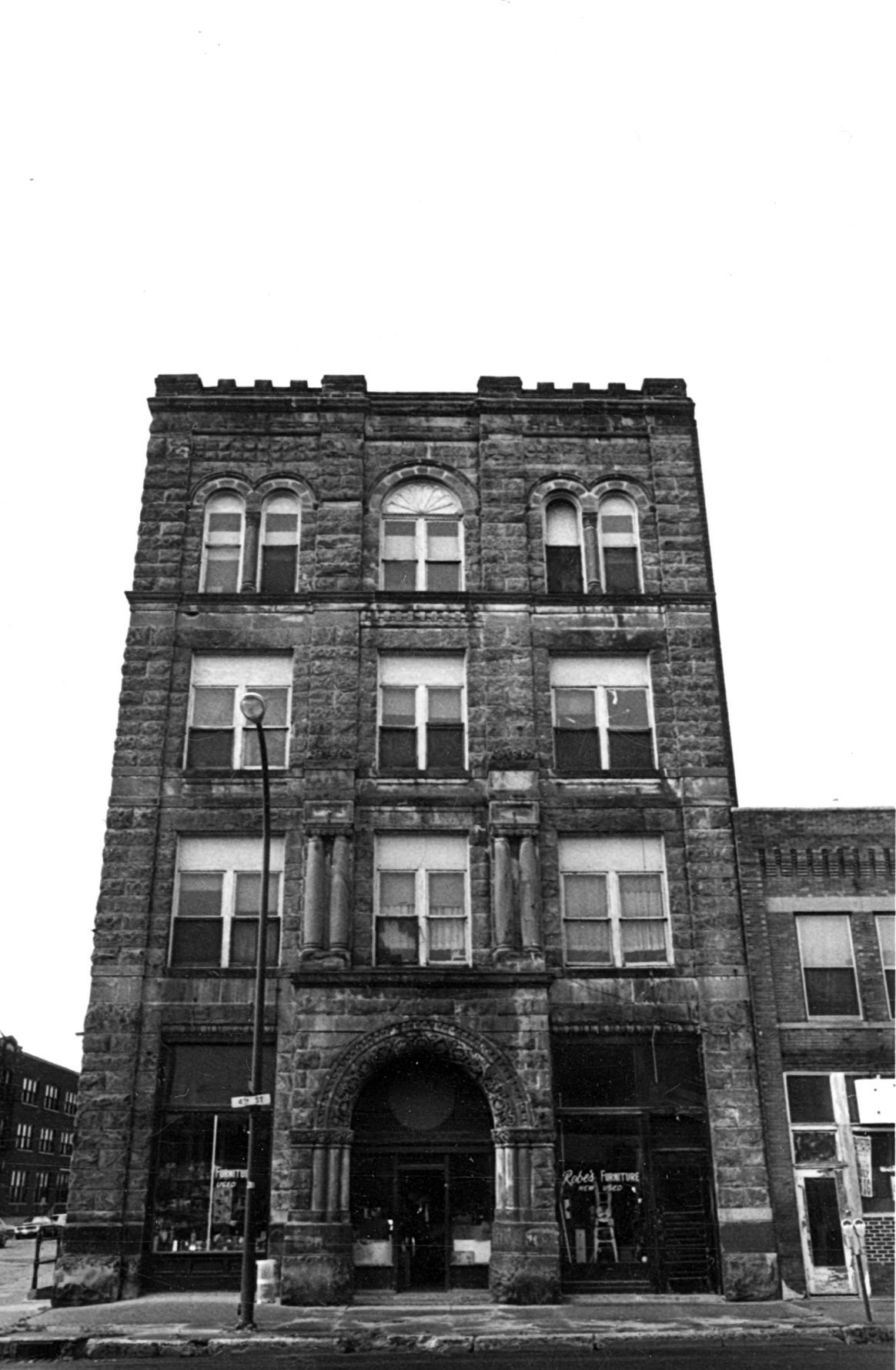
Sioux City businessman Fred T. Evans constructed the building that bears his name in 1890. In 1919 the building became a hotel and it functioned in that capacity until 1954. The building housed Robe’s Furniture and a motorcycle club until 2006 when it was renovated for the Heidman Law Firm.
Lower Fourth Street
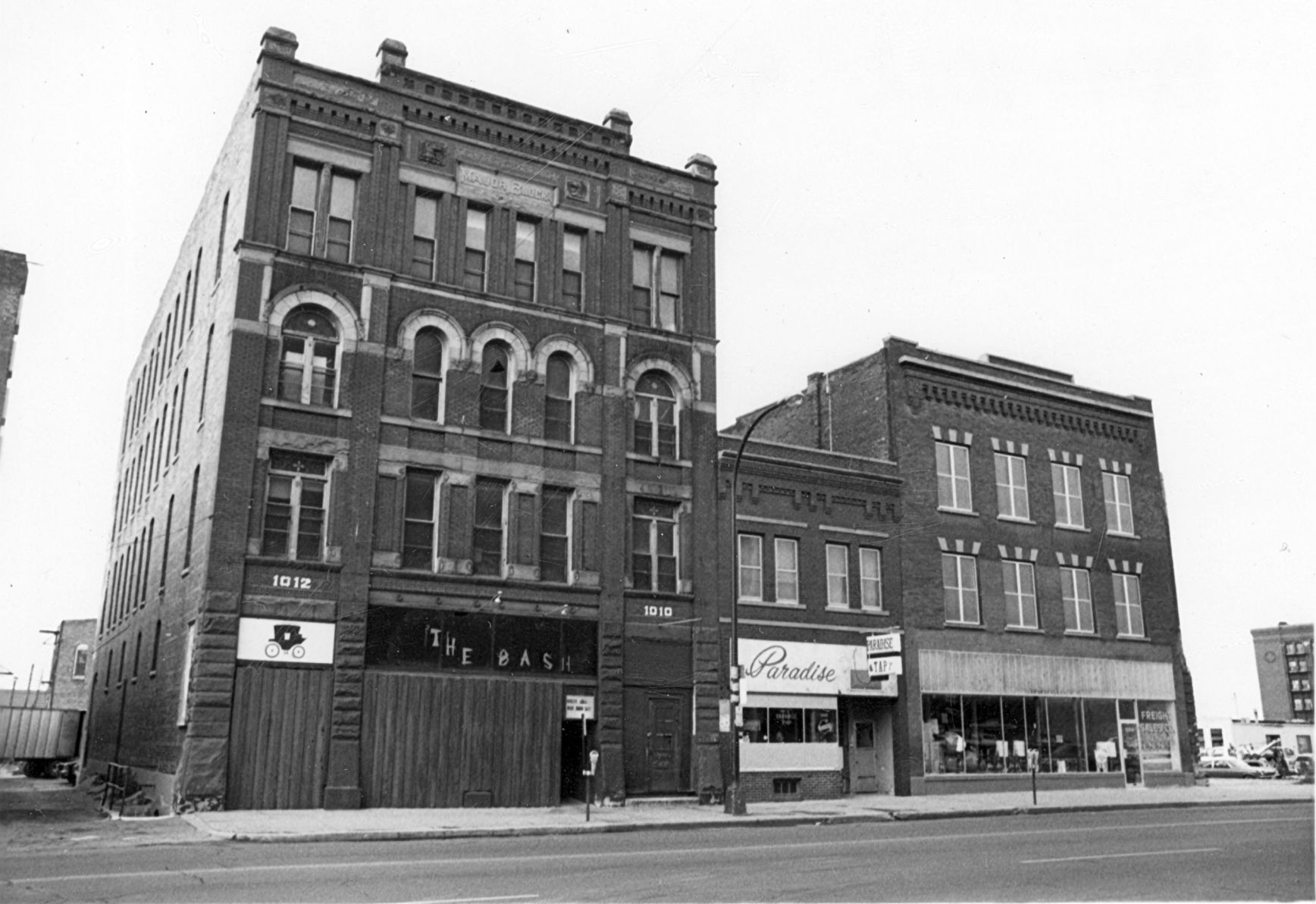
The Major Block was built in 1889 and has been occupied by tenants including a hardware store and a hotel. During the early 1890s it served as the University of the Northwest’s (later Morningside College) College of Commerce. Currently the 21st Amendment and Francis Canteen are businesses in these buildings at the south side of Fourth Street near the intersection of Virginia Street.
Lower Fourth Street
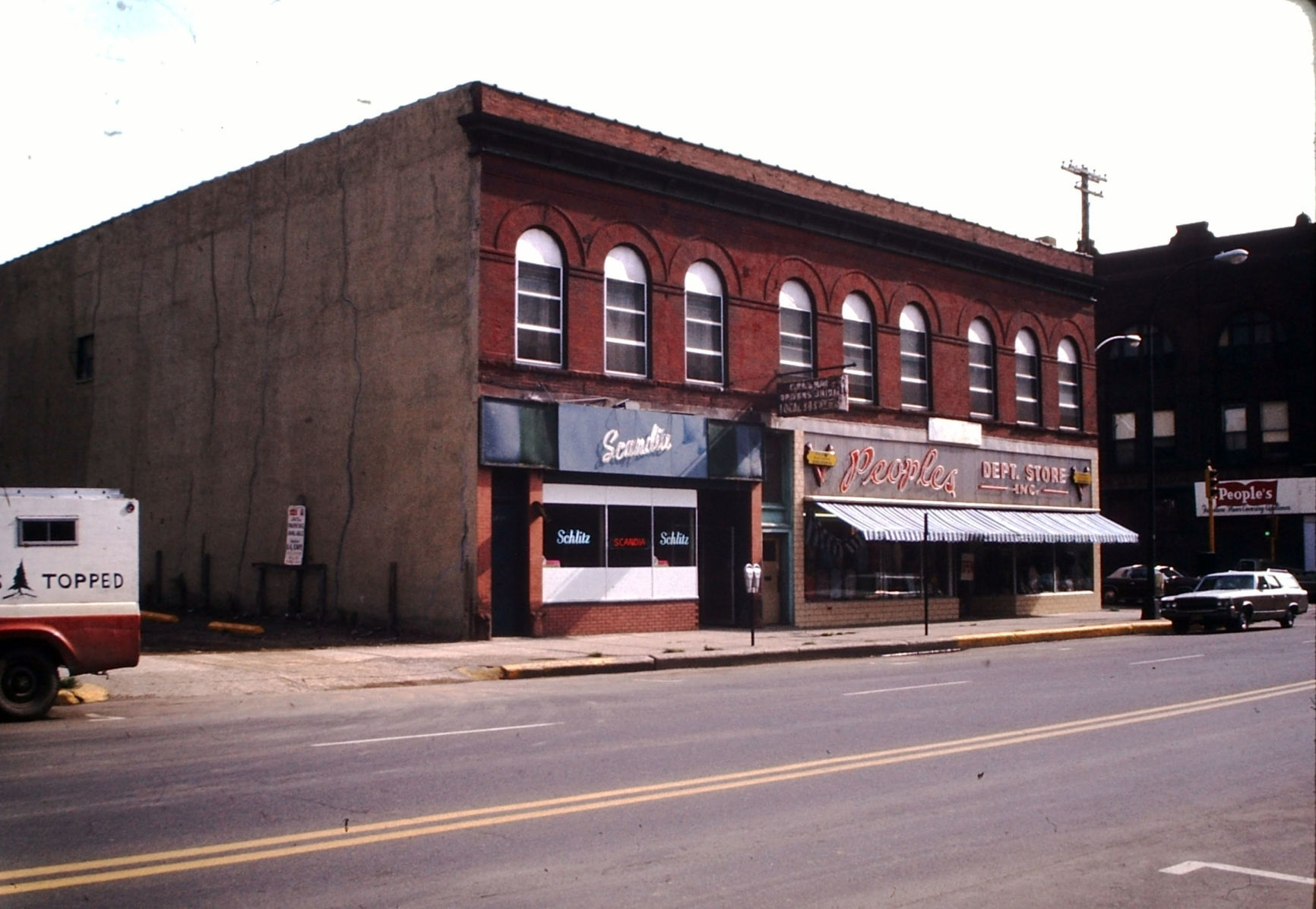
This Romanesque building was constructed around 1895, but it is unclear who was its architect or builder. The building’s most notable occupant was People’s Department Store, which operated here from 1937 to 1994.
Lower Fourth Street

Lower Fourth Street businesses included The Harbor Inn, Chicago House and The Gospel Mission.