
SIOUX CITY -- Developing plans and raising funds to build Sioux City's first hospice house is challenging enough. Adding to the challenge, Susan Macfarlane said, is helping people understand exactly what a hospice home is.
Simply put, it's a hospice facility designed solely for patients facing the end of their lives. Rather than have hospice care in their homes or go to a nursing home or assisted living center, patients can live in a supervised, comfortable setting that resembles their home. It's another option for families for whom existing options might not be practical.
"It's just another option for people if for whatever reason their house doesn't work," said Macfarlane, board president of the Mitchell House, named for her late father, Ray Mitchell Jr.
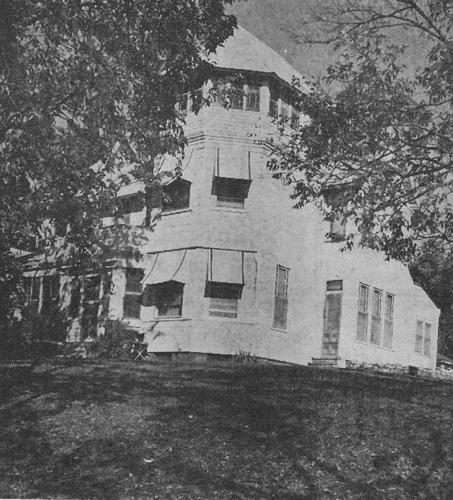
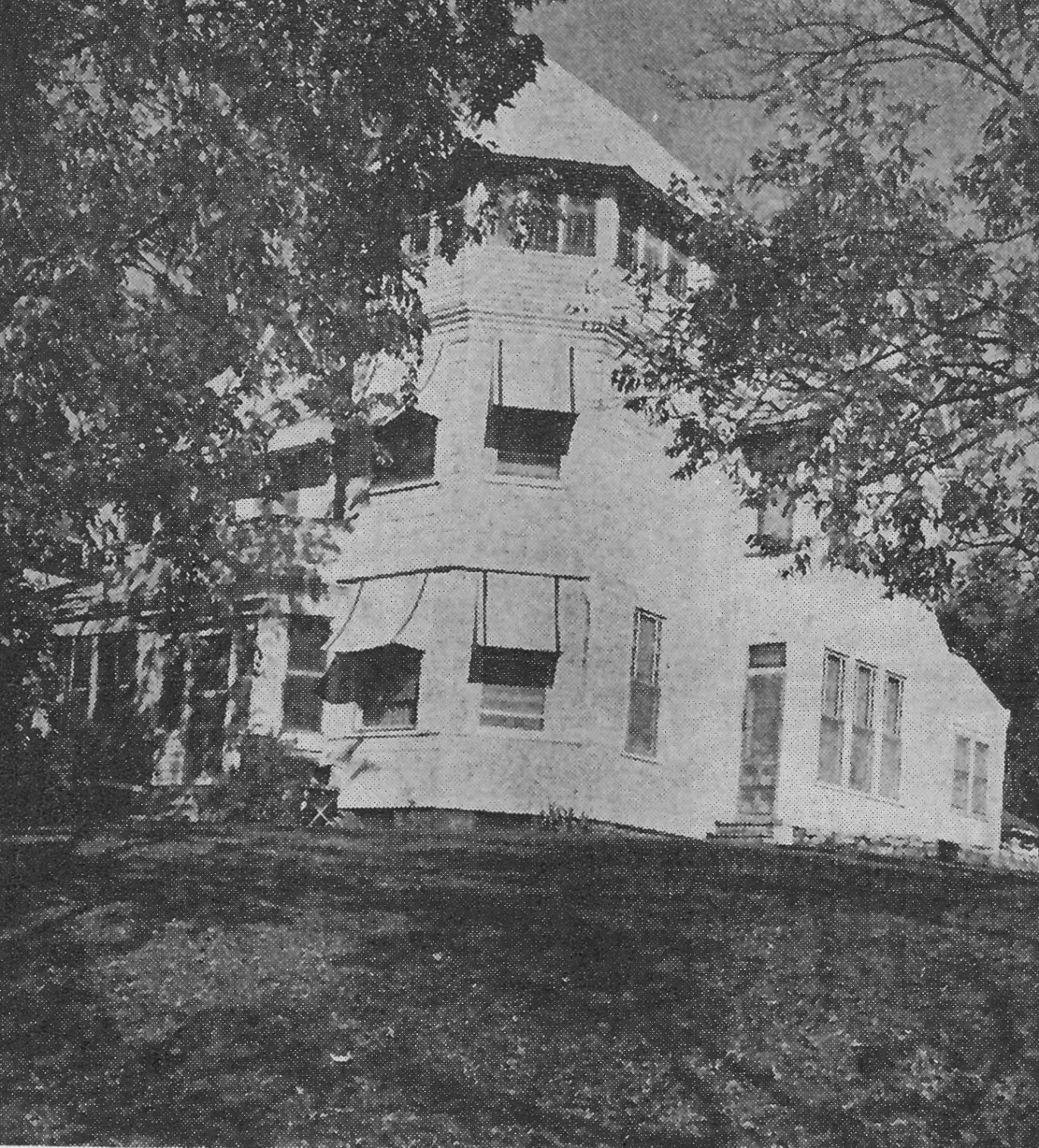
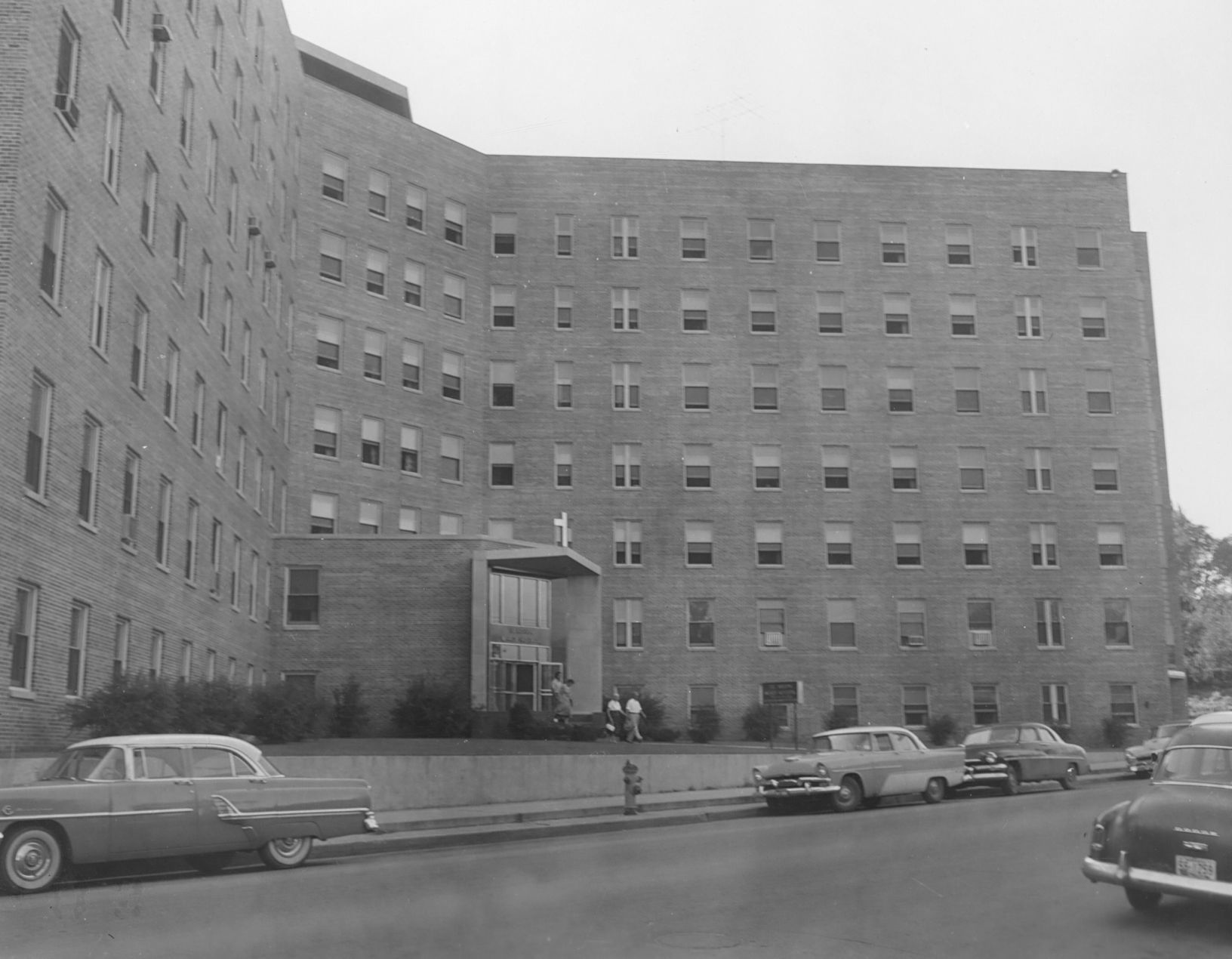
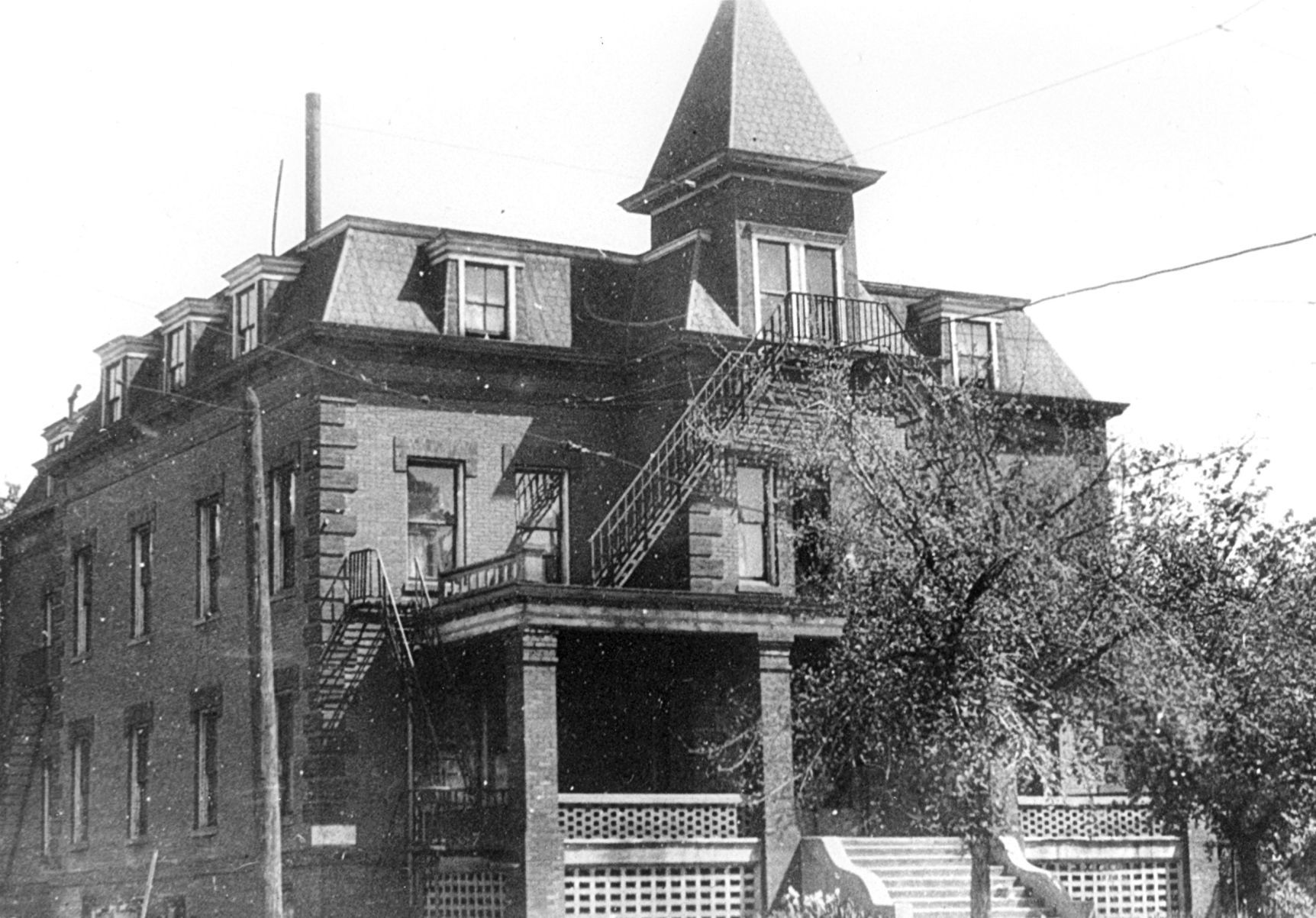
Construction is planned to begin in late spring at the 2.5-acre site near Military Road and Ross Streets. Once the site of an orphanage, the currently vacant land was donated by the Diocese of Sioux City to the nonprofit Mitchell House group.
People are also reading…

Dr. Dale R. Holdiman, left, stands with Susan Macfarlane at the future site of the Mitchell House, a facility dedicated to providing housing to patients at the end of their lives. Holdiman is the medical director for Hospice of Siouxland.
Macfarlane said plans for the house began nearly two years ago. Her mother and Mitchell's widow, Margo Mitchell-Wilcox, decided Sioux City should have a hospice house and provided a large donation to get the ball rolling. Macfarlane said the Mitchell House is a sign of her family's gratitude to Sioux City.
"My mother thought this was a way to thank the area for being such a wonderful place to live," she said.
By October, the group had raised $1.5 million of its $4.5 million goal to fund construction and provide an endowment.

Macfarlane said in February that fundraising was progressing and potential donors are receptive to the idea.
"I feel it's going well and we're getting the word out and educating people about what a hospice house is," she said. "They're really excited about it and think it will be a great asset to the community."

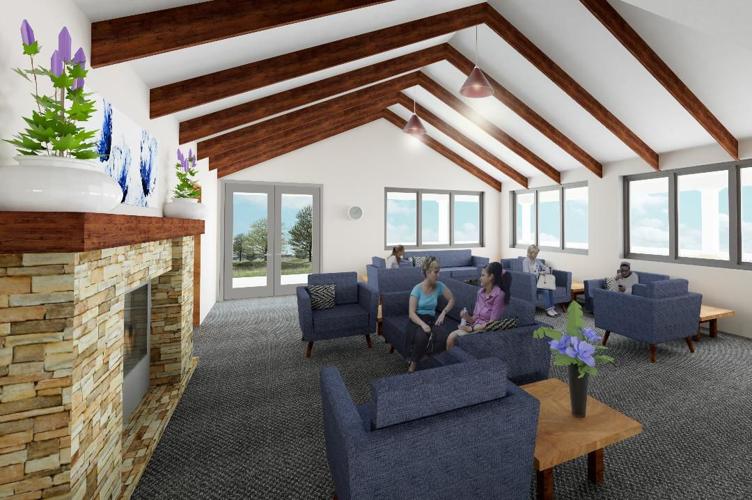
This architect's rendering shows the "great room" where family and friends can gather at Mitchell House, a hospice house planned for construction in Sioux City.
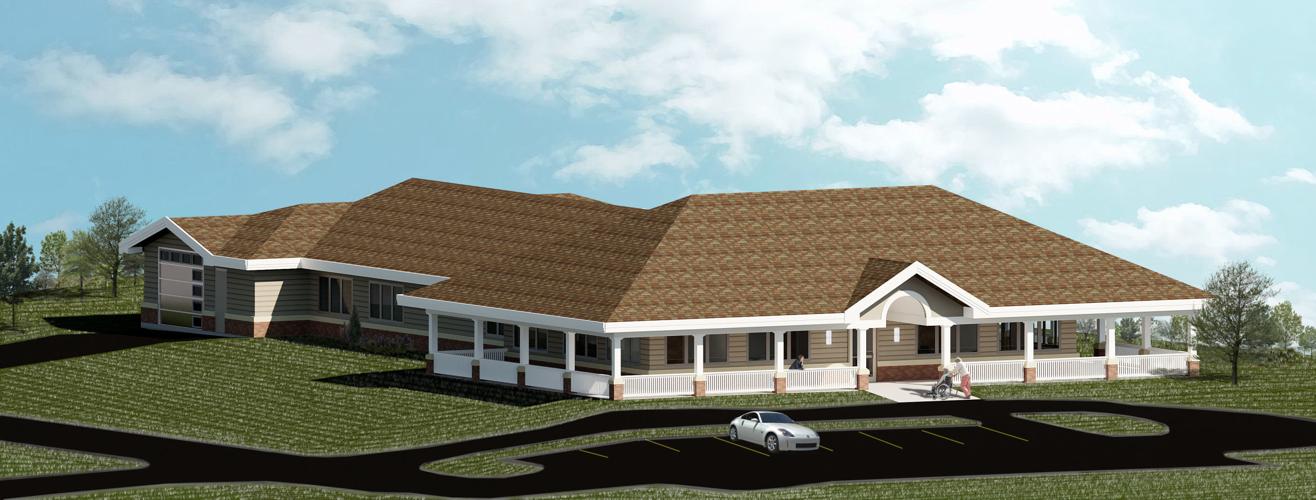
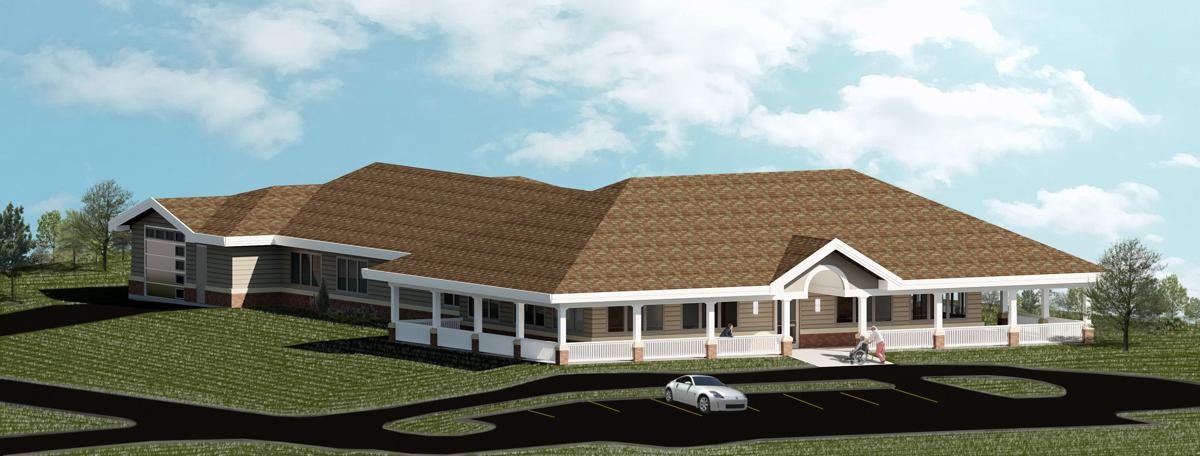
Mitchell House will have room for six hospice residents age 18 or older to live in a home-like environment. Each patient room will have space for a spouse and family to stay, and families can use the building's kitchen to cook food for loved ones and hospice patients. Each patient's room, Macfarlane said, could sleep five people.
"Most of these people haven't slept alone, when they're older, they've been married for 50-plus years, they haven't slept alone, they don't want to," Macfarlane told the Journal in October. "They can stay with the resident, or if family members come in from out of town, they'll have a pull-out couch that sleeps two."
There will be a play room for children, a family room and a large outdoor patio. Pets would be allowed to visit. A two-member staff will monitor and tend to patients, who will also be cared for by the caregivers they already had.






Six resident rooms is a starting point for the house. If demand grows, the facility could be enlarged.
"It is expandable, if things get busy," Dr. Dale R. Holdiman, one of the Mitchell House directors, told the Journal in October. "You could build onto it if you wanted to."
Most hospice patients in Sioux City are either at home or in a nursing home or assisted living facility. For some families, neither option works well -- some homes are unsuitable for hospice care, some hospice patients' needs are complicated, some have caregivers who are frail or unwell themselves, and some simply do not want to die in their own home or a nursing facility.
"If you have a young family, and you don't want to go a nursing home ... but you don't want to be in your house because you have small children, this is just another option for a place to go," Macfarlane said. "You'd still have that home-feel environment."
For more information, visit the Mitchell House website at www.mitchellhospicehouse.org or on Facebook at www.facebook.com/MitchellHospiceHouse/.
PHOTOS: 42 historic images of Sioux City schools
Sioux City first school
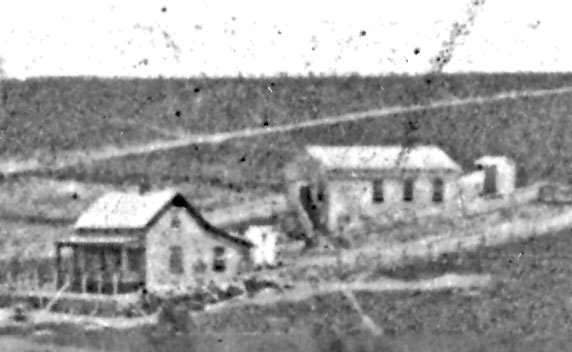
The first Sioux City schoolhouse is seen on the right in this early photograph.
Sioux City Central School

Sioux City's first brick school building, called Central School, opened its doors circa 1870. It operated for 20 years.
West Third Street School

The West Third Street School at West Third and Bluff streets, opened in 1880.
West Side Brick

The First Ward School, also called West Side Brick, opened in 1872 on the Market Street site where the LAMB Arts Regional Theatre is located. It was torn down in the late 1930s.
East Third Street School

The East Third Street School at Third and Chambers (later at Sixth and Morgan) streets opened in 1883 and operated until 1929.
Eighth Street Primary

The Eighth Street Primary School (known by several names in its time) opened at Eighth and Pierce streets in 1882.
Wall Street School

The Wall Street School, at Seventh and Wall streets, opened in 1880 and operated until 1925.
Fifth Ward School

The Fifth Ward School opened at Wall and Dace streets in 1885. It operated until 1938.
East Side Brick

East Side Brick, later to be renamed Irving, opened at 11th and Jennings streets in 1886. It was one of several Sioux City schools that underwent extensive renovations in the following century and was in use until 2006.
Everett School

The former Everett Elementary school opened in 1888, sharing the exact building plan of the Cooper school in Greenville, which was also built in the same year. Both buildings still stand, but underwent such extensive remodeling during the 20th century that they do not look at all like Everett seen in this photo.
Cooper School

The Cooper School in Greenville opened in 1888. It shares an identical building plan as the former Everett School on the west side. Both buildings still stand, but do not have their original appearance.
West Eighth Street School

Opened in 1887, the West Eighth Street School operated until 1934. Today, the McDonalds on Hamilton Boulevard sits near the site of the school.
Pearl Street School

The Pearl Street School, later named Bancroft after the statesman George Bancroft, opened in 1888.
Cole's Addition School

The Cole's Addition School, later called Franklin, opened in 1889 at Ninth and Plymouth streets. It was one of the schools that underwent extensive remodeling in the 20th century before it closed in 1982.
Bryant School

The Bryant School, named for poet William Cullen Bryant, opened in 1890.
Longfellow School

Named for Henry Wadsworth Longfellow, the original Longfellow school opened in 1890. It lasted only three years.
Hawthorne School

Hawthorne School opened in 1891 and operated until 2008. It was one of the schools that underwent 20th century remodeling.
Longfellow School (second)

A second Longfellow School was built in 1893 to replace the previous one, which was built only three years earlier. It was one of the schools that was remodeled in the 20th century and remained in use until 2012.
Riverside School

Riverside School opened sometime in the 1890s at Hornick Street and Nash Avenue. It closed in 1914.
Hornick's Addition School

The Hornick's Addition School opened at West First and Leonard streets in the mid-1890s.
Floyd School

The Floyd School, named for Sgt. Charles Floyd, opened in 1902. It later underwent extensive remodeling before it closed in 1980.
Smith Villa School

The Smith Villa School, in the former home of early Sioux City resident William R. Smith, opened in 1899.
Whittier School

The Whittier School opened in 1902. It was remodeled in the 20th century and closed in 2015.
Crescent Park School

The Crescent Park School opened in 1906, as did Hunt School. Unlike Hunt, however, the wood-framed Crescent Park School closed after only 14 years.
Hunt School

The Hunt School was one of Sioux City's oldest school buildings when it closed at the end of the last school year. It opened in 1906.
Joy School

The Joy School, which opened in 1912 and closed a century later, is today an apartment complex.
Lowell School

Lowell School opened in 1910 and closed in 2008.
Follett House

The Follett House, 1309 Nebraska St., became the first building in Sioux City to house a high school (without other grade levels) in 1890. Classes were held there for two years.
Riverview School

Riverview School opened in 1914 and closed in 2002.
East Junior High School
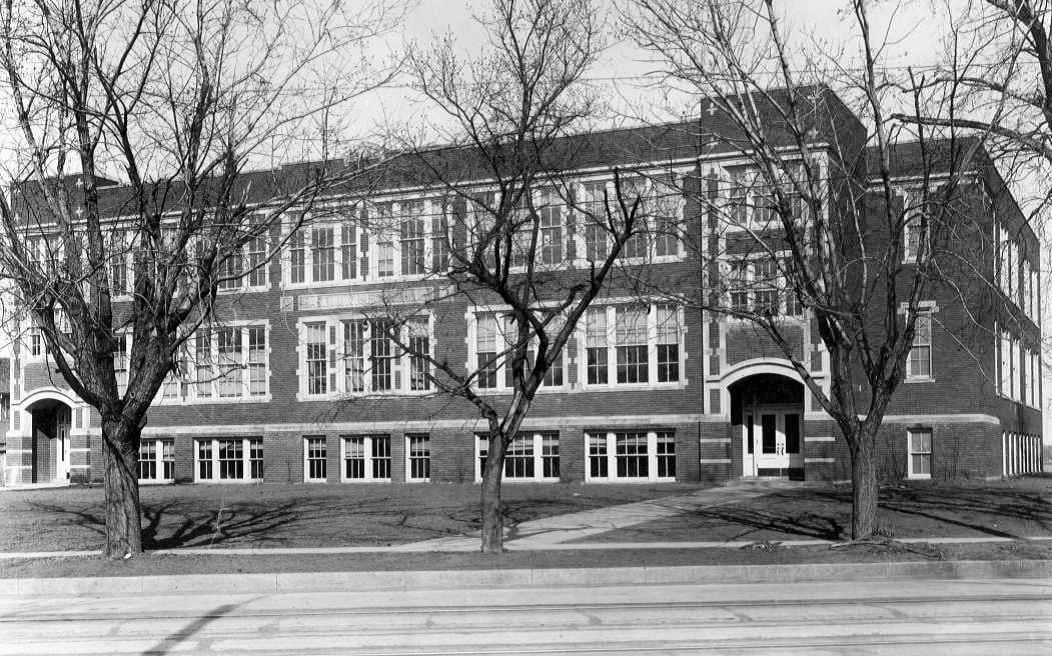
Sioux City's East Junior High School opened in 1917, just eight years after the first-ever junior high school opened in the U.S. It closed in 1972.
West Junior High School

Sioux City's West Junior High School opened in 1919. It closed in 2003.
Roosevelt School

Roosevelt School, named for Theodore Roosevelt, opened in 1920. It remained open until 2014.
Crescent Park School

Another Crescent Park School, later called Bryant, opened at 27th and Myrtle streets in 1920.
Emerson School

Emerson School opened in 1921. It closed in 2014.
McKinley School

McKinley School, named for president William McKinley, opened in 1921.
Washington School

Named for George Washington, Sioux City's Washington School opened in 1921. It closed in 2013.
East High School

East High School opened in 1925 and remained open until 1972.
Grant School

Grant School, named for Ulysses S. Grant, opened in 1925. It closed in 2008.
Woodrow Wilson Junior High School

Sioux City's Woodrow Wilson Junior High School opened in 1925. It closed in 2005.
Leeds High School

Leeds High School opened in 1939, one of only a few high schools to be opened in Sioux City during the 1930s and 1940s. It closed in 1972.
Webster Elementary
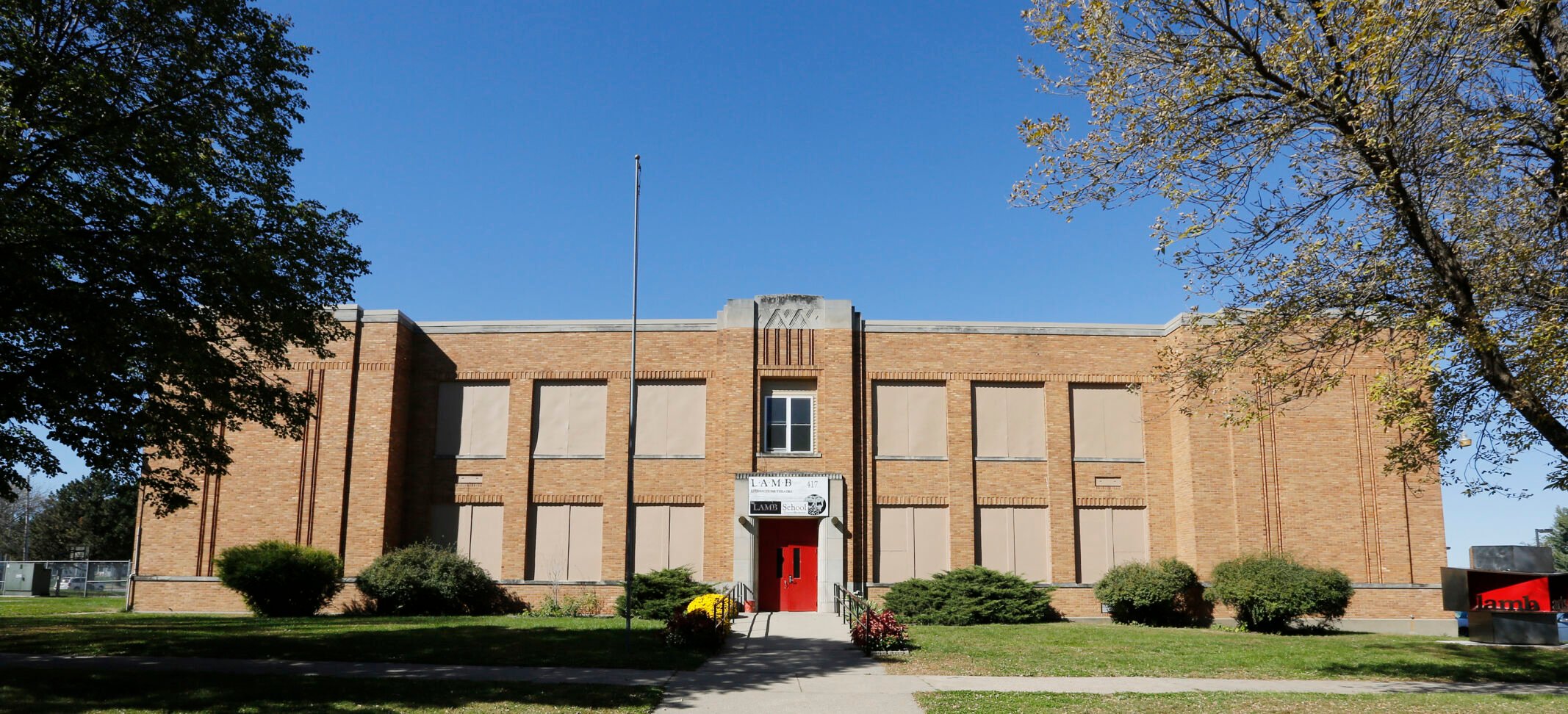
The Webster Elementary school, built in 1939, has served as the home of the LAMB Arts Regional Theatre for decades.
Hunt Elementary School goodbye hug

Students hold hand while circling Hunt Elementary School to give it a "hug" Wednesday, May 29, 2019, on the last day of classes at the school.

LEARN all about the history of schools in Sioux City: The first school, Central, West Third Street, Riverside, and more.