


SIOUX CITY — Austin Foster holds the first known federal and state distilling licenses every to be issued to a Sioux City distilling outfit.
He has big, big plans.
His distillery will be a grand gathering place, teetotalers welcome. A restaurant. A wedding venue. A pilgrimage for liquor aficionados, in a city that has never yet produced distilled spirits except under cover of darkness. A place to learn about and discuss the science and art of strong drink and the seedier figures of Sioux City history.
All that in what used to be the Wigman Company building.
Foster, an affable, chatty man with more ideas for his Sioux City Distilling Co. than could be written here, last fall purchased a 109-year-old Wigman building, 313 Perry St., formerly occupied by Wigman Co. A former IT worker and U.S. Air Force veteran, Foster is a credentialed expert in distilled spirits and high-level bartending, and is well-connected in the wide world of whiskey -- he is, by his own telling, the equivalent of a master sommelier for fine liquors, which he referred to as "poison." (A more-or-less accurate assessment from a health standpoint.)
People are also reading…
Insofar as bourbon and gin are poisonous, Foster feels compelled to make them fun -- an "experience," in the parlance of today. Otherwise there's not much sense in it.
"People don't pay for that poison -- what they pay for is an experience," Foster said. "What we want to do is create experiences here."
Foster is hoping the Sioux City Distilling Co. will be open for business in the fourth quarter of 2025, assuming all goes according to plan with the building's rehabilitation. He said the project, in total, will cost about $8 million.
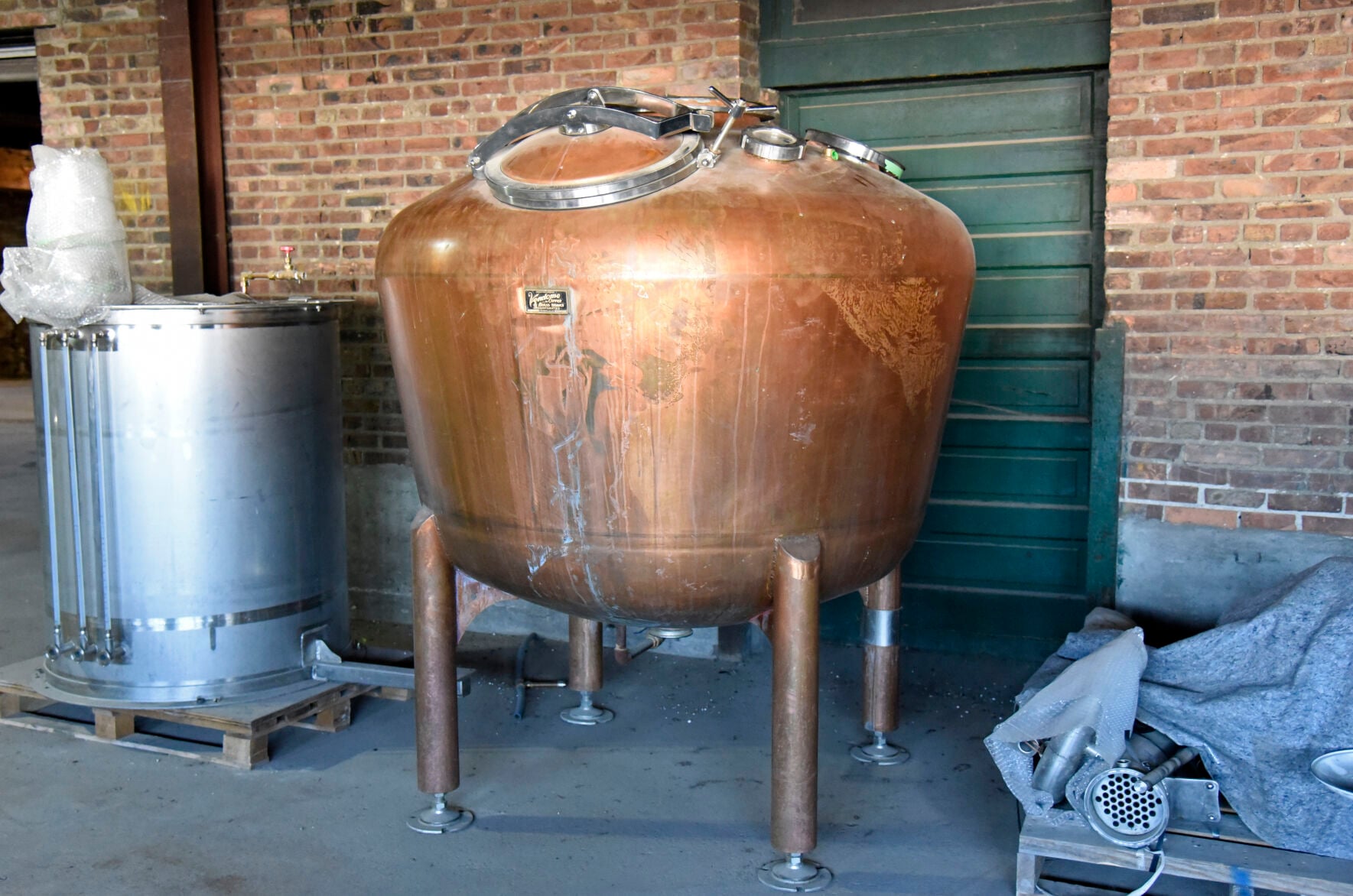
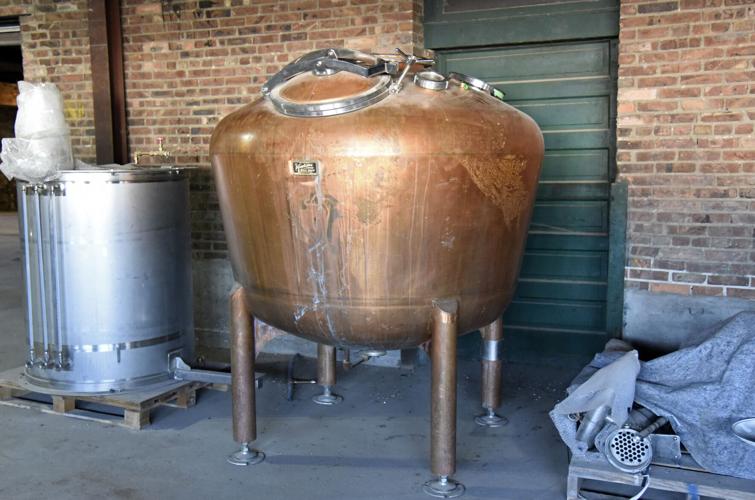
The highlight of Austin Foster's acquisitions for the future Sioux City Distilling Company is a top-of-the-line 250-gallon Vendome copper still, shown above on Nov. 25.
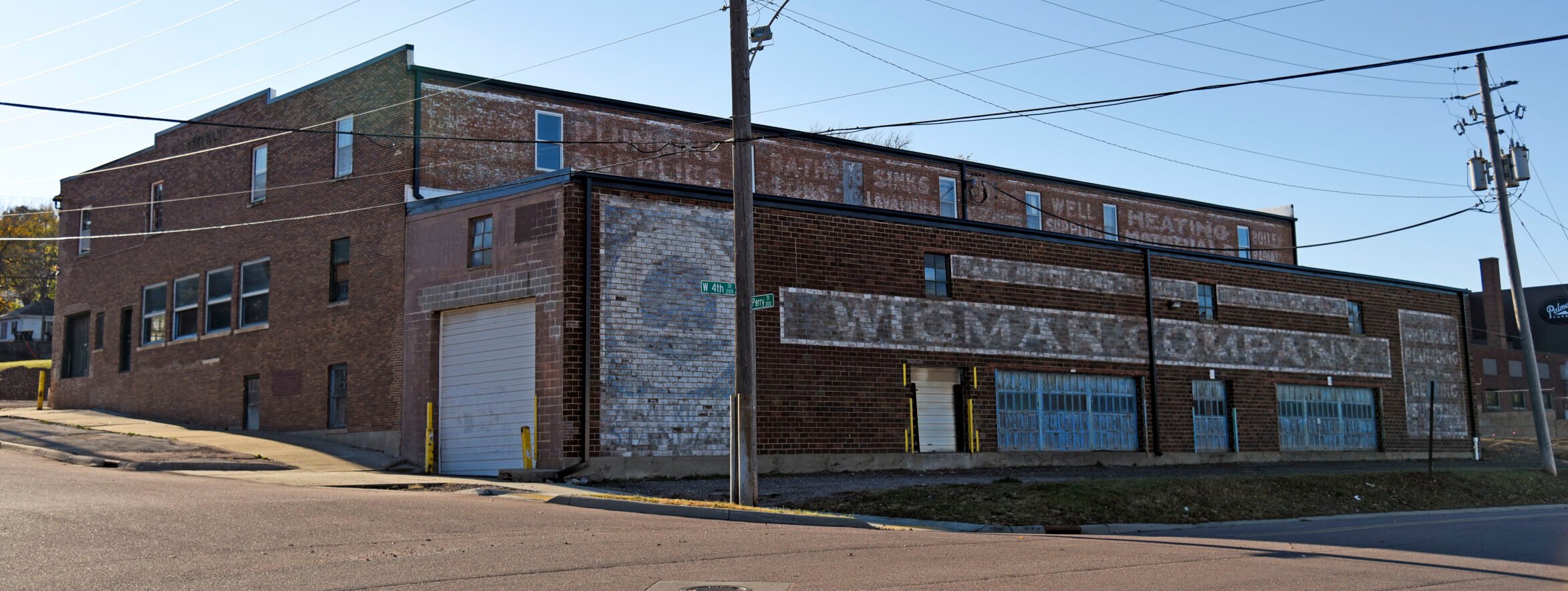
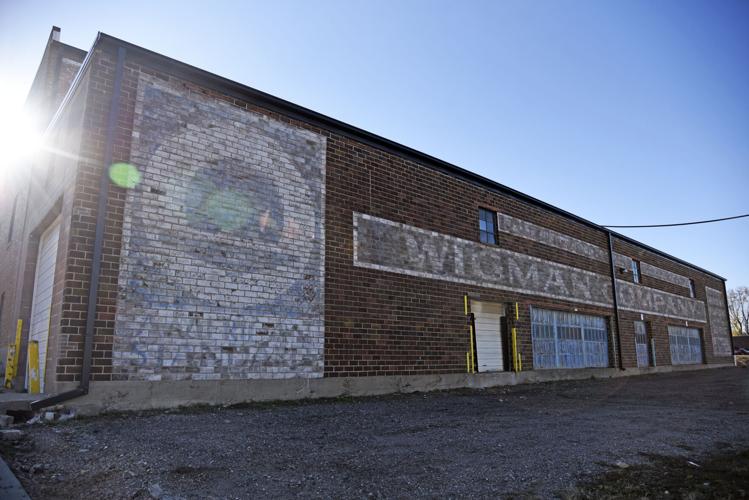
The former Wigman Company building, 313 Perry St, is being converted into Sioux City's first licensed distillery.
The distillery will specialize in high-grade whiskey, rum and gin, at the rate of about three barrels a week at first. Foster wants to triple that capacity as the operation gets on its feet.
The Sioux City Distilling Co. will put Sioux City on the map, Foster said. The fact that the #1 beverage today with Sioux City in its name -- Sioux City Sarsaparilla -- is a product of New York is a disappointment to him. "That's not made here," he said.
It won't be like that with the Sioux City Distilling Co., which will be not only distilled, aged and bottled in Sioux City ("which is dope," as Foster put it), but also made to the greatest extent possible from crops grown locally.
"We're going to make good hooch," he said.
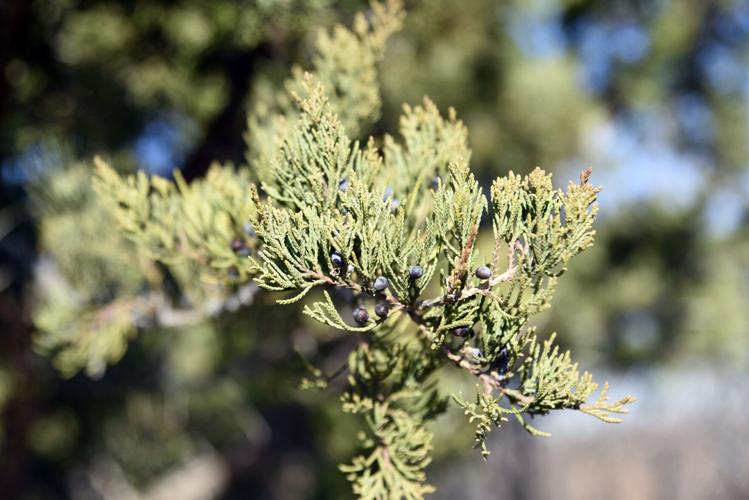
A great source of giddiness for him is his source of juniper berries, the main flavoring agent in gin. He purchased a pristine 68-acre parcel in the Loess Hills, near Stone State Park, where he's planning to grow juniper trees, along with some apples and pears. He's dubbed the site -- what else? -- Juniper Hills. There are already some volunteer junipers out there.
"The juniper that I'm growing up here, actively, right now -- so beautiful, and so fragrant, right here inside Sioux City limits," Foster said. "And we're going to make gin from juniper that we're growing right here in Sioux City."
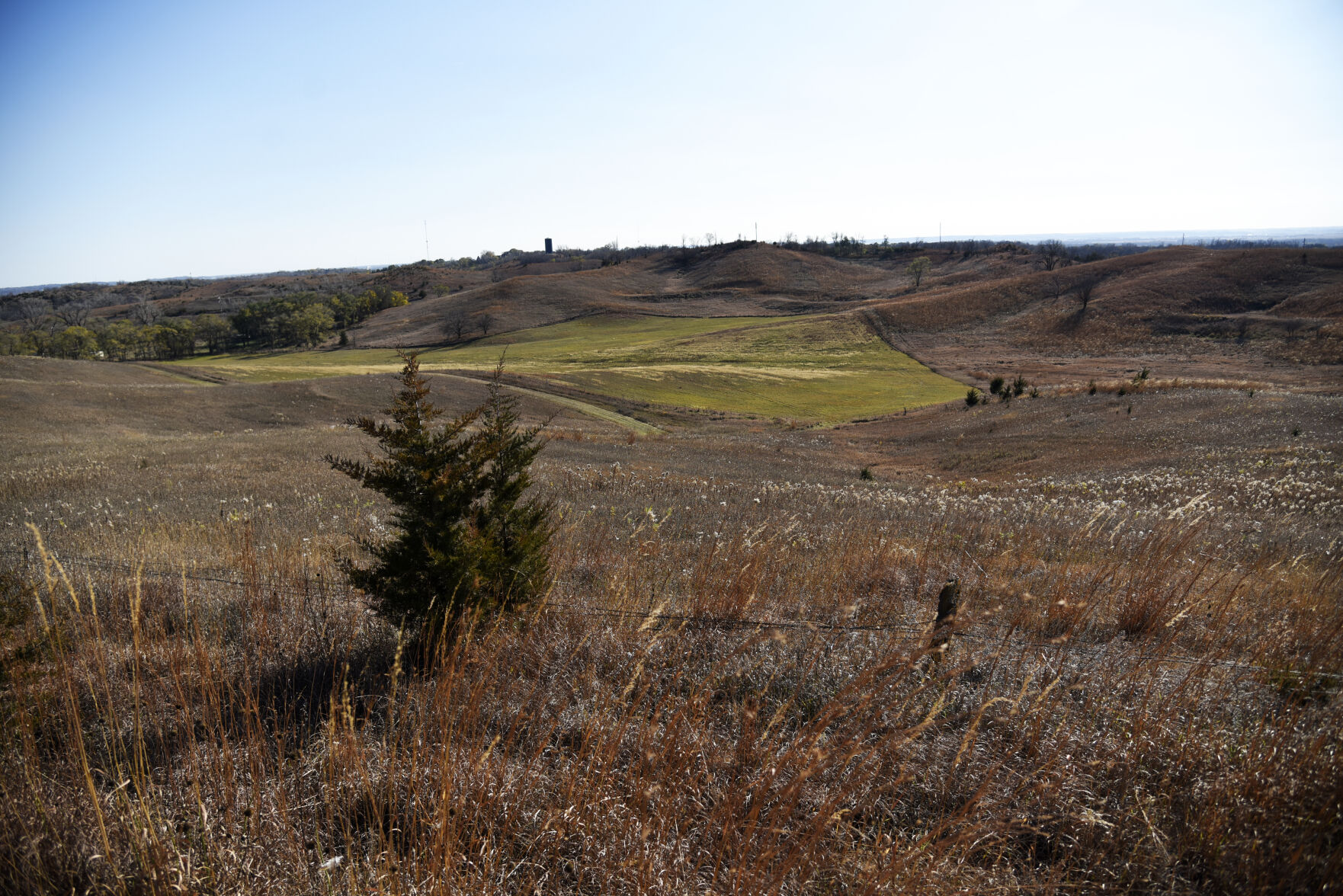
Austin Foster purchased a 68-acre parcel of land near Stone State Park where he plans to source his own juniper berries, calling the land Juniper Hills.
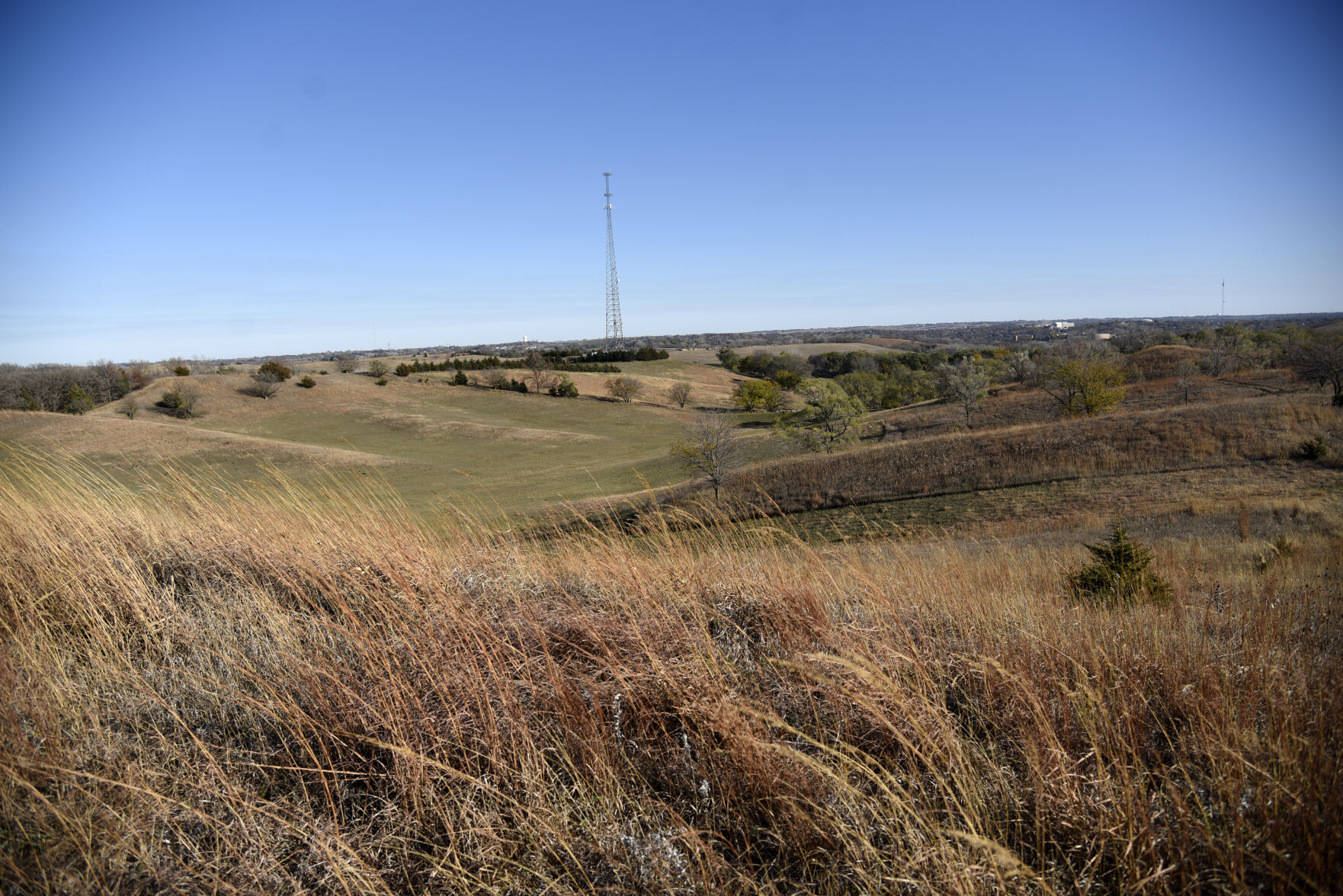
Austin Foster purchased a 68-acre parcel of land near Stone State Park where he plans to source his own juniper berries, calling the land Juniper Hills.
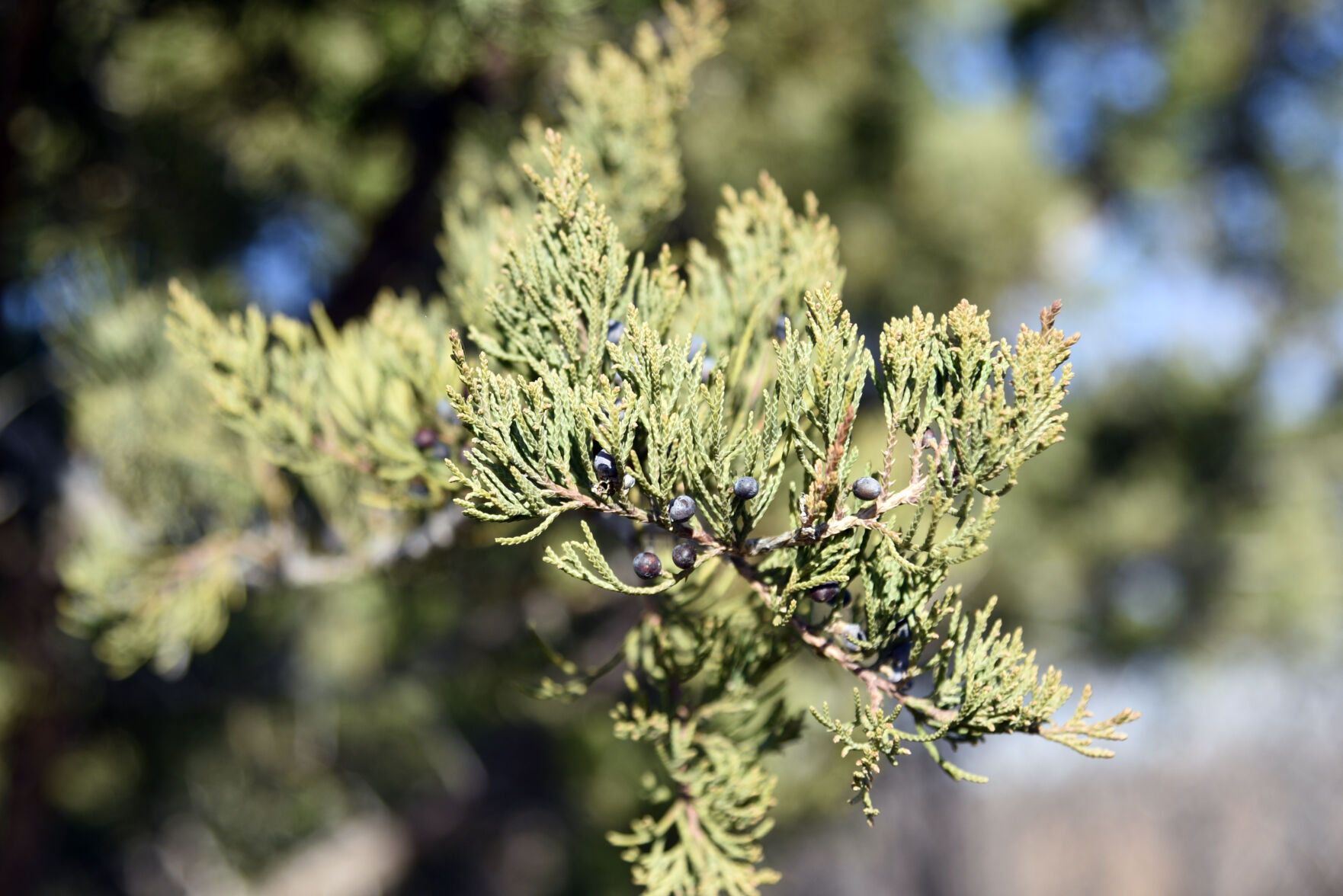
Austin Foster purchased a 68-acre parcel of land near Stone State Park where he plans to source his own juniper berries, calling the land Juniper Hills.
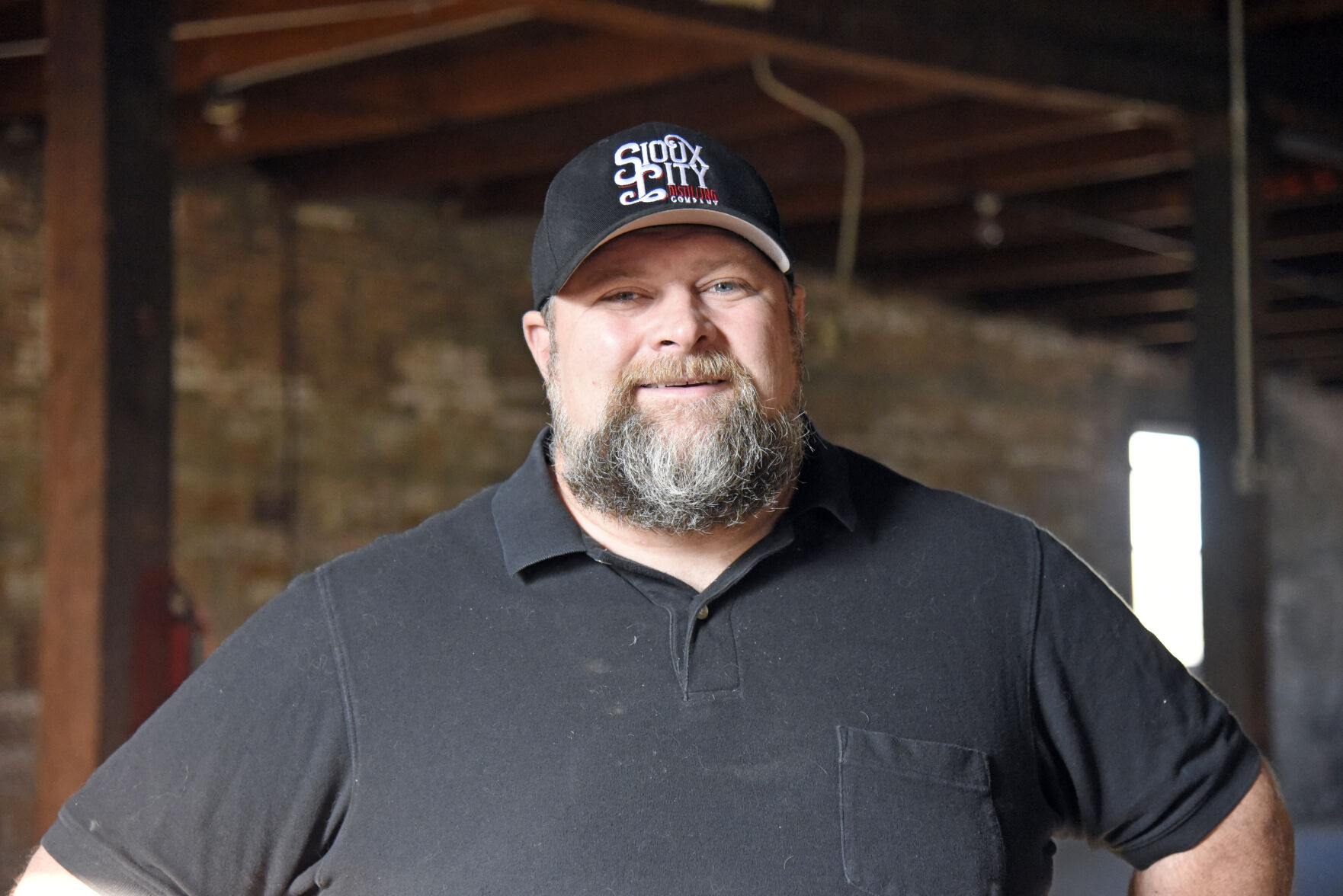
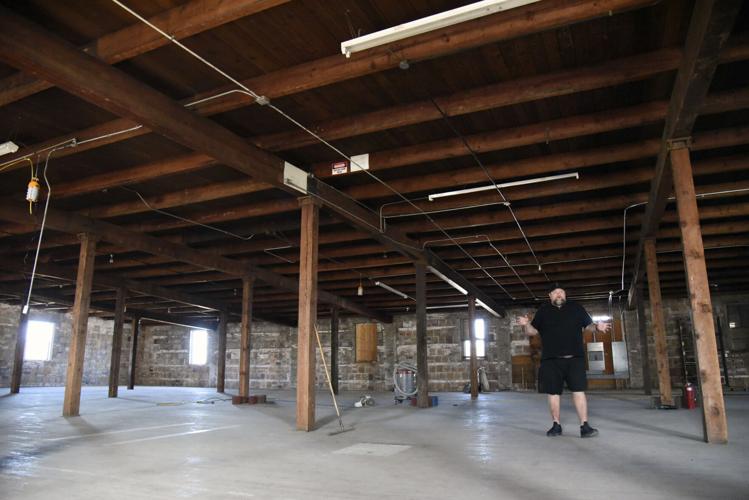
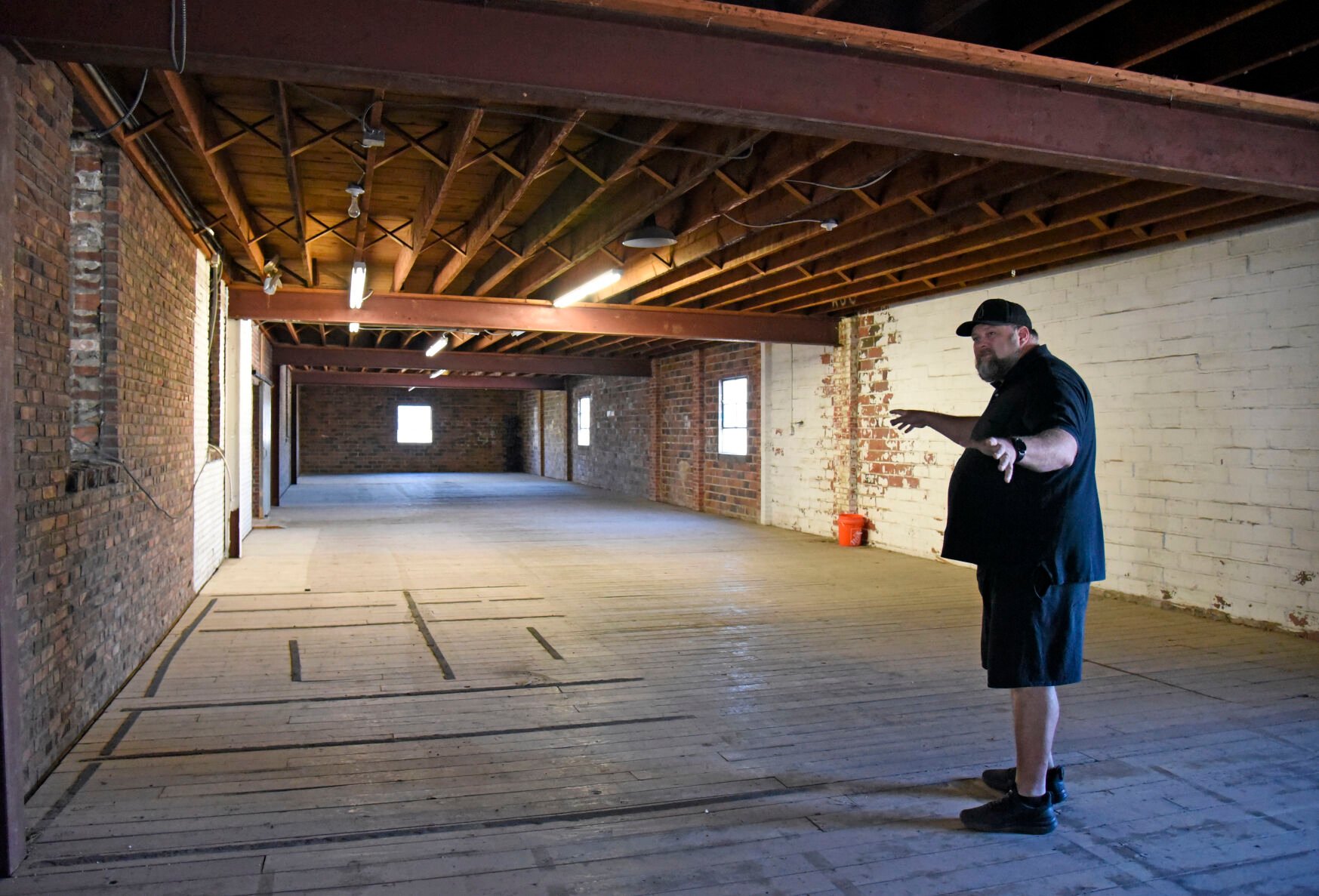
Founder of Sioux City Distilling Company Austin Foster pictured in the former Wigman Company building, the future home of Sioux City's first licensed distillery.
Waste not, want not
Wigman, an industrial wholesaler of plumbing and heating supplies, was sold three years ago to Sioux Center, Iowa-based Plumbing & Heating Wholesale. Wigman's new parent company decided to move Wigman's operations out of the aging brick building at the intersection of Perry and West Fourth streets to its new 21,000-square-foot warehouse along Gordon Drive.
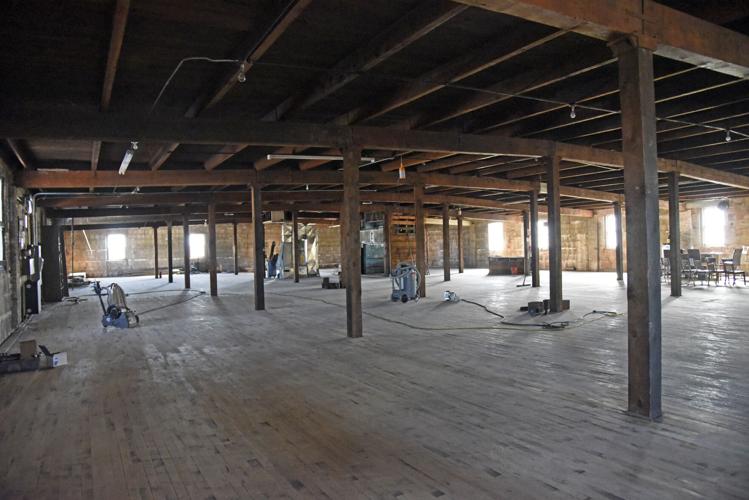
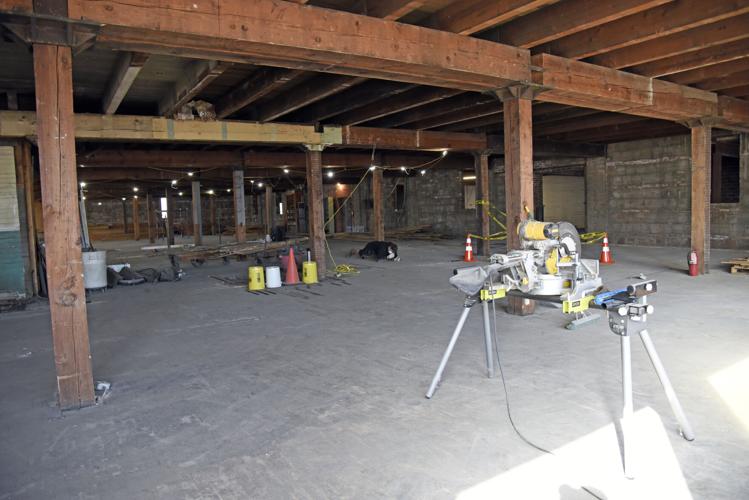
The former Wigman building is undergoing what might be called a conservative remodel, inasmuch as Foster is doing all he can to conserve every usable piece of it even as he rearranges the interior structure. Part of the upper floor will be sacrificed to create a vaulted atrium on the main level. Where the upper floor will be removed, Foster has been pulling up the existing maple floorboards and using them to patch worn spots in the floor on the main level.
"We're just repurposing all the stuff -- I won't be able to find or buy better lumber than that," he said of the disassembled Wigman shelving that the crew will use for the rebuild.
Finding a use for everything seems to be a guiding principle: When the distillery gets going, Foster plans to use the "heads" (a noxious distillation byproduct) as a cleaning solvent for around the building.
It's a family project through and through. Foster describes wife Sheila, a radiologist, as his "No. 1 investor." Foster's 25-year-old son Connor has been a key member of the Foster family renovation crew and plans to work at the distillery when it's running. Connor accompanied his father to study distilling at the Garrison Brothers Distillery in Texas. It's a dream coming true for both father and son, Connor said.
"I've always wanted to do this with my dad," Connor Foster said.
A select few non-Fosters have been brought into the fold, including Thompson electricians and the Sioux City architect Nathan Kalaher.

The former Wigman Company building, is currently being converted into Sioux City's first licensed distillery, the Sioux City Distilling Company. Most of the work in the building will be completed by Austin Foster, friends and family. Workers were seen updating the electrical on Nov. 12.

The former Wigman Company building, is currently being converted into Sioux City's first licensed distillery, the Sioux City Distilling Company. Austin Foster showcased highlights of the building, including the wood celling.

The former Wigman Company building, located at 313 Perry Street, is currently being converted into Sioux City's first licensed distillery, the Sioux City Distilling Company.
'46,000 square feet of fun'
The purchase of the building included a vast trove of eclectic décor pieces, none of which started out as décor, including quite a few blueprints for Sioux City buildings (held in Wigman's files over the years as reference documents when property owners needed a part), and midcentury hand-painted signage.
Foster was thrilled by the mechanical Toledo scale near the entry -- it'll be a "core memory-maker," as he put it, for visitors to jump on it and see their weight displayed on its antique dial. "This thing is pretty accurate for everyone but me, it always seems to weigh me heavy," he said.
The renovation crew also discovered a mummified cat, believed to have gotten lost in the building around the time it was built, beneath two layers of plaster in the ceiling. Foster hasn't yet determined what exactly the cat's role will be in the distillery, but it did not go into the garbage. He has some ideas for it. The cat's name is Whiskey.
"This cat has been here probably for 100 years," Foster said of the desiccated feline, which has been designated the official "distillery cat."
When Foster bought the building, it was packed to the rafters with plumbing supplies (he likened it to the TV show "Hoarders," but with pipes and valves instead of stuffed animals and milk jugs), and it remained that way even after the sale. Wigman didn't finish moving out until April. He fell in love quickly with the structure, substantially if not entirely unchanged from when it was built in 1915, except for the old brick lean-to that was added later to the building's north face.
"She's 46,000 square feet of fun," Foster said of the property, which he refers to as the Ogden Building, the designation on its grimy, darkened nameplate on the front. It was built by W.L. Ogden as a warehouse.
The building is structurally sound, having been occupied continuously by Wigman since 1916, the year after it was built. It has maple flooring throughout, which was once common in industrial settings, and heavy timber beams and exposed brick walls. The bricks, Foster says, were all made in Sioux City's historic brickyards.
Taken together, the gritty, worn, wood-and-masonry interior has a distinctly Prohibition-era character.
"Every day I fall more in love with it," said Foster, who was particularly taken with the exposed wooden arched ceiling on the upper floor, which he says is like being inside a whiskey barrel. "The ceiling up here is stunning."
The land of coffee and whiskey
Foster was introduced to the Ogden Building by his friend Brad Lepper, who'd already charted a virtually identical course when he transformed the nearby, aging Stultz Plumbing building into the hip-and-happening headquarters of Council Oak Supply, a craft coffee roaster.
"It hit me that that was the perfect building for him, based on the feel of the space, and the size, and the way it was constructed, and the location -- it just was perfect for a distillery," Lepper said.
Foster needs little convincing that the building was "destined" to house a distillery: Wigman left behind, among other things, very old barrel carts, which Foster interpreted as a star-crossed and utilitarian bequest to an owner with a lot of whiskey barrels to lug around.
"This place was begging to be a distillery," Foster said.
Lepper and Foster said the presence of two upscale beverage businesses in one of Sioux City's oldest (and most visibly distressed) neighborhoods, at the foot of Prospect Hill, could have a positive influence.
"I think that it's a prime location for some new development, and now growth -- to bring that hill back to life," Lepper said.
"The hill here -- Prospect Hill, behind us, we see that starting to be revitalized," Foster said.
The first legal still
Foster managed to get a deal on a top-of-the-line 250-gallon Vendome copper still: "Vendome is the Cadillac of stills," he said. He bought it secondhand from a small, defunct distillery; it'll be shined up like a new copper penny, to such a degree that Foster joked it'll blind drivers stuck at the stoplight at Wesley Parkway and West Fourth Street.
"I did not think I would be able to afford a Vendome," Foster said while standing next to his Vendome. (Because the strong odor of gin sullies stills, the distillery's gin will not be going anywhere near the vaunted Vendome; there's separate equipment, called a "gin basket," for that.)
Foster refers to his distillery as "the first legal still" in Sioux City: "There's been plenty of illegal stills in Sioux City."
Fanciful though that may sound, it is a well-attested fact -- if anything it's an understatement. Illegal stills were busted regularly during and after Prohibition in Sioux City. If the matter of legality and quality is set aside, Foster's operation is nothing new in Sioux City. Far from it.
In December 1935, an illegal gasoline-fueled 200-gallon still blew up a basement on West Fourth Street. A 70-year-old man was arrested in February 1933 on charges of maintaining a liquor nuisance and keeping a disorderly house after police raided his whiskey still on Chambers Street, seizing 50 gallons of liquor. A photographer who ran a popular gallery in the Greenville neighborhood was detained in September 1921 for operating a bootleg still in his darkroom. On West First Street, a second-floor bathroom still was described by police as scrupulously clean and nicely equipped after the house was pinched in November 1924. In July 1925, Sioux City Police Chief Joe Young joked there were "only" an estimated 199 moonshine stills operating in the city. When the Sioux City Gas and Electric Co. suspected a major gas leak in a vacant Fourth Street house in October 1926 they found -- what else? -- a 70-gallon copper still, 10 gallon-jugs of moonshine and more than 20 barrels of mash.
The sleazy side of Sioux City history is what Foster wants to highlight for his visitors: It's a history, as he put it, that "is not sunshine and biscuits." The legendary 1886 murder of the Rev. George Haddock, an anti-liquor crusader -- which prompted one newspaper to famously ask, "Does God rule, or the devil, in Sioux City?" -- is a particular fascination for Foster. The site of the murder, near where the Hard Rock Hotel & Casino is now, is within easy walking distance of the Ogden Building.
Breezy Struthers-Drake talks sourdough during an interview Wednesday, Sept. 25, 2024, at Modern Kitchen Designs in Sioux City. The kitchen designer has started "Breezy's Bread Basket," an organic sourdough microbakery.
James Alger, owner of Chef Al's Sioux Salsa, talks about the handmade salsa brand he makes and markets from a North Sioux City, South Dakota, storefront.
Brad Lepper, president and founding partner of Council Oak Supply Company and Stone Bru talks about the reason for creating Council Oak Supply out of the coffee roasting and cafe supply side of Stone Bru and why Council Oak's coffees are named for aspects of Sioux City's history.