


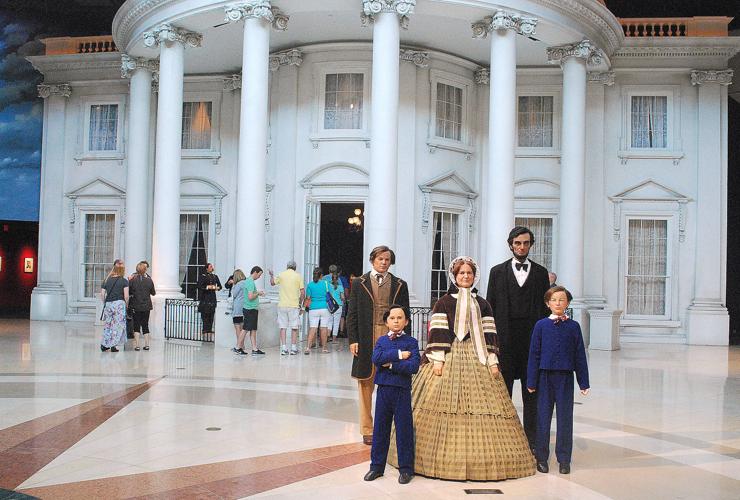
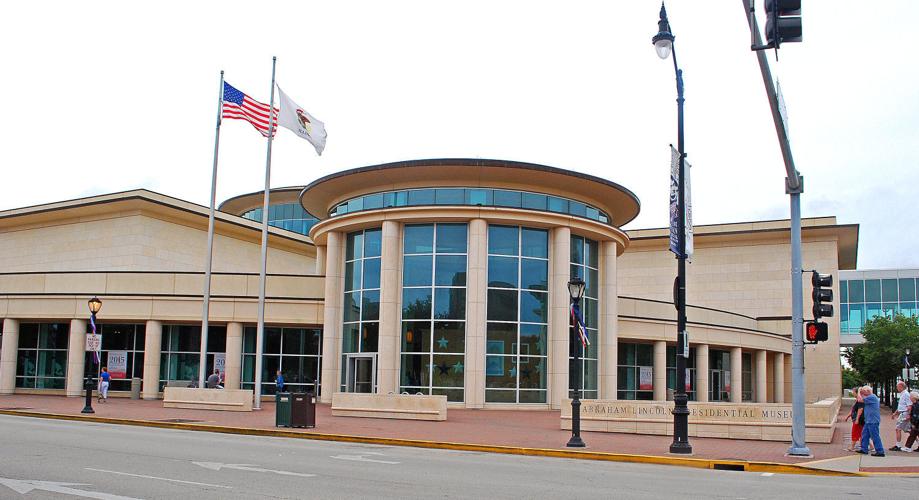
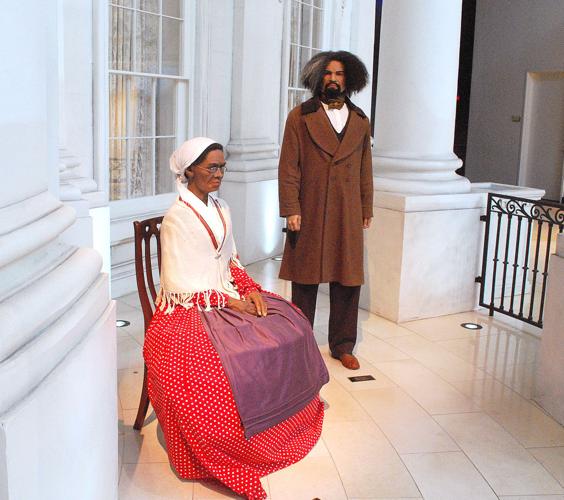
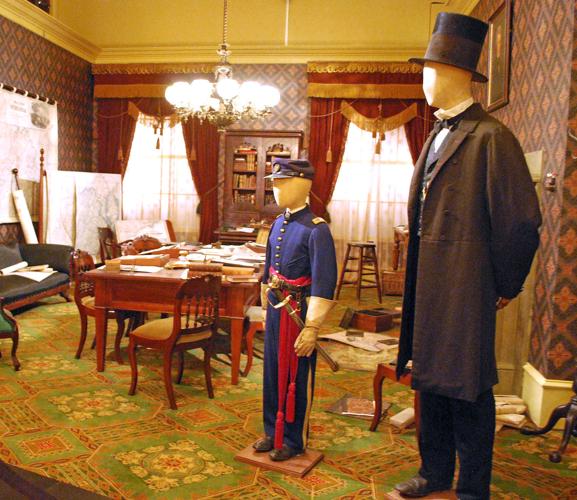
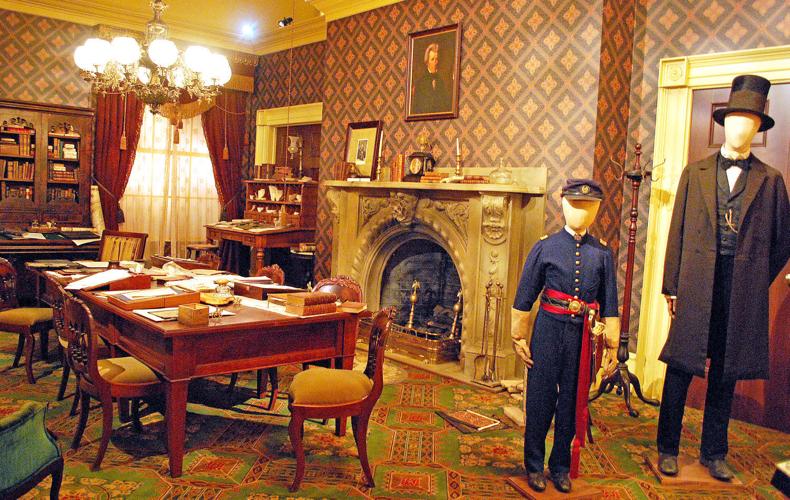
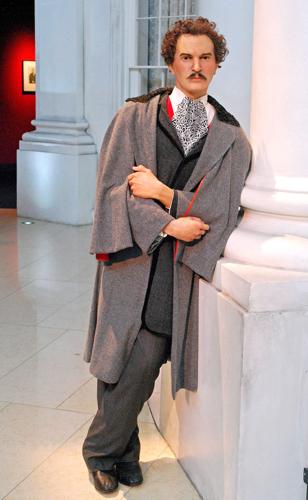
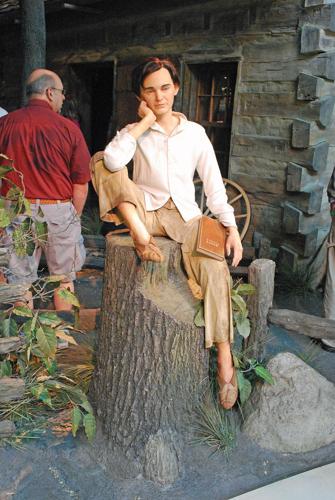
SPRINGFIELD, Ill. | The inspiring and tragic story of the 16th president of the United States is told through a combination of amazing state-of-the-art visual effects along with historic documents and artifacts at the Abraham Lincoln Presidential Library and Museum.
The museum was dedicated on April 19, 2005, in a ceremony attended by President George W. Bush, First Lady Laura Bush, future president and then U.S. Sen. Barack Obama, and about 25,000 guests from around the world.
The Lincoln Presidential Library has almost 1,500 letters written and/or signed by Abraham Lincoln as well as more than 100 photographs of Lincoln and other related material. The collection includes over 10,000 books, pamphlets and other media relating to Lincoln.
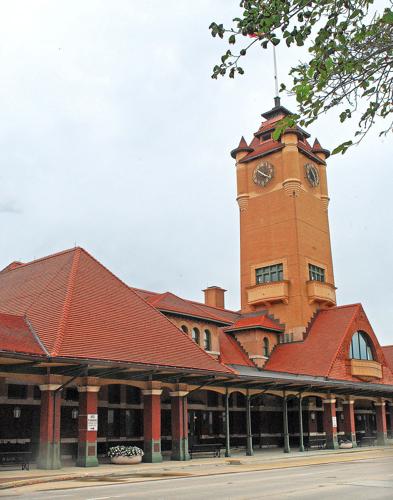
A restored Union Pacific train station now serves as a visitors center for the Abraham Lincoln Museum. The station is across the street from the museum and is where President-Elect Lincoln departed for Washington, D.C., on February 11, 1861. The visitors center has displays from the Steven Spielberg movie “Lincoln” and tickets to the museum.
People are also reading…
Abraham Lincoln was born Feb. 12, 1809, in a log cabin in Hardin County, Kentucky, to Thomas and Nancy Hanks Lincoln. Although Thomas was a hard-working pioneer, a land dispute caused the family to move from Kentucky to Perry County, Indiana, in 1817.
When Abraham was 9 years old his mother died of tremetol (milk sickness) at the young age of 34. A few months later his father married Sarah Bush Johnston, a Kentucky widow with three children of her own. Although both his father and stepmother were most likely illiterate, Sarah encouraged the young Abraham to read, something he did with a passion.
Lincoln had an estimated 18 months of formal education but he not only taught himself to read he taught himself law and passed his bar exam in 1836. The following year he moved to the newly named state capital of Springfield and opened a law office. His amazing life included being a captain in the Black Hawk War, spending eight years in the Illinois legislature and being a circuit judge for many years. He married Mary Todd in 1842 and they had four sons, but only one, Robert Todd Lincoln, lived to adulthood, graduating from Harvard College. Robert then became a successful lawyer and businessman.
Lincoln had his share of defeats in the political arena, including in 1858 when he ran against Stephen A. Douglas for U.S. senator. He lost the election but gained a national reputation because of his debates with Douglas, and that eventually won him the Republican nomination for president in 1860. The Southern Confederacy vowed to separate from the rest of the nation if Lincoln was elected, and they made good on that promise. Lincoln was elected on Nov. 6, 1860, and on Dec. 20, 1860, South Carolina seceded from the Union. They were followed within two months by Mississippi, Florida, Alabama, Georgia, Louisiana and Texas.
The Confederate States of America (CSA) was formed Feb. 9, 1861, with Jefferson Davis as president. Lincoln was sworn in as president on March 4, 1861, and a month later on April 12, Confederate forces opened fire on Fort Sumter in Charleston, South Carolina, and the Civil War began.
As president, Lincoln built the Republican Party into a strong national organization while at the same time getting northern Democrats to support the Union cause. But as one large display in the Abraham Lincoln Presidential Museum shows, not everyone agreed with his policies. The display features political cartoons of the time criticizing Lincoln for everything from the economic woes to emancipation for slaves. The Whispering Gallery where the cartoons are displayed is like a cartoon funhouse where everything is at crazy angles to reinforce the idea of the distorted reality of Lincoln’s adversaries.
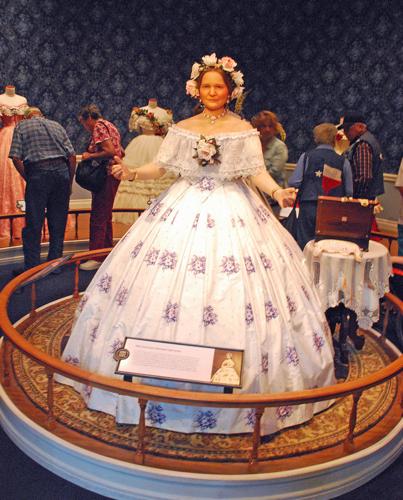
The museum includes four galleries telling the story of Lincoln’s life: the Illinois Gallery, Pre-Presidential Years, White House Years and the Treasures Gallery. The museum also features two special effects theaters featuring historical ghosts and a Civil War battlefield that comes to life with cannon fire and smoke.
Just inside the entrance to the museum is a large gift shop with numerous items relating to Lincoln, other U.S. presidents and Illinois history.


