


BOSTON – The British were strapped for cash after their victory at the end of the French and Indian War in 1763. King George III decided the American colonies would have to pay to recoup the cost of the war and England was looking for ways to regain control of the colonial governments that had sprung up while the Crown was distracted with the war.
The solution was to tax the colonies with the Stamp Act in 1765 and the Townsend Act in 1767. The “Boston Massacre” in 1770 only added fuel to the revolutionary fire already burning in the colonies. But when the Crown attempted to tax tea it spurred the colonists into action and laid the groundwork for the Boston Tea Party and the American Revolution.
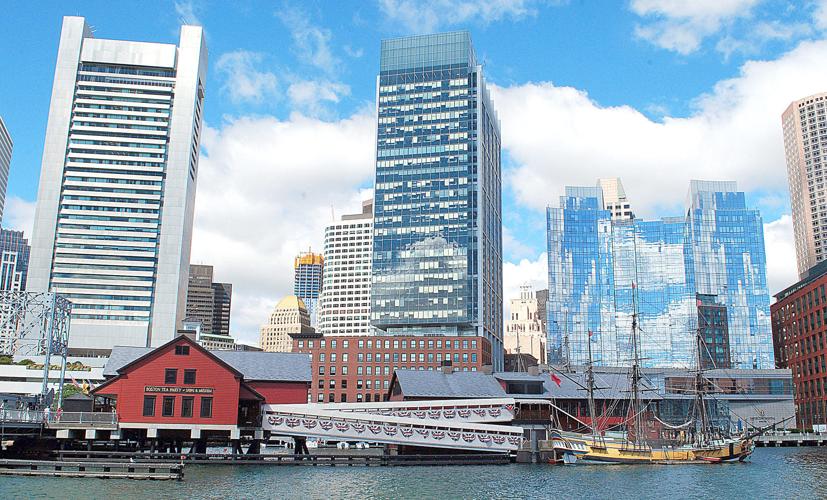
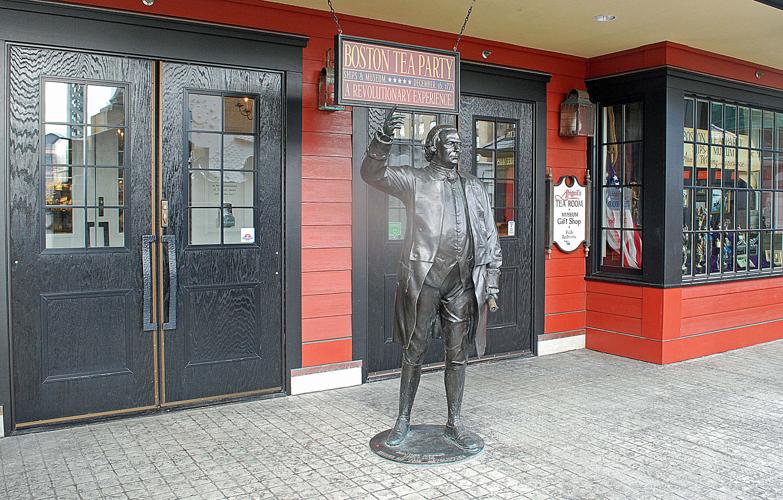
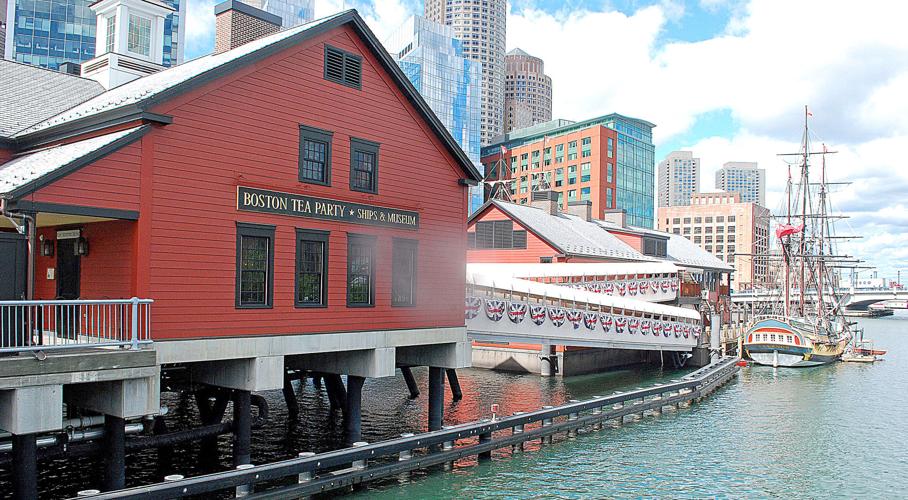
The story of the Boston Tea Party and its importance in American history is told in the Boston Tea Party Ships and Museum. Visitors can immerse themselves in the experience of the Boston Tea Party.
People are also reading…
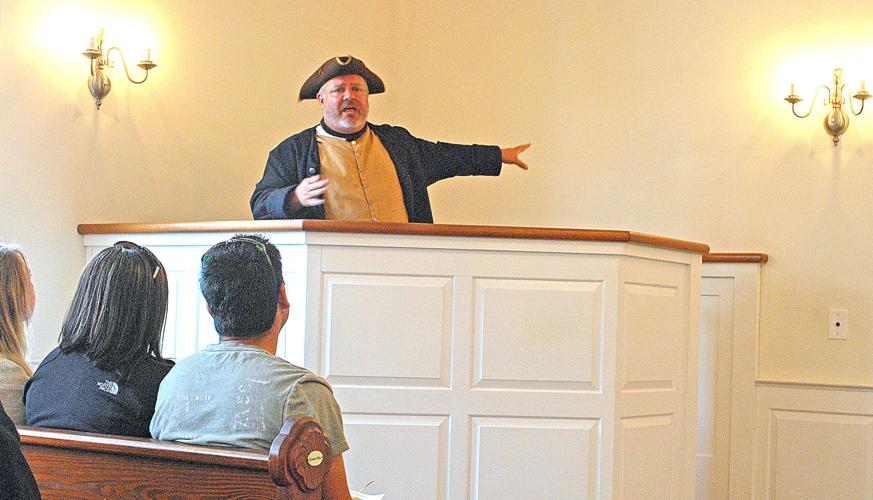
Guided tours of the museum starts with an interactive colonial town meeting decrying the tax on tea led by an 18th century guide. The guide explains the unfair tax and encourages the crowd to shout “Huzzah!” in response. Then each visitor is given a feather as their disguise before setting out on the adventure of the Boston Tea Party through the museum and to the ship loaded with tea waiting in the harbor.
Once inside the museum visitors find themselves on Griffin’s Wharf on the morning after the Boston Tea Party where they listen to the debate about the ramifications of their actions and must decide the answer to the question, “Are you a Patriot or a Loyalist?” The tour through the museum features paintings on the walls of participants in the raid, and as the guide introduces each one, the painting comes to life in a 3D holographic representation. Each character then explains the part they played and tells what happened that day.
It took more than 100 colonists nearly three hours to toss the tea into Boston Harbor. The chests held more than 45 tons of tea worth nearly $1,000,000 in today’s money.
Also on the tour is a documentary film “Let it Begin Here” that depicts the events of April 19, 1775, following Paul Revere’s famous ride and “the shot heard round the world” at Lexington Green just outside of Boston. The theater’s panoramic screen puts visitors in the middle of the battle where they can feel horses galloping, soldiers marching and muskets firing.
The Robinson Tea Chest is the centerpiece of the museum’s collection of artifacts. It’s the only known surviving tea chest from the Boston Tea Party.
On the morning after patriots stormed the ships in the harbor and dumped 90,000 pounds of East India Company tea into Boston Harbor, 15-year-old John Robinson was walking the shoreline near Dorchester Heights just outside Boston. The water was full of tea leaves when young Robinson spotted a box in the sand.
It was a small, simple chest, dark green and made of ½ inch thick wood. Robinson retrieved the box and took it home. For over two hundred years the chest was preserved and passed down in the family from generation to generation. It is now on display in the museum and is known as the Robinson Half Chest and serves as a reminder of what happened that night.
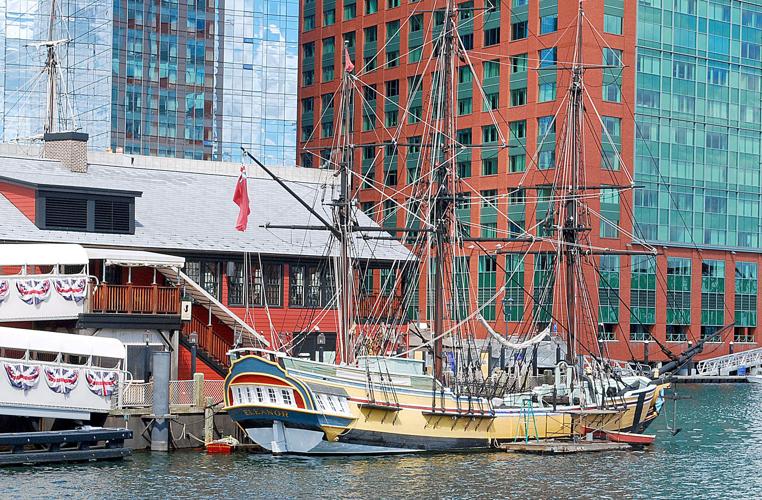
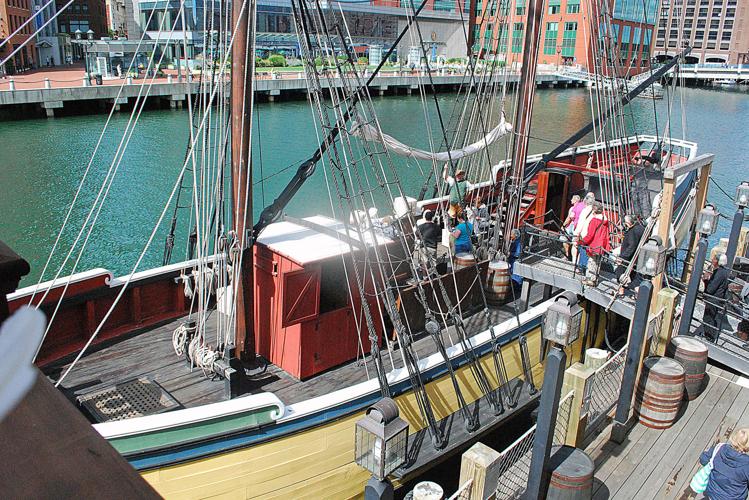
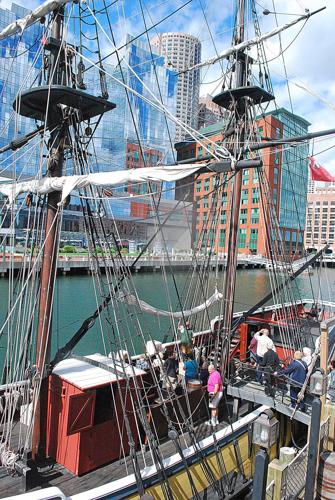
At the end of the hourlong tour you’ll board a replica of one of two ships, the brig Beaver or the ship Eleanor, which are berthed as close to the actual spot of the Boston Tea Party as possible, since in the late 1800s a large portion of Boston Harbor was filled in as part of an expansion project for the city.
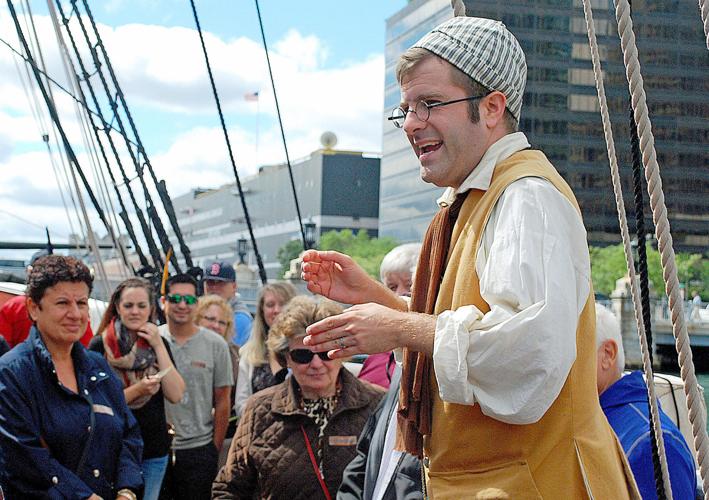
Once on board a guide gives visitors a tour to get a glimpse of what life was like on a ship in the 1700s and to hear more about the Boston Tea Party. At the end of the tour everyone has a chance to toss a box of “tea” into the harbor just like the colonists did, only this time each box is secured with a rope so it can be retrieved and used again.


