


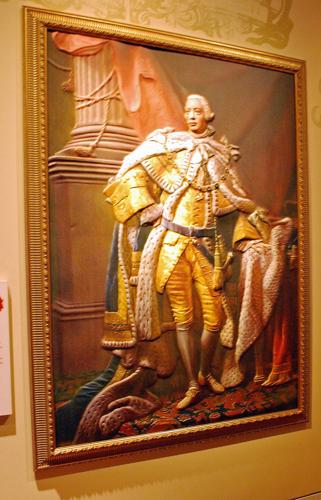
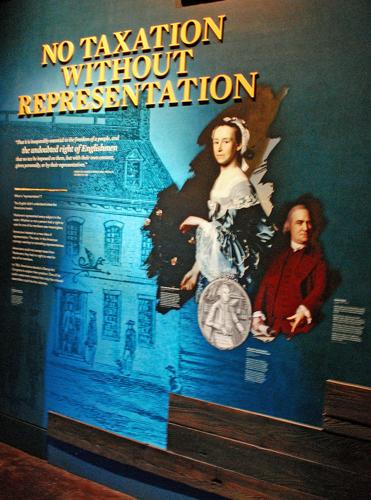
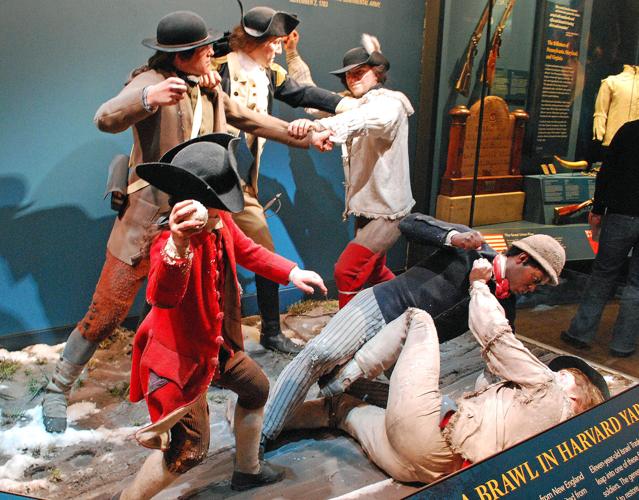
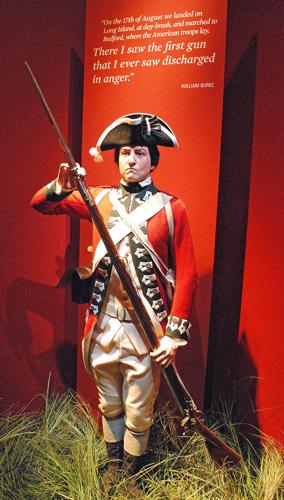
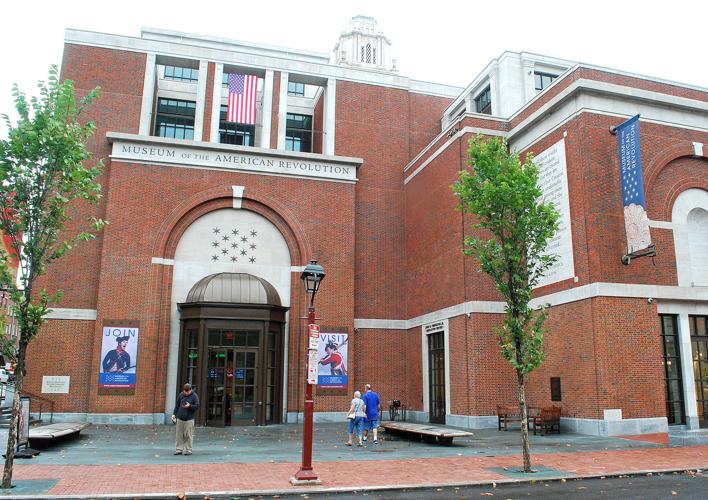
PHILADELPHIA -- There is now a museum dedicated to probably the most pivotal point in our nation’s history. The Museum of the American Revolution is located in the heart of the historic district of Philadelphia not far from such landmarks as Independence Hall, the National Constitution Center and the Liberty Bell. The museum tells the story of the American Revolution through artifacts and realistic displays of battles and events during the war.
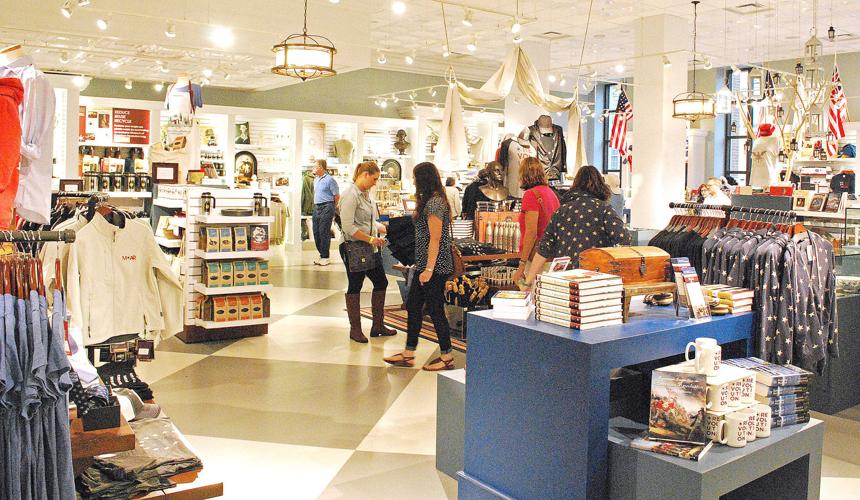
The museum opened April 19, 2017, to coincide with the 242nd anniversary of the Battle of Lexington and Concord and “the shot heard round the world” that began the Revolutionary War. The three-story building has 118,000 square feet of space with 32,000 square feet dedicated to exhibits. The first floor has a gift shop and the Cross Keys Café, which has an entrance to the sidewalk so patrons can eat at the café without going into the museum. Also on the first floor is the entrance to the museum along with a theater and a changing exhibition gallery.
People are also reading…
The first stop when touring the museum should be the Lenfest Myer Theater on the first floor for the film “Revolution.” The 15-minute movie tells the origins of the Revolution and its ongoing legacy. The film also prepares visitors for what they are about to see while touring the museum.
The second floor can be accessed by a spiral staircase or elevator and has 18,000 square feet of galleries depicting various events during the war and a theater containing George Washington’s marquee tent.
The first gallery “Becoming Revolutionaries” is divided into seven sections telling how colonists first began thinking about revolution a decade before the battles at Lexington and Concord. In one section visitors can stand beneath the branches of a life-size replica of the Boston Liberty Tree, where the first ideas of revolt against the British Empire were discussed and debated.
The “Darkest Hour Gallery” tells about the problems Americans faced while trying to gain independence, such as the Battle for New York in the fall of 1776 where General Washington and his troops had to retreat from New York. During that retreat the Battles of Long Island, White Plains and Fort Washington greatly reduced the number of American troops and greatly diminished their morale. One portion of the gallery depicts the winter of 1777-78, when Washington and his nearly defeated army struggled to survive at Valley Forge. Also in this gallery is the panoramic Battle of Brandywine Theater that puts visitors in the middle of an all-out British infantry charge
“A Revolutionary War Gallery” features a section dedicated to the war at sea and includes a replica of a 18th century privateer ship that visitors can board. Also in the gallery are displays and artifacts about the war in the South.
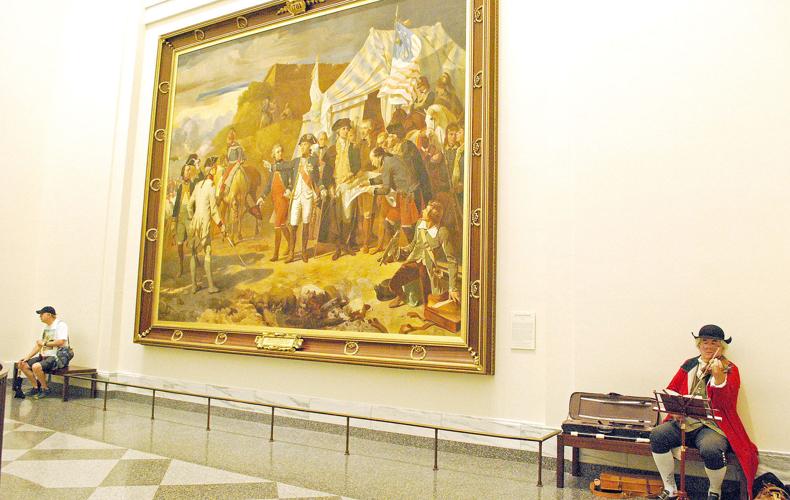
“A New Nation Gallery” shows how although the Americans won their independence from Britain they were now faced with the immense task of creating a new nation founded on the principles of life, liberty and the pursuit of happiness. With the defeat of the British at Yorktown and the signing of the Peace of Paris in 1783 the United States had won its freedom, but now the new government had to create one nation from 13 separate and very different former colonies.
Visitors can imagine being George Washington as the president of the Constitutional Convention and sit in a reproduction of the “Rising Sun” chair. When the Convention completed its work Benjamin Franklin remarked, “I have ... often in the course of the session ... looked at that (sun) behind the president without being able to tell whether it was rising or setting: but now at length I have the happiness to know it is a rising sun and not a setting sun.”
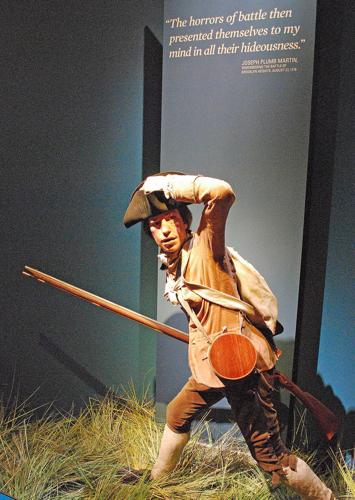
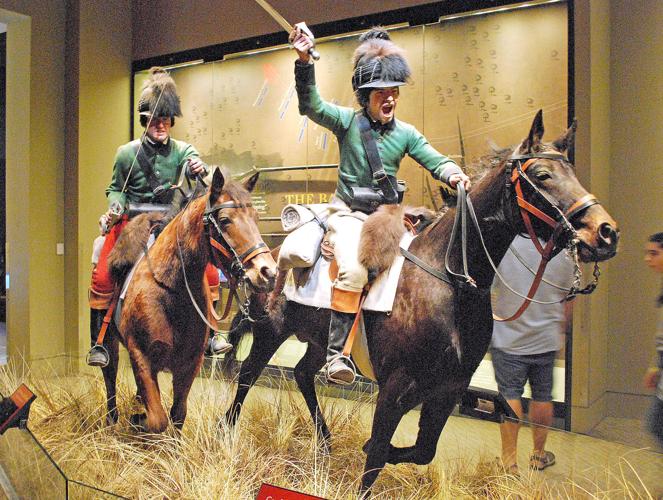
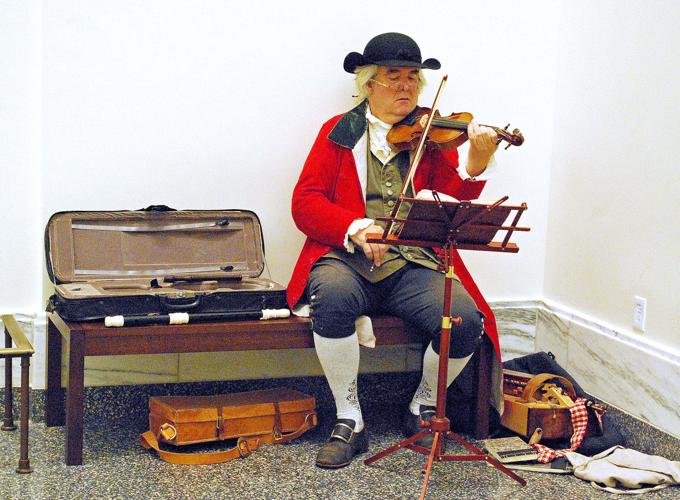
Many of the displays in the museum feature life-like mannequins dressed in authentic 18th century clothes.
A special theater houses General Washington’s Headquarters tent, which served as both his office and sleeping quarters throughout most of the war. The tent is one of the most iconic artifacts from the Revolutionary War. At the conclusion of the dramatic presentation telling the story of the tent, the curtain rises and the narrator says, “Today, Washington’s tent is here, still bearing witness, reminding us of times when the nation’s future hung in the balance. The tent, like the republic, survives. It remains a symbol of the fragile American experiment, the power of the people to secure their own freedoms.”


