


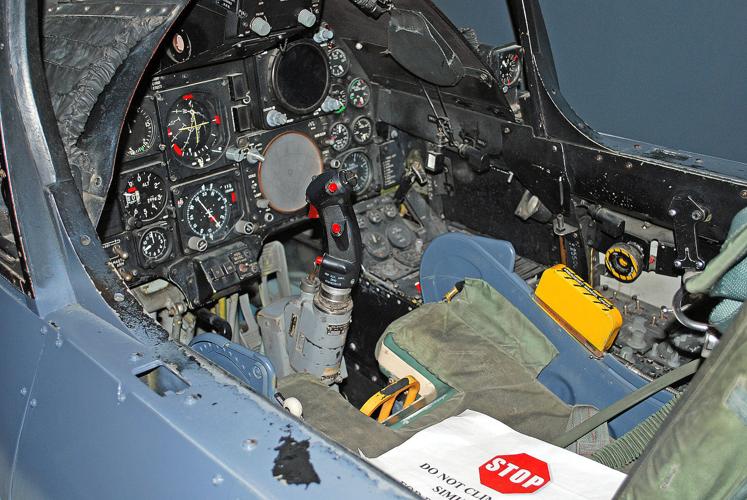
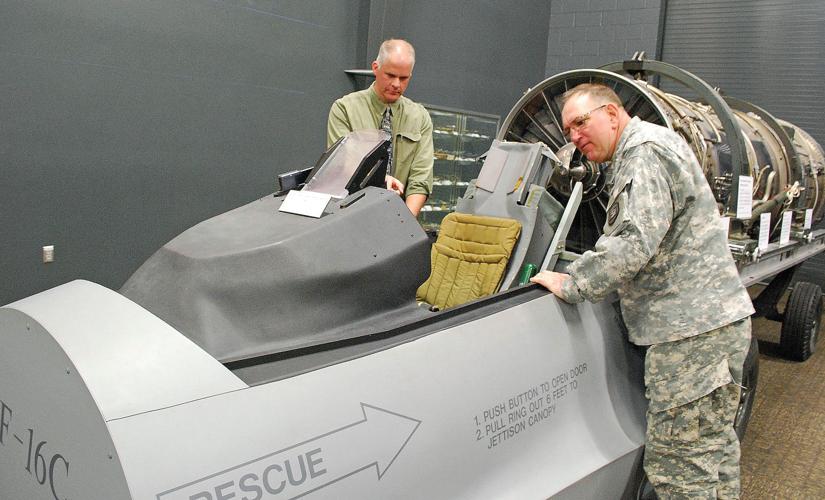
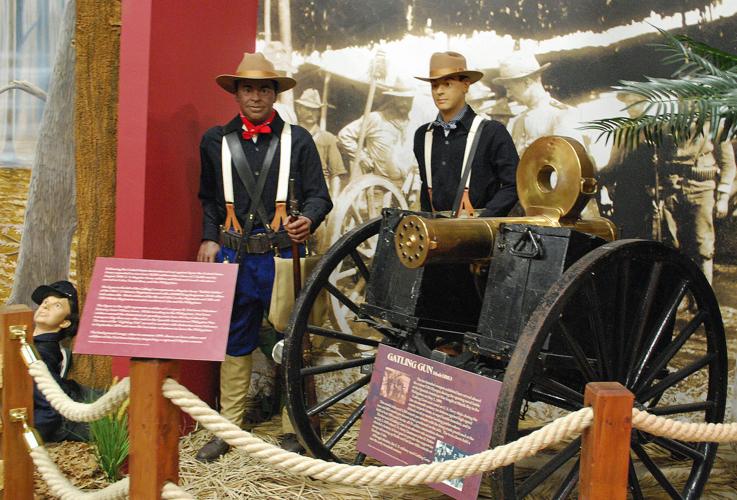
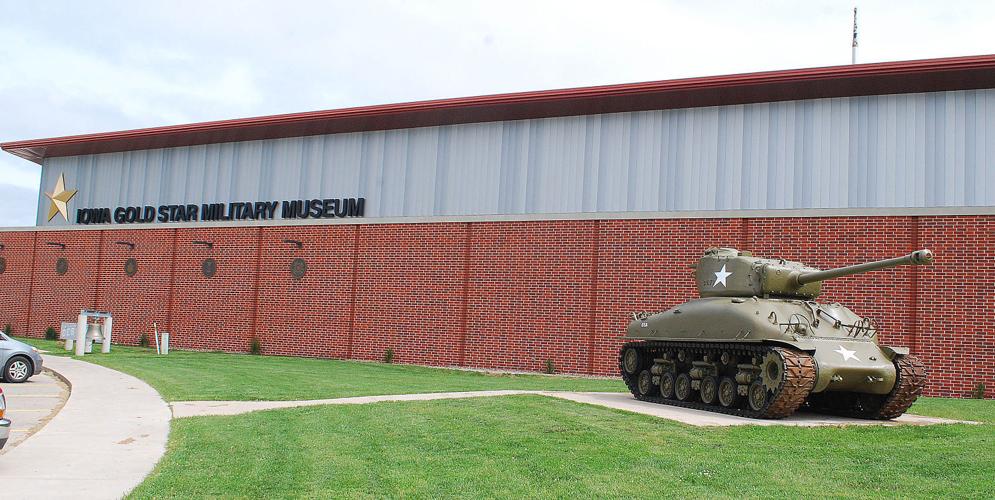
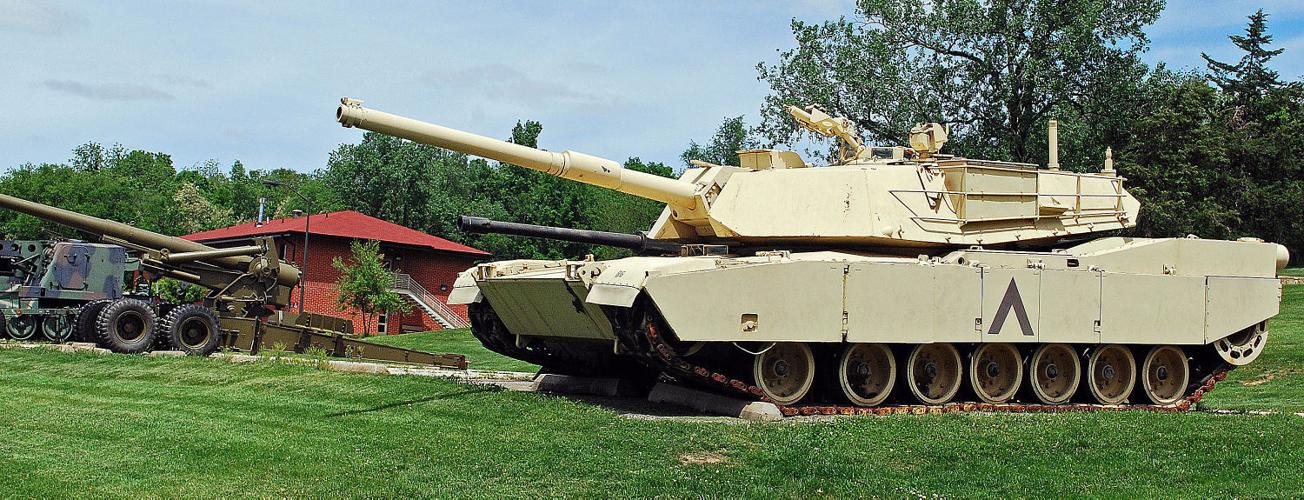
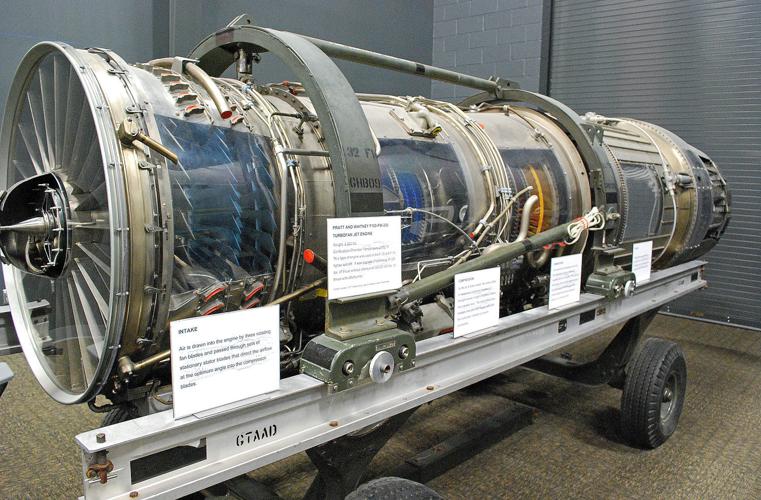
JOHNSTON, Iowa | The Iowa Gold Star Military Museum is located on the grounds of Camp Dodge, a huge 4,200-acre National Guard training facility just outside of Johnston. Master Sgt. Duff McFadden, a public affairs official at the base, said the purpose of the museum is basically simple. “The museum tells the story of Iowans and their service to their country.”
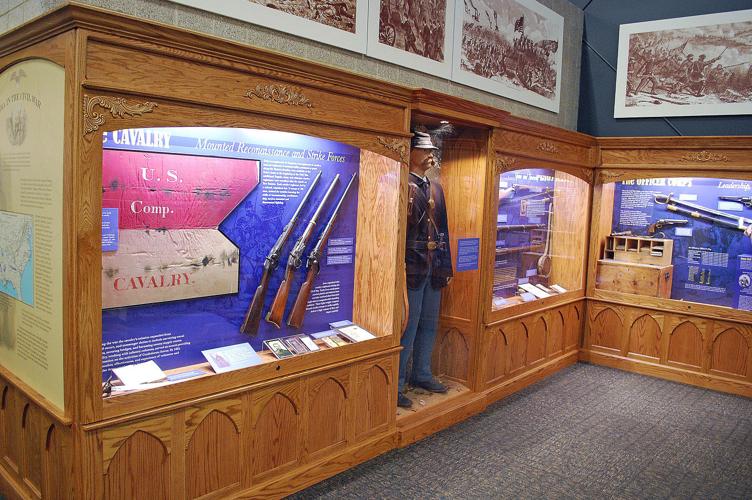
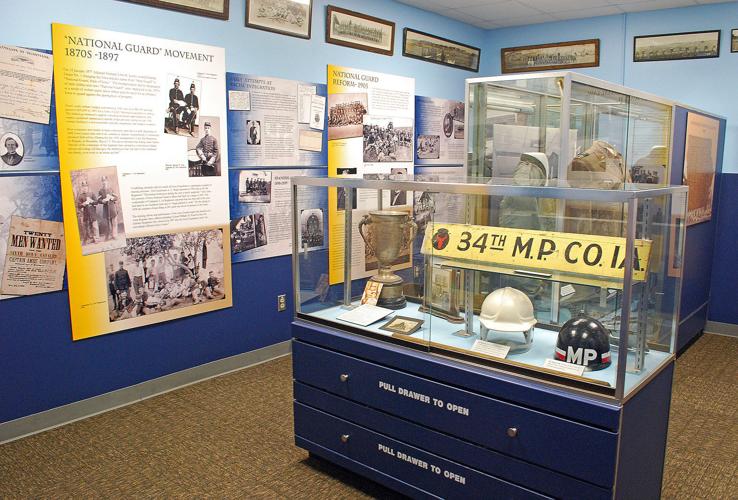
In telling those stories the museum has collected more than 140,000 artifacts dating back to the National Guard’s beginnings as a volunteer militia organized by British Colonials in the 1600s. In the gallery are paintings depicting the days of the militia from the National Guard Heritage series of illustrations.
The name “National Guard” was first applied to units of the New York State Militia and by the 1880s the new name was adopted by state militias throughout the country. In 1877 the Iowa Militia was officially redesignated as the Iowa National Guard.
People are also reading…
Construction of Camp Dodge began in 1907 and was built as a training center for units of the National Guard. In 1917, when the United States entered World War I, Camp Dodge was turned over to the federal government and expanded to become a regional training center for troops getting ready to deploy to Europe. Camp Dodge was also used as a training center during World War II.
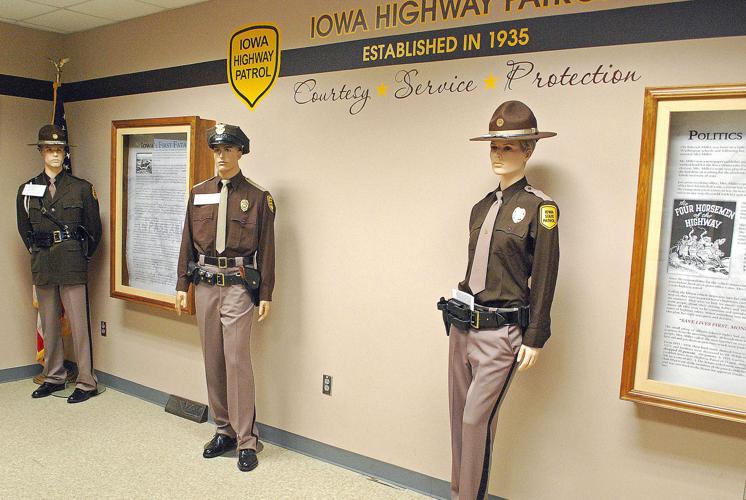
Today there are several National Guard units at Camp Dodge along with the National Maintenance Training Center, Joint Forces Headquarters, Iowa’s emergency operations center, a Military Entrance Processing Command installation where military applicants are tested prior to entering the service. Also at Camp Dodge is the State Police academy. Camp Dodge is also the location of the Iowa Gold Star Military Museum, a member of the Army Museum System.
The Gold Star name dates back to World War I when in May 1918 President Woodrow Wilson approved the suggestion of the Women’s Committee of National Defenses that American women should wear a black arm band on the upper left adorned with a gold star in remembrance of a family member who had given their life for their country. The tradition continued through World War II and the Korean War. Today families display a blue and gold banner with a blue star for each active duty family member and a gold star for those who have given their lives while serving their country.
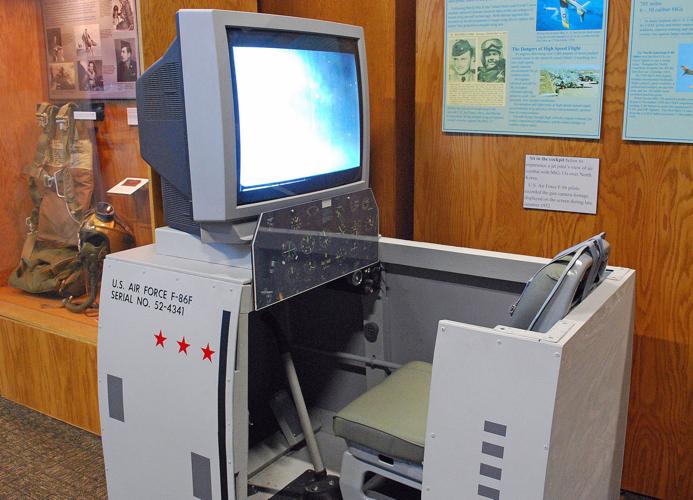
Inside the museum visitors can walk through the history of the National Guard with displays and artifacts including many from Sioux City’s 185th Air Refueling Wing. One display features the 185th and its involvement in the Vietnam War in 1968 and 1969. “We have a video of John Haley (a former pilot with the 185th) giving a speech about the loss of Captain Warren Brown,” said museum curator Michael Vogt. Brown was a pilot with the 185th who was killed after being shot down during a mission over the jungles of Vietnam.
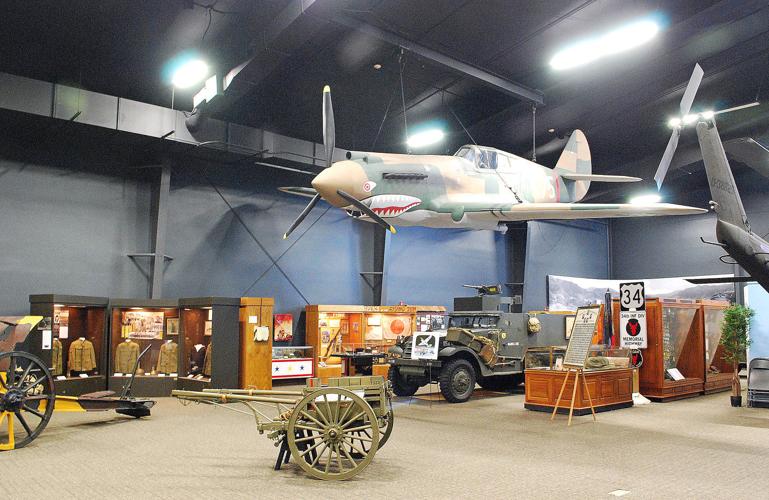
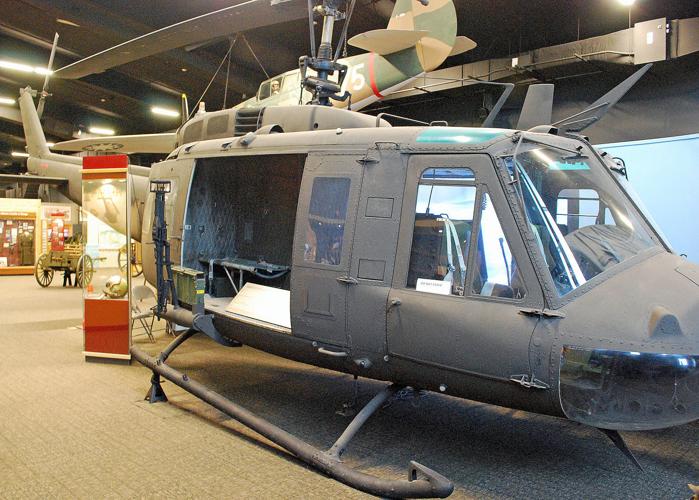
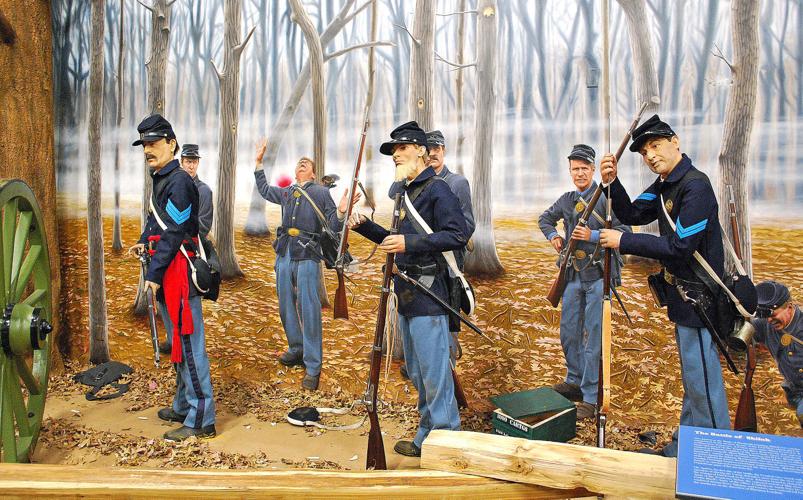
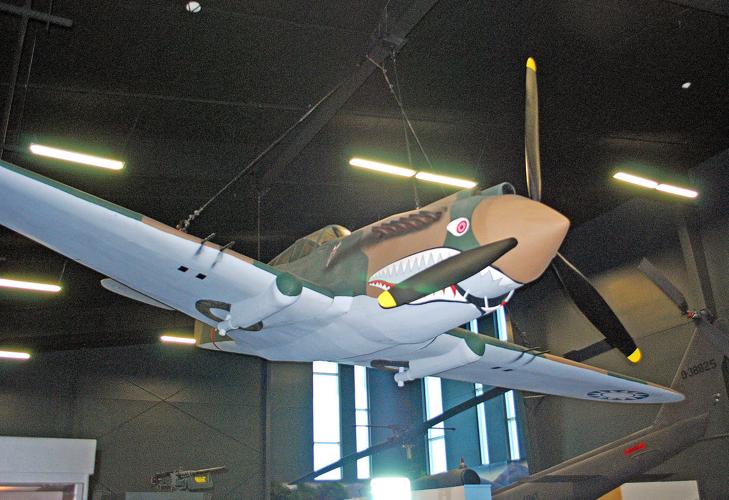
The main display room at the museum has full size dioramas of scenes from National Guard history including the Civil War, World War I, World War II, Vietnam and current military actions. One of the largest artifacts in the room is a replica P-40 Warhawk fighter painted to look like the plane Iowan Bill Reed flew with the Flying Tigers on January 1942 in the early days of World War II. On ground level near the plane is a button. “When people push the button,” said Vogt. “You hear the sound of a P-40 engine and a few seconds later the sound of guns firing. And the gun ports on the plane light up.”
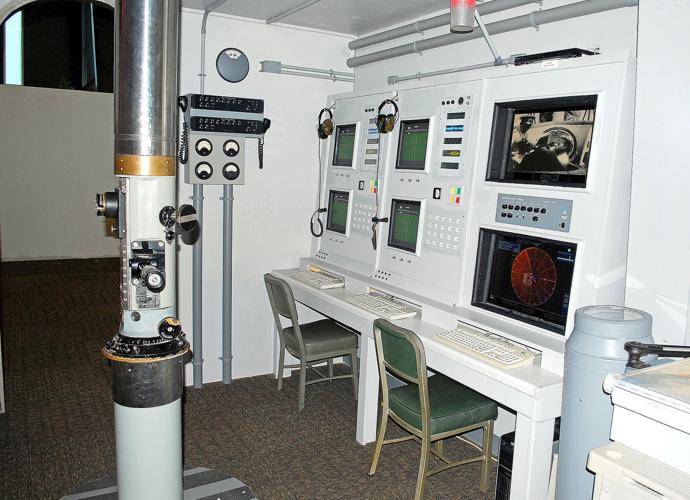
One unique display in the museum may not have much to do with Iowa but it’s very popular with visitors said Vogt. It’s a periscope from a submarine. “It’s a Type 2F attack periscope,” said Vogt. “It’s 42 feet from the base to the top and weighs 1,090 lbs.” The popular exhibit allows visitors to have a 360 degree view from the top of the building. Vogt said an Iowa submariner’s group helped the museum get the periscope. “It came from Rhode Island and we installed it in 2010.”


