


ELK CITY, Okla. -- Route 66 is probably the most recognized highway in the United States. Known as the “Mother Road,” the highway crossed eight states stretching from Chicago to Los Angeles.
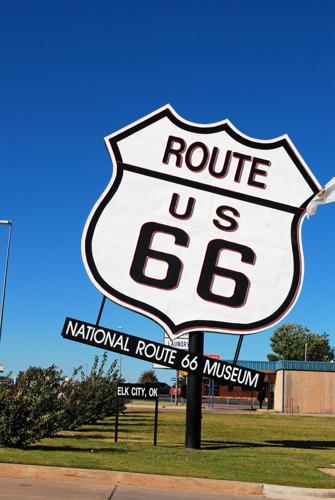
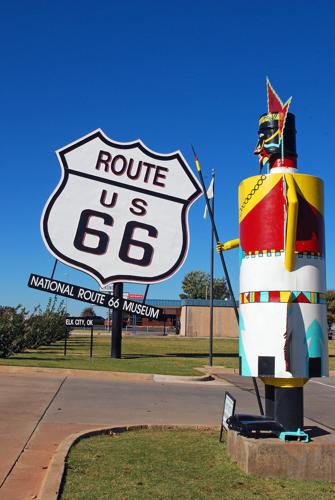
Officially Route 66 no longer exists and has largely been replaced with superhighways, but sections of the historic highway are still marked and can be driven. Although much of the highway is gone, the history of the iconic road is being preserved in places like the National Route 66 Museum in Elk City, Oklahoma.
The Route 66 story begins with entrepreneurs Cyrus Avery of Tulsa, Oklahoma, and John Woodruff of Springfield, Missouri, who promoted the idea of a highway between Chicago and Los Angeles. Their dream of a highway to connect Illinois with California would have to wait until 1925, when the government enacted a plan for national highway construction.
The Route 66 designation was assigned to the Chicago-to-L.A. highway in the summer of 1926, and it became one of the main east-west highways across the United States. Route 66 connected not only large cities but also small communities that previously lacked a connection to a national thoroughfare. It was completed in 1938.
People are also reading…
Unlike other highways of the day, including the Lincoln Highway and the Dixie, Route 66 didn’t follow a horizontal or vertical path but instead went diagonally from Illinois to California. The new highway was popular with truckers who favored the shorter route across the flat prairie.
Route 66 was given the moniker “The Mother Road” by John Steinbeck in his 1939 novel "The Grapes of Wrath," about the migration of an estimated 210,000 people who were desperately trying to escape the Dust Bowl. To those people Route 66 symbolized the “road to opportunity.”
After WWII the new road provided a path for returning veterans who trained in California and the Southwest and wanted to leave the frigid winters of the East and Midwest and move to a warmer climate. One of the vets who traveled that road was Robert William Troup Jr. of Harrisburg, Pennsylvania. Bobby Troup was a pianist with the Tommy Dorsey band and an ex-Marine captain. Troup penned the popular song “Get Your Kicks on Route 66.” The song was recorded by Nat King Cole in 1946 and quickly soared to the top of the charts.
The new highway not only created a new path across the U.S. Construction of the highway provided much needed jobs for many young unemployed males. Once the highway was completed, motels, restaurants and other roadside businesses sprang up all along the route. The colorful and unique design of those facilities were made to attract tourists off the highway. And they did.
But the increased traffic on the nation’s highways began to deteriorate all the highways including Route 66. The older highways were obsolete and dangerous because of narrow pavements and antiquated structural features that reduced their carrying capacity.
The country needed to revamp the highway system, and President Eisenhower knew what to do. During WWII, then-General Eisenhower was impressed with the highways he saw in Germany and especially the high-speed Autobahn. He wanted a similar system for the United States. So in 1956 Congress passed the Federal Highway Act to create a financial umbrella to underwrite the cost of a national interstate system. Although the act provided for a much improved system, it spelled the demise of highways like Route 66. But thanks to places like the Route 66 Museum in Elk City, that history is being saved.
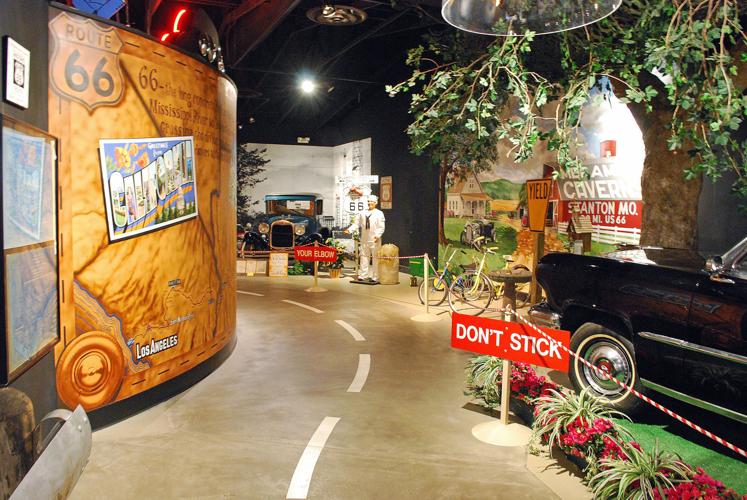
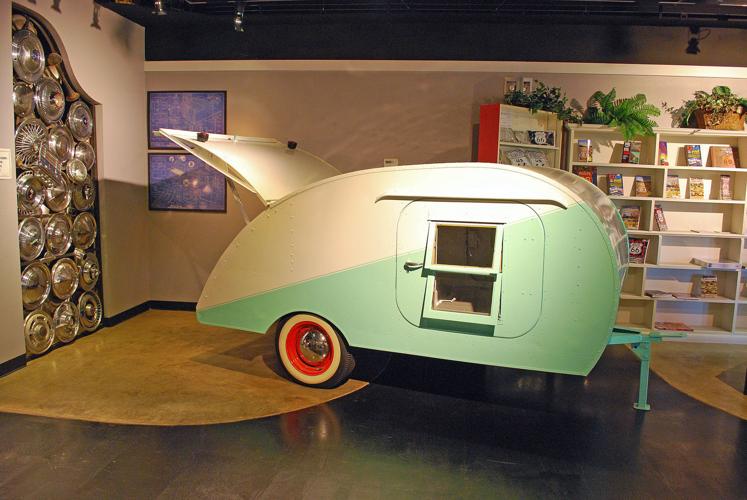
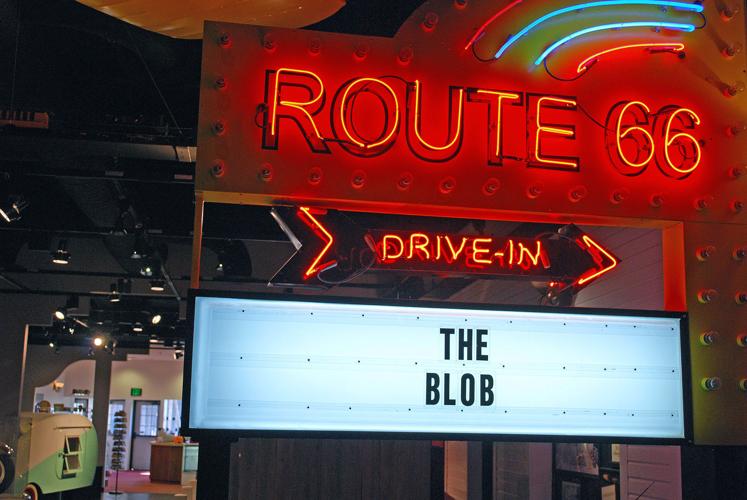
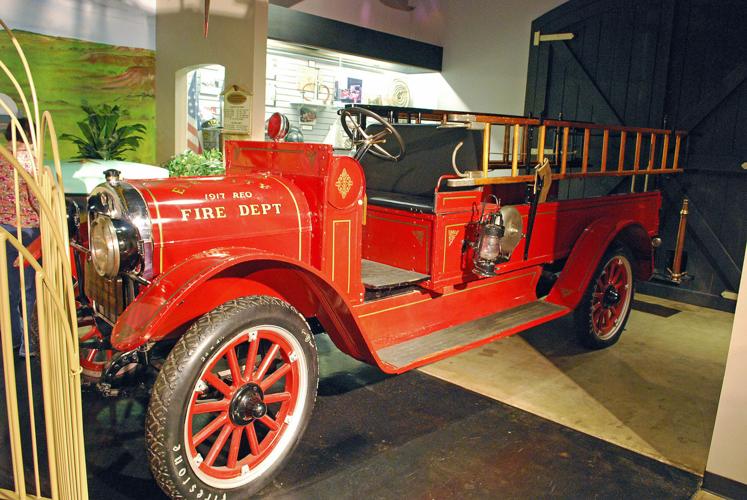
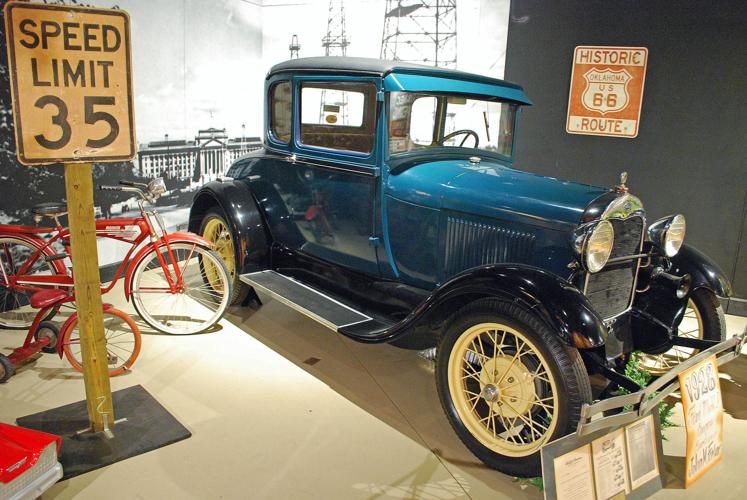
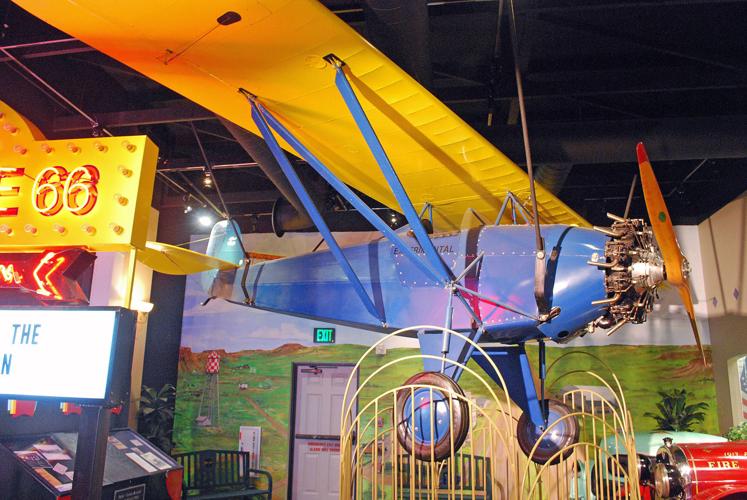
The museum opened in 1998 and has displays featuring all eight states Route 66 passes through from Illinois to California. There are antique cars and exhibits representing the sometimes quirky attractions along the route, including such things as a drive-in movie showing the 1958 movie "The Blob" that you can watch while sitting in a classic Chevy Impala convertible, or “drive” down Route 66 in a 1955 pink Cadillac. Other displays include collections of toys and motorcycles.
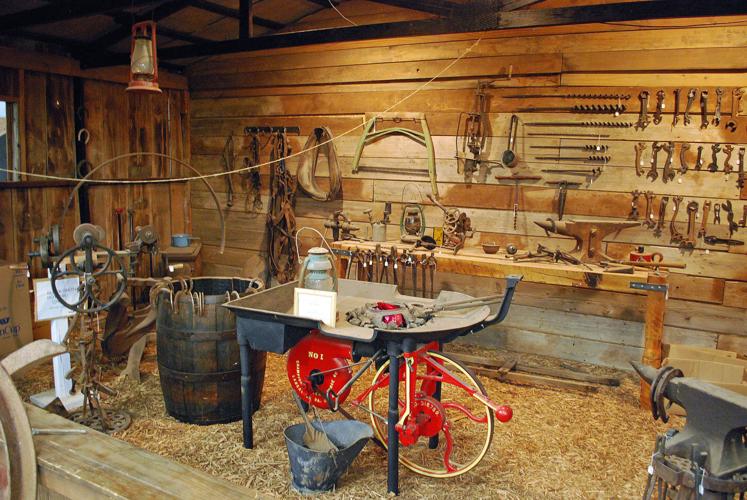
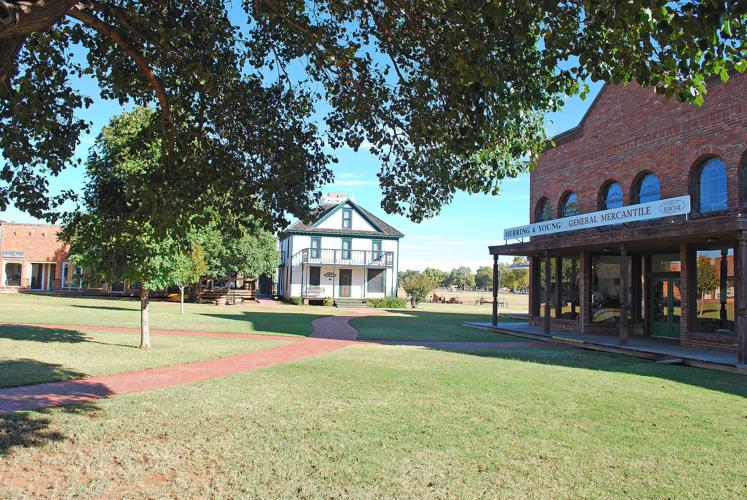
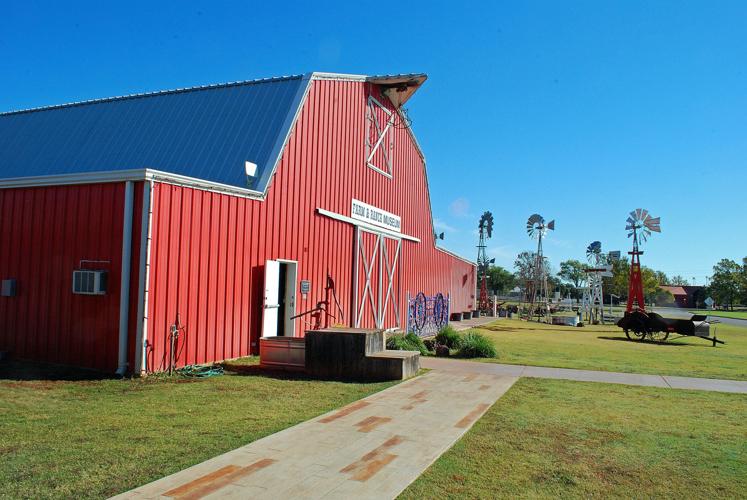
The museum is part of the Old Town complex that has artifacts showing the early life of Oklahoma’s pioneers. The complex includes replicas of a pioneer schoolhouse, opera house, doctor’s office and chapel. The Old Town complex also has the Farm and Ranch Museum showcasing the agricultural heritage of the area.


