


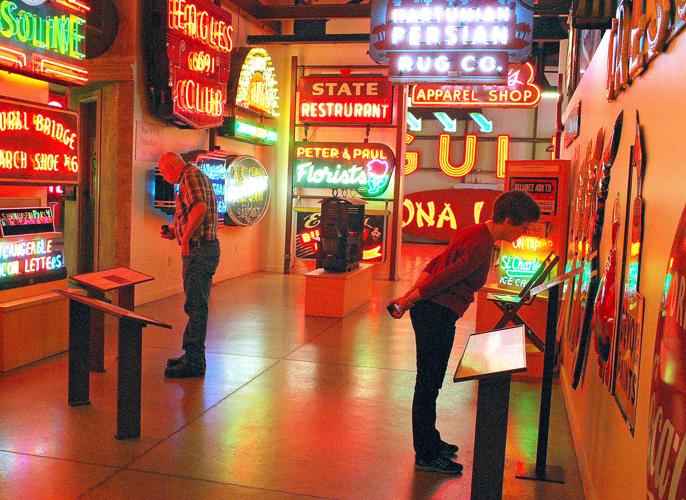
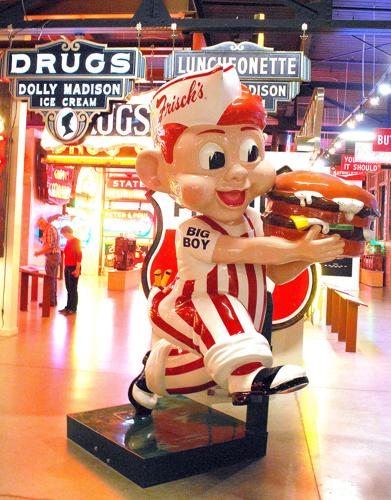
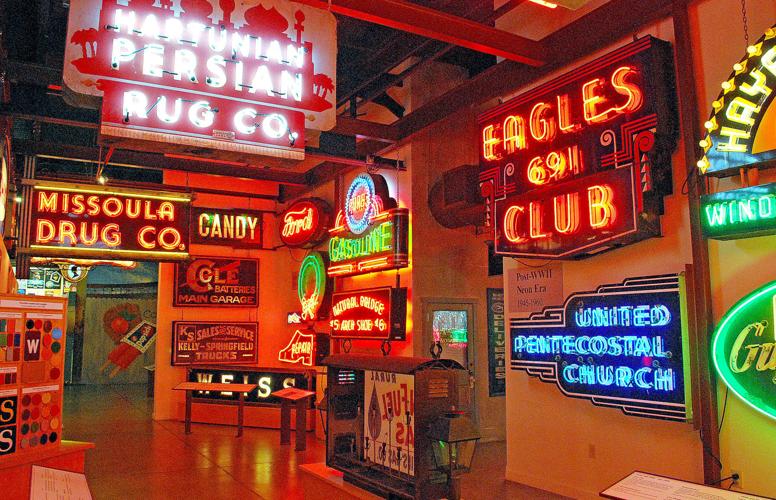
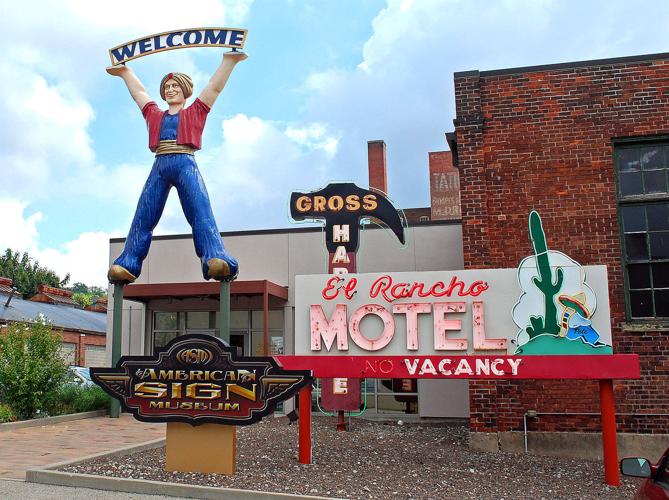
CINCINNATI -- One man’s efforts to save the history of signs across America has resulted in an amazing collection of just about every type of sign imaginable. Those signs are now on display at the American Sign Museum in Cincinnati.
Tod Swormstedt, founder of the museum and former editor and publisher of Signs of the Times magazine, knew that many of the signs that once adorned businesses and highways around the country were being lost. In order to save those pieces of Americana he founded the Signs of the Times Museum in 1999 that he admits was a mid-life crisis project.
He rented some space in 2005 to display his signs but soon ran out of room for the growing collection. Swormstedt then found a suitable building that had once housed a women’s clothing factory and later a parachute factory in the historic Camp Washington neighborhood of Cincinnati. With the support of others who believed in the project, he opened the renamed American Sign Museum in its new location on June 23, 2012.
People are also reading…
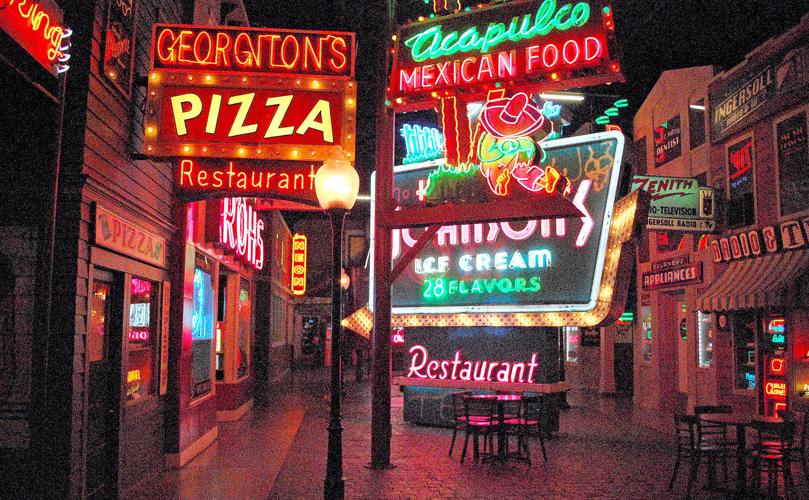
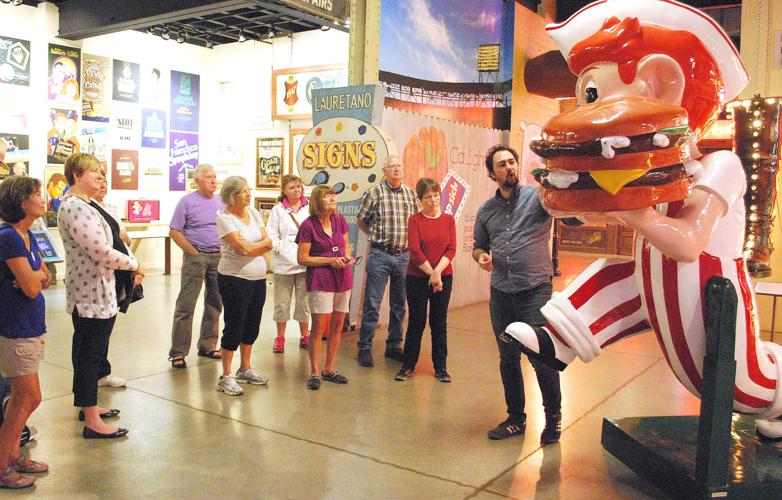
The new location has more than 19,000 square feet of display space and another 20,000 for future expansion. The building has 28-foot ceilings to accommodate even the largest signs. The museum also features a working neon sign shop where visitors can watch the owners of Neonworks create neon signs and ask questions during the museum guided tour. There’s a large open area that can be rented for events and a library with books, photos and documents relating to the art and history of sign making.
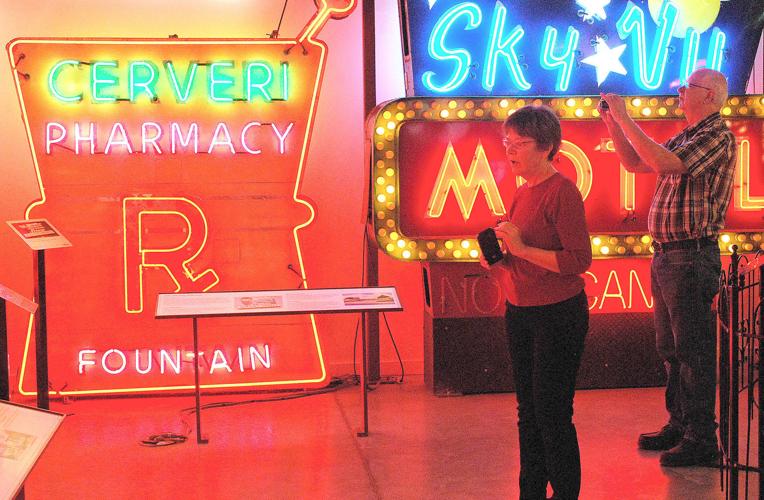
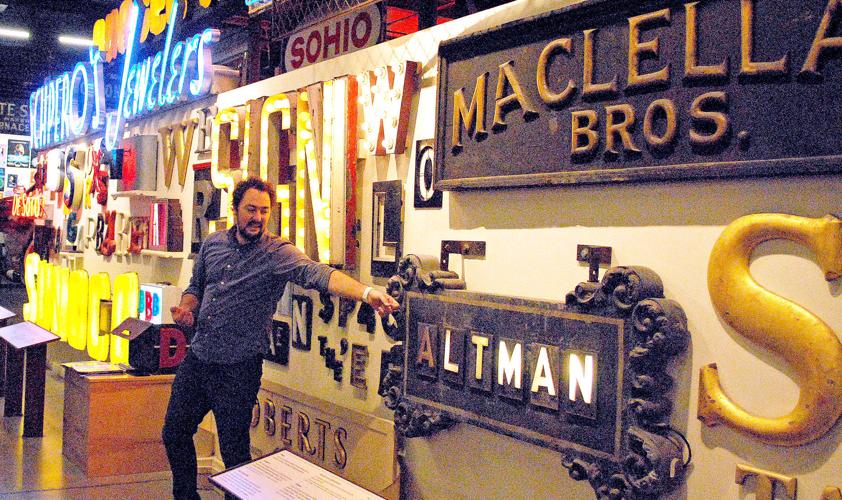
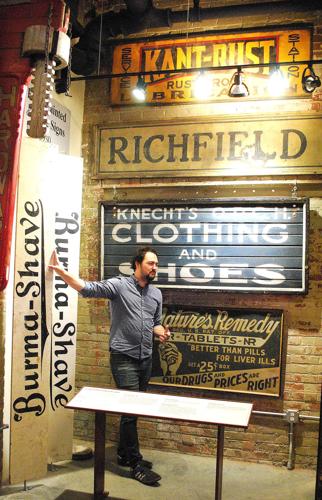
Kevin Wallace, guest services manager at the museum, said the sign collection dates back to the late 1800s. He said that back then signs were typically symbols rather than words. “That was because at the time few people could read,” said Wallace. Examples in the museum include a large hammer for a carpenter shop and a pestle and mortar for a pharmacy. Many of those early signs were hand-carved and sometimes covered in leather. In some cases the letters were coated with real gold.
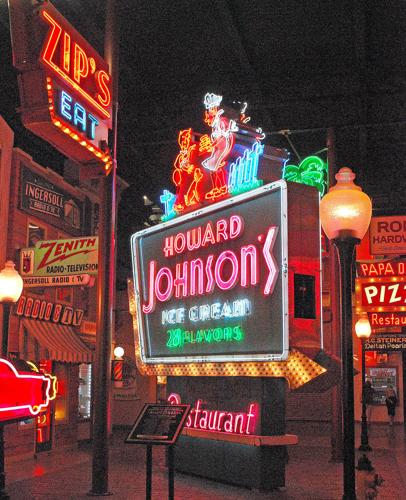
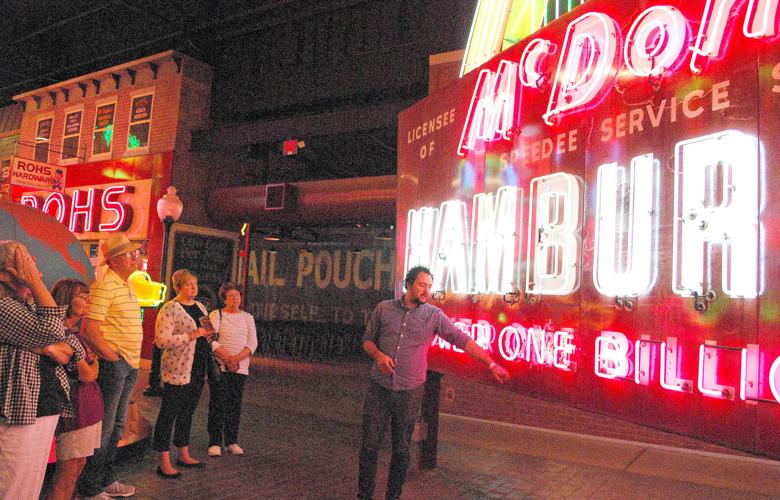
Wallace said that many of the signs in the collection were donated by businesses, while others were purchased by Swormstedt. The collection includes such iconic signs as a 1963 era porcelain McDonald's Golden Arch from Huntsville, Alabama, and a 1950s Howard Johnson’s sign from Utica, New York.
To some people signs are a passion. John and Andree Woosley of Chapel Hill, North Carolina, were recent visitors to the American Sign Museum. Andree Woosley said as they travel across the country they’re always looking for signs. “We’re always sign-spotting,” she said. They photograph the signs and share them with other sign enthusiasts on the internet.
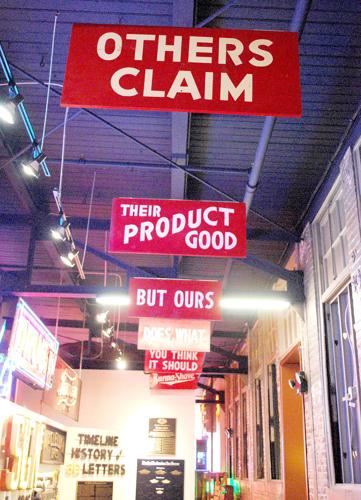
The museum has some of the iconic Burma Shave signs that once graced highways across America. The set of six signs along the side of the road dispensed folksy humor for drivers while promoting Burma Shave. One set in the museum says, “Others claim; their product good; but ours; does what; you think it should; Burma Shave.” Wallace said they have another set that was rescued by a sign painter. “He found the signs in the attic of a house owned by Clinton Odell, the founder of the Burma-Vita Company. Odell had used the signs in the attic. He used them as floorboards,” said Wallace. “But a sign painter bought the house and saved them.”
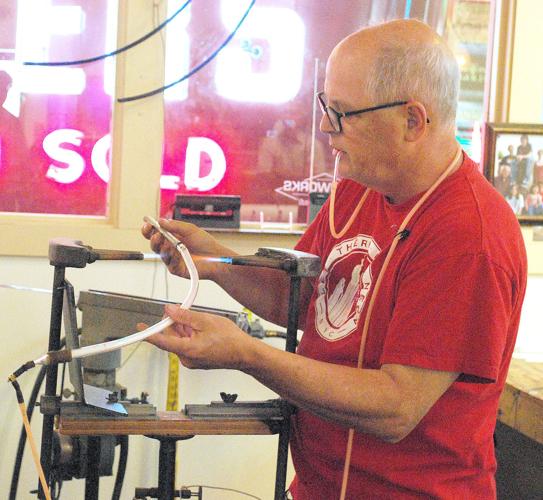
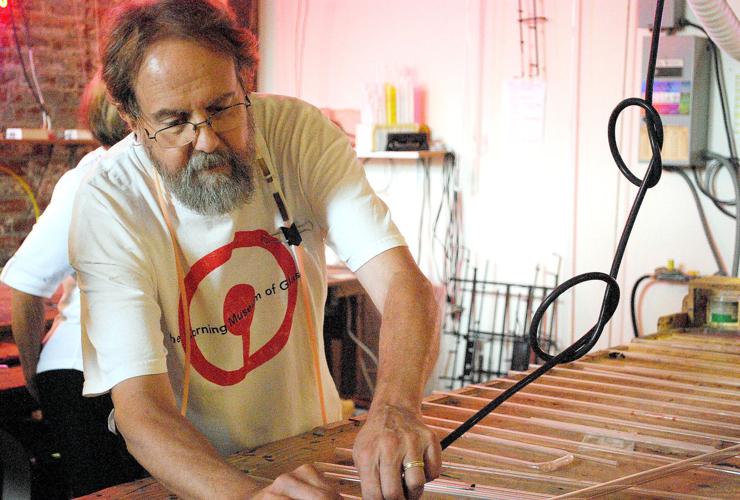
The art of neon sign making is alive and well at the American Sign Museum, said Wallace. “Neonworks of Cincinnati has a shop in the museum.” The shop is part of the guided tour of the museum.
Tom Wartman, owner of Neonworks of Cincinnati, said his business is the only full-time neon shop in town. While talking to visitors at the museum Wartman explained some of the secrets to making a neon sign as he held a glass tube between two flames. “The flame is 1,500 degrees,” explained Wartman. “And we heat the tube to 500 degrees in order to bend it.” He said the shape of the tube is drawn on a pattern on the workbench and then the tube is bent according to the drawing.
In a recent television interview Swormstedt said signs are an important part of our history and his museum reflects that history. “It’s a mini slice of American history and it’s a fun way to learn American history.”


