

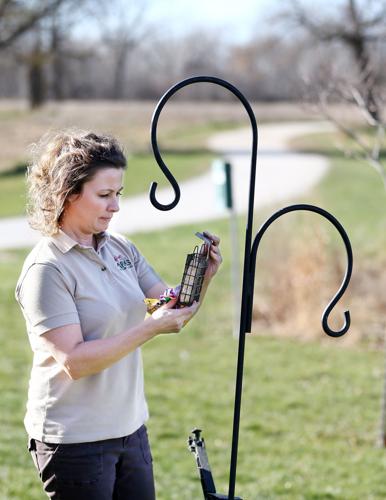
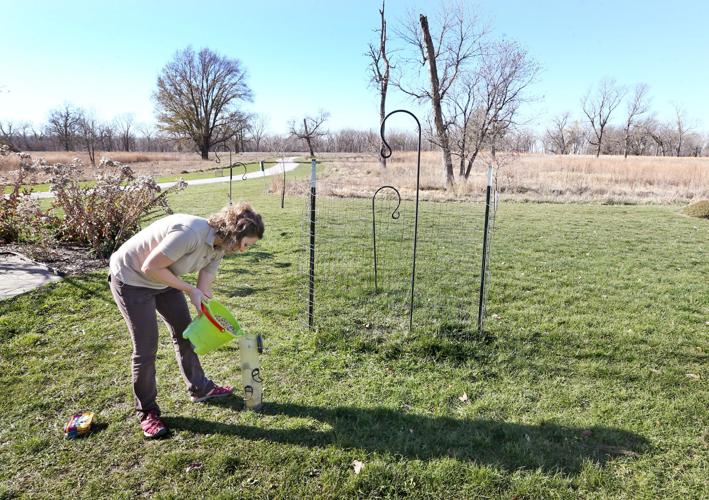
SIOUX CITY | Jody Moats learned about different species of birds while watching the feathered creatures gather at her grandfather's bird feeder.
Moats, Adams Homestead and Nature Preserve park manger, said feeding birds in your own yard can be a great hobby. She said there's no harm in feeding wildlife, including birds, during the wintertime as long as you keep the suet, sunflower seeds and cracked corn coming.
"It's kind of fun to bird watch," she said.
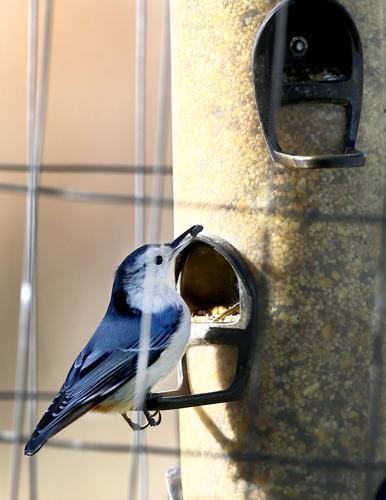
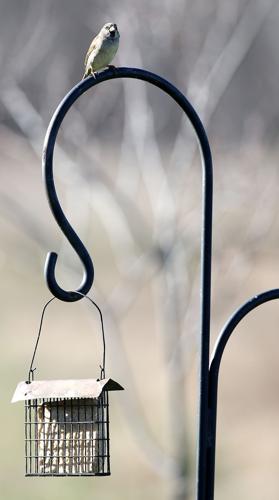
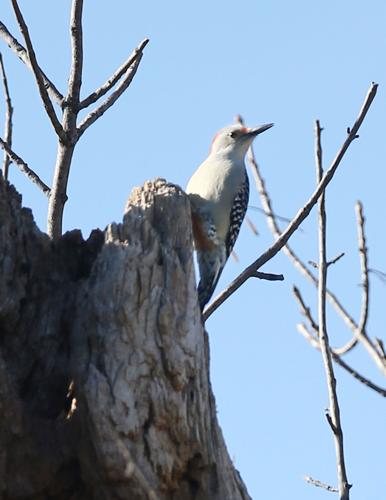
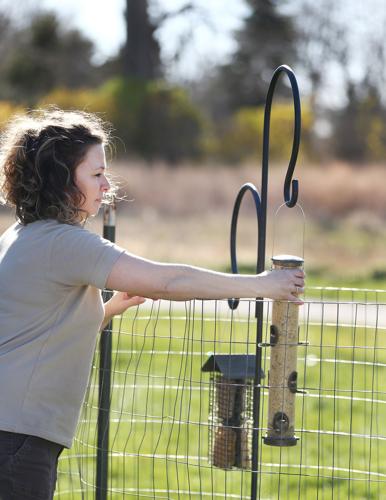
Theresa Kruid, a naturalist at Dorothy Pecaut Nature Center, puts bird seed, including black oil sunflower seeds, in a variety of types of feeders to attract the likes of woodpeckers, chickadees, cardinals, finches and more.
"Some birds don't like the flat surface feeders. Some don't like the long tube feeders, so by providing a variety of them you can attract more birds," she explained.
People are also reading…
Put bird seed in hanging feeders, set it in a tray or toss it on the ground. The more varieties of feed you have, Moats said the more birds you'll attract. She said different birds have different taste buds, so they prefer certain seeds to others.
"A lot of people put out their bird feeders and feed them all year round. Some people start putting them out in October when the weather is supposed to get colder," she said.
Bird feeders won't serve as a dining option just for feathered friends. Moats said squirrels and raccoons are also known to frequent them. She said she's even caught footage of deer on trail cameras sticking their tongues up into the bird feeders.
In 2012, the Sioux City City Council enacted a feeding ban designed to reduce traffic accidents and damage to plants caused by the wild animals.
Purposefully feeding wild turkeys and deer within Sioux City city limits could result in a fine of $65 for a municipal infraction and up to $100 if convicted of a simple misdemeanor. Feeding birds and squirrels and planting foliage that deer and turkeys eat is allowed.
If you can't feed them, should you help shelter them?
Some animals hibernate during the winter, some stay active, while others take little naps here and there. Moats said you don't need to leave piles of leaves and other debris in your yard to shelter small wildlife, especially squirrels.
While they're sure to take advantage of your feeders, Moats said squirrels are independent critters who know what they need to do to prepare for the coming winter. She said they're busy burying walnuts and acorns in the yards and building nests in trees as the temperature gets colder.
"They know how to prepare themselves," she said. "If there's a tree, they usually make a nice nesting up there. When you see a big bunch of leaves in the top of your tree or the middle of your tree, that's probably a little squirrel's nest."
While feeding animals in your own yard can be a fun hobby, Moats said it's discouraged in state parks and nature areas. Heed rules and regulations designed to protect against malnutrition, disease, overpopulation and human/animal conflict.