
It’s easy to be charmed by historic homes. While owning one may come with a romantic vision of walking across hardwood floors that delightfully creak in all the right places and curling up to read by one of the many marble fireplaces found throughout the home, the reality is that these stately mansions aren’t for everyone.
Buying a historic home is more than just signing on the dotted line, it’s a lifestyle choice. Often, it can be a lot of work to maintain, revive or restore an old house, simply because more time has passed since it was built and more opportunities arise for other homeowners to do more harm than good to the home throughout the years.
Jim Jung, who chairs the Sioux City Historic Preservation Commission, has seen it happen in historic neighborhoods like the Heights and Rose Hill.
“If the house is really notable, historically or architecturally, you have a responsibility,” he said.
People are also reading…
“We’re the caretakers, just passing through. We owe it to ourselves to preserve some of them and save some of the characteristics.”
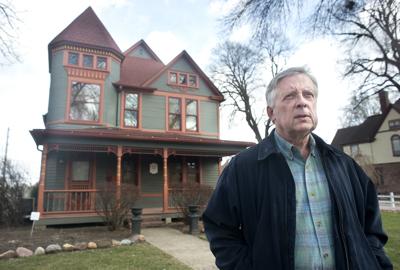
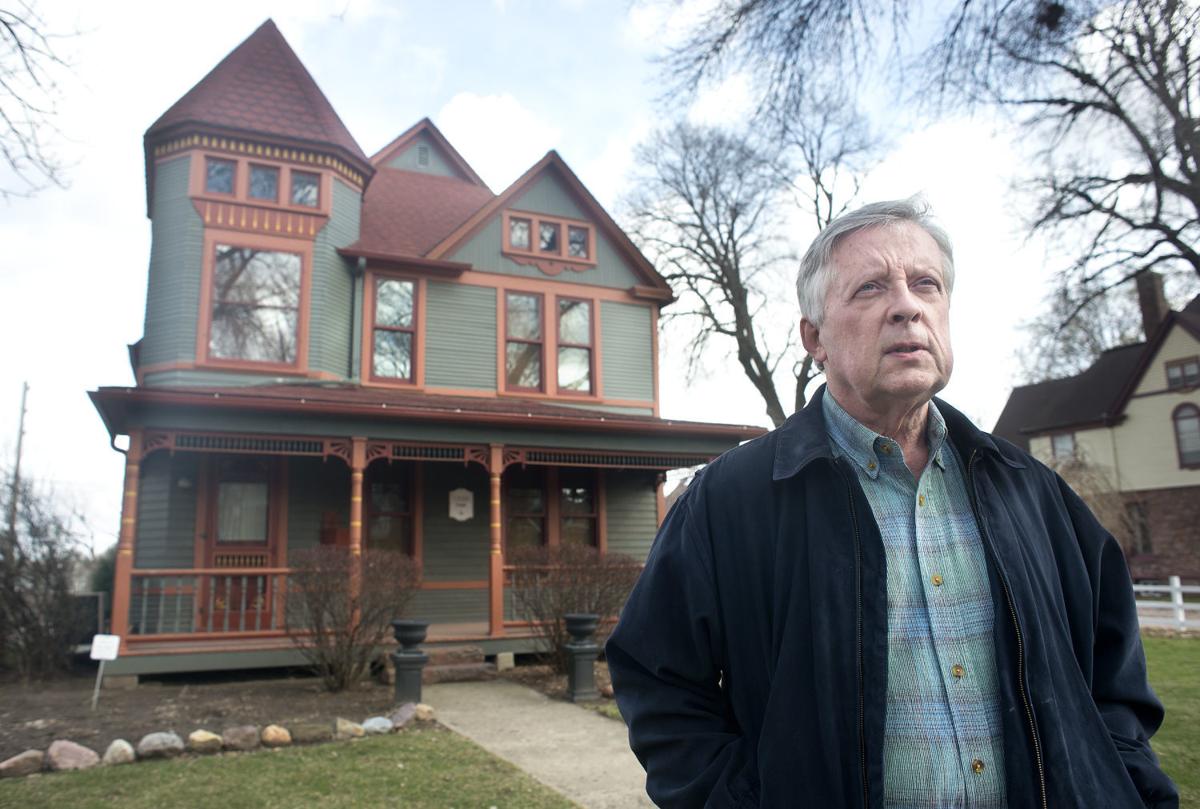
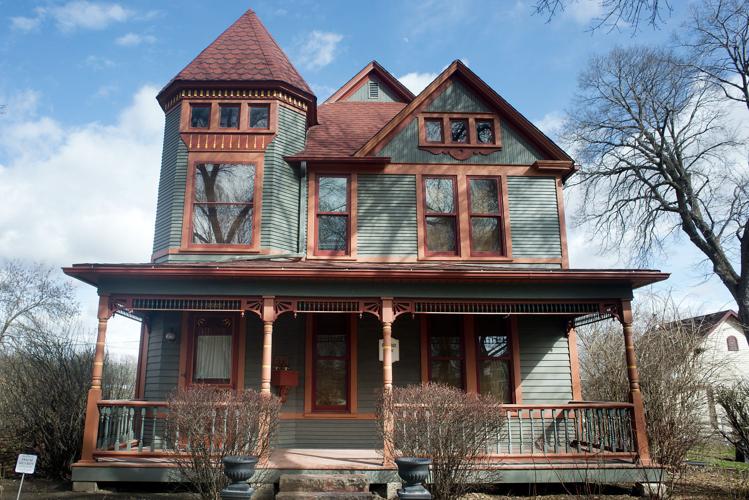
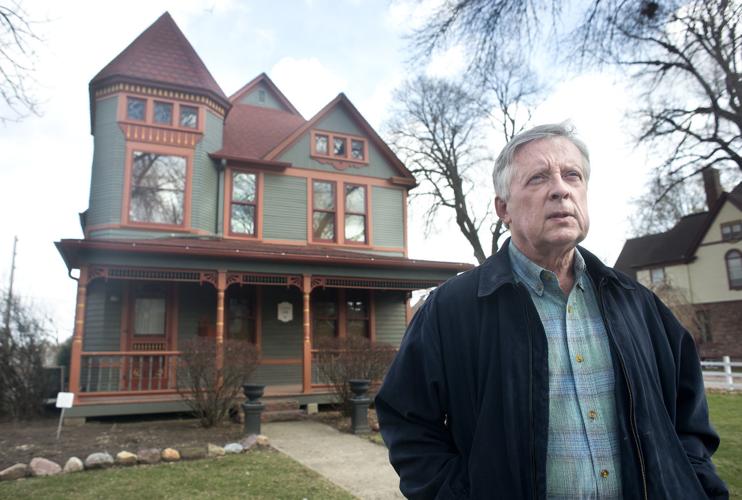
Jung lives in a beautifully renovated 1890 Queen Anne Victorian home on Jackson Street. It was originally the residence of Andrew Ellefson, a masonry contractor who ran his business from home until the economic panic drove him out of town in 1893.


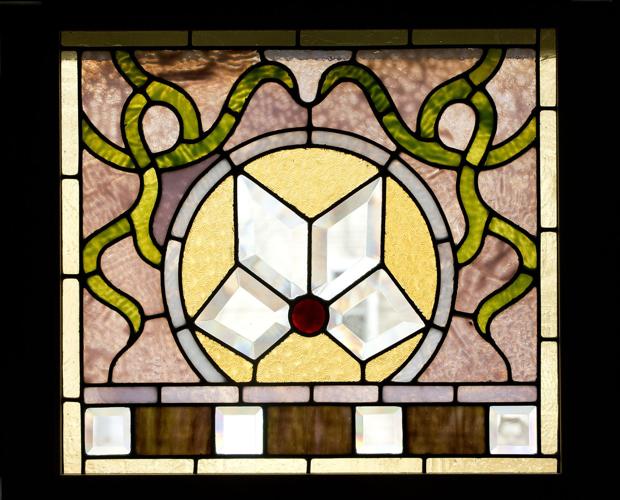
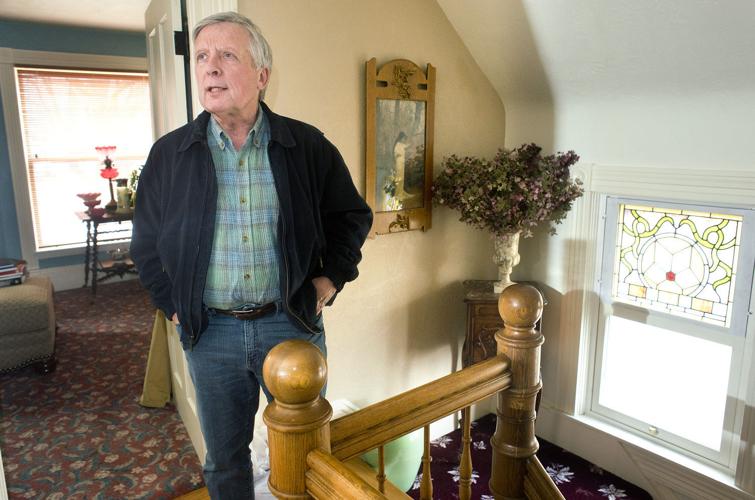
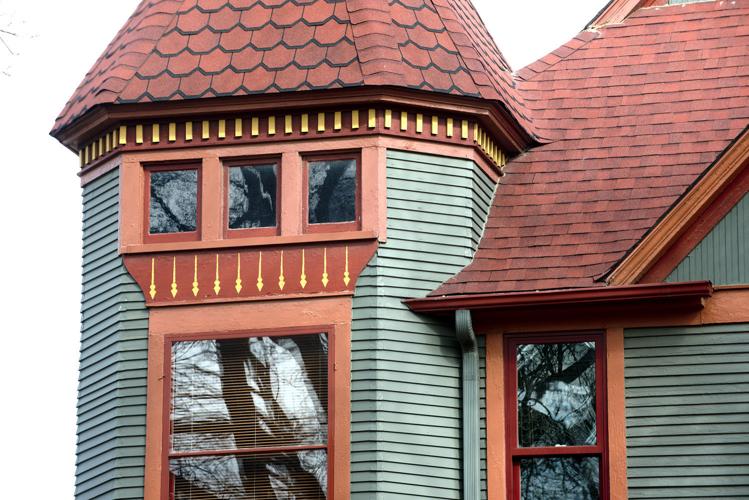
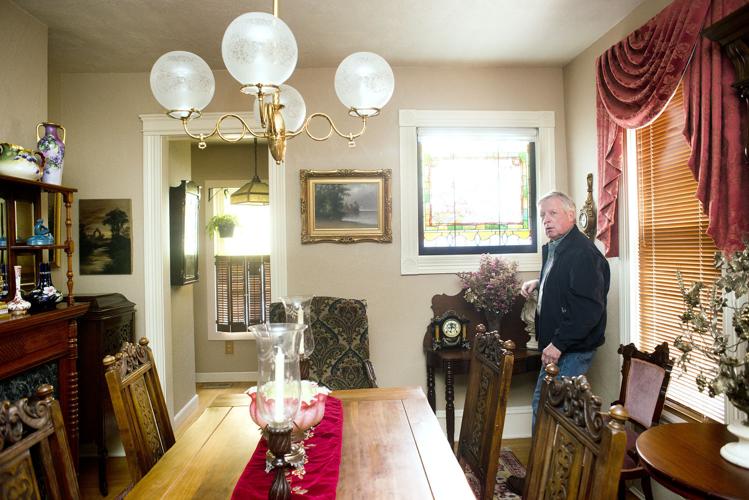
Photos: Buying a historic home
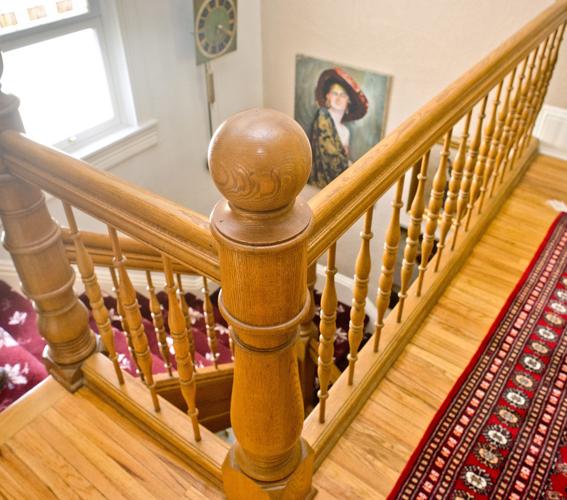
Magazine Jim Jung
Jim Jung lives in a beautifully renovated 1890 Queen Anne Victorian home on Jackson Street. It was originally the residence of Andrew Ellefson, a masonry contractor who ran his business from home until the economic panic drove him out of town in 1893.
Ellefson’s old house wasn’t much to look at 23 years ago when Jung moved in. In fact, it looked pretty sad with its aluminum siding. Today, it exudes pride-of-ownership, but it cost a pretty penny.
Jung shared his insights into buying a historic home in Siouxland.
What renovations did you do in your home?
I replaced the siding with new cedar wood, new eaves, new roof. So about the shape of the house is the only thing I didn’t change. I respected the shape and the bones of the house. I couldn’t find any original pictures so I had to kind of guess what it was like.
What makes a house historic?
The architecture, the architecture of a given period, if it was the home of a famous person or site of a famous event or if the home is at least 50 years old. Also, if it’s a local landmark, national registered property or historic district property, that makes it historic.
What is it about a historic home that makes it special?
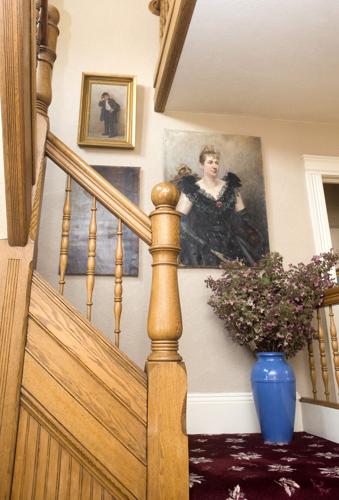
Your older, vintage homes are unique because a lot of them have fixtures, textures and things inside and outside that you just don’t see anymore. We’ve lost some of the craftsmanship.
What are some of the common defining features of historic homes in Sioux City?
That’s hard. You’ve got Victorian, Craftsman, Prairie, some Italianate, a lot of Second Empires. Sioux City experienced different levels of prosperity from the 1880s to 1890s, so you see some of the remnants of that in the architecture.
What are some tips for home buyers when they’re looking at a historic home?
I had a home inspector go through my home before I did anything. I think that’s important. That’s one of my suggestions – that people talk to and find a home inspector. Then, they check out electric, plumbing, heating, all that. I go through the house and kind of look at it too, and it sounds weird, but if it smells good, it’s healthy. Sometimes houses don’t smell good. They smell musty. That’s not good. Something’s wrong.
What are some questions people should ask themselves before buying a historic home?
Why do you want a vintage house? Do you really want one? Are you just in love with an idea and not really having the thing and what you have to do with it? Is it really the right one? Do you know what it means to own a house like that? Is it suited for your lifestyle? What are the grounds like? Are there any easements?
What are some of the big hidden expenses that you might find in a historic home?
There are five parts of the house that you should require the inspector to look at: the foundation, the wiring, the plumbing, heating/cooling and the roof.
What home improvement projects are on your list this year?
A new water heater. The basement walls have some cracks that need to get looked at. The back retaining wall in the alley has a bulge, so I have to get that put back together. Then, some painting. There’s always something, but I think you get that with any property.
Some people might be looking at a historic home as a money pit. Is that a fair assessment?
I quit counting how much I put into mine. It costs to do it right and have it last. The problem is, if you don’t do it right, you end up spending more to have it done later on. On an older house, you might as well do it right the first time. Sometimes, some of the things will cost a little more than in a newer house.
What’s one of the costlier, commonly done improvements?
A kitchen. (Most homeowners spend between $11,269 and $28,717, according to HomeAdvisor, a website that offers tools and resources for home improvement, repair and maintenance.)
In some places, costs can really add up if there are preservation-driven restrictions or design standards placed on historic homes regarding additions or windows, shutters and roofs that must be replaced in kind. Is there anything like that in Sioux City?
No. We tried to set design standards in Rose Hill, which was placed on the National Register of Historic Places in 2002. We’ve tried twice and it just won’t go through. There are too many renters up there.
What else should people know before they buy a historic home?
Get a home inspection by a professional. Take a look at the taxes. Check the utility bills and insurance. Will your company insure an older house? What are the rates? Think about finding someone to help you care for the house. Make sure it meets safety standards. Watch out for lead paint and asbestos.
Is there anything else you want to add?
Be convinced that you want to buy a historic home. Take your time. Know what you’re going to do. Make sure the people you hire know what they’re doing so they don’t cost you more money by not understanding the unique challenges of an older home.
This interview has been edited for length and clarity.