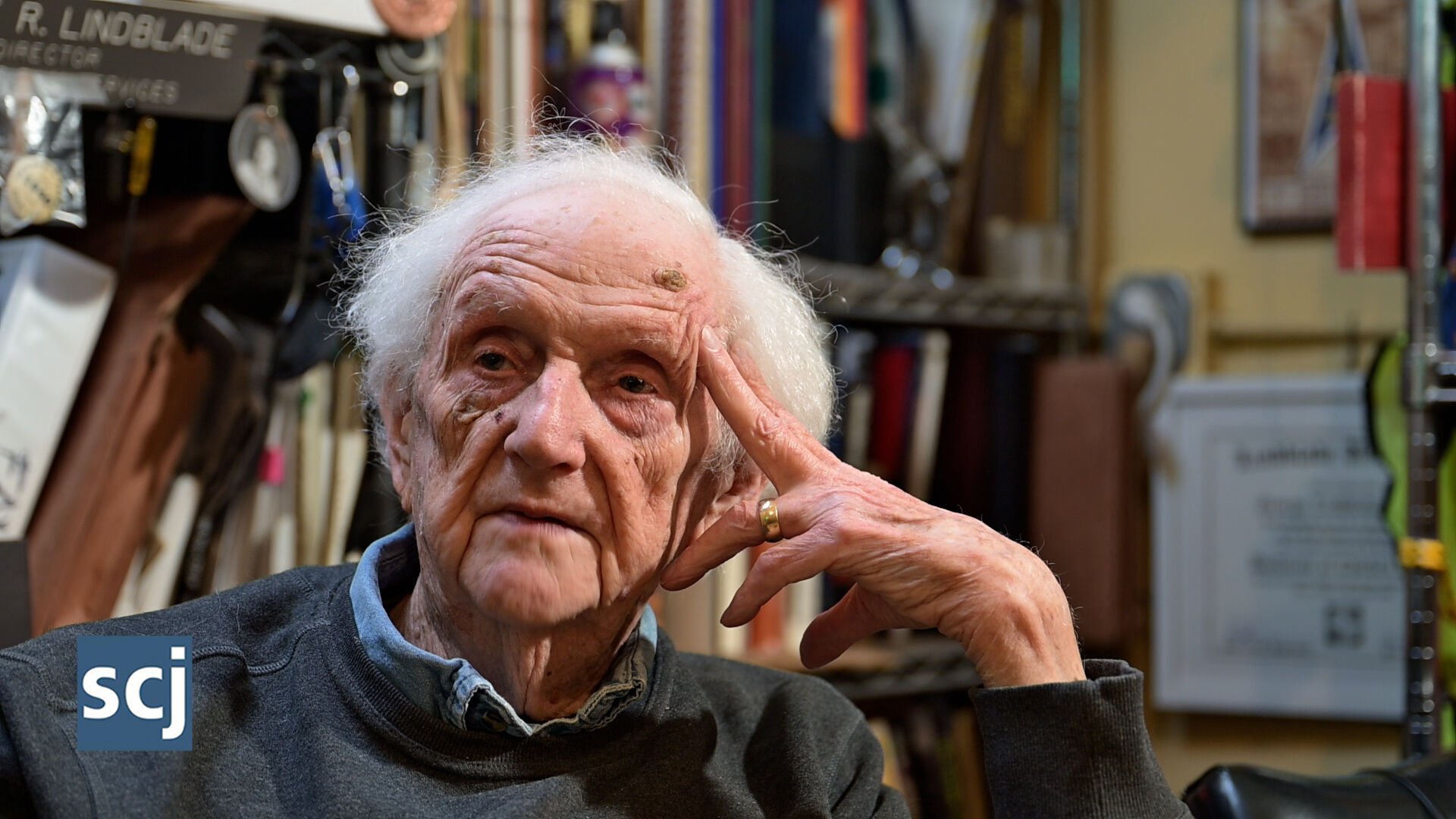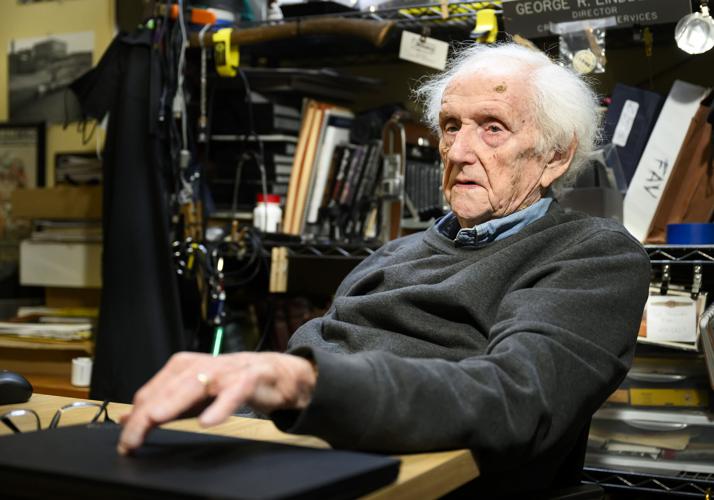

Any conversation with George Lindblade can be derailed by squeals emanating from his ever-present police scanner.
That's because the veteran Sioux City-based photographer and documentarian has been chronicling the community, apparently, since he was 9 years old.
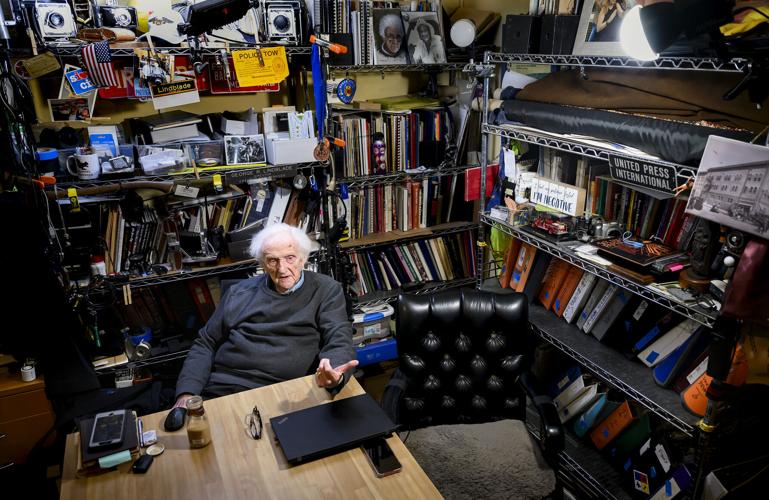
"The first big fire I photographed took place right by my house," Lindblade said, reminiscing in the artfully cluttered back office of his GR Lindblade & Co., which shares space with his wife Lou Ann Lindblade's Sioux City Gifts. "When the Unitarian Church caught on fire, I was there before any of the firetrucks."
"From that moment on, I was hooked on covering news as it happened," the now 86-year-old said with a passing glance. "I always wanted to be where the action was."

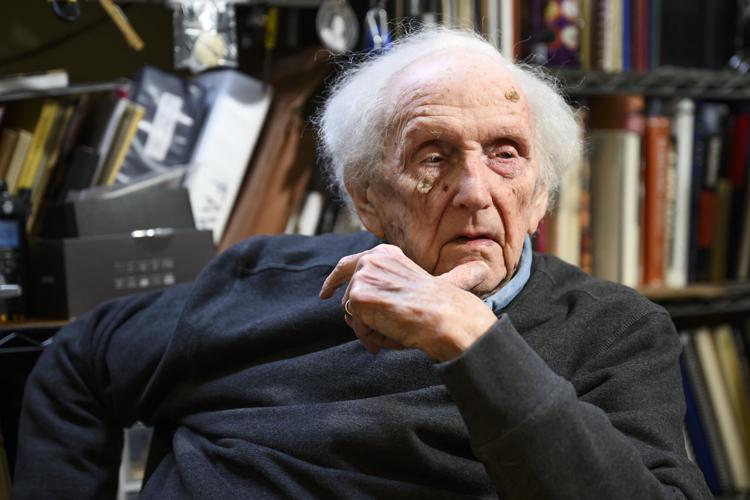
Longtime filmmaker and photographer George Lindblade is the subject of the documentary "Lindblade: Cutting Edge."

Inside George Lindblade's memorabilia-filled office are photos, films and artifacts that come from a nearly 75-year career as a cameraman.
Being on the scene of breaking news
People are also reading…
It's definitely true that for the past 75 years, Lindblade has been an eyewitness to natural disasters, race riots and horrific acts of violence. He was also instrumental in the early careers of legendary anchorman Tom Brokaw, Sioux City-born animator Ron Clements ("The Little Mermaid," "Aladdin," "Hercules") and TV director John Behring ("Blue Bloods," "Law & Order," "FBI: International").
Lindblade's photos have captured everybody from Frank Sinatra in Palm Springs to diamond mine workers in Venezuela to the colorful characters who congregated on Sioux City's historic Fourth Street back when it was "the bad side of town."

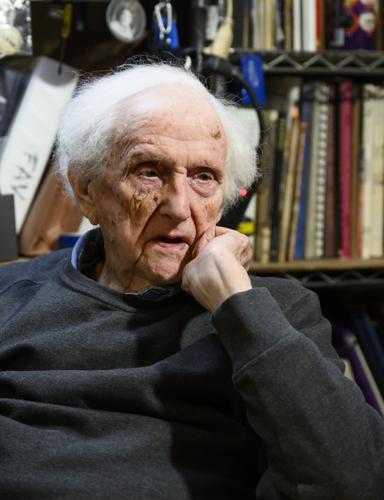
During the course of his career, George Lindblade has been an eyewitness to natural disasters, race riots and horrific acts of violence. On the other hand, the Sioux City-born photographer has even made friends with such show biz vets like Frank Sinatra, Bob Hope and the Marx Brothers.

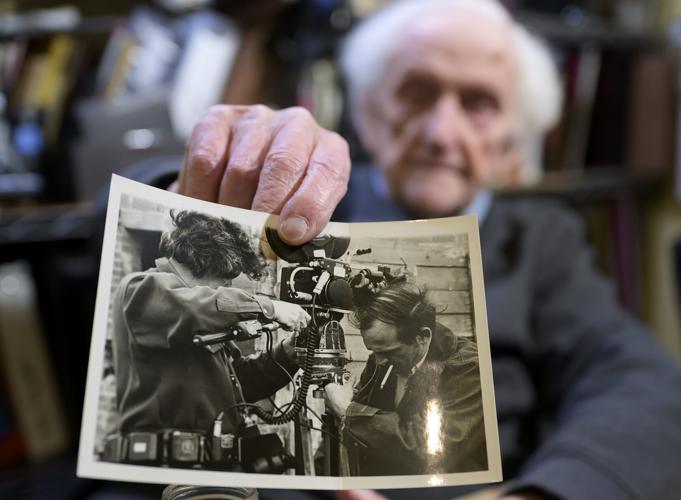
George Lindblade, a long-time Sioux City and California television and still photographer, holds out a photo of him working behind a camera wh…
Pioneer in television journalism
However, his initial claim to fame came in the infancy of television news.
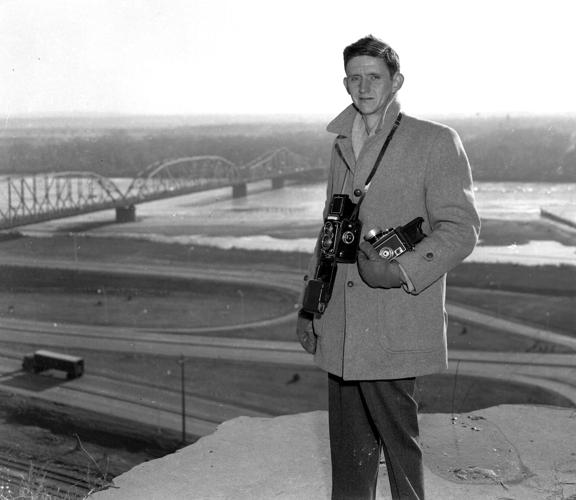
"I went to work for KTIV in 1954, becoming the first cameraman the station ever employed," Lindblade said.
What was the best thing about photographing television news in the early days?
"We were all pioneers because nobody knew what the hell we were doing," Lindblade replied.
And what was the worst thing about being an intrepid TV journalist?
"Nobody would take you seriously," Lindblade said. "If you went to the Sioux City police station, the detectives wouldn't even talk to you until the newspaper guys showed up. You see, newspaper represented the press. TV, on the other hand, was a flash-in-the-pan."
Nevertheless, he was hooked on the new visual medium and was anxious to try his luck out in a warmer climate.

Lifelong Sioux City photojournalist George Lindblade tells the story of becoming the first cameraman KTIV-TV ever employed in 1954. According …

Sioux City filmmaker George Lindblade has captured everything from diamond mine workers in Venezuela to Zenith factory workers in Taiwan over …
A sunny sojourn to Southern California
"In the 1960s, I settled in Cathedral City (a suburb of Palm Springs), bought a camera store and began taking on assignments (as a contract cameraman) for NBC television," Lindblade said.
Then considered a playground for A-List stars, Palm Springs provided an opportunity to rub shoulders with glittery residents.
That included Frank Sinatra, whom Lindblade described as "nice and generous to a fault" as well as Bob Hope, whom he described as being "not very nice and not very generous."
"I met Bob Hope through his script supervisor, who was a girl from South Sioux City," Lindblade said. "I've always said to make it in business, it's not what you know, it's who you know. I connected with Bob Hope through this girl."
Lindblade even befriended the Marx Brothers, who all lived in Palm Springs at the time.
"Harpo and his wife Susan were my favorites," he said. "Harpo's comedic schtick was never talking on stage. Off stage, the guy would talk your ear off."
Lindblade must've had an affinity for comedians. He also enjoyed a friendship with funnyman Red Skelton.
"Red would rehearse and tape his TV show in a hurry at CBS and drive back to Palm Springs, which he preferred to Hollywood," Lindblade said. "The guy was just salt-of-the-earth and completely unpretentious."
While he enjoyed the California lifestyle, Lindblade was ready to return home.
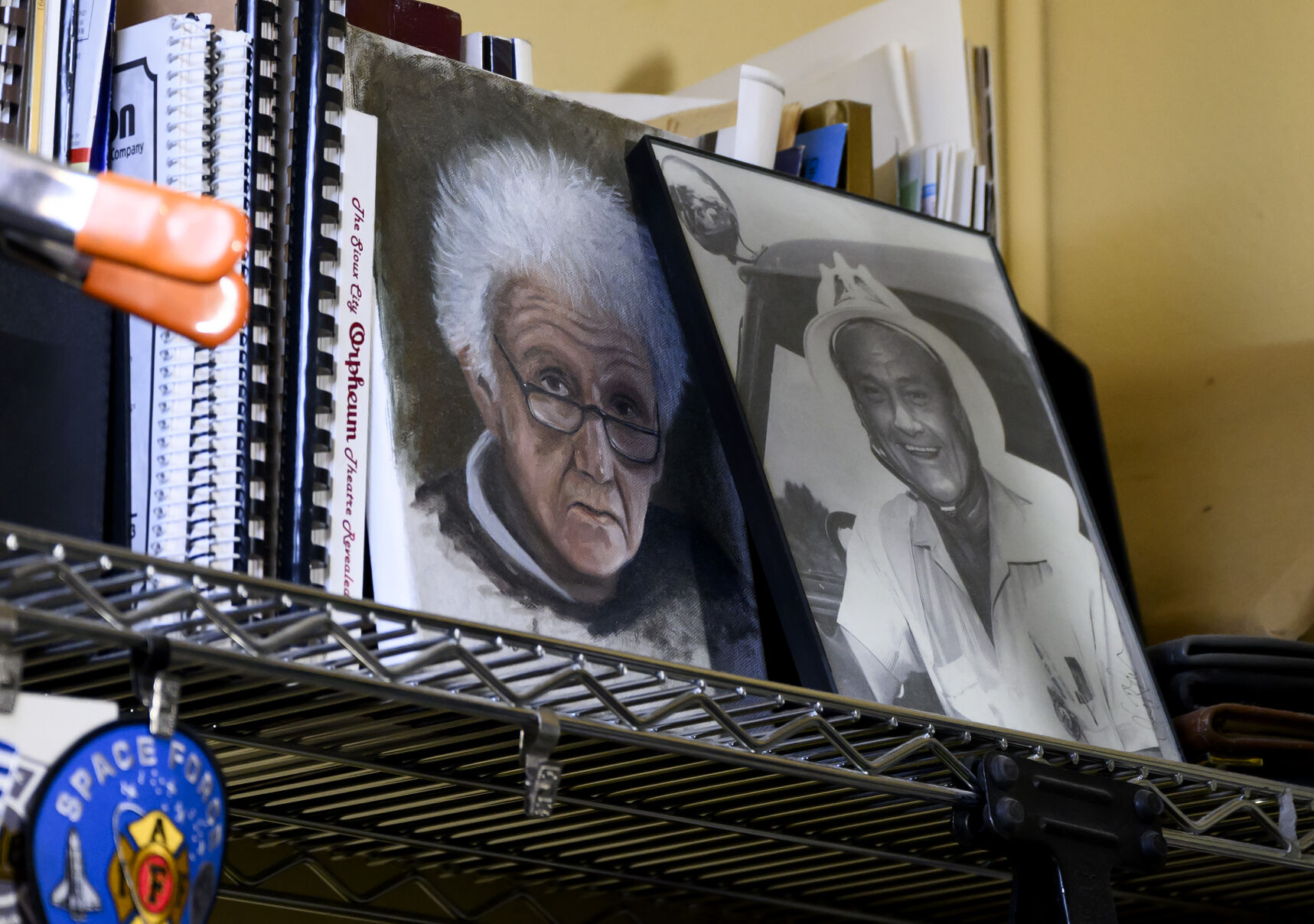
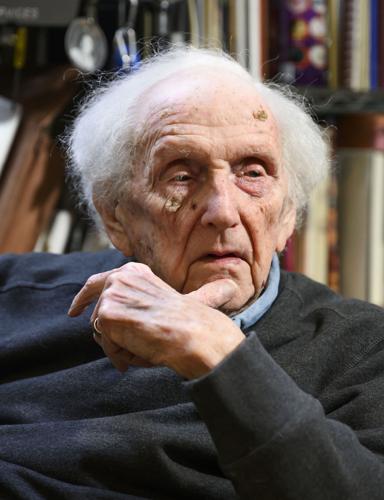
A portrait of George Lindblade, a long-time Sioux City and California television and still photographer, is displayed next to a photo of comed…

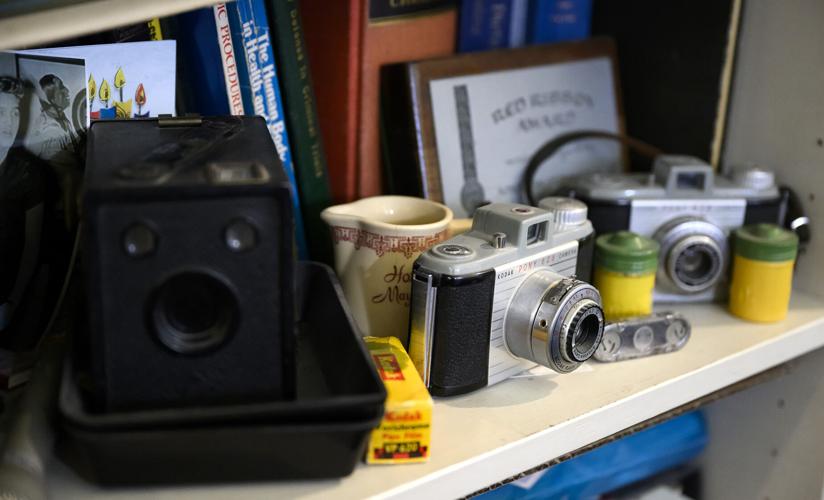
Vintage cameras once used by George Lindblade, a long-time Sioux City and California television and still photographer, are shown on a shelf d…
The golden age of Sioux City news
Upon returning to Sioux City, Lindblade went to work at KMEG-TV before moving to KCAU-TV, where he was in charge of the station's creative services department.
"(Station manager) Bill Turner was intent on making KCAU the best ABC affiliate in the country," he said. "(Turner) had that ambition and he made it work."
It helped that Turner also had a healthy budget.
"The 1970s was the golden age of TV news in Sioux City," Lindblade said. "I remember we had 47 people who were working in the newsroom at the time. Nowadays, they don't even have that many people working in the entire station."
In the end, Lindblade covered everything from 1973's Wounded Knee incident when approximately 200 Oglala Lakota members seized and occupied Wounded Knee, South Dakota, to stories as far away as Hong Kong.
"Turner never said no to anything," he said. "Turner wanted the best and that's what we gave him."
According to Lindblade, Turner also had one very strict rule.

George Lindblade is shown in this 1950s photo. As a cameraman at KTIV-TV at the time, Lindblade uses both a still camera and a movie camera wh…

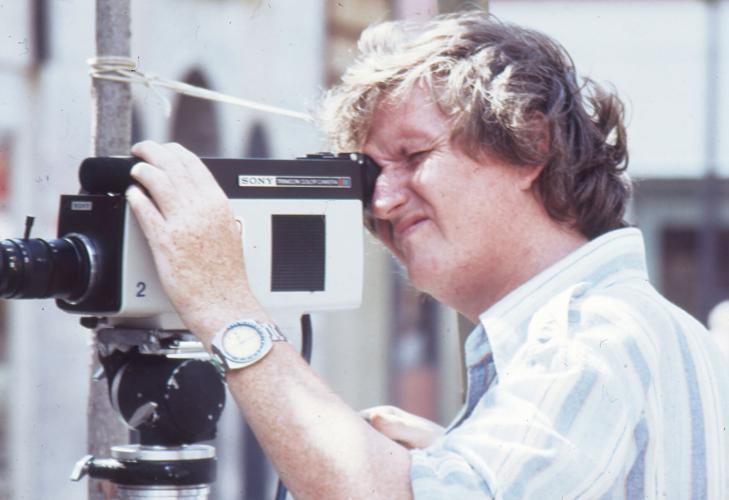
George Lindblade is shown in Hong Kong in this photo from the 1970s. Lindblade was employed at KCAU-TV in Sioux City at the time.
No 'lifers' allowed
"Bill didn't want any lifers," he said. "You learned the ropes at KCAU and, then, you moved on to bigger and better things."
That was the case with Ron Clements, whom Lindblade said started working at the TV station while still in high school.
"I think we all realized how talented Ron was at a very early age," he said. "Ron came from very modest means and he asked us if we could lend him some film to use."
"Ron used the film to animate stuff that later became the basis of (Disney's) 'The Black Cauldron' and 'The Great Mouse Detective,'" Lindblade remembered. "It wasn't too long after that when he left us for California."
To be perfectly honest, Lindblade did use his California connections in setting Clements up with a gig at the Hanna-Barbera TV animation studio.
"We had a lot of very talented people who've passed through Sioux City on their way to success on either the East or West Coasts," Lindblade said. "Must be something in the water."
Taking advice from Turner, Lindblade, too, left KCAU for greener pastures.

George Lindblade, circa the 1970s.
A consummate becomes a documentarian
"I began G.R. Lindblade & Co. in 1982, doing still and video assignments for various businesses," he said. "I'm also involved with a business that provides props for movies and television."
If that isn't enough, Lindblade has made countless documentaries that examine the history of Sioux City.
Often in collaboration with his wife Lou Ann, Lindblade's films have covered everything from the restoration of the Orpheum Theatre to the loss of meat production at the Stockyards.
Seated at a table inside his office, Lindblade continued to hold court with a bottled cappuccino drink in one hand and the buzzing police scanner in the other.
"I've always wanted to be where the action was," he said with a shrug. "I've never wanted to miss a thing."
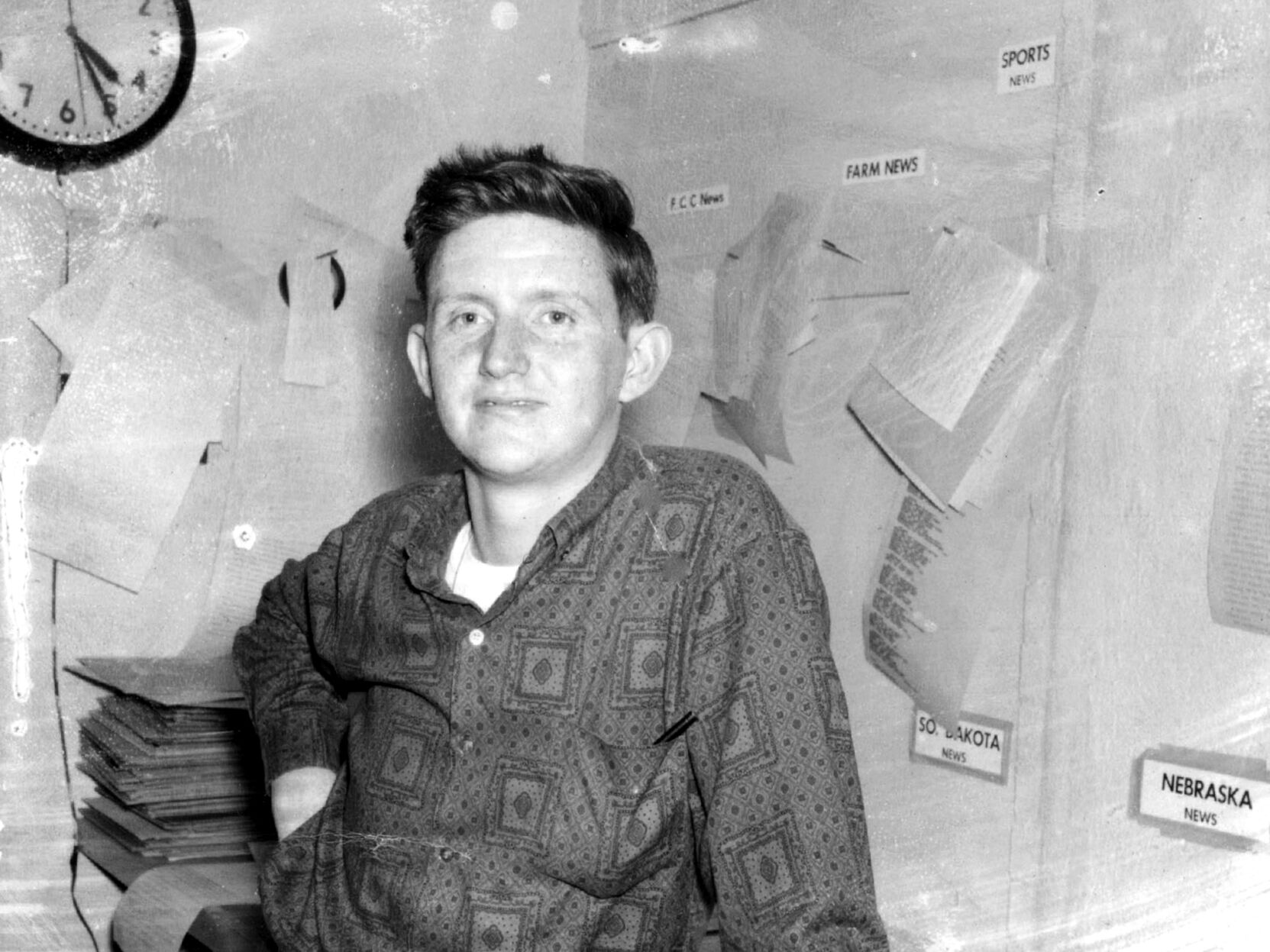
George Lindblade is shown at KTIV Television in this photo shot shortly after the station first went on the air in 1954.