
SIOUX CITY -- Why is saving money so -- not fun?
In the United States, some 24 percent of working households reported less than $1,000 in savings in 2017, according to a survey by the Employee Benefit Research Institute (EBRI). And while about 6,100 Americans turn 65 every day, and while those who retire can expect an average of 18 years of no work, only about 18 percent of employees feel very confident about having enough money to live comfortably in retirement.
Laura Pratt, branch manager at Security National Bank's Morningside branch, says that people tend to like the immediate gratification of buying versus the delayed gratification of socking money away. Saving for tomorrow is something squirrels do -- people tend to be better at spending.
"I think it's procrastination, that people would rather live for today instead of thinking about their needs for tomorrow," Pratt said. "And it's just easier to not plan and set up a budget, and (not) recognize the important and value of forgoing a satisfaction now for a greater one tomorrow."
People are also reading…
But winter usually comes around one way or another, and the squirrels that did a good job stocking up on walnuts often live to see the spring. Likewise the people that didn't blow all their money when the getting was good.

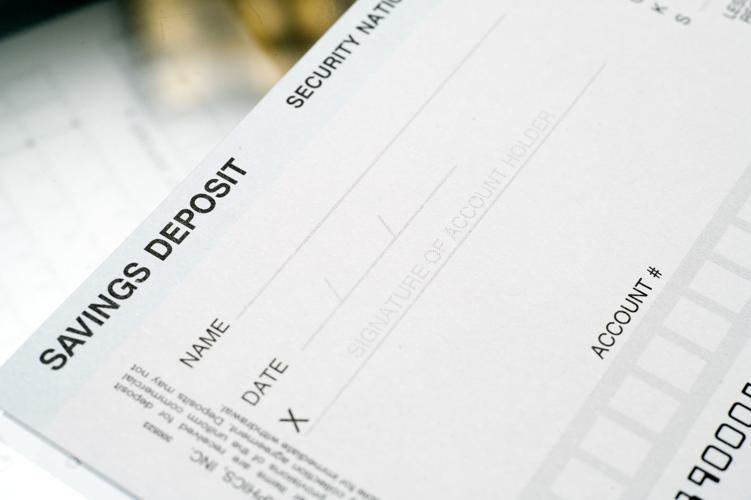
A savings account deposit slip is shown at Security National Bank's Morningside location. Ideally, people should aim to have a savings fund of three- to-six months' income.
What should people who aren't good at saving money do? While Pratt said that every customer's situation is different -- a young person with a smaller income will need to save a different amount than an older person approaching retirement -- yet there are a few strategies that can work for broad swaths of people.
Pretty much everyone, for instance, should (ideally) have some kind of emergency fund.
"You need that three- to-six month savings for emergencies," she said. "So, as difficult as it is, I think you have to prioritize -- I hate to say it, but the premium cup of coffee, you know -- you have to make some changes to your lifestyle so that you can put whatever small amount you can."
Pratt suggested people split their money in a 20-50-30 fashion: 20 percent of income devoted to savings, 50 percent to necessities (including housing, food, debts and so forth) and 30 percent to discretionary spending.
If a person's income does not allow for this ratio, Pratt said discretionary spending should be the first area to be cut, even if that means making "lifestyle changes."

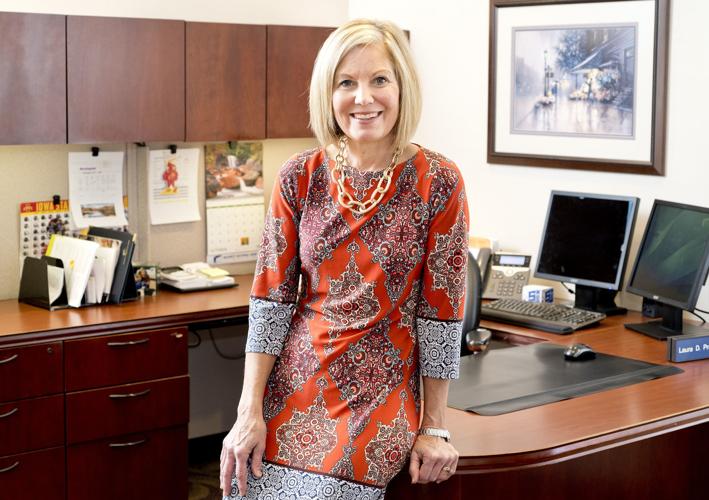
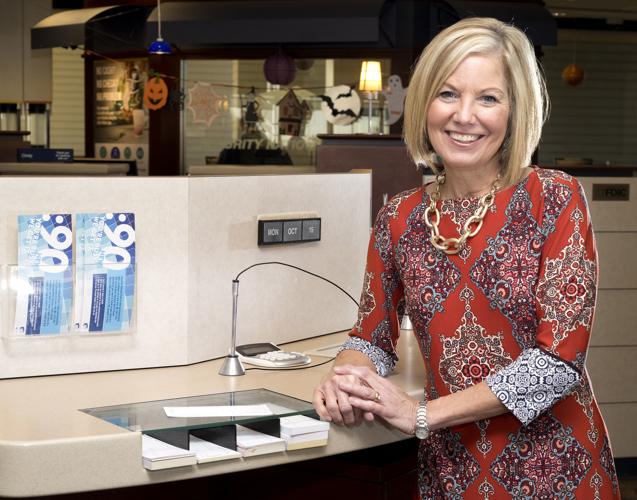
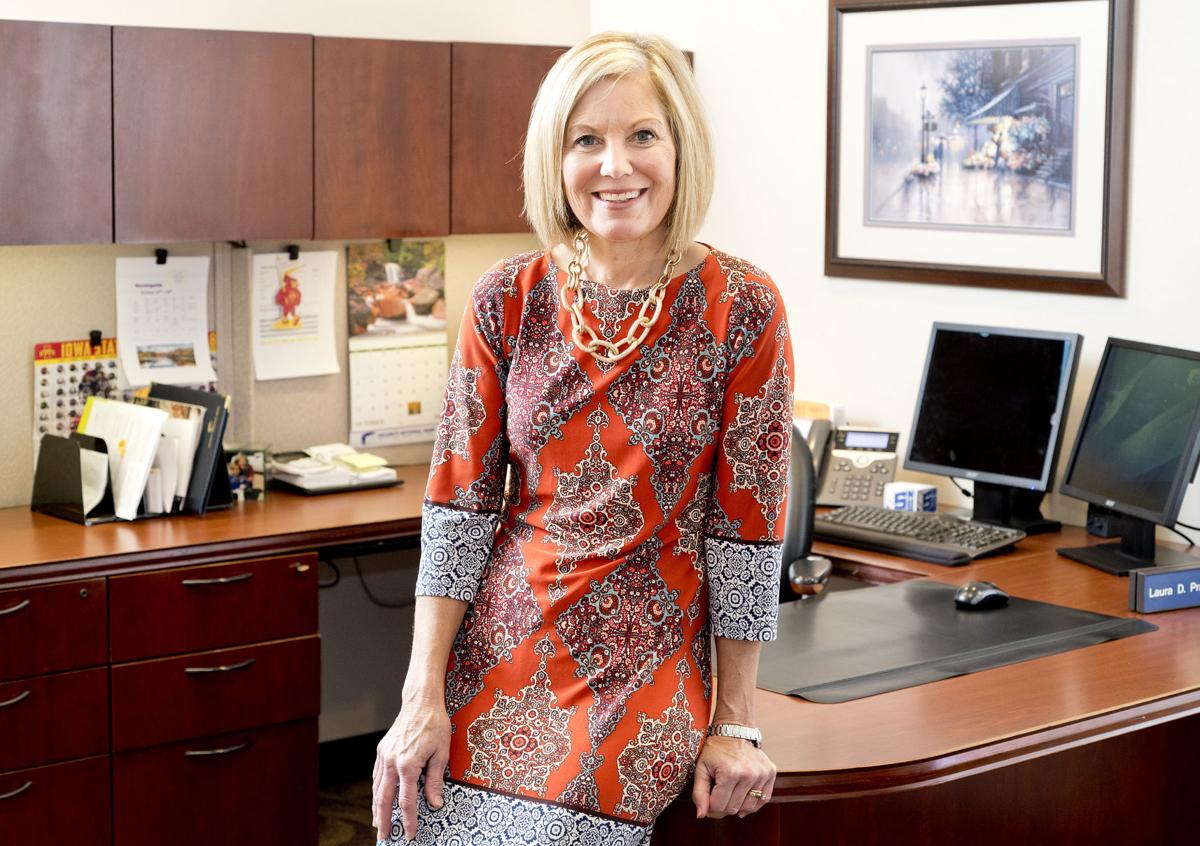
Laura Pratt, branch manager of Security National Bank's Morningside location, is shown last October. Pratt suggests people try a 20-50-30 spending ratio: 20 percent of income for savings, 50 percent for necessities (including housing, food, debts and bills) and 30 percent for discretionary spending.
What if a person is 50 or 55, and has saved almost nothing, or nothing flat, for retirement? Don't despair -- but it is time for some intensive saving.
"Any day is a good day to start, so we don't want to discourage them, or have them feel like it's worthless to begin a plan, you may just have to be a little more aggressive," Pratt said. People at this age who have debts may need to look into refinancing and cutting monthly expenses as well.
Copyright 2018 The Sioux City Journal. All rights reserved. This material may not be published, broadcast, rewritten or redistributed.

Mason Dockter
Assistant News Editor