
What are they using to treat the Zika virus? If we got it, how would we know?
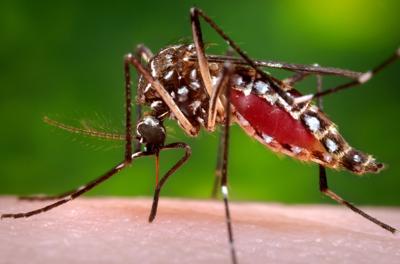
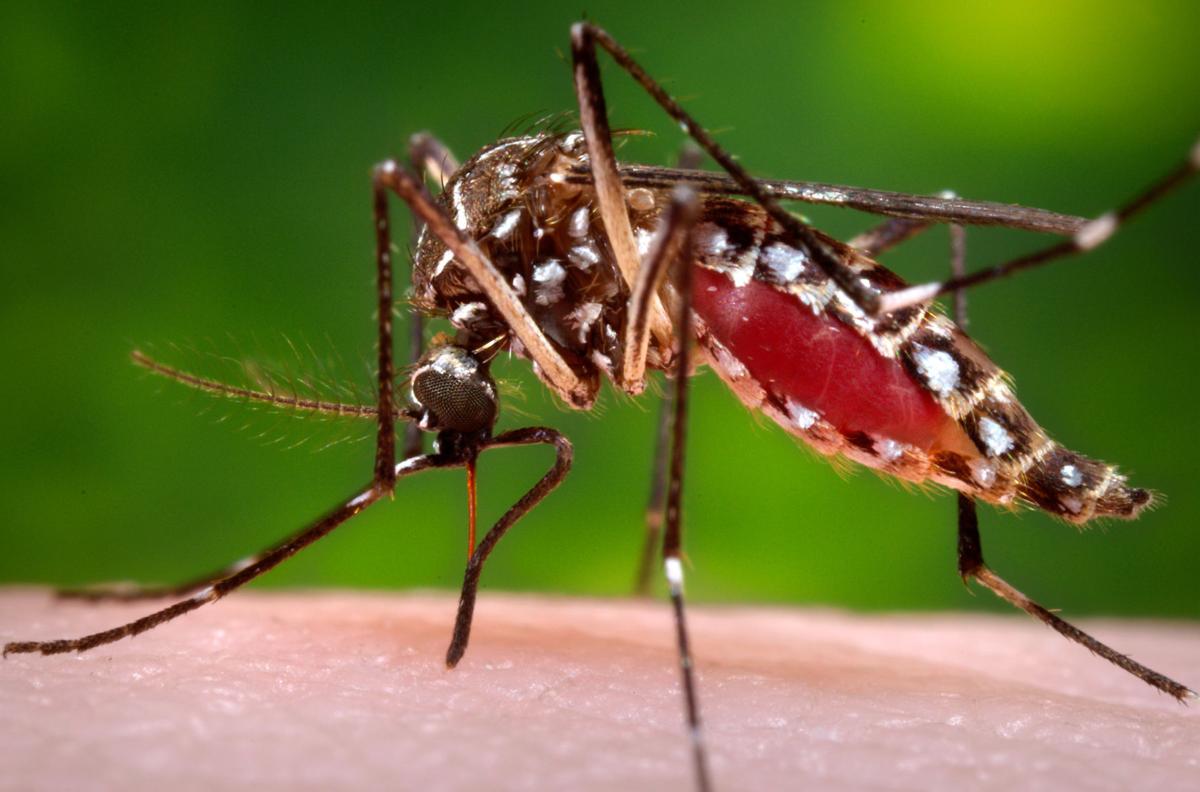
Zika is a virus transmitted by mosquitoes and is related to other viruses of similar type including the dengue virus, yellow fever virus, and West Nile virus. Symptoms of the Zika virus are fairly non-specific (like most viral infections) and can include low-grade fever, rash, joint pains in the hands and/or feet and pink-eye-like symptoms.
However, symptoms from a Zika virus infection only occur in about 20 percent of those infected. Therefore, about 80 percent of those with a Zika virus infection never have any signs or symptoms.
Most of us know about the Zika virus because of the associations between pregnant women who are infected with the virus and the development of microcephaly (poor brain development and resultant small head) in the baby.
People are also reading…
The danger of this virus comes from the reality that most infections in adults are asymptomatic, so most of the time we don’t even know we are infected. The only way to definitively know an individual is infected is to check for the virus or evidence of the virus in the blood, urine or other bodily fluid.
The Zika virus is transmitted by mosquitoes but if a human is infected, the human can transmit the virus to other humans in a variety of ways including from mother-to-baby across the placenta in the uterus, through sexual intercourse, blood transfusions, organ transplantation and/or exposure in the laboratory.
There are no specific treatments or vaccines for the Zika virus currently. Therefore, prevention of the infection and its spread to others is of key importance. Prevention includes wearing mosquito repellent and long-sleeved shirts and pants when outside where mosquitoes are present.
General treatment for the infection is supportive and includes rest, staying well-hydrated to prevent dehydration and acetaminophen (Tylenol) as needed for aches, pains and/or fevers.
Every night before bed I start to get a throbbing headache. What causes that? Is it something about the time of day? Or is it related to something I ate?
It could depend on what you’re doing in the few hours before you go to bed. It could be a sign of dehydration. Depending on whether you have a history of migraines, it could be related to migraines. I would need more information to be able to say what type of headache it might be.
There are three main types of “primary” headaches: headaches that aren’t due to something else such as bleeding in the brain, increased pressure in the brain or a brain tumor, etc. The three main types of primary headaches are tension-type, migraine and cluster.
Tension headaches tend to be dull and non-throbbing whereas migraine and cluster headaches tend to be more throbbing but can vary from person-to-person. I would recommend following up with your doctor for an evaluation to determine what type of headache you have because the treatments differ depending on the type.
However, in the general sense, staying well-hydrated, getting plenty of rest, avoiding any abrupt changes in caffeine use or pain medicine use (even over-the-counter medication) can prevent headaches.
Some people get recurrent headaches by actually taking pain and/or headache medicine too often. If you have a history of migraines, avoid anything that seems to trigger the headaches. If you suddenly have any new signs or symptoms compared to the usual signs or symptoms of your headaches, you should be evaluated by a physician.
If you sprain your ankle, could you just wear compression socks instead of one of those bandages? Or does the bandage do something else that the socks don’t?
Wearing compression socks does not give the ankle joint itself any support or stability. Compression socks really only help for decreasing swelling. Braces, splints, boots and casts are what give your ankle added stability and/or support if needed.
If you have a mild ankle sprain with swelling, wrapping your ankle with an elastic wrap or compression stocking could be sufficient and wouldn’t necessarily require any additional support or immobilization for healing.
However, if your sprain is more moderate to severe, having that extra support from a splint, brace, boot or cast would be helpful to promote healing of the sprain.
What causes COPD? Do you have to be a lifelong smoker to get it? Or are there other things that interfere?
Great question! COPD stands for chronic obstructive pulmonary disease and can be caused by a number of different things, but smoking is the No. 1 cause by far.
The term COPD includes the disorders emphysema and chronic bronchitis as well. Some other causes of COPD include long-term exposure to chemicals, dust or particulates in the air. COPD affects as much as 5 percent of the U.S. population and is the third-leading cause of death in the U.S. killing more than 120,000 people each year!
The severity of the COPD is generally related to the amount and duration of smoking (people who smoke more cigarettes per day and for more years tend to have worse COPD). However, even having smoked at all in the past puts one at risk for developing COPD; you definitely do not have to be a lifetime smoker to get COPD!
There are cases where people can develop severe COPD who may only have smoked just a few years, and then there are cases where people who may have smoked heavily over their entire lifetime develop only minimal to no symptoms of COPD.
Unfortunately, COPD is a chronic disease and is not reversible but there are medications that can be used to help treat the disease. Sometimes supplemental oxygen is needed as the severity of the disease worsens. So, PLEASE stop smoking now if you are currently a smoker. I’ve seen so many people who were former smokers or who are current smokers suffer from COPD; it literally suffocates a person and is not a pretty picture.
Even if you are a smoker, by stopping smoking you can decrease your risk of developing COPD, or if you already have COPD, stopping smoking can also decrease the progression of the disease.