


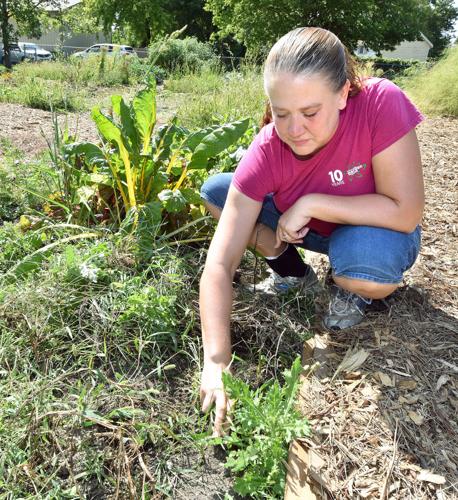
SIOUX CITY | Gardening isn't only reserved for spring and summer.
Laurie Taylor, a Master Gardener, said fall is actually a great time to plant trees, shrubs and even perennials.
"A lot of people think of spring as planting time and they don't understand the additional benefits of planting in the fall," she said. "Everybody gets spring fever and everybody's kind of worn out by fall."
If you don't take the following steps, what you plant has a greater chance of being stressed come wintertime.
The key to planting in the fall is making sure your flowers and plants are watered well before going into the winter, according to Taylor.
"We don't want anything going in dry because it will get really stressed with the cold winter temperatures," she said.
People are also reading…
Taylor said placing mulch around plants also helps reduce injury. She recommends placing chicken wire or tree wrapping around tree trunks to prevent rabbits and deer from causing damage.
Upkeep on the things you planted during the springtime will vary based on what type of green space you have.
Lawn
Be sure to check your soil to make sure you're not over-fertilizing.
Taylor recommends purchasing a soil test kit from Woodbury County Extension rather than purchasing an over-the-counter kit at a store, which she said isn't as accurate. The test kits cost $8 to $15. Collected soil samples are sent to the Iowa State University laboratory for examination. Both the homeowner and the Woodbury County Extension office receive a copy of the results.
Taylor said you'll want to mow blue grass varieties at 2 to 2 1/2 inches when temperatures begin to cool.
"If they raise the mower up higher during the summer because that's the general recommendation -- to raise it up about half an inch to help it get through drought a little bit better -- then they'll want to lower it down that half an inch going into fall," she said.
Taylor said late September to early November is a good time to use a broadleaf herbicide to control weeds. Oftentimes, she said homeowners can actually get better weed control in the fall than in the spring. If you've newly seeded your lawn, Taylor cautions to wait to apply herbicide until you've mowed your lawn two or three times.
Flowers
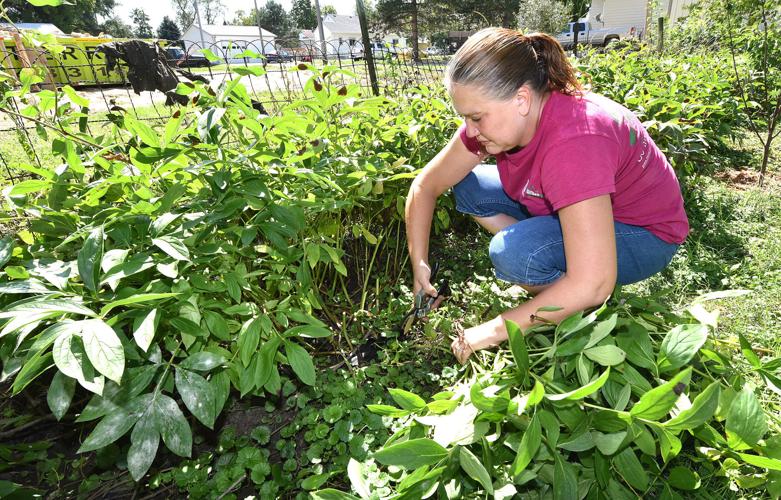
Whether to clean flower beds in the fall or wait until spring is heavily debated, according to Taylor.
She said it really depends on personal preference.
"Some people just prefer the neat and tidy look all the time," she said. "But a lot of times if you leave it until spring, especially things that might not be quite as hardy here may survive the winter a little bit better because it provides insulation."
Never leave plants that are diseased or have heavy insect damage. Taylor said those plants should be cut back and disposed of.
"That way it reduces the chance of things overwintering in the soil and becoming a bigger problem next year," she said.
Canna, dahlia and gladiola bulbs should be dug out and stored for the winter.
Dahlias and cannas should be trimmed to just 2 feet off the ground after the first frost, Taylor instructed.
"Let them sit in the garden to kind of cure the bulb for a week or two," she said. "Then you would cut it off right above the bulb and then dig them out with a shovel, rinse them off, let them air dry out really well. Then you can store them in peat moss, sawdust or wood chips."
Check the bulbs once a month in the winter, throwing out and bulbs that are soft or look moldy to prevent the other bulbs in the box from spoiling.
Gladioli can be trimmed and then dug out. Store the bulbs the same way as you would dahlia and canna bulbs.
Vegetable garden
Taylor said she's been known to be outside cleaning a vegetable garden in the freezing cold.
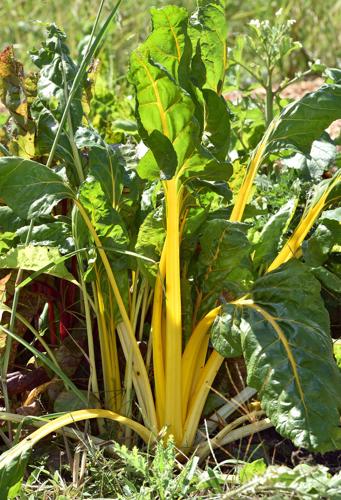
Clearing the beds of material damaged by insects and diseases is important, as both can overwinter in the soil.
"A lot of the material can be composted. With tomatoes, just because they carry so many diseases, usually we recommend throwing those away," Taylor said. "Just make sure it's cleaned up before the snow starts flying."