


SIOUX CITY -- Some diseases wax and wane with the changing of seasons.
Runny nose, itchy eyes, sinus congestion and sneezing are common symptoms of a ragweed allergy, which many people who suffer from seasonal allergies experience in the fall.
Unfortunately, these symptoms are synonymous with the common cold, and, even the novel coronavirus.
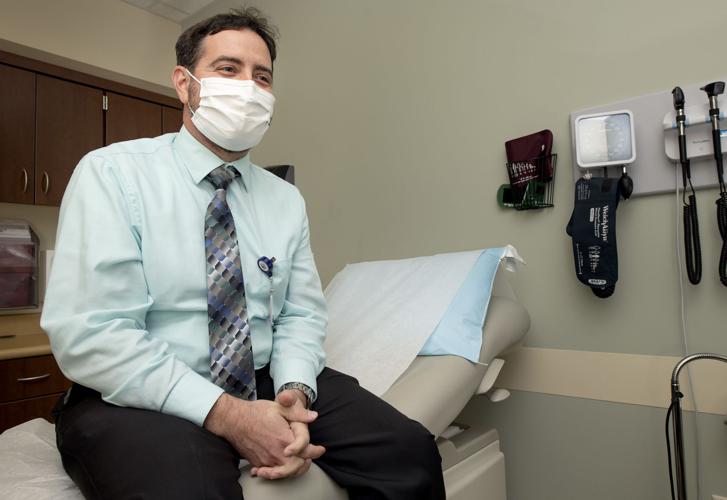
"COVID-19 can run the whole spectrum from a pretty mild illness to pretty severe. In its milder forms, it's more difficult to distinguish it from allergies to common cold to sinusitis," said Dr. Stephen Pallone, a physician at UnityPoint Health -- St. Luke's Sunnybrook Medical Plaza.
Pallone said trying some over the counter antihistamines and nasal steroids may alleviate allergy symptoms first, but if you don't see any improvement within a week, he said it's time to pay your health care provider a visit.
People are also reading…
If you know you are sensitive to ragweed, Pallone suggests taking allergy medications that have worked for you in the past ahead of the season. He said Loratadine and Cetirizine are popular antihistamines.
"That will typically do a good job of preventing symptoms," he said.
After the leaves have fallen and the snowflakes begin to fly, respiratory illnesses ramp up. Pallone said this is because people spend more time indoors in close proximity during the winter months.
Most respiratory viruses are spread through droplets, which are expelled when an infected person coughs or sneezes. People standing close by then inhale those droplets or touch a door handle or table, for example, that the droplets have landed on.
"Then, they touch their face or their eyes or their nose and then inoculate themselves with one of those viruses," said Pallone, who said respiratory syncytial virus is commonly diagnosed in young children in the winter, while influenza, COVID-19, parainfluenza, rhinovirus and adenovirus are common in all populations. "We also do see some more norovirus, which can cause digestive issues, diarrhea. That's pretty easily spread by hand to mouth contact."
Pallone said good handwashing is "always the best defense" against respiratory viruses. He said vaccination against influenza, well as COVID-19, is also key to staying healthy.
"It's not always as effective as we would like it to be, but it can be helpful for reducing the severity of illness, keeping people out of the ICU, reducing the risk of death," he said of the influenza vaccine. "And, it's always an option to wear a mask -- that reduces the amount of droplets that get put into the air to infect other people."
As the snow melts and the grass turns green, pollen allergies crop up. Tick- and mosquito-borne illnesses become problematic, too, according to Pallone.
Taking antihistamines ahead of the spring season, he said, will help curb allergy symptoms.
To stave off Lyme disease, which produces symptoms such as malaise, muscle aches, joint pain and a target lesion on the skin, Pallone recommends wearing long, light clothing and a DEET-containing repellant in tick infested areas. He also recommends using a flea and tick preventative on Fluffy and Fido to keep them from bringing one of these pests indoors.
"It's not uncommon for people to be exposed to ticks either through their pets or just through a walk in the park or something like that and not realize that they've been bitten by a tick," Pallone said.
West Nile virus, a mosquito-borne illness, typically circulates in Northwest Iowa from late summer into early fall.
Most cases of West Nile virus are mild and go unreported. Those people who do develop symptoms may experience fever, tiredness, muscle aches, skin rash, swollen lymph nodes, nausea and abdominal pain for three to 10 days.
"In its more severe forms, it can cause encephalitis, which can often start out as headaches and progress to some confusion," Pallone said.
He said keeping your skin covered with long pants and sleeves; wearing insect repellent; avoiding the outdoors at dusk and dawn, popular mosquito feeding times; and eliminating standing water on your property are all ways to protect yourself from contracting West Nile virus.