
SIOUX CITY -- When Cone Park opened in 2017, Sioux City Parks and Recreation Director Matt Salvatore said he and the rest of the staff faced a bit of a learning curve. With a second year of winter operation now on the books and a third year on the horizon, Salvatore said any remaining wrinkles have been ironed out.
"We're excited for the upcoming winter," said Salvatore, who noted that attendance has been "very consistent" from the inaugural year through the park's second year.
More than 20,000 people visited Cone Park during its first winter of operation, which stretched from mid-December to March 11, 2017. Salvatore said Cone Park's tourism draw has been "a pleasant surprise."
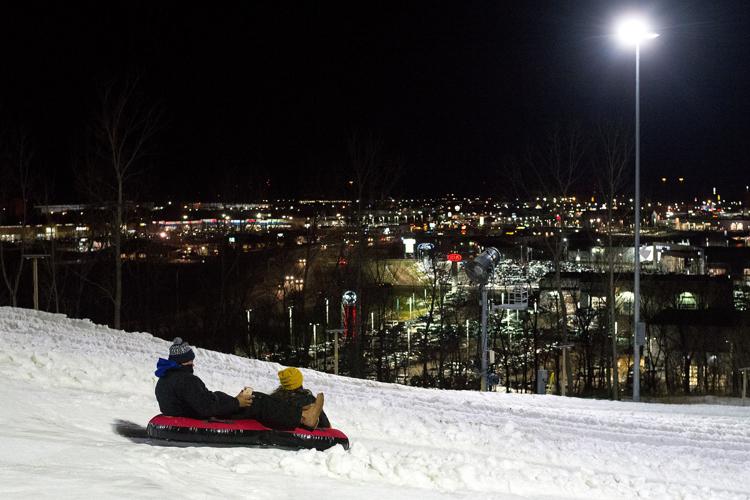
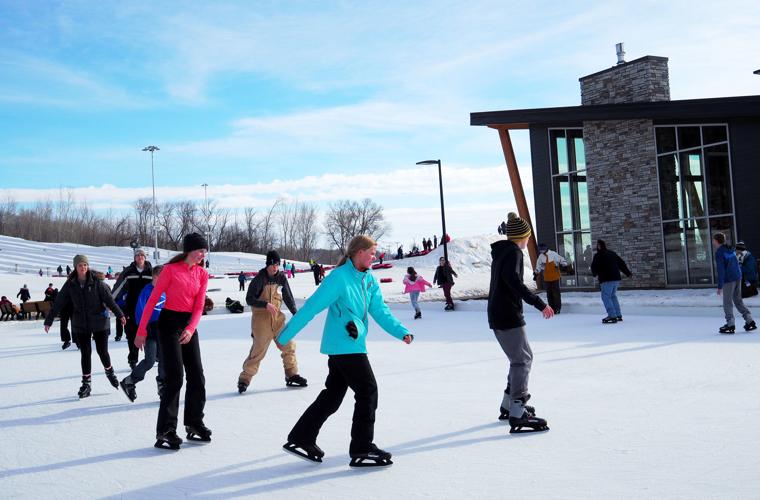
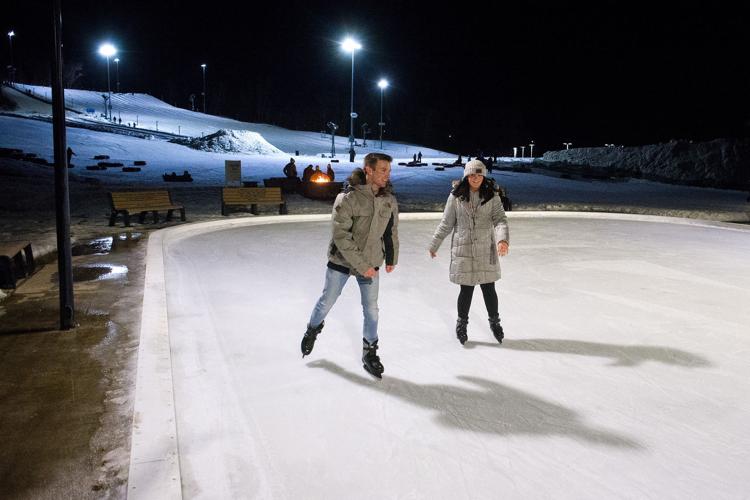
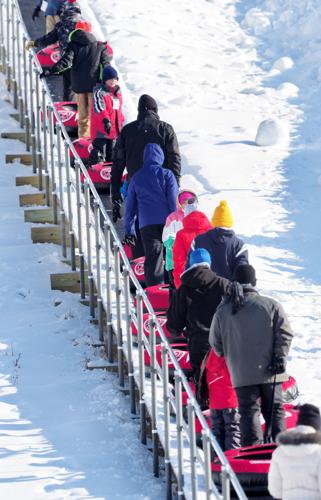
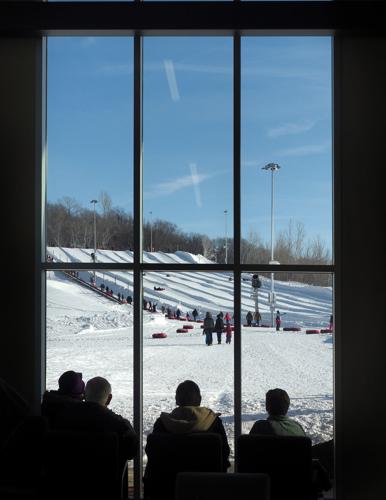
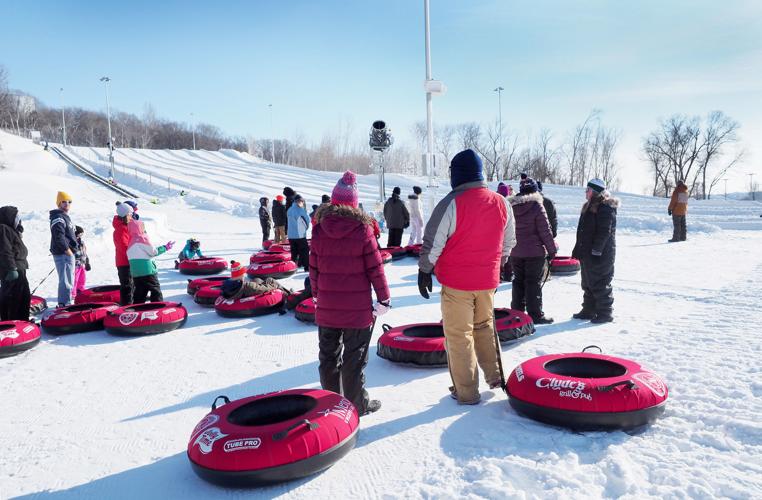
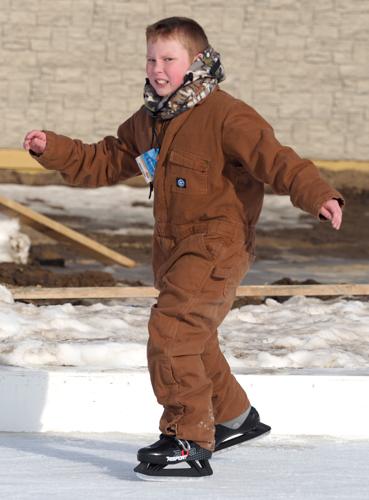
Cone Park, 3800 Line Drive, boasts a 700-foot tubing hill, refrigerated 5,400-square-foot ice skating rink, fire pit and day lodge. In the summer months, the rink is converted to a splash pad. Visitors also have access to a two-mile trail loop.
[Cold, but fun: Cone Park workers like winter rec jobs.]
"Especially during Christmas break, we're seeing people from all over the country," Salvatore said. "We weren't sure going into this project how far out we were going to reach, but we are seeing people from the tri-state area. People are driving upwards of a couple hours to come to Cone Park, staying in hotels and everything else."
People are also reading…
In February, the Iowa Tourism Bureau and the Travel Federation of Iowa bestowed the 2019 "outstanding attraction" honor on the all-seasons park. Salvatore said he was "very appreciate" of getting that recognition.
"Of all the new attractions that have been added to the state for the larger cities, we were selected as the top. It just goes to show you how much of an impact Cone Park has not only had on the Siouxland region, but also the entire state," he said.
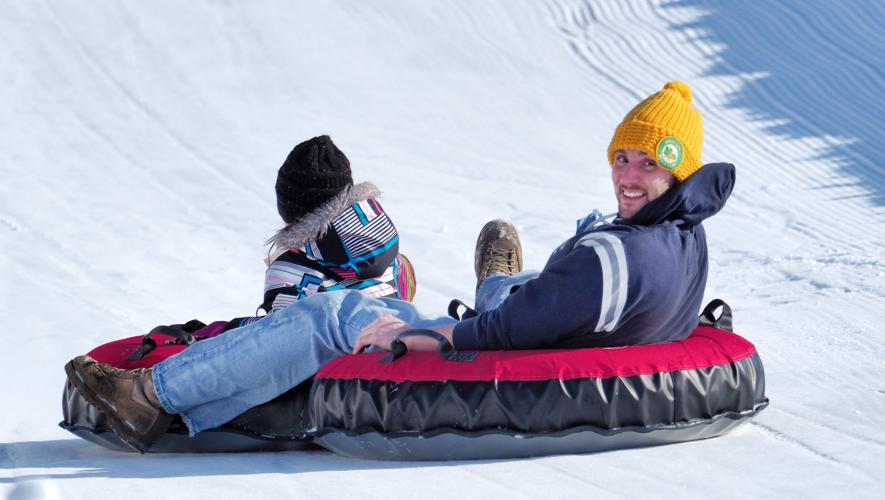
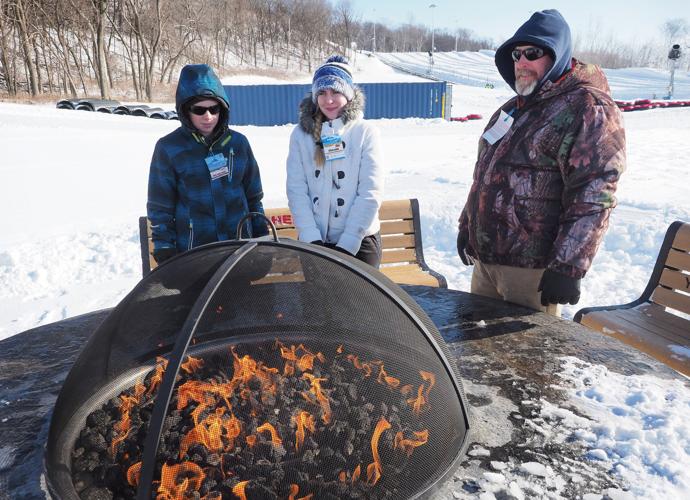
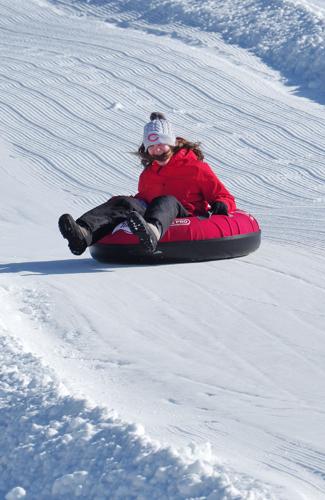

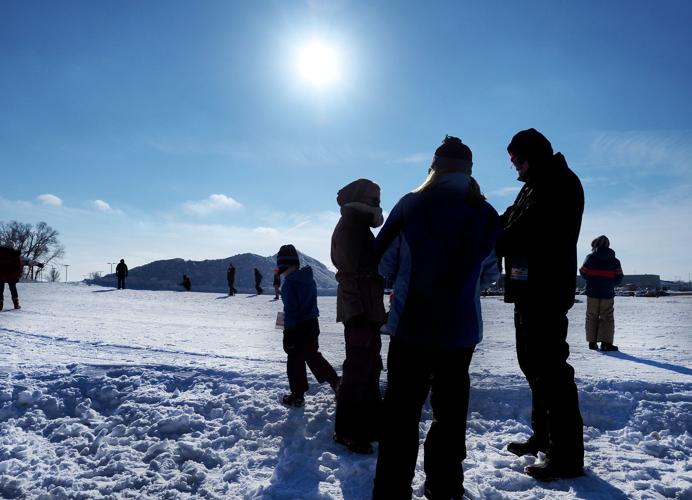
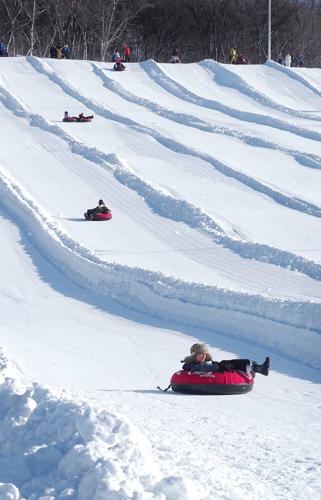
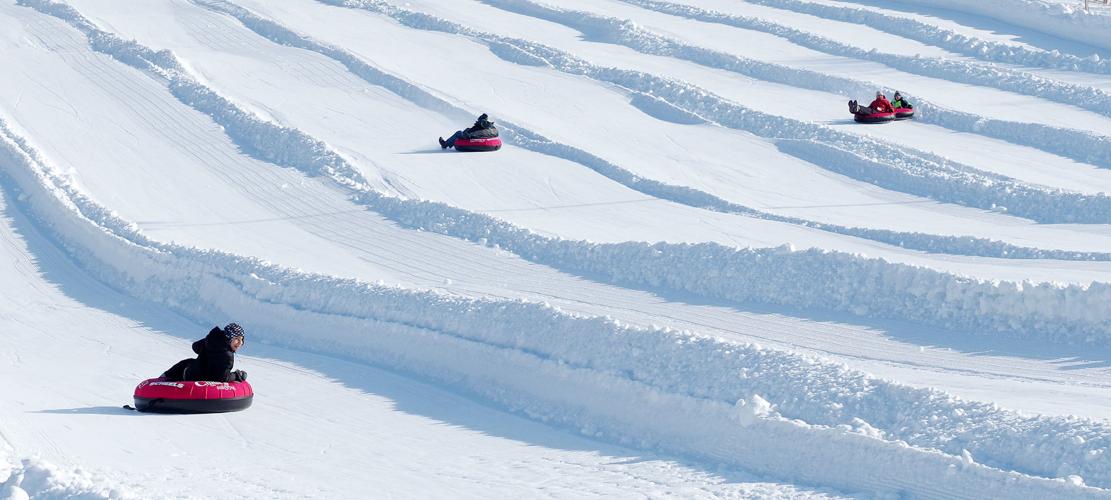
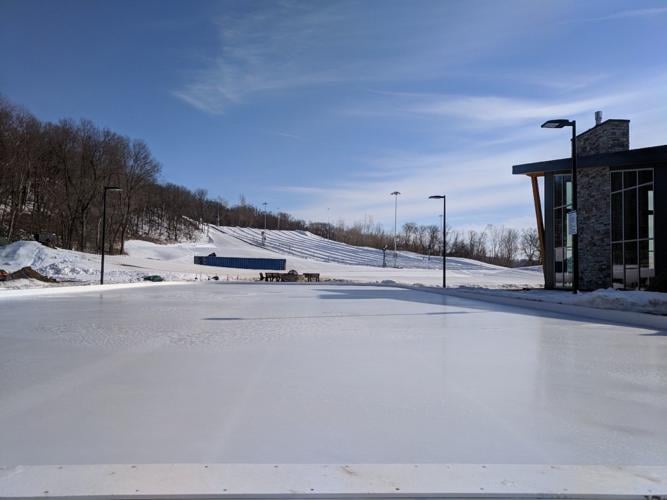

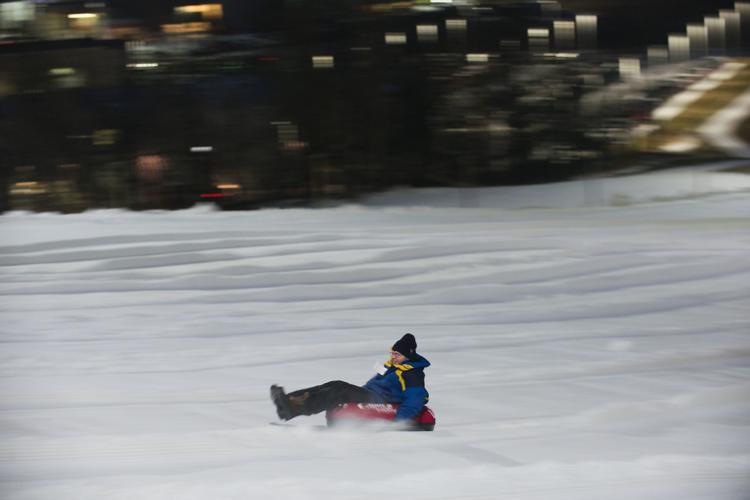
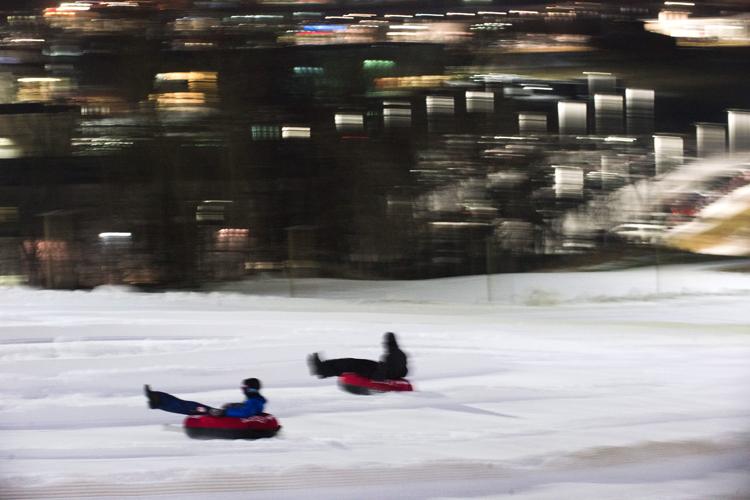
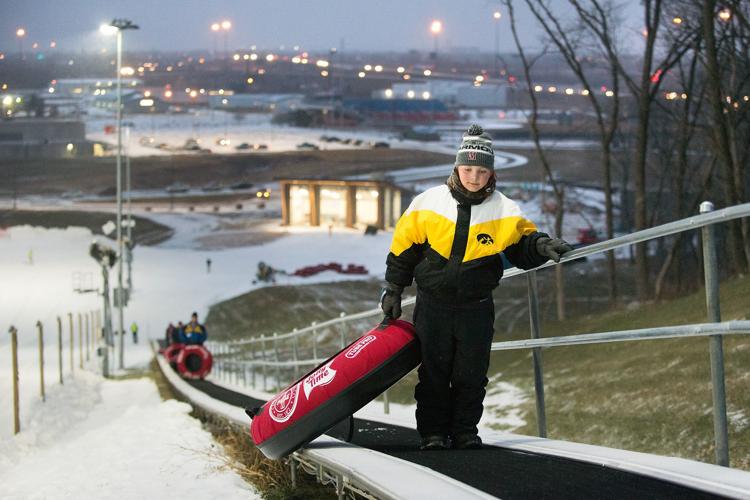
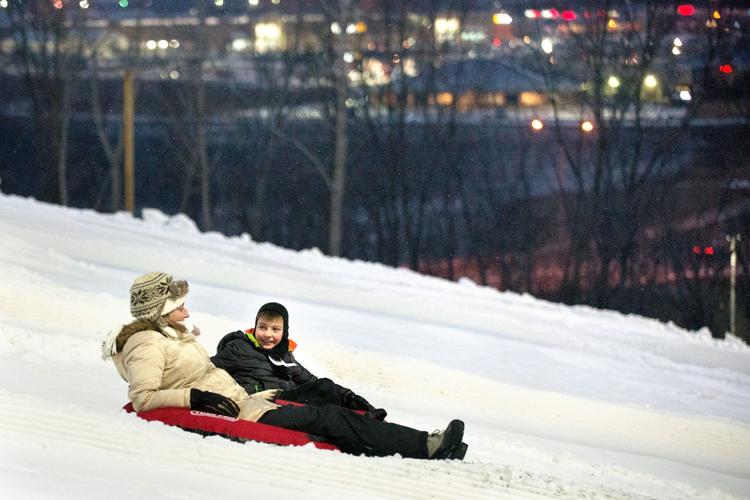
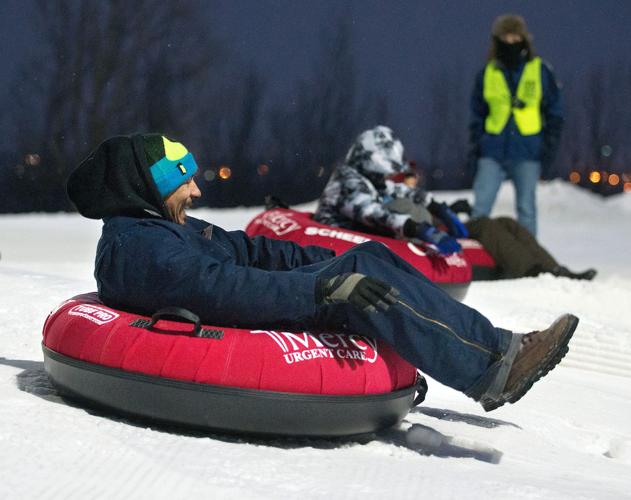
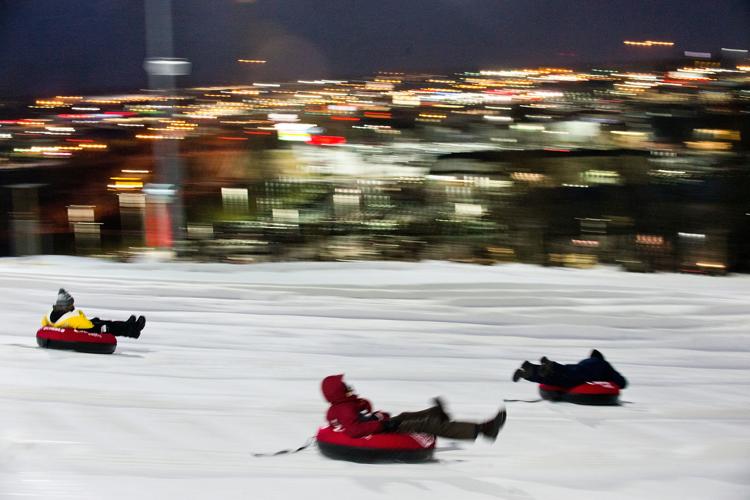

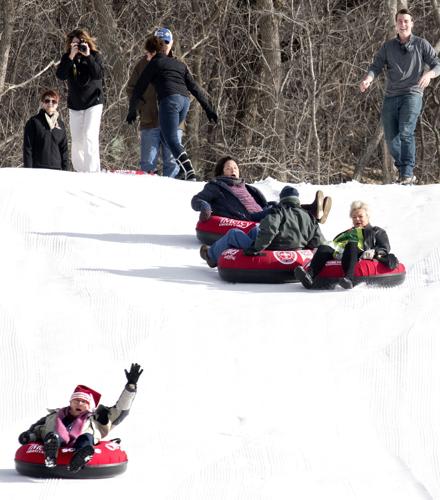
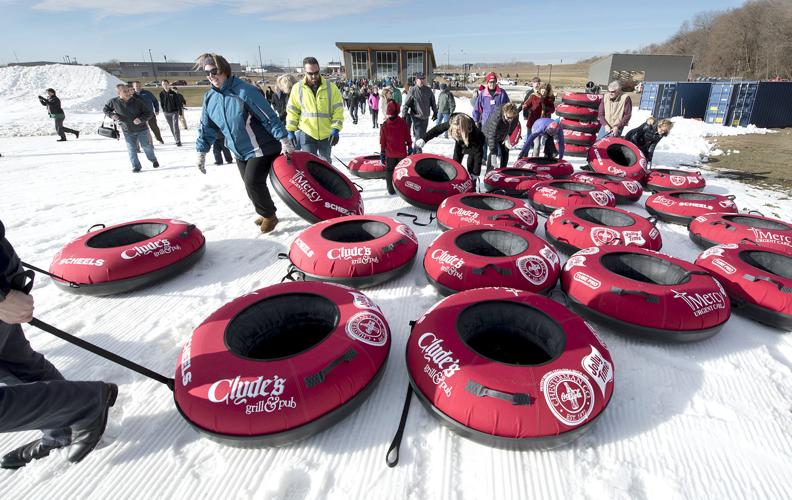


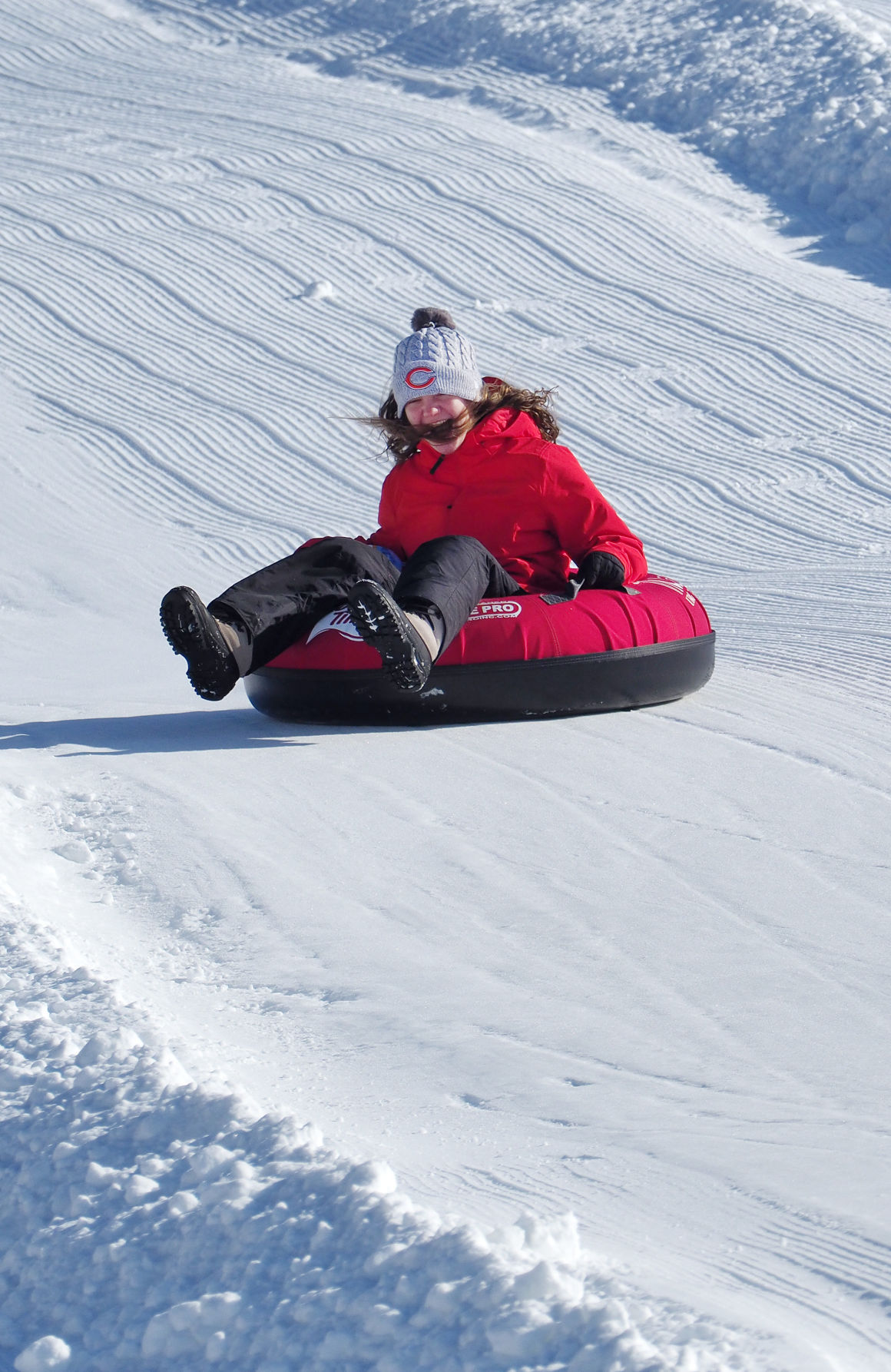

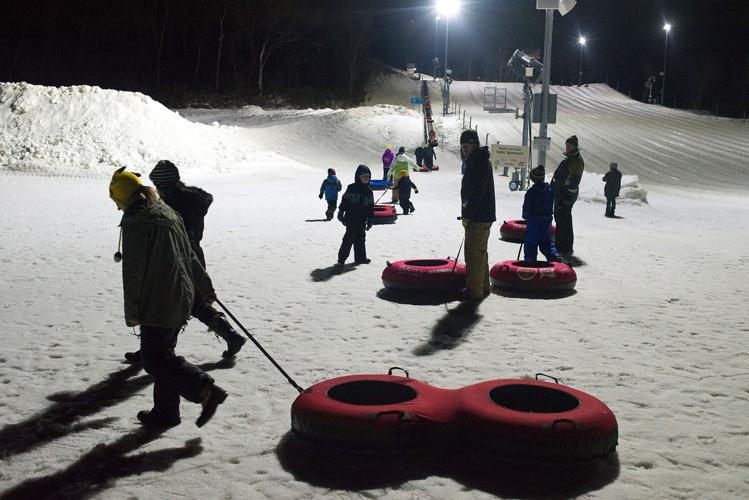
Cone Park has its own snow-making equipment, so it can operate even when Mother Nature doesn't cooperate in the winter. The tubing hill, which usually has at least six lanes open, can accommodate up to 225 users during three-hour sessions. Snow Glow Tubing, an LED light show set to music, is also offered during some nighttime sessions.
During Cone Park's second year, the ice skating rink was open for the entire winter season. New to the park was a year-round outdoor restroom by the ice skating rink and Blue Bunny Hill, which is sponsored by Wells Enterprises, makers of Blue Bunny Ice Cream. Located next to the main tubing hill, Blue Bunny Hill is a shorter hill designed for people of all ages.

People are pictured sliding down the tubing hill at Cone Park in Sioux City in this December 2018 file photo.
"Our snow glow lights were improved from the first year to the second year; and we're looking at making some additional improvements to those lights for the third year," Salvatore said. "Also for next year, we're going to be adjusting the grade for our bunny hill to make that a little bit more enjoyable."

PHOTOS from some of Sioux City's worst historic blizzards
Blizzard: April 1913

TO DATE Sioux City’s highest-recorded 24-hour snowfall: 20.0 inches. Snow started the early evening of April 10th and did not stop until the next evening. All streetcars were inoperable for 18 hours. Power and telephone lines fell, putting some 1,500 without service. The hog shed at Cudahy Packing Co. collapsed, killing 5 hogs inside. Total digging out for the city took about a week.
Blizzard: February 1936
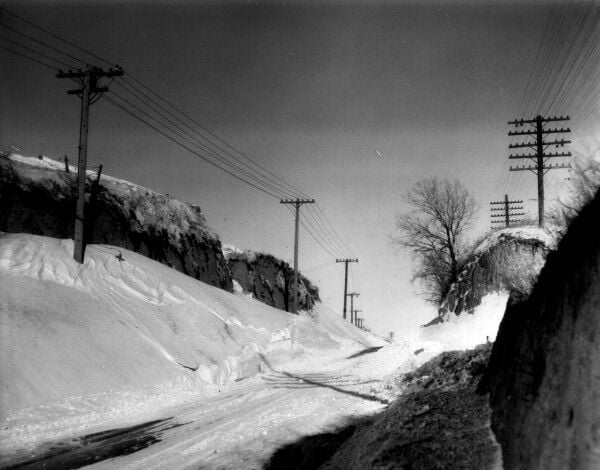
This photo from Feb. 11, 1936, shows Highway 20 after a blizzard. This image was taken approximately four miles from Sioux City.
Blizzard: January 1937
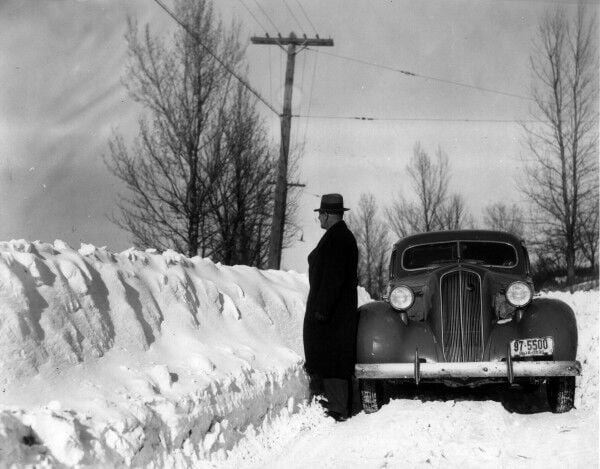
Snow is piled high on the side of a Sioux City road in this January 23, 1937 photo.
Blizzard: April 1937
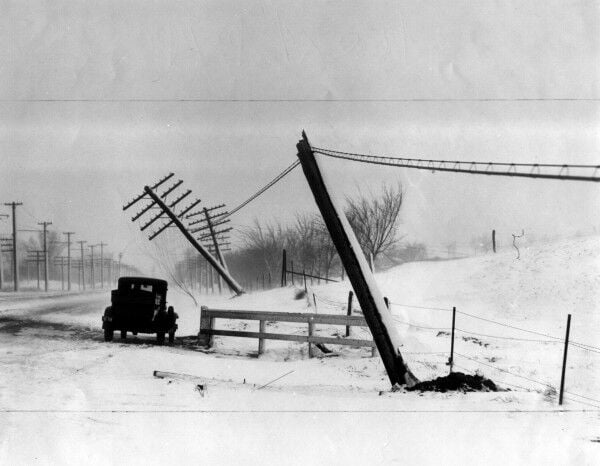
A motorist drives by toppled poles following a storm in Leeds on April 26, 1937.
Blizzard: April 1937
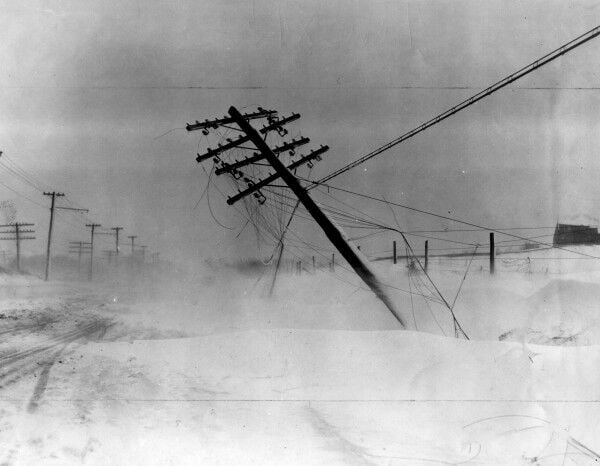
Poles and wires were blown down during a blizzard April 24, 1937, near Leeds.
Blizzard: February 1939
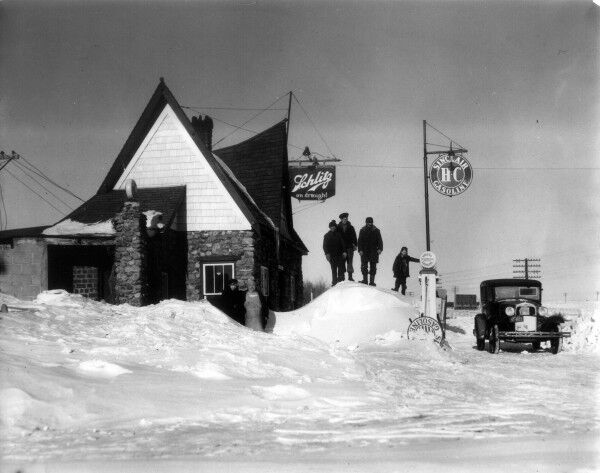
M.H. Woodring Service Station on Highway 20, approximately five miles out of Sioux City, had to temporarily suspend business after a blizzard dumped a large amount of snow on Feb. 11, 1939.
Blizzard: November 1940
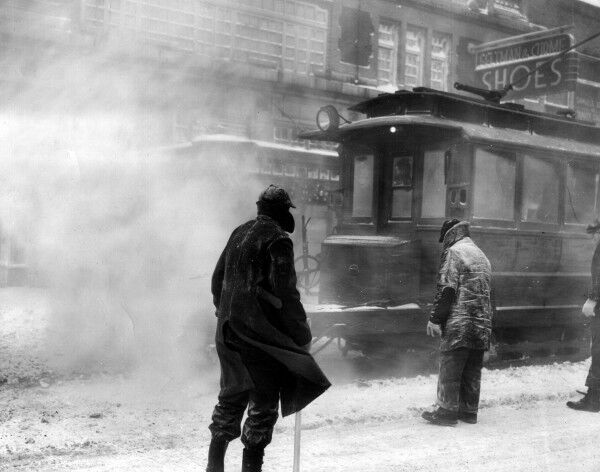
Wind blows snow along Fourth Street in Sioux City on Nov. 11, 1940. Temperatures fell as much as 30 degrees in two hours that day.
Blizzard: 1947
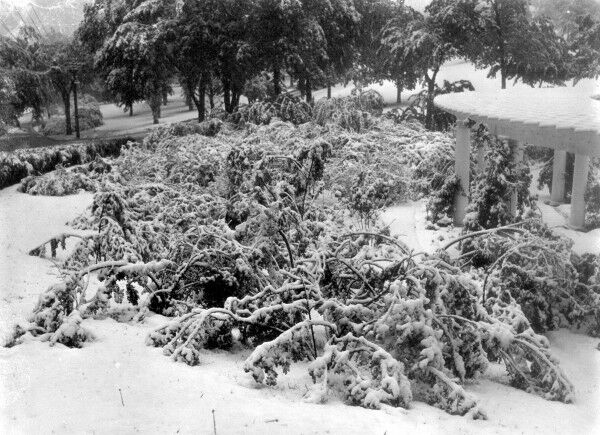
Branches on bushes around the Grandview Park Rose Garden bend under the weight of snowfall in 1947.
Blizzard: 1949
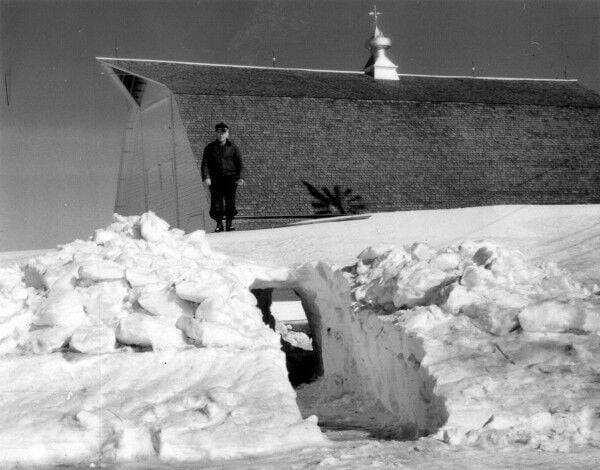
This unidentified man stands on top of a snow drift in which a tunnel has been dug in this 1949 photo.
Blizzard: March 1951

8 inches of snow fell in Sioux City from the evening of March 10 to the morning of March 11. All busses and airlines in the area were halted. Biting cold of around 5 below zero combined with gusty winds added to the danger, and the high moisture in the air led to ice buildup in many places. The City’s snow removal department asked people to remove their cars from the main thoroughfares for the plows, so many people were out bright and early the morning of the 11 to dig out. Sioux City was actually spared from the worst of this system – other areas of Iowa were reporting 18-to-26-inch snowfalls.
Blizzard: March 1962

Guardsmen deliver coal after a March 17, 1962 blizzard that hit Sioux City.
Blizzard: March 1962
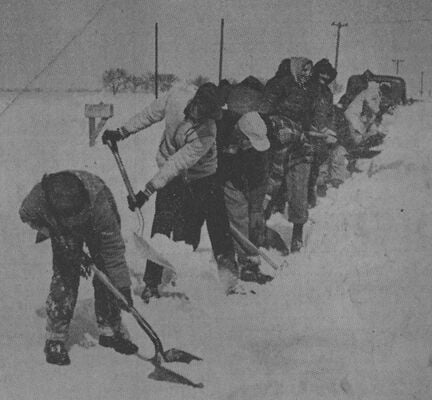
Fifteen men from rural McCook Lake, S.D., dig out snow along a half-mile stretch of road after the blizzard of March 5, 1962. The men were joined by some boys and several dogs.
Blizzard: 1975

Sioux City's "Auto Row" along Sixth Street was called "A case of go and no-go" when a blizzard struck in 1975. The truck at the right was stuck.
Blizzard: Halloween 1991

This blizzard caught everyone off guard simply by how early it was. Around 11 inches of snow was on the ground on Halloween night, combined with 50mph wind gusts. Tick-or-treating was postponed until November 2, and kids were stepping around snow piles for their candy. The snowfall smashed the previous record for the most snow in the month of October, which had been 8 inches.
April 1992 blizzard

A motorist tries to drive through a windrow following a April 1992 blizzard, which dropped up to 10 inches of snow on Sioux City.
Blizzard: March 2004

Sioux City’s second-highest snowfall in a single day occurred on March 15, 2004. Snow began around 3am and ended around 6pm. This was one of those systems where only a few inches or less were expected in the area, but the system shifted farther south than expected. By noon city crews had been out at least three times to clear the major streets, and the snow just kept coming. The snow closed Sioux Gateway Airport and most area schools.

To VIEW photos of Siouxland's worst historic blizzards, point your smartphone camera at the QR Code and tap the link.