



DODGE CITY, Kan. – The history of Dodge City is the history of the Old West. And that history begins with the opening of the Santa Fe Trail in 1821. That year, adventurer William Becknell headed west with his team of mules from Franklin, Missouri, across Kansas to the Mexican city of Santa Fe. The trail he blazed went right through present-day Dodge City, Kansas. Becknell returned to Missouri with tales of his trip and money in his pocket.
The trail became so popular that H. L. Sitler, the first settler in what would become Dodge City, remarked, "If you stood on the hill above Dodge City, there was traffic as far as you could see, 24 hours a day, seven days a week on the Santa Fe Trail."
The Mountain Branch of the trail went west from Dodge City along the north bank of the Arkansas River into Colorado. A shorter route through the dry sand hills called the Cimarron Cutoff crossed the river near Dodge City and went southwest to the Cimarron River.
People are also reading…
It was in June 1872 that Dodge City was founded with Sitler’s three-room sod house as the only building. The house became a popular stopping place for buffalo hunters and traders.
The first commercial building in Dodge City was a whisky bar built out of sod and boards for thirsty travelers. The early settlers originally named the town Buffalo City until they discovered another settlement had the same name and changed it to Dodge City after the nearby military installation of Fort Dodge named for General Grenville Dodge.
As the 19th century ended, many of those colorful Dodge City pioneers were made famous in the so-called dime novels, then later western films, radio and TV shows. Stuart Lake’s "Wyatt Earp: Frontier Marshal," published in 1931, is one of the best known books on that period.
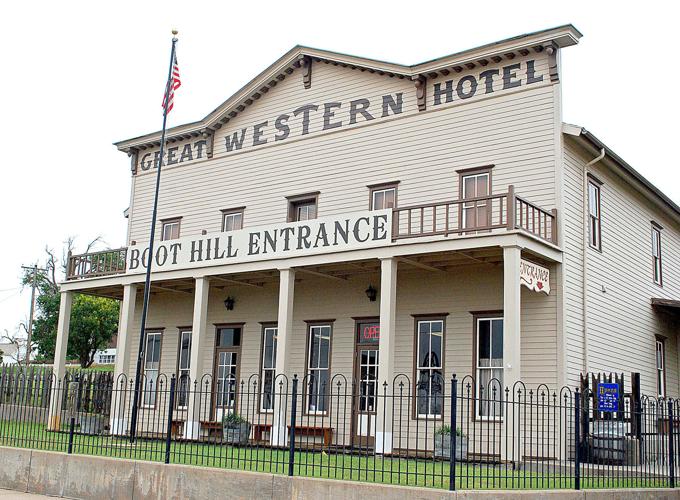
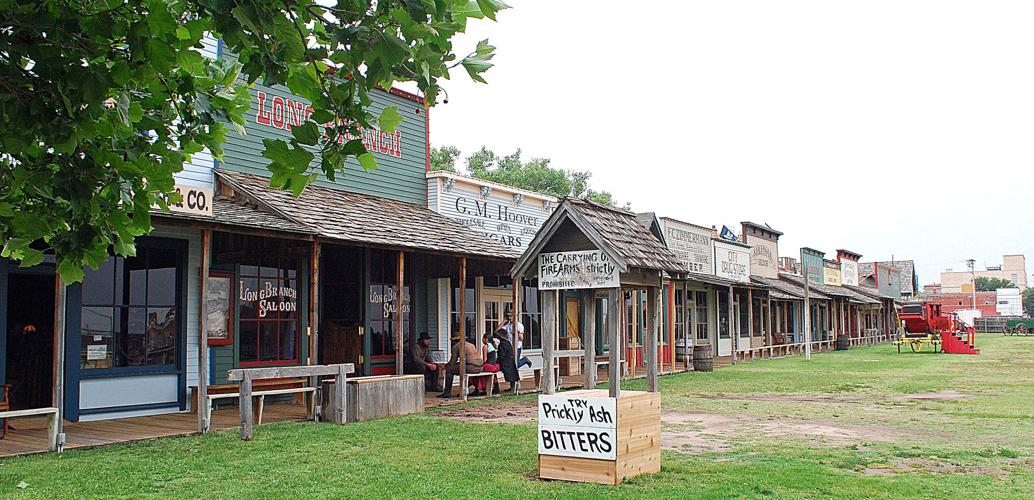
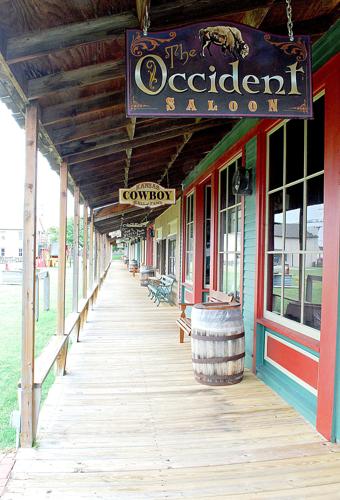
Today more than 100,000 tourists flock to Dodge City each year to relieve that exciting past with a visit to the Boot Hill Museum and the historic Front Street reproduction.
The Boot Hill Museum is located on the site of the original Boot Hill Cemetery. When the town was founded it lacked an established cemetery. Those family and friends of the deceased who could afford it buried their loved ones in nearby Fort Dodge. It was said the first person who lacked the funds for a burial in Fort Dodge was carried off to a nearby hill on the outskirts of town to be buried. Residents decided it was the perfect place for a town cemetery.
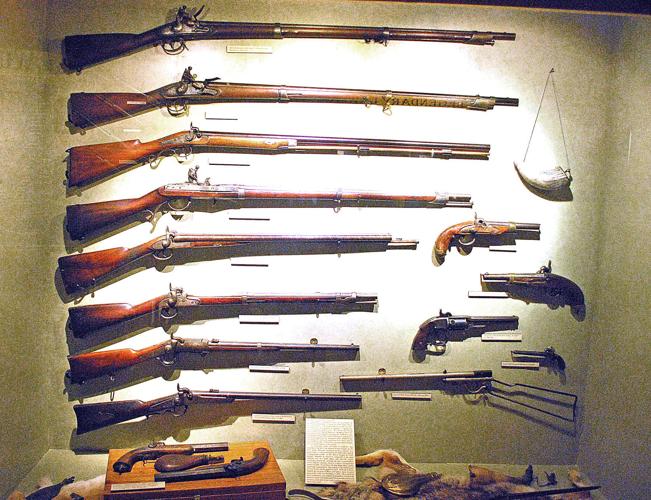
The Boot Hill Museum collection includes more than 60,000 artifacts, photographs and documents relating to Dodge City. Most of the collection is from the 1870s through the 1920s, and many items came from the former Beeson Museum. The founder of the Beeson Museum, Chalkley Beeson, started the collection in the 1870s. Beeson died in 1912 and relatives opened the Beeson Museum in 1932 and ran it until it closed in 1964.
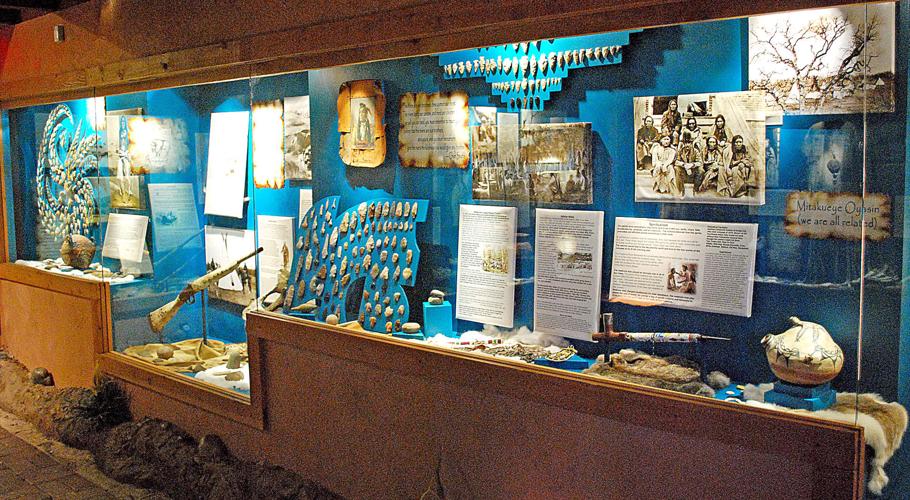
The People of the Plains Building at the museum tells the story of the Native Americans who inhabited the area before the white settlers arrived. The large collection includes arrowheads, tools and photos of the indigenous people. One exhibit illustrates the importance of the American bison in Native American life and how the buffalo hunters almost annihilated the buffalo.
Other exhibits in the museum include Dodge City’s impact on Hollywood. It began in 1939 with the Warner Brothers movie titled “Dodge City” starring Errol Flynn and Olivia de Havilland. Photos and memorabilia from the popular radio and TV show “Gunsmoke” that began on radio in 1952 and ran until 1961 are on display. “Gunsmoke” was adapted to television in 1955 and aired for 20 seasons.
The Front Street replica is a scale copy of Dodge City’s famous Front Street businesses of the 1870s. The buildings are filled with exhibits and displays of life in Dodge City. One building houses the Long Branch Saloon, which still features a variety show with entertainers and, of course, dance hall girls.
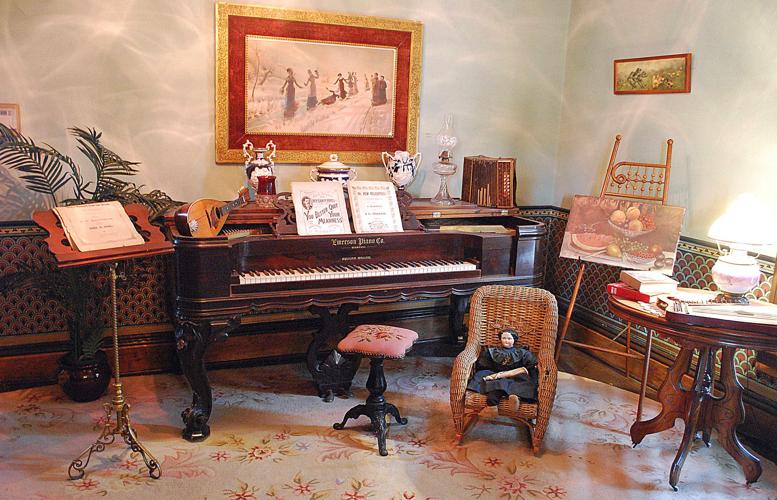
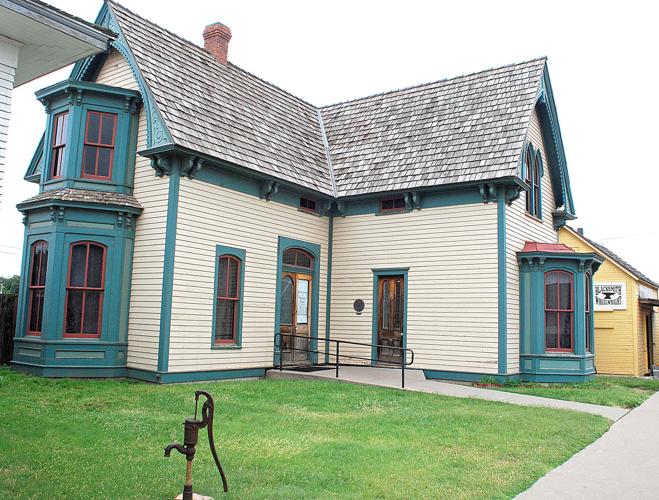
Near Front Street is the Hardesty House that was built by Alonzo B. Webster in 1879 and is named after Colonel Richard “Jack” Hardesty and his family. It was one of the finest homes in early Dodge City.


