


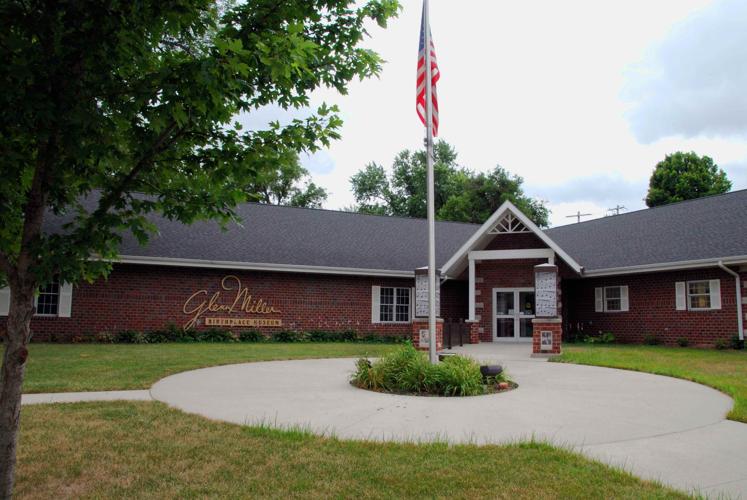


CLARINDA, Iowa – This small town in southwestern Iowa was the birthplace of one of America’s most beloved bandleaders. Alton Glen (later changed to Glenn) Miller was born in Clarinda on March 1, 1904, to Elmer and Mattie Lou Miller.
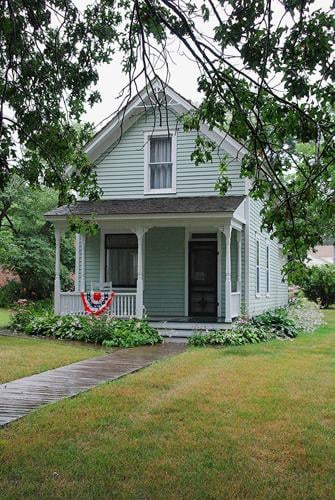
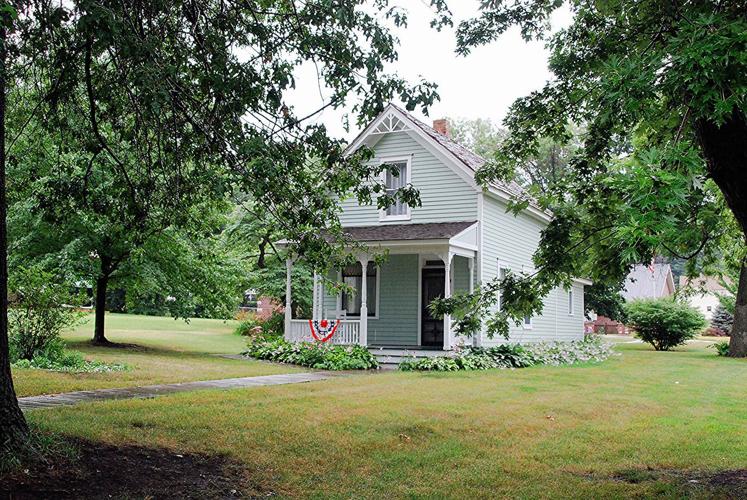
The Miller family had been part of Clarinda since 1870, when Glenn’s paternal grandparents settled there. Glenn’s parents bought a house in Clarinda at 601 S. 16th St. in 1902, and Glenn’s mother became a respected teacher in the town. The Millers lived in Clarinda until 1906, when they moved to Tryon, Nebraska, where they homesteaded a 640-acre farm and lived in a sod house. While living in the sod house Glenn’s mother would play a simple pump organ to provide music for the family. Later Mattie Lou started a school she named Happy Hollow, and the students would sing songs as they rode a wagon on their way to school. Those songs at home and school probably gave Glenn an early appreciation of music.
People are also reading…
The Millers eventually left the sod house on the prairie and moved to the town of North Platte, Nebraska. It was there Glenn’s brother John Herbert “Herb” and sister Emma “Irene” were born. Glenn’s older brother Elmer “Deane” was born in Clarinda in 1901. Around 1917 the family moved once again, this time to Grant City, Missouri, where Glenn attended grade school. It was here Deane joined the community band, and the director, local businessman John Mosbarer, wanted Glenn to also be in the band. Mosbarer even bought Glenn a new trombone with the stipulation that he work for Mosbarer to pay off the instrument. Glenn agreed.
The family then moved to Fort Morgan, Colorado, where Glenn went to high school and excelled in football. He was selected by the Colorado High School Sports Association as “the best left end in Colorado.” But football wasn’t Glenn’s only passion in high school. He became interested in a new sound on the radio called dance band music. Glenn loved the new sound so much he recruited some classmates and formed a band. He was devoted to music so much he missed his high school graduation in 1921 to travel to Laramie, Wyoming, where he played in a band. His mother accepted his diploma for him and the principal commented, “Maybe you’re the one who should get it anyway. You probably worked harder on it than he did.”
It was about this time Glenn made the decision music would be his life and career. His first professional job was with a Dixieland band called Senter’s Sentapeeds. He later moved on to the Holly Moyer Orchestra in Boulder, where he earned enough money to attend the University of Colorado. After two years he left to play with several other bands and eventually went to Los Angeles and joined the Ben Pollack Orchestra. While playing with the Pollack band he roomed with a clarinet player from Chicago named Benny Goodman.
After years of organizing bands for others Glenn decided put a band of his own together. His first attempt in 1937 failed due to financial difficulties but Glenn didn’t give up. He tried again in 1939 and was successful. In the fall of that year he began a series of radio broadcasts that became very popular. That popularity led to two feature films, “Sun Valley Serenade” in 1941 and “Orchestra Wives” in 1942.
While Miller and his band were enjoying their fame and fortune, WWII was raging. At 38 Miller was too old to be drafted, so he volunteered, first for the Navy, which rejected him, and then the Army, which accepted him. Miller managed to convince Brigadier General Charles Young he could, “…put a little more spring into the feet of our marching men and a little more joy into their hearts and to be placed in charge of a modernized Army band.”
Glenn was assigned to the Army Specialists Corps with the rank of captain, where he organized his own band of 50 musicians. He proved to be a talented campaigner for war bonds and raised millions of dollars. He and his band boosted morale by bringing a bit of home to the troops. But he wanted to do more and arranged for the band to tour overseas in London. The group was quartered at 25 Sloan St. in an area targeted by German V-1 buzz bombs. Realizing the danger, Miller arranged for the band to move to new quarters in Bedford, England. The next day a buzz bomb hit where they had just left and killed 100 people.
On Dec. 15, 1944, Glenn boarded a single engine C-64 Norseman aircraft to fly to Paris to make arrangements for a Christmas concert. The plane never reached France and was never found. Miller was just 40 years old.
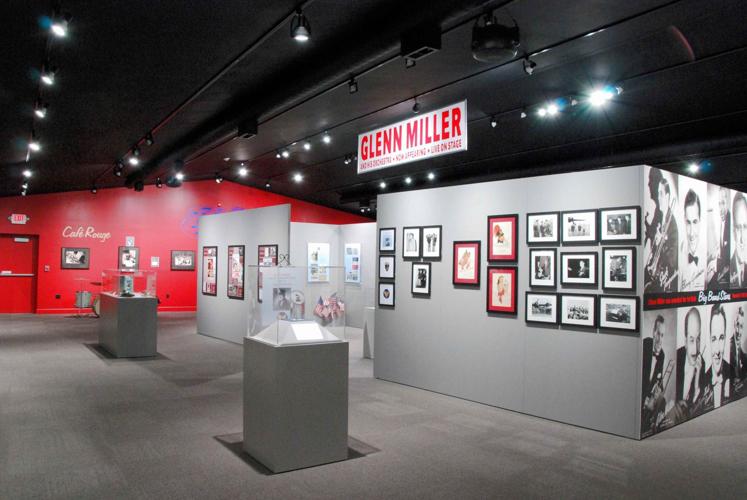
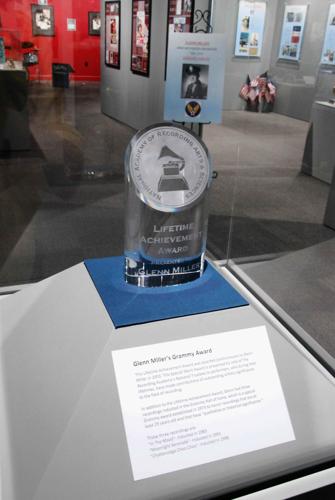
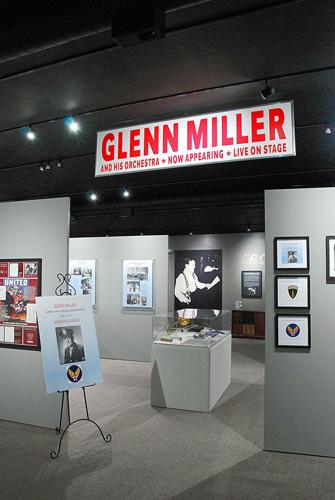
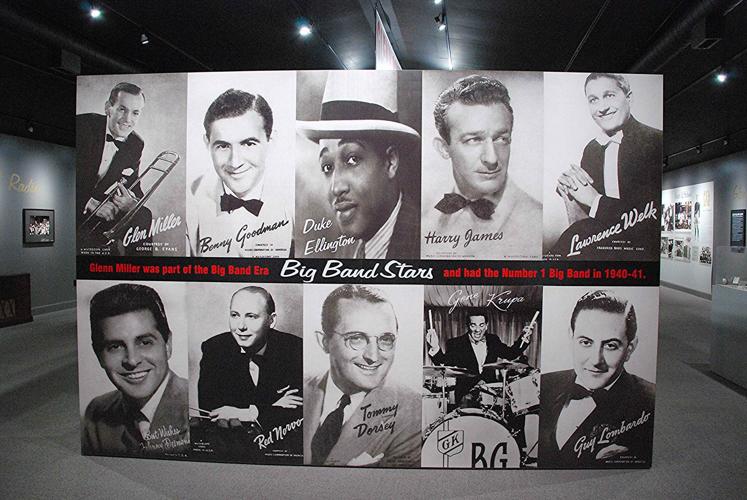
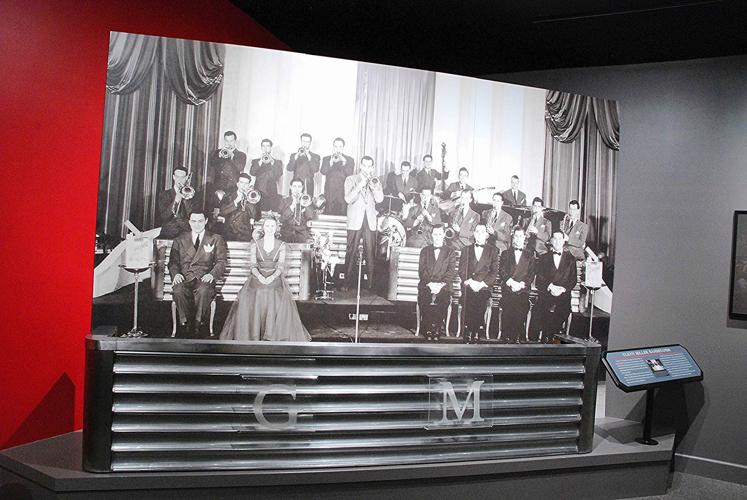
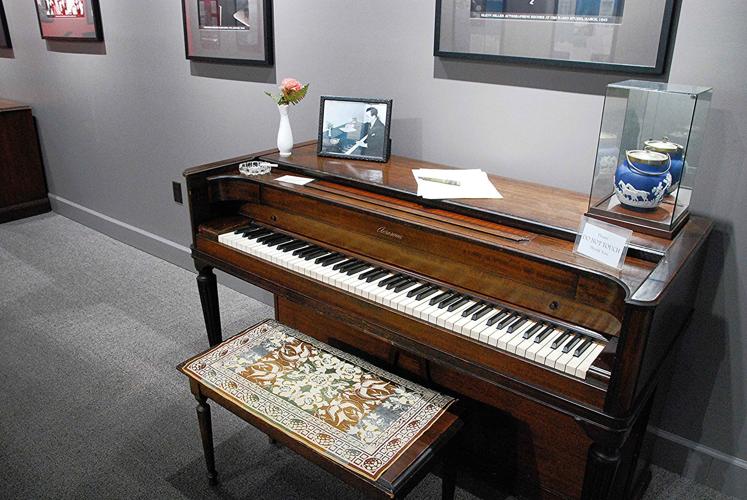
The Glenn Miller Birthplace Museum tells the story of the bandleader from his birth to his untimely death. The 3,000-square-foot museum in the visitor center is filled with artifacts from Miller’s life, including his lifetime achievement Grammy award presented posthumously in 2003, a band stand used by the Tex Beneke–Glenn Miller Orchestra in such places as the Palladium in Hollywood, Miller’s personal piano complete with a pack of his favorite Chesterfield cigarettes resting on the top, and a trombone used by Miller.
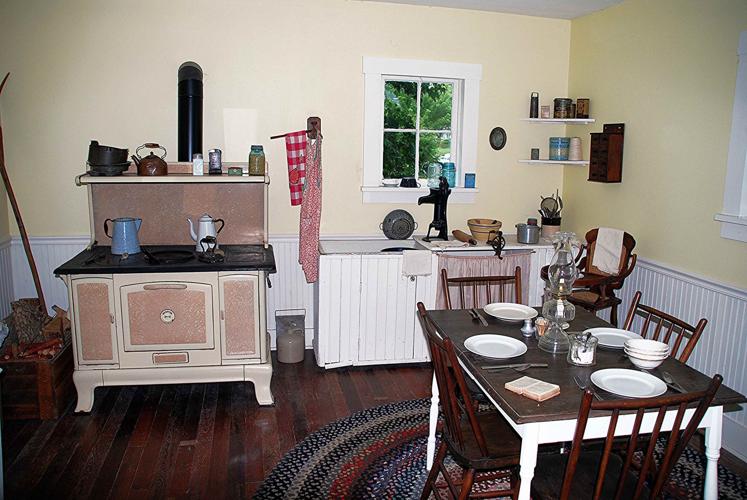
The Glenn Miller Birthplace Home is furnished as it might have been when Glenn Miller and his family lived there from 1902 to 1906.


