


YOUNGSTOWN, N.Y. – Old Fort Niagara in upstate New York offers visitors the opportunity to step back in time to when three nations fought for control of the strategically important Niagara River. America, Britain and France all wanted the fort, and at various points in history each were in control of the fort.
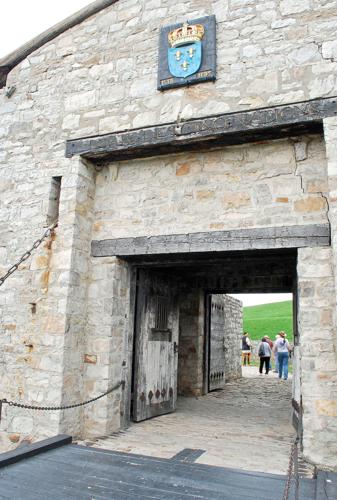
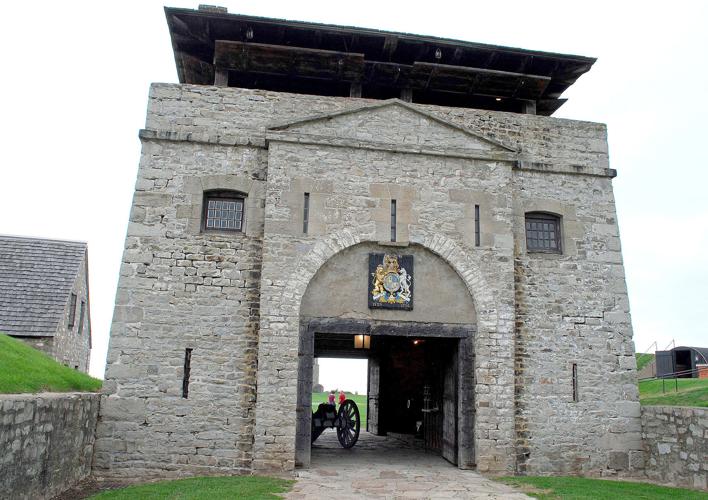
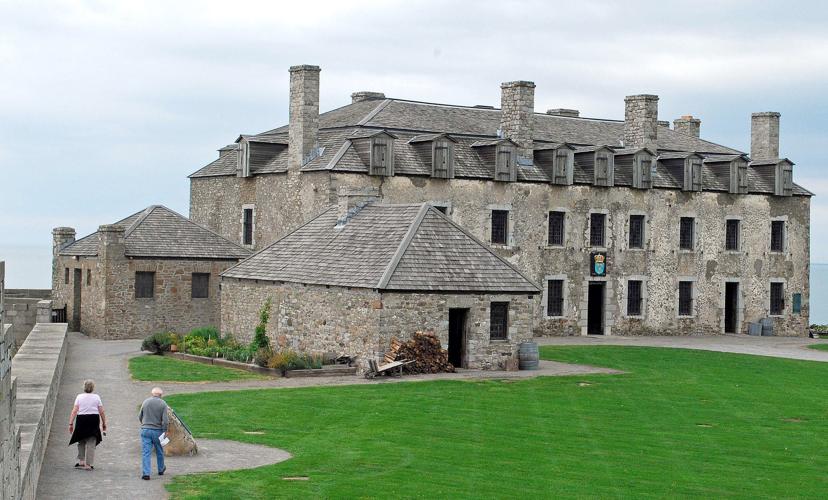
The French first built Fort Conti there as a temporary fortification in 1679. It was replaced by another temporary structure, Fort Denonville, in 1687. Then in 1726 France built a permanent fortification known as the “French Castle” that still stands today. In order to appease the local Iroquois tribes, the “French Castle” was designed to look like a trading post, but was in fact a garrison complete with a storeroom and large living quarters, and if necessary its thick stone walls were capable of resisting an Indian attack.
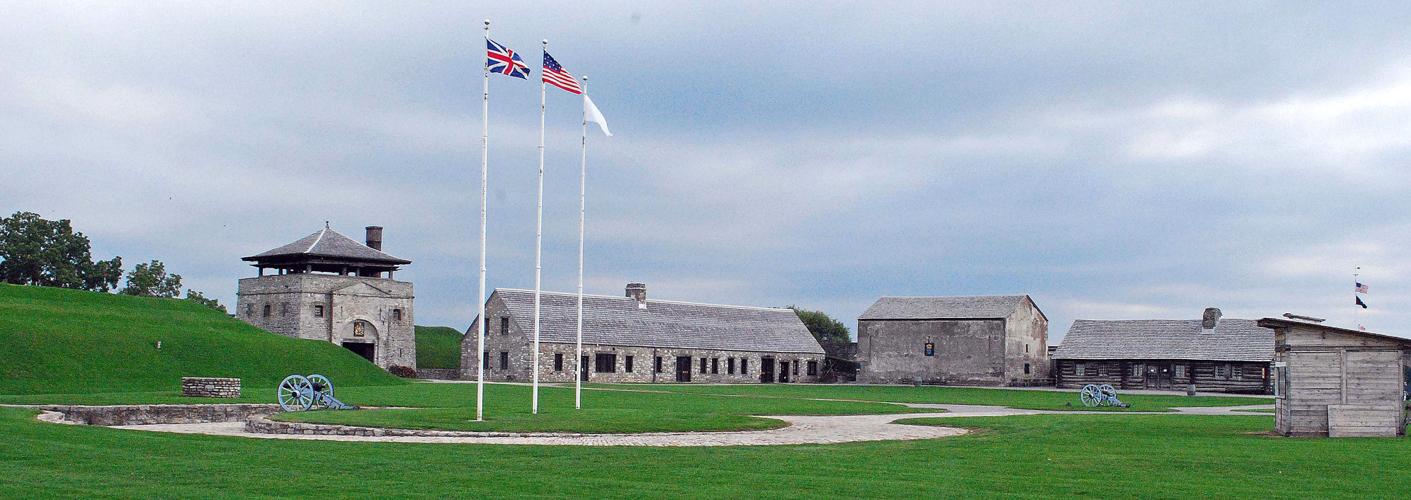
Today three flags are flown daily over the fort to symbolize the nations that controlled the fort in the past. All three competed for the support of a fourth nation, the Iroquois Confederacy.
People are also reading…
The British gained control in 1759 during the French and Indian War. Although the British held the fort all during the Revolutionary War, the treaty following the war forced them to yield control to the United States in 1796. It was recaptured by the British in 1813 but was given back to the United States at the end of the War of 1812.
The Visitor Center at Old Fort Niagara has exhibits showing the history of the fort, along with historic artifacts, including the fort’s original War of 1812 flag. Also in the Visitor Center is a theater showing an orientation film telling the story of the fort and a gift shop.
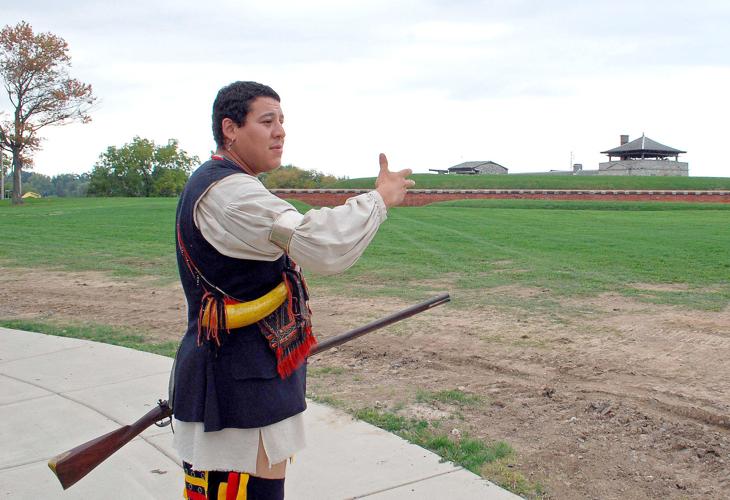
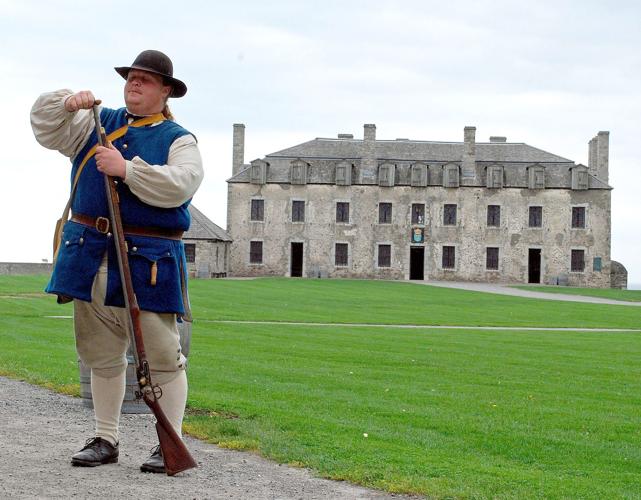
Outside, visitors can enjoy magnificent views of the Niagara River while exploring the fort and its many historic buildings. The self-guided tour leads through all the buildings used by French, British and American soldiers. During certain times of the year re-enactors give demonstrations about life at the fort, including how to load and fire a musket. In the center of the garrison is the parade ground where many years ago troops marched and trained. The re-enactors wear red uniforms for British troops, blue for American, and gray and white for French soldiers.
The fort also offers guided tours with a costumed re-enactor who explains what life was like for those stationed there. Among the activities are cooking demonstrations explaining what the diet was like for those living there along with weaving and craft demonstrations. One of the most important people at the fort was the blacksmith. Skilled re-enactors show how the blacksmith made tools and other items for the soldiers at the fort.
There are many stories related to the history of the fort, but probably the most famous is that of the duel between two French soldiers. Henri Le Clerc and Jean-Claude De Rochefort crossed swords in a duel over a local Iroquois maiden during a party at the fort. The fight led to a stairwell where Henri fell down the stairs and De Rochefort took advantage of his disabled foe and speared him with his sword, killing him.
Realizing he was in deep trouble, De Rochefort decided to hid the evidence and dismember Henri and dump the parts in the river. He hacked off the head and tossed it in the water. When he returned to continue his grisly task, he heard the party breaking up, and quickly tossed the body in the well near the stairs.
Since that night people have reported seeing a headless French soldier wandering the halls of the fort. Every October around Halloween Old Fort Niagara hosts haunted tours of the French Castle.
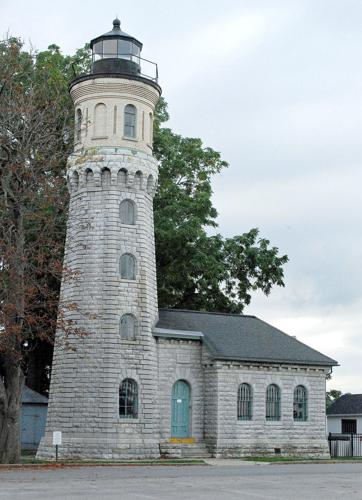
On the edge of the fort near the Visitor Center is the area’s first lighthouse and the earliest navigation light on the Great Lakes. The Fort Niagara Lighthouse was used to mark one of the few natural harbors on Lake Ontario and the portage route around Niagara Falls.
The first light in the area was installed on a pedestal on the roof of the “French Castle” in 1782. On March 3, 1871, Congress appropriated $16,000 for a new lighthouse with an attached oil room next to the fort. Construction began in July 1871 but was postponed at the end of November due to inclement winter weather. Work resumed on April 15, 1872, and by June 27 the lighthouse was complete.
The lighthouse was automated in 1983, but the Coast Guard faced a problem just 10 years later. The many trees in the area were blocking the light. The trees could be removed or the lighthouse discontinued. They decided to discontinue the lighthouse and replaced it with an automated light on a tower. The lighthouse was later deeded to the Fort Niagara State Park.


