


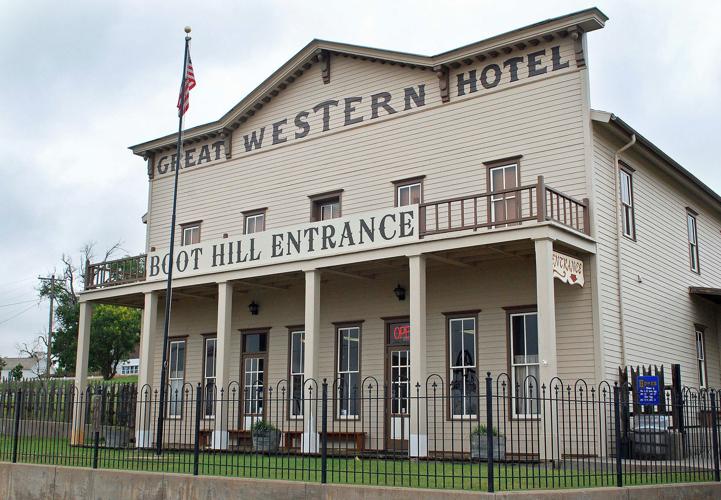


DODGE CITY, Kansas – The history of Dodge City is the history of the Old West. And today that unique story is told in the Boot Hill Museum on Front Street in Dodge City.
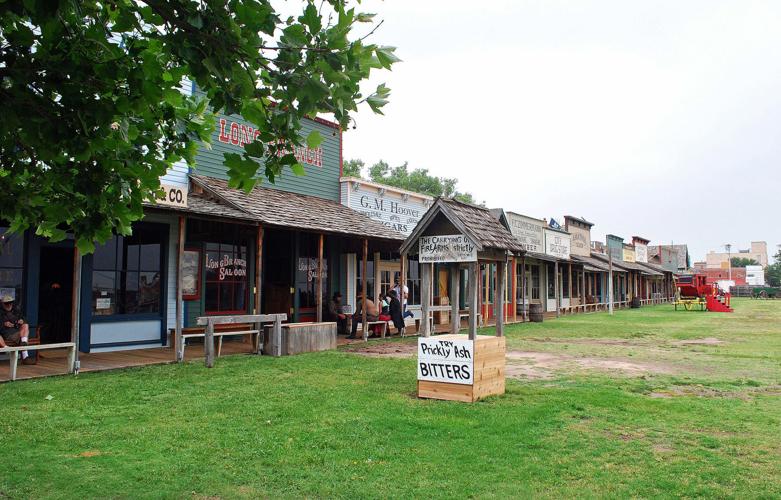
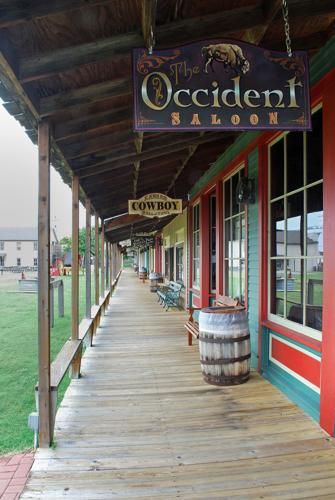
It doesn’t take much imagination to transport yourself back to the 1870s and 1880s when walking the wooden boardwalk on Front Street. The street is lined with authentic reproductions of businesses that once flourished in the town.
Dodge City’s story begins long before the cowboys and cattle drives made popular by western movies and books. The legendary “Gateway to the West” began with Francisco Vasques de Coronado crossing the Arkansas River in 1541. That exploration eventually led to the Louisiana Purchase in 1803.
The great commercial route, the Santa Fe Trail between Franklin, Missouri, and Santa Fe, New Mexico, which opened in 1821, went west out of Dodge City along the north bank of the Arkansas River. Thousands of wagons traveled the trail carrying pioneers seeking a better life in the West.
People are also reading…
H.L. Sitler, the first settler of what became Dodge City, said, "If you stood on the hill above Dodge City, there was traffic as far as you could see, 24 hours a day, seven days a week on the Santa Fe Trail."
Dangers on the trail included attacks, so in 1859 Fort Dodge was established near Dodge City to offer protection for the wagon trains and the U.S. mail service. In June 1872 Dodge City was founded five miles west of Fort Dodge on the northwest edge of the Army base.
The first business in town was a whiskey bar built out of sod and boards by George M. Hoover. Dodge City began to grow, and it wasn’t long before it was a trade center for Santa Fe Trail travelers and buffalo hunters. Originally the founders called their new settlement Buffalo City, but another town was already using that name, so it was changed to Dodge City after the nearby Fort Dodge.
At about the same time Dodge City was getting started, the railroad was laying tracks that led right into town. The new railroad, known as the Atchison, Topeka and Santa Fe, was a tremendous boon to the fledgling community. It wasn’t long before businesses including two grocery stores, a general merchandise store, a dance hall, a restaurant, a barber shop, and blacksmith shop were opened, and the Front Street legend began.
Soon stacks of buffalo hides towered along Front Street and with them came the rugged and filthy buffalo hunters and traders. Legend has it that the term “stinker” was coined to describe those men.
There was no law in those early days, and fights between different groups were common, which many times led to shootings with men dying with their boots on. The town didn’t have an official burying place and needed one quick, and so Boot Hill Cemetery was created. The cemetery was used until 1878.
The first jail in town consisted of a thick buffalo hide that drunks were placed under with the hide staked tight to the ground. The next jail was called the “cooler” and was an old well about 15 feet deep into which drunks were lowered until they sobered up and cooled off. When they were able to climb out of the well their debt to society was said to be paid. The first real jail was built on South Front Street and was a two-story building with the jail on the lower floor and city offices and police court on the second.
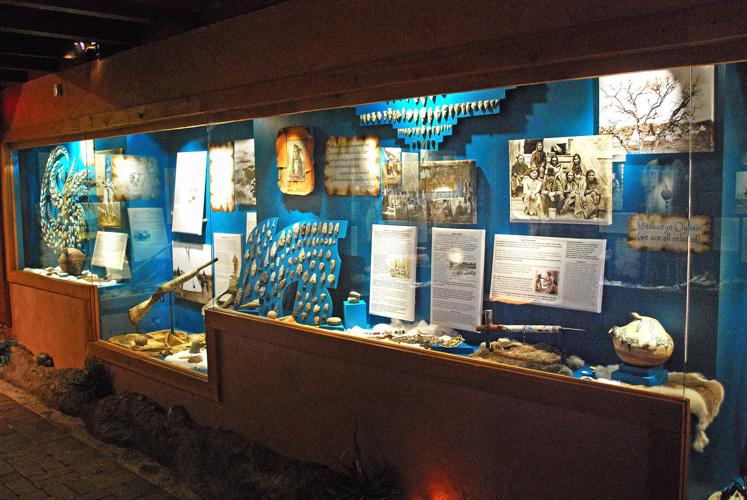
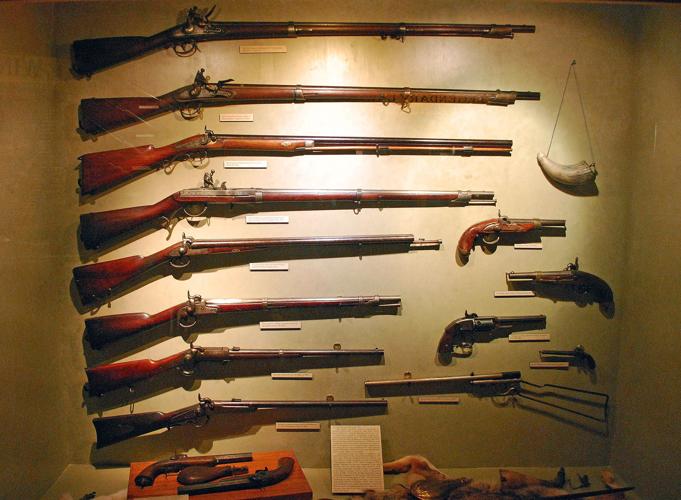
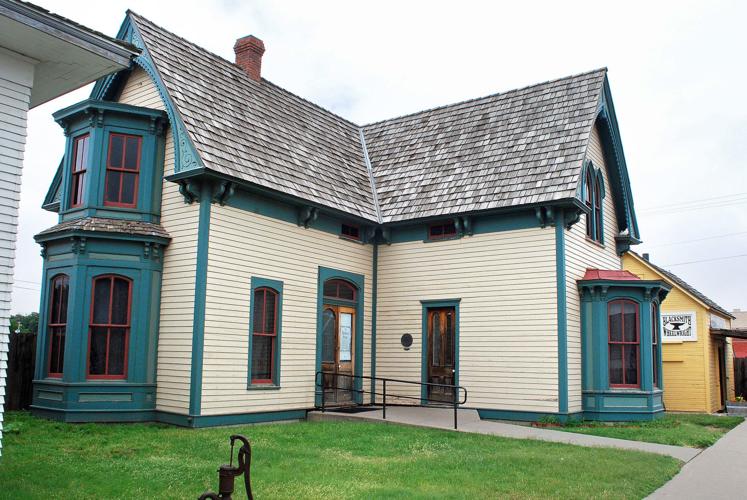
Today the history of those early years is being preserved in the Boot Hill Museum and historic Front Street in Dodge City. Inside the museum is a huge collection of Native American artifacts, including a display showing the construction of a teepee. The museum also has a collection of firearms used by cowboys, gamblers and buffalo hunters. Several businesses that once lined Front Street are also featured. Those include a hardware store, apothecary and saddle maker.


