


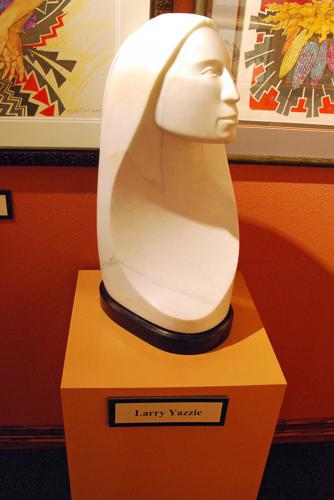
CHANDLER, Ariz. – One man’s passion for art is now a world-class collection of Native American and Western art. For Eddie Basha Jr. that passion began as a young boy. Eddie’s Aunt Zelma, who was an artist, would sometimes care for him and she would draw pictures for him. The young Eddie was fascinated by her drawings and soon developed a love for art.
Eddie began working in the family grocery store business in Chandler when he was 11 and as he got older he worked in every aspect of the business. After graduating from Stanford University with a degree in history, Eddie joined the family grocery store business in Chandler, and when Eddie Sr. died in 1968 the son took over management of the company. Today Bashas' operates 130 stores.
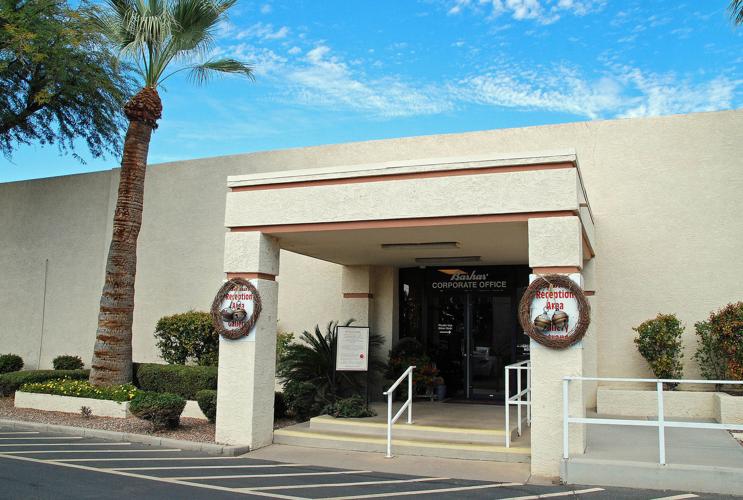
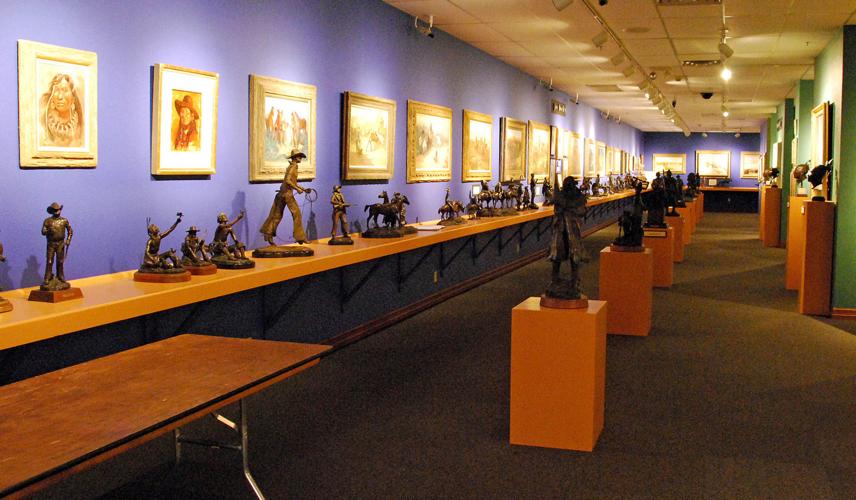
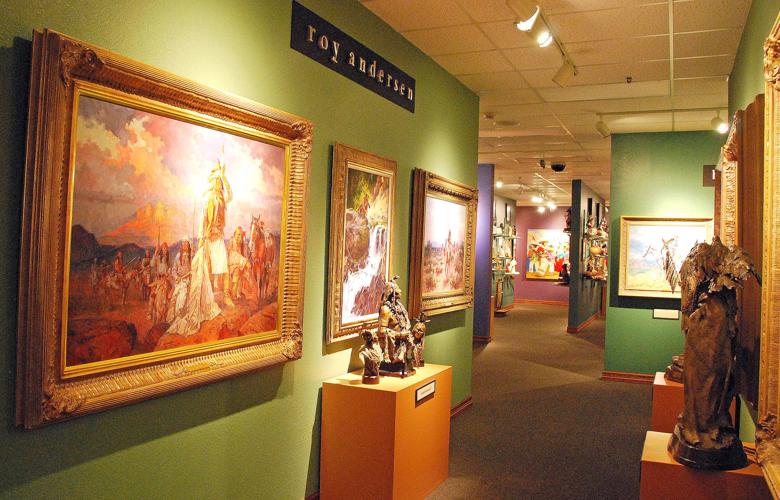
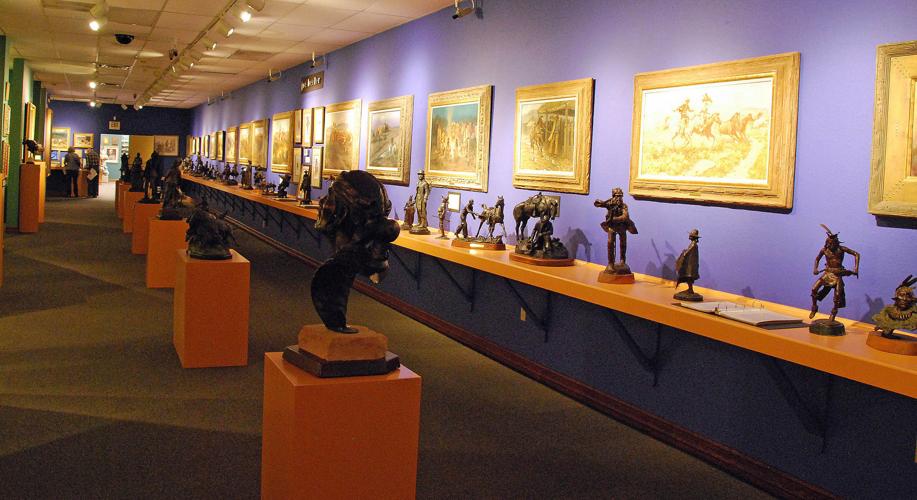
Aunt Zelma once again became an influence for Eddie Jr. and encouraged him to use his spare time to combine his love of art with his passion for history and collect Western and Native American art. Eddie and his aunt would go to galleries, art shows and sales to not only purchase art work but to meet the artists. For them meeting the artist was as important as buying their work. For that reason the Basha collection only contains the work of those artists they could meet and talk with. Over the years Eddie and his aunt amassed an impressive collection that is now on display at Bashas' corporate headquarters in Chandler. The gallery opened in 1992 and now has about 3,000 pieces of artwork.
People are also reading…
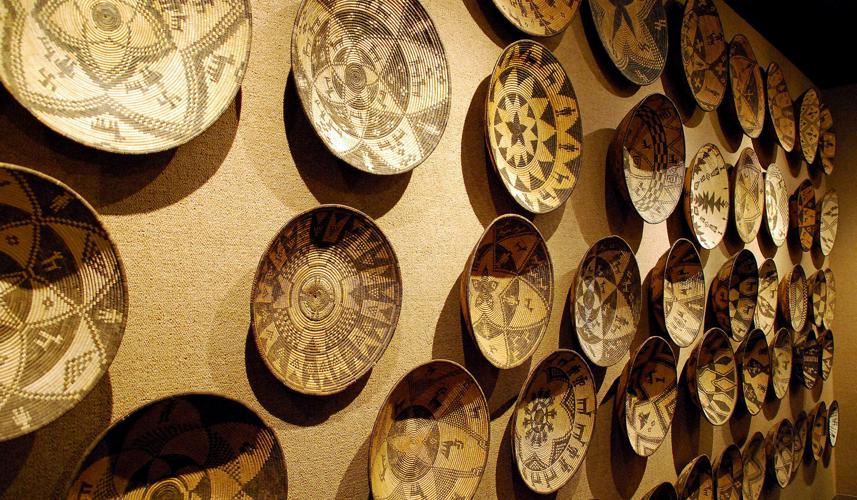
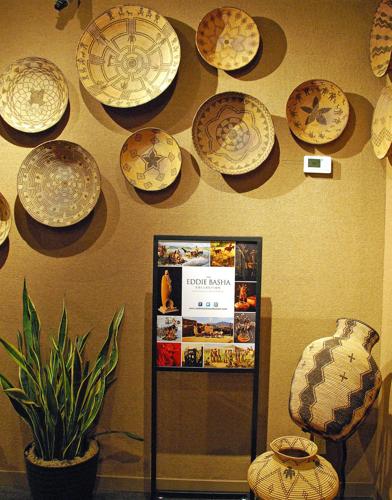
The most recent addition to the collection is the Basket Room completed in October 2005. The room contains examples of Pima, Yavapai and Apache baskets and reflects an art form that is virtually nonexistent today. The collection contains baskets from the late 1800s to the early 1900s. The baskets were primarily used to store grain or to serve wine. The designs on the baskets provide insight into the lives of Native American cultures.
Carved Hopi katsinas are on display in the museum. Katsinas represent Hopi “Spirit Gods” who appear in ceremonies throughout the year. Right from birth every member of the Hopi is initiated in the Katsina religion. Instruction in the religion continues throughout their lifetime. There are more than 400 “Spirit Gods” today and many are represented in the carvings on display in the Basha collection.
Pottery has always played an important role in Native American life and ranges from purely functional to artistic expression. The museum has many examples of beautiful pottery once used as water containers, preserving seeds and storing grain with beautiful and sometimes intricate designs.
Every civilization has developed forms of jewelry to decorate their bodies and Native Americans are no exception. The Basha gallery has a large collection of jewelry, including Navajo silver, New Mexican Pueblo beadwork and other examples of Native American jewelry.
The Basha art collection includes a variety of examples of Western art. It’s been said that the genre of Western art began shortly after the Lewis and Clark Expedition in 1806. Western art landscapes first began to appear during the 1820s. Among the first to capture the Old West on canvas were Charles Russell and Fredrick Remington. During the 1880s Russell headed for Montana, where he worked as a cowboy and sketched what he saw, focusing on landscapes, Indians and the cavalry. He was the first to document the work of the cowboy. Remington attended military school and his early works were mainly military life on the frontier.
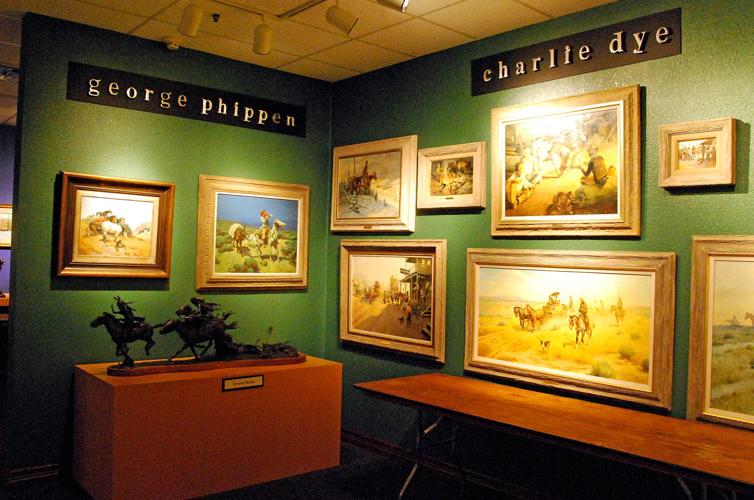
The majority of Western artworks in the Basha collection are from members of the Cowboy Artists of America. The CAA was formed in 1964 to bring exposure to their art work. The Basha collection has paintings from such artists as George Phippen and Charlie Dye. Phippen was elected as the CAA’s first president and Dye was the group’s first vice president. The mission statement for the group is “To authentically preserve and perpetuate the culture of Western life in fine art.”


