


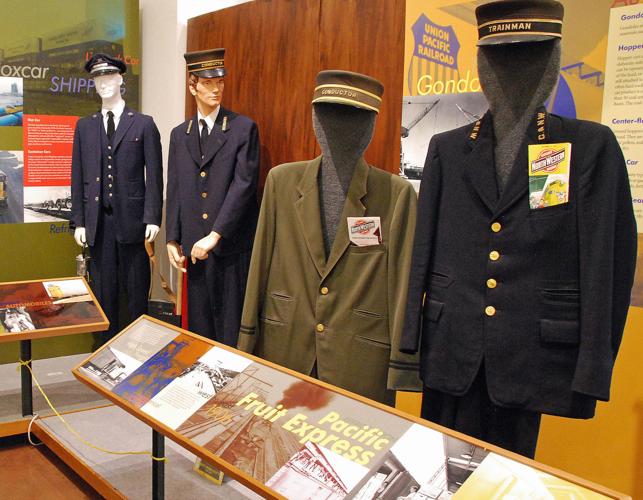
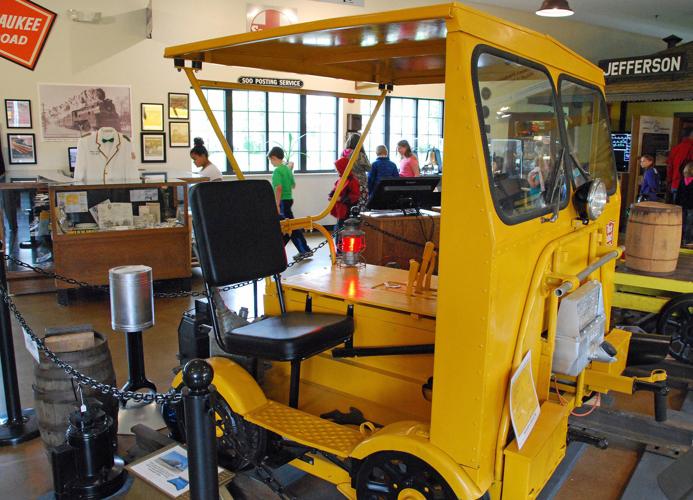
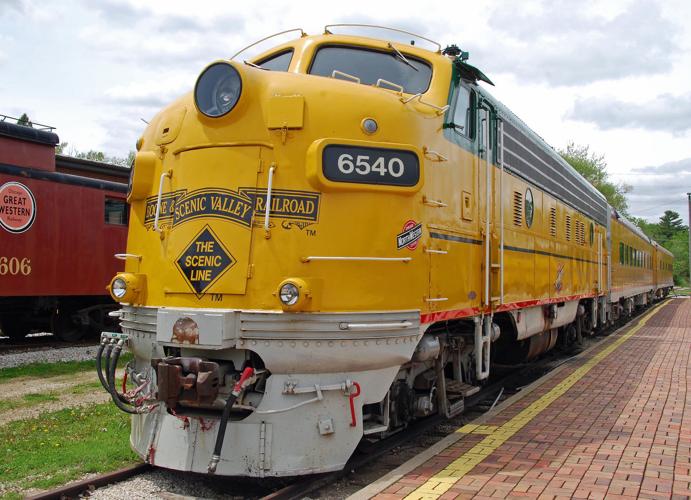
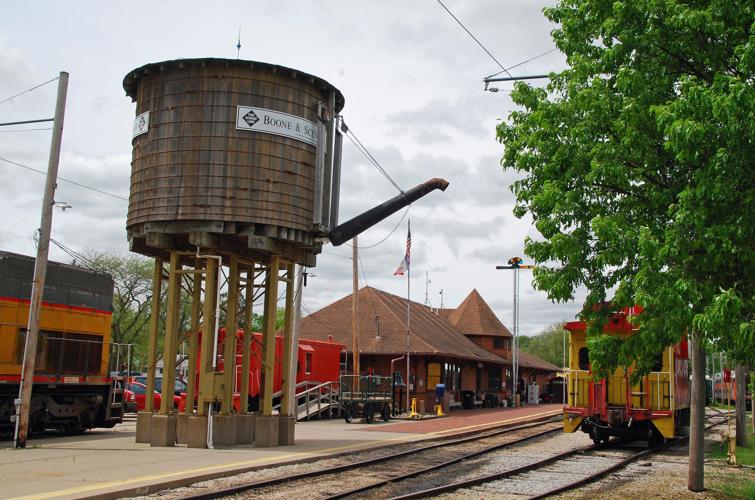
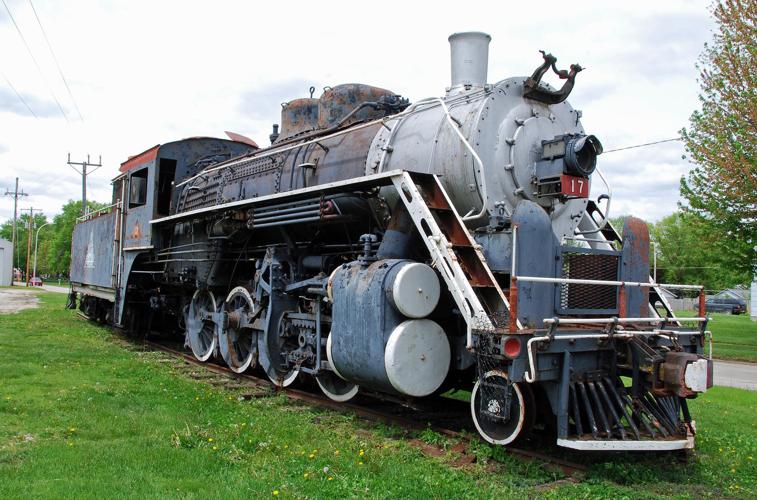
BOONE, Iowa – The history of railroading in Iowa is being saved and is on display at the James H. Andrew Railroad Museum in Boone. The 9,000-square-foot museum is part of the Boone & Scenic Valley Railroad complex, where visitors can not only learn about railroading but also ride one of several historic trains.
Railroading has been a part of Iowa and Boone County history almost since Iowa became a state in December 1846. In February 1893 the Boone Valley Coal and Railroad Company built a rail line to connect with existing rail lines that were used to haul coal from the many mines in the area.
The Fort Dodge, Des Moines and Southern Railway was founded in 1893. It was Iowa’s longest all-electric railroad from 1907 until switching to diesel-powered engines in 1955. In addition to coal, the line hauled gypsum from the area around Fort Dodge along with brick, clay pipe and drainage tile. Passenger and freight service provided by railroads across the country flourished for many years until Americans began to switch from rail travel to air and personal cars.
People are also reading…
The Chicago and North Western Railroad purchased the line used by the Fort Dodge, Des Moines and Southern Railway in 1968, but soon began to abandon several stretches of the rail line. In response to this, the Boone Railroad Historical Society was formed by 2,254 local residents who banded together to save the line. The group quickly secured funding to purchase 11.3 miles of the rail line. That original track now allows visitors to ride aboard one of several trains through the beautiful Des Moines River Valley.
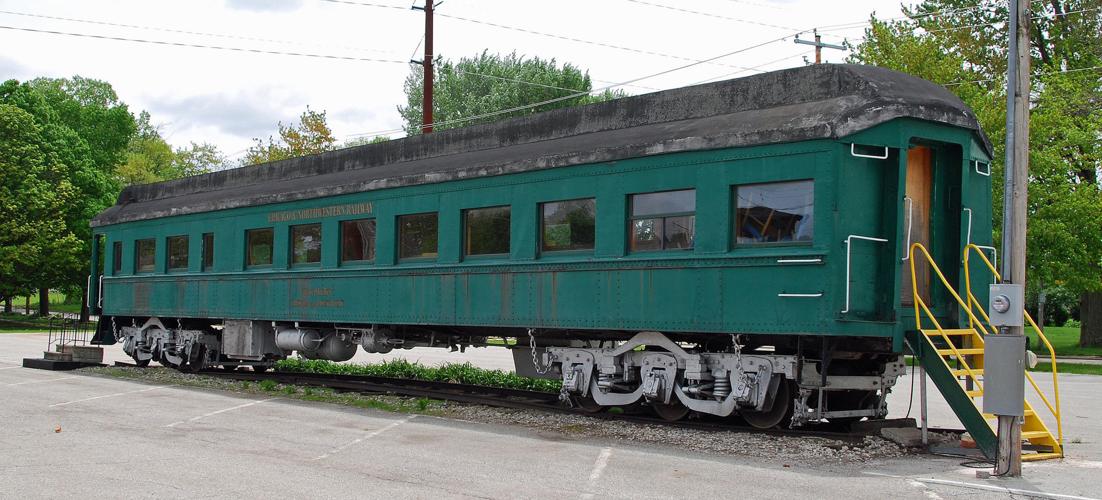
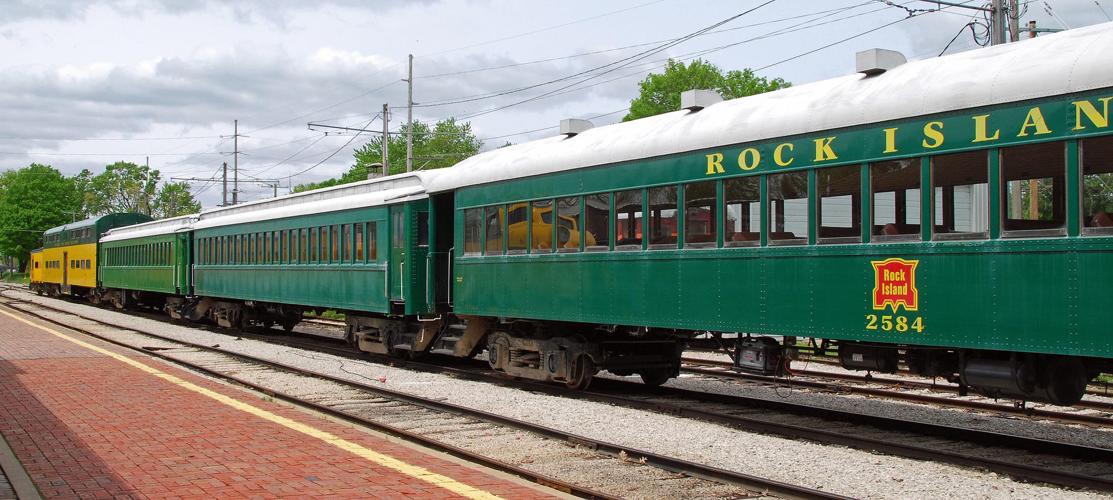
The Fraser Train is an excursion train that operates daily from Memorial Day weekend through October 31 and runs between Boone and the old mining town of Fraser. The train offers passengers the choice of two types of cars. There is a 1920s coach car without the modern convenience of air conditioning but with windows that can be opened and ceiling fans in some of the cars. There is also a climate-controlled coach two-level car once used by the Chicago and North Western Railroad.
The Wolf Train is a 22-mile, 2 ½ hour round trip ride from Boone to Wolf. This train features first class, streamlined 1950s dining cars. The cars are from the famous trains of the 1950s, the “City of San Francisco” and the “City of Los Angeles.” They were originally used by the Union Pacific Railroad and provided comfort and style for passengers. Today passengers can choose between just riding the train or having a box meal, a hot meal or a full dinner train menu.
One of the highlights in taking a trip on the Boone and Scenic Valley Railroad is crossing the Kate Shelley Memorial High Bridge. The 156-foot-high steel bridge crosses the Bass Point Creek in the Des Moines River Valley. The bridge is named for Kate Shelley, who heroically risked her own life to save those on board a passenger train.
It was a stormy summer evening on July 6, 1881, when Kate Shelley and her mother watched as the nearby Honey Creek continued to rise. It was about 11 o’clock when they heard as she told reporters later, “... the horrible crash and the fierce hissing of steam” as the engine and cars of a train plunged into the river. Kate knew another train was due to cross the bridge soon and ignoring her own safety she grabbed her father’s railroad lantern and headed for the washed-out bridge. After crawling the span in pouring rain she managed to alert some railroad workers who stopped the oncoming train. The story of her heroic act is on display at the museum along with the lantern she used that night.
Visitors to the Boone and Scenic Valley Railroad complex can also ride a historic interurban trolley. The trolley was built by the McGuire-Cummings Company of Paris, Illinois, in 1915. Trolleys were used to haul baggage, mail and passengers. They were mainly used in cities and towns in more densely populated areas of the country. The interurban trolley was powered by electricity provided by an overhead copper wire. The Charles City Western (CCW) car 50 was used until 1952 when regular passenger service ended. The car was put in storage until rescued by the Iowa Railroad Historical Society in 1987 and delivered to Boone. Today car 50 provides round-trip service between the Boone and Scenic Valley Railroad depot and downtown Boone.
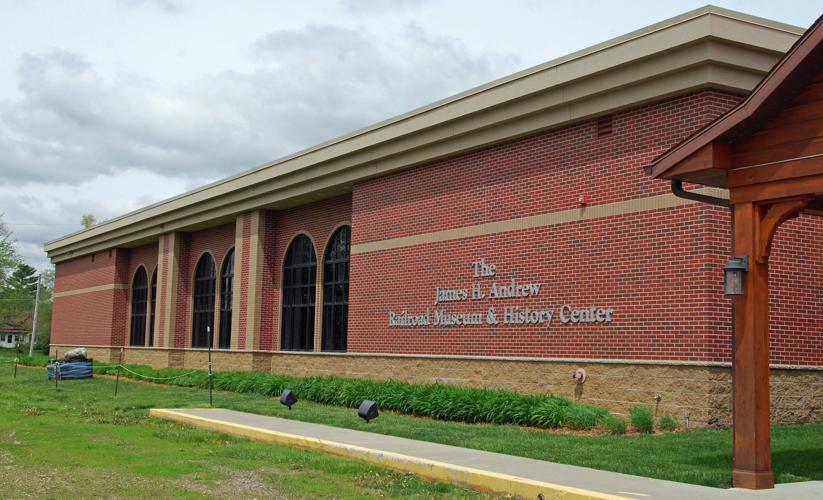
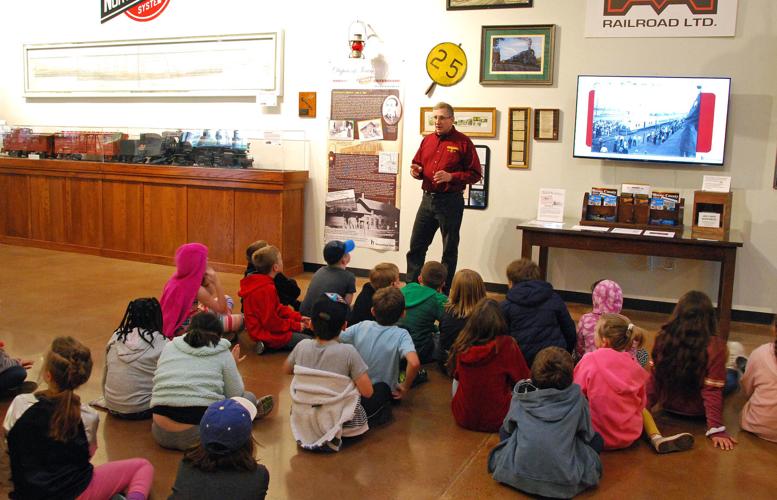
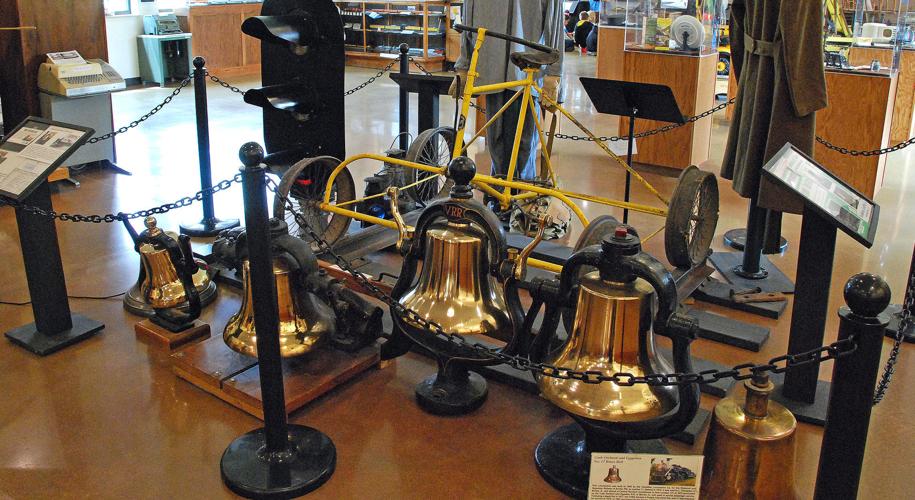
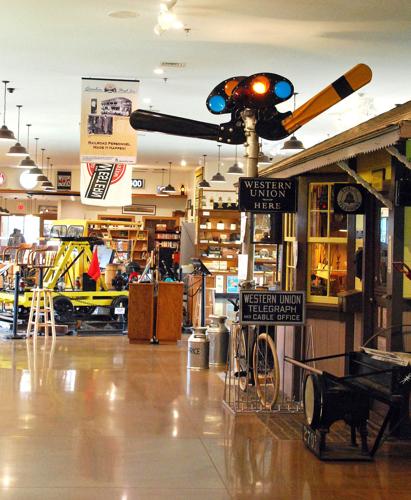
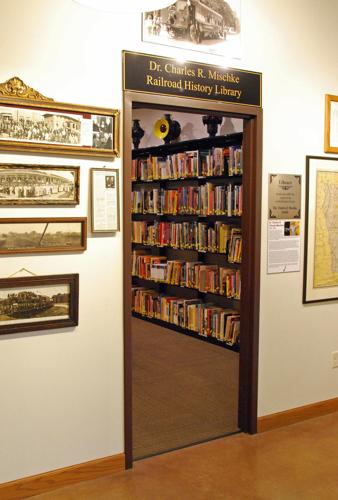
The James H. Andrew Railroad Museum and History Center opened in 2012 and contains a research library and theater along with memorabilia and displays about railroading in Iowa. James H. Andrew was born in Greene County, Iowa, and had a great love of trains. After retiring from farming, Andrew began collecting railroad memorabilia and much of that collection is on display in the museum today.


